



List Posts

View All
Renaprov

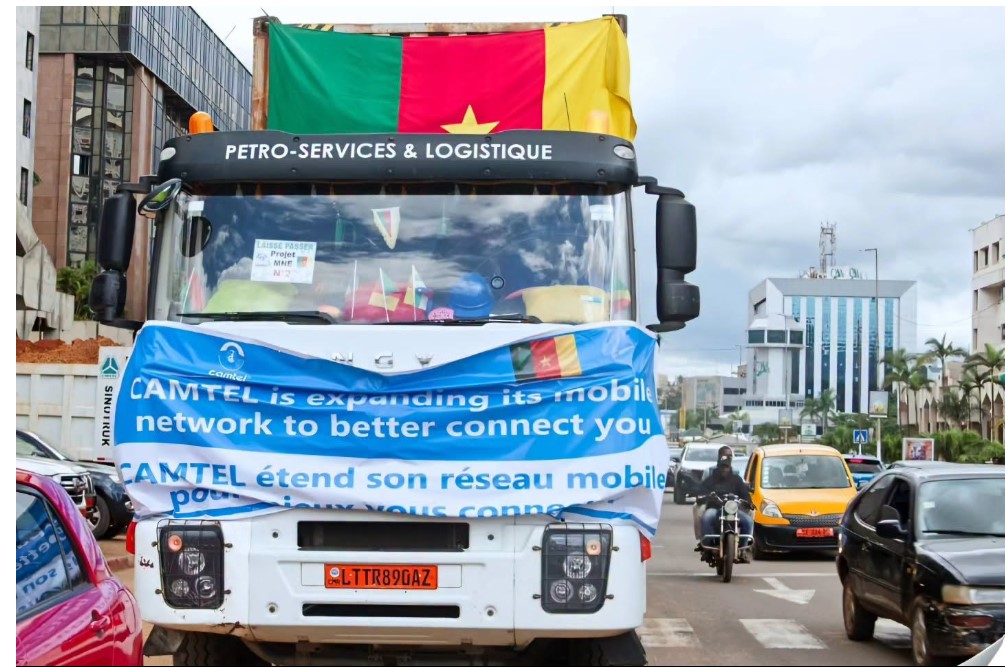
New Homeowner’s Dream Realized As MASO ACT 6 Raffle Draw Changes Lives

By Etienne Mainimo Mengnjo The roar of the crowd was deafening. Then, a single voice cut through, not just with…

Society

US Independence Day: Freedom 250 Is Not Simply A Celebration Of Our Past, But A Commitment To An Even Stronger Future – John G. Robinson

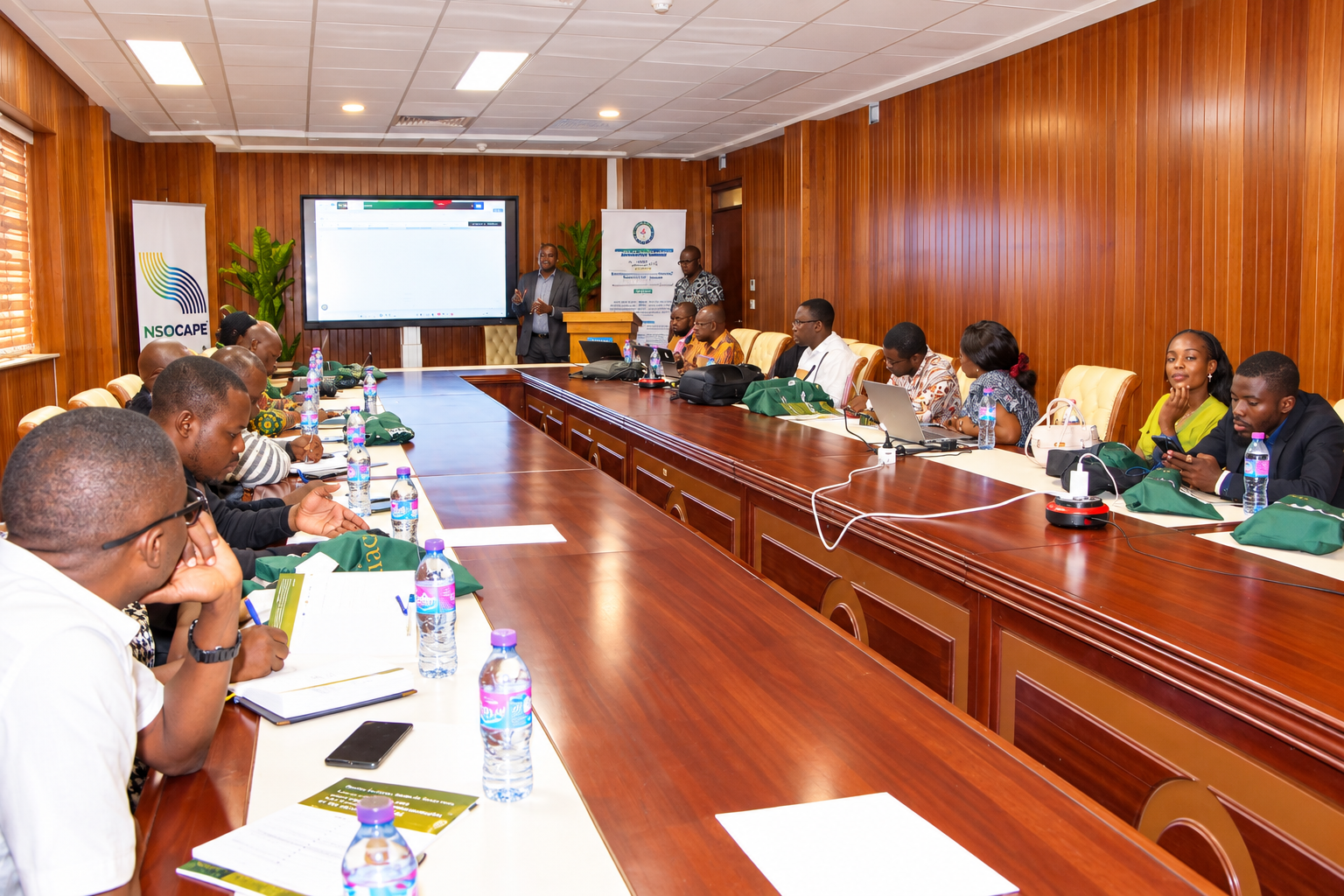
By Etienne Mainimo Mengnjo Chargé d’Affaires, a.i. John G. Robinson has said Freedom 250 is not simply a celebration of…

Society

Creative Corner Urges First Graduating Cohort To Build Confidence, Creativity

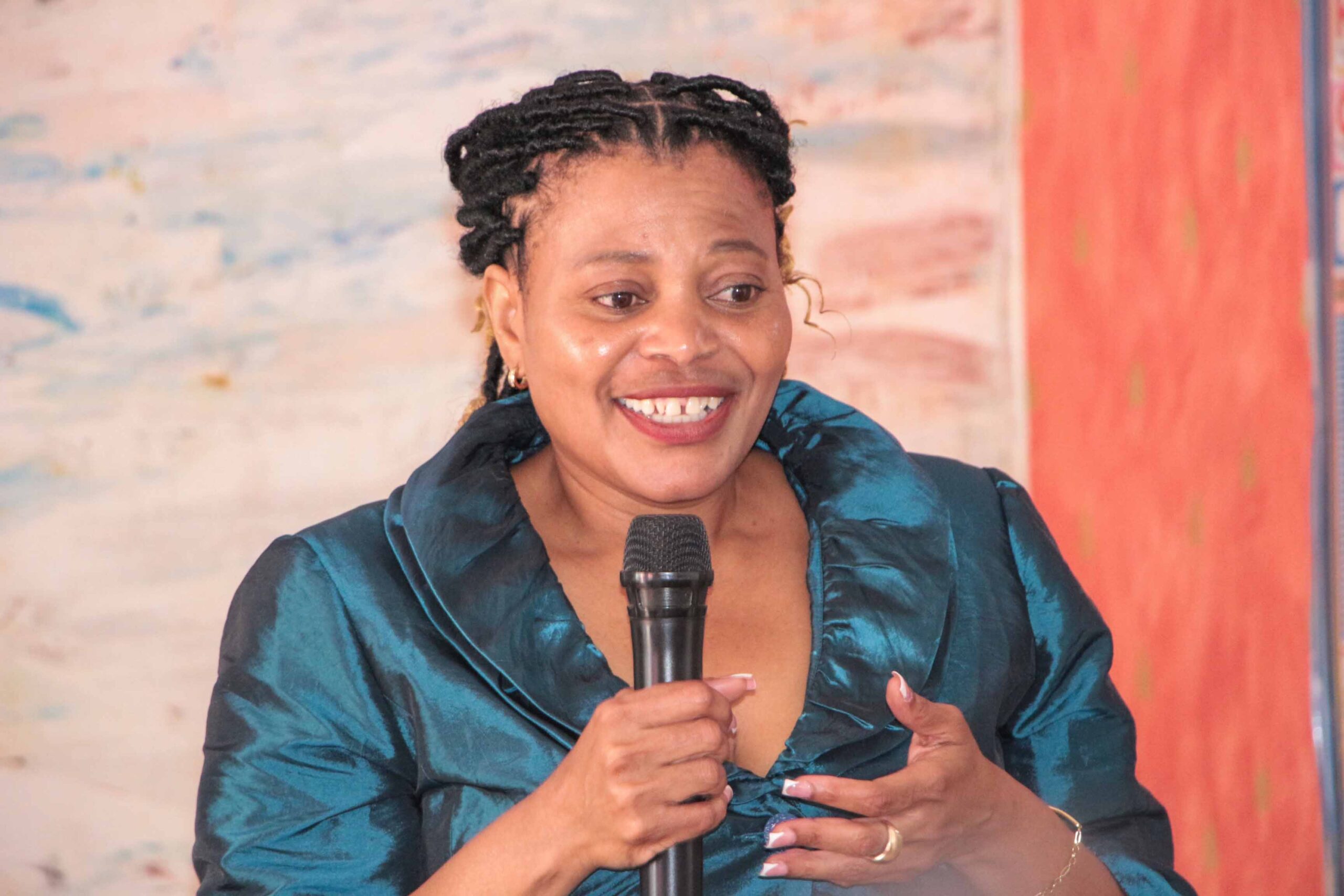
By Etienne Mainimo Mengnjo Over Forty students from the Holy Infant School Complex have been urged to embrace their creative…

Sports

LOYOC Unveils 5th Na-We-We Sports Jamboree In South West Region

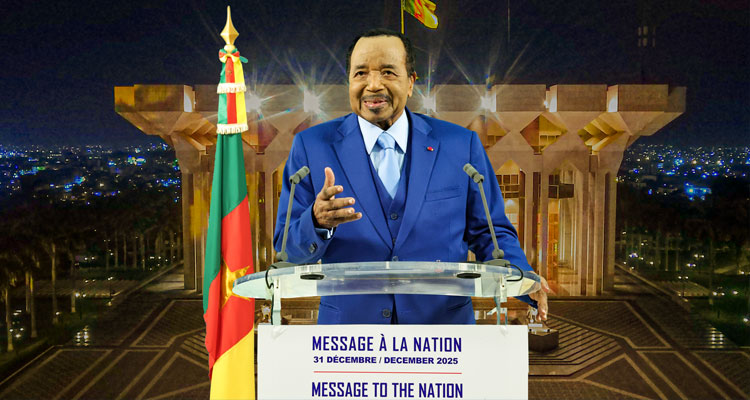
By Brian Mboh In communities where displacement and uncertainty have become part of daily life, sports are once again being…

Sehm Mbinglo I Launches Book On Peace & Reconciliation, Proposes Fireside Dialogue

By Etienne Mainimo Mengnjo

The Fon of Nso, His Royal Majesty, Sehm Mbinglo I has officially launched his book titled, “The Fon of Nso and the Anglophone Crisis: A Testimony for Reconciliation and Peace.”

A Ya’a handing the book to His Royal Majesty for the official signature.  (Photo: Mainimo Etienne)  

The book was launched on June 25 in Yaounde accompanied by a host of dignitaries including government and traditional authorities. Eugene Ngalim and Lee Nsaibirni Warren Nsoseka were entrusted by the Fon with the task of recording his words.

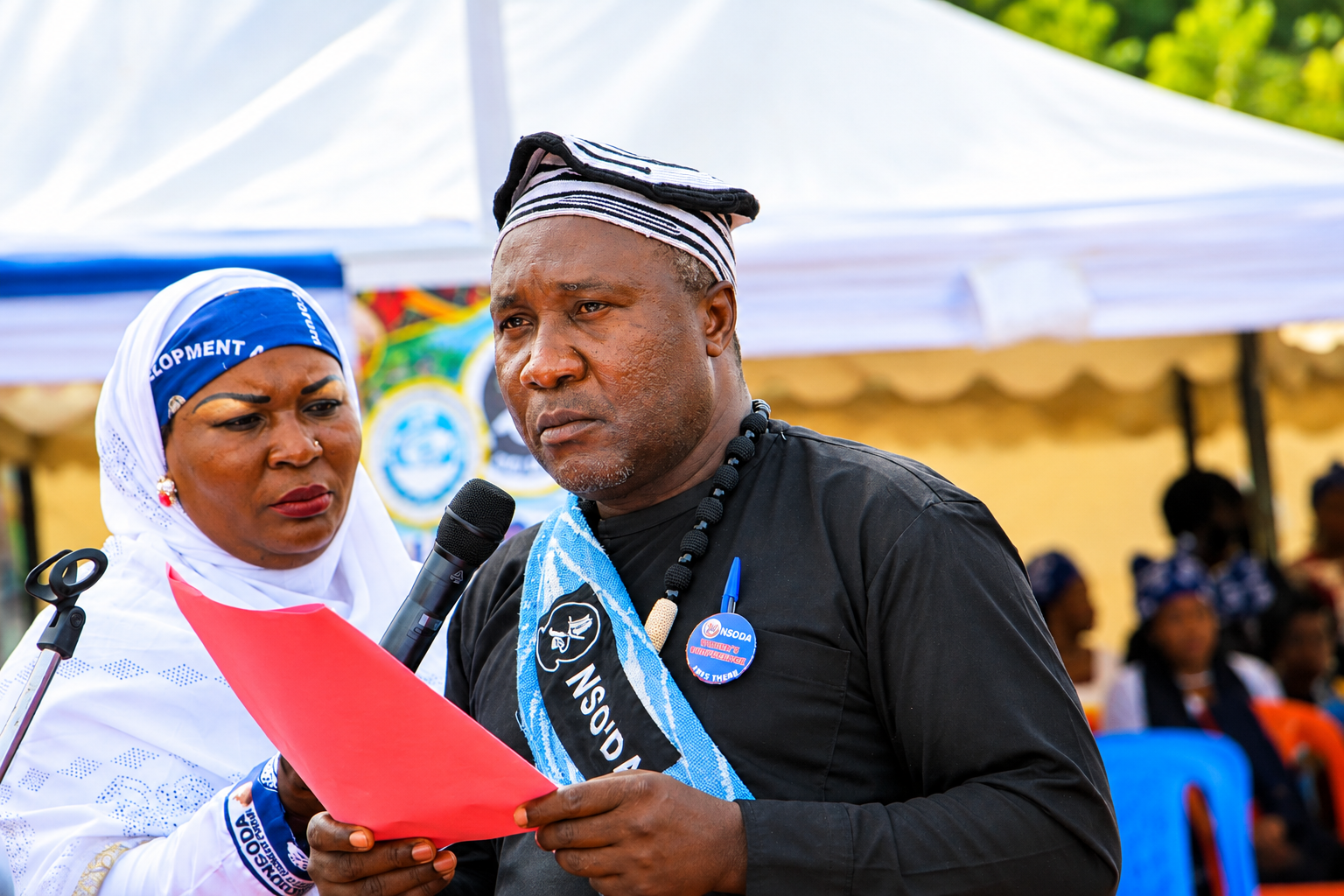
Speaking during the book launch, different speakers transmitted the Fon’s message in the book. Speaking during the book launch, the President General of Nso Cultural and Development Association (NSODA), Shey Tadze Adamou Mbiydzela describe the book as a royal gift.

“Embodying both the wisdom of our ancestors and a profound sense of historical necessity, this book marks an unprecedented moment in the modern history of Nso’. One might say that the Fon has crossed the threshold from oral tradition to the written word but that will not be entirely true,” Shey Tadze Mbiydzela said.

Cross section of ‘A Ya’a’ of Nso    Photo: Mainimo Etienne)  

Stressing that traditionally, a Fon transmits the wisdom of the Nso heritage through spoken pronouncements, which are then interpreted and conveyed to the public by designated custodians, he indicated that this book does not depart from that tradition so much as it extends and complements it.

Stating that the Nso people have mourned, communities have endured profound sorrow as well as the cultural identity been tested by years of conflict and uncertainty, he indicated as the head Nso Fondom, His Majesty has not merely witnessed these events from afar; “he has lived through them. He has confronted personally the harsh realities of war, bearing both the burdens of leadership and the pain of a people caught in crisis.”

His Royal Majesty, Sehm Mbinglo I, officially signing his book  (Photo: Mainimo Etienne)  

Shey Tadze Mbiydzela added, “This book is not a cry of despair. His Majesty refuses to be confined by bitterness. Where many might have faltered, He has chosen the path of a true leader. He has opted for calm over chaos, reflection over revenge. He has overcome immense personal wounds—including the cruel loss of two princes of childbearing age, and a couple of terrifying periods in captivity.”

In captivity, facing threats to his life, and the desecration of the throne, Shey Tadze Mbiydzela stated that the Fon courageously, called for unity. “No one endures such trials unscathed, though. Even so, His Majesty offers us a powerful lesson: we must bear our scars with dignity. He is not seeking awards or historical acclaim. Instead, he has channeled his deepest suffering into a guiding vision for national healing.”

Shey Tadze Adamou Mbiydzela, President General of NSODA speaking during the occasion   (Photo: Mainimo Etienne)  

To the esteemed analysts, peacebuilders, and policymakers present Shey Tadze Mbiydzela pointed out that “the book provides our nation with a practical framework built on five essential principles: testimony, truth, dialogue, reconciliation, and peace.” he added that “it is not a political statement. It is a genuine, personal account of hardship, resilience, and compassion, presented to ensure our memories hold true. It serves as a calm, serious invitation for us to examine ourselves as a nation.”

He however used the opportunity on behalf of the Nso’ Cultural and Development Association (NSODA), invite all peace builders, non-governmental organizations, corporate partners, and the international community present today to collaborate with NSODA to bring the essence of this book to life.

Cross Section of Religious authorities during the launching ceremony    (Photo: Mainimo Etienne)  

Talking about the return of ‘Ngonnso’ which he said is “not merely a cultural artifact or a historical object; she is a living symbol of our origins, unity, and collective destiny.” He added that her absence represents a wound that remains unhealed.

“The return of Ngonnso’ would therefore signify far more than the restoration of a treasured heritage object. It would be an act of historical justice, a gesture of reconciliation, and a meaningful step toward the healing of old wounds. It would reaffirm the dignity of a people and restore an essential bond between the living, their ancestors, and the generations yet to come,” he said.

Minister Asheri Kilo speaking during the launching ceremony    (Photo: Mainimo Etienne)

Eugene Ngalim, stated that it was a ducting task to convince the Fon to accept writing the book as the Fon constantly emphasized that since the founding of the Nso dynasty, the tradition has been faithfully transmitted orally.

“This book is the Fon’s testimony. It is not written to stir emotions for its own sake, nor to reopen wounds that time must heal. It is written with the deepest honesty the Fon can offer, so that those who live today and those who will come after us may understand what happened, why it matters, and what must never be repeated,” Eugene Ngalim said.

He added, “This testimony is the Fon’s offerings to Nso, to Cameroon, and to all who seek peace. It is a call to remember that no matter how deep the crisis, we must never lose sight of the humanity in one another. We must never forget that war, no matter its cause, leaves behind ashes, not answers.”

Dignitaries and officials during the official launch ceremony   (Photo: Mainimo Etienne)  

According to Ngalim Eugene, The purpose of this book is not to replace Nso oral tradition, but to complement, strengthen, and preserve for posterity a small part of the broader royal narrative and messages.

“It responds to the demands of the present moment while remaining faithful to the enduring values of Nso culture. In this sense, it serves as a tool for peace, reconciliation, and historical preservation, both within and beyond Nso, in keeping with the core Nso ethical principles of respect for human life,” he added.

He stressed, “The book is also designed to support the Fon’s community dialogue, which will bring together all Nso, all Nso sons and daughters living both in Cameroon and in the diaspora. The dialogue is expected to culminate in To’ Nso, where the final ritual of reconciliation and peace will be performed.”

Eugene Ngalim speaking during the launching ceremony    (Photo: Mainimo Etienne)  

Minister Vivian Asheri Kilo on his part invited all not to take the book into academic discourses that will not take anyone anywhere. “The book is simple. It’s written in plain simple language communicating a spirit of hope, a spirit of rejuvenation, a spirit of love rekindled.”

Concerning the return of Ngonnso, the Minister assured everyone that everything is in progress, “and so we do not need to do any actions that would seem to precipitate or, more so, detract from what our Fon has done today.”

The book is made up of 170 pages and was taken over two years to write the book. The contents of the book includes a foreword, preface, and acknowledgment, and divided into seven parts with sub-chapters.

Other fondoms grace the occasion with their presence    (Photo: Mainimo Etienne)  

The book traces events from the enthronement of the Fon to the genesis of the crisis, and recounts what the Fon endured during the period. He acknowledges with deep gratitude all those who contributed to his well-being in those difficult moments.

The book also includes a reflection of solidarity messages from some of the Fons of Bui. The book ends with the Fon’s goodwill message to the people of Nso, Bui, and Cameroon, a message of peace and reconciliation, and finally, a royal call to reconciliation.

(Wirfon) Sons and daughters of Nso, alongside friends and well-wishers, gathered to celebrate the occasion  (Photo: Mainimo Etienne)  

“In his royal call, his Majesty stated, the true wisdom of a people is their ability to listen, to understand, and to seek peaceful ways of handling their differences without causing harm,” he said.

A dance group gracing the occasion with their performance (Photo: Mainimo Etienne)

Cameroon Urged To Adopt Best African Practices For Better Public Service Delivery

By Etienne Mainimo Mengnjo

Experts are calling on the Cameroonian government to draw inspiration from successful African peers to enhance public service delivery and better meet citizen expectations. The consensus emerged during the inaugural Cameroon Public Service Forum, that took place on June 24, at the Muna Foundation in Yaoundé.

Organized by The Service Foundation under the theme “Transforming Public Institutions: Advancing Innovation, Accountability, Participation and Inclusion,” the event gathered national and international specialists to chart a path toward modernizing the country’s administrative apparatus.

At the core of the discussions was a clear message: meaningful public sector reform is achievable when governments actively embrace innovation, enforce institutional accountability, and realign structures with the evolving needs of their people.

“Public service is fundamental at every level of society today. Every citizen deserves better, and we must recognize that the quality of our service is measured by those we serve,” said Georges Essama, CEO of The Service Foundation, in his opening remarks.

He underscored the forum’s dual purpose—celebrating the dedication of public agents while raising awareness about the imperative of citizen-centered service and fostering a network for change across administrations.

Participants voiced growing concern over the disconnect between an increasingly informed, digitally native population and outdated bureaucratic systems. Dinyuy Brandon, a public service attendee, stressed that modernization must be driven by citizen-centric initiatives.

His view was reinforced by Dr. Pisso Nseke, a public administration expert, who noted that citizens today are educated, hyper-connected, and accustomed to instant digital services—yet administrative procedures remain sluggish and rooted in the past.

Dr. Nseke advocated for placing citizens at the heart of governance, proposing three priority actions: simplifying administrative red tape, investing strategically in professional development, and fast-tracking digital transformation.

While participants agreed on the urgency of reform, they also emphasized the need for solutions tailored to local contexts. Two African success stories stood out as potential models.

Kenya, for instance, has overhauled its public service through a four-pillar strategy—innovation, accountability, participation, and inclusion. Aliyare Hassan, Senior Assistant County Commissioner at Kenya’s Ministry of Interior, explained how the country centralized government services via the e-Citizen digital platform and physical Huduma centres.

This integration has reduced wait times, cut travel costs, and minimized bureaucratic obstacles. The Huduma platform now consolidates over 5,000 digital services into a single portal, while mobile money innovations like M-Pesa have driven financial inclusion.

Benin also offered a compelling example, having digitized nearly 60 percent of public requests—from birth certificates to passports—allowing citizens to secure essential documents online without third-party intermediaries.

For The Service Foundation, these cases provide a roadmap for Cameroon’s own emergence agenda.

“We don’t want to stop at reflections; we want to see tangible change through action. That’s why we brought all stakeholders to the table. We hope this forum marks a strong starting point for modernizing our public service,” George Essama said.

As Cameroon charts its course toward administrative renewal, the message from Yaoundé is clear: the future of public service lies in innovation, inclusion, and a steadfast commitment to the citizen.

U.S. Embassy Yaounde To Honor Joseph Love and Family As Cameroon Mission Ends

By Etienne Mainimo Mengnjo

The U.S. Embassy in Yaoundé is finalizing preparations for a send-off ceremony to honor diplomat Joseph Love, Head of the Regional Security Office (RSO), as his official mission in Cameroon draws to a close.

Joseph Love

After a tenure marked by commitment and community engagement, embassy officials, friends and well-wishers will gather Friday June 26 to celebrate his contributions and legacy during his stay in the country.

Colleagues and admirers describe have Joseph Love as a humble, approachable mentor who is widely recognized for his steady guidance and willingness to listen to anyone in need.  Joseph Love and his family are scheduled to depart Cameroon after more than three years of dedicated service.

Joseph Love’s family

“Joseph Love is a man that I don’t know how to describe because he is endowed with many things,” said one admirer. “His stay in Cameroon has been a source of inspiration to many from the way he advises, guides and does his job.”

As preparations reach a fever pitch, the Ndurum dance group of Yaoundé is tuning up to headline the entertainment. Hailing from Nseh in the Bui Division of Cameroon’s Northwest Region, the group has been rehearsing for weeks to deliver a flawless, distinctive cultural performance for the event.

Ndurum dance group of Yaoundé

The Ndurum group was bestowed by the Fon of Nseh in 2020 and handed over to Shey Bongben Ernest and the late Pa Tume Ignatius, with a welcome extended by NDECA Yaounde. Since then, the group has involved members from all walks of life. Its current President is Ndi Ignatius Kongnyuy, and its Proprietor and Director is Bongben Ernest.

The group meets twice monthly in the Anguissa neighborhood and also maintains a women’s wing. Ndurum performs at funerals, weddings, send-off parties, graduation ceremonies, birthday parties and other events.


SESDP Strengthens Secondary Education With Landmark School Leadership Training

By Etienne Mainimo Mengnjo

Cameroon is making significant strides in improving its secondary education system, with the government, through the Secondary Education and Skills Development Project (SESDP), successfully training thousands of school leaders nationwide.

Following the initial training of 1,752 Principals and Assistant Principals in the first cohort, the program has now reached an additional 2,600 school leaders from Cohorts 2, 3, and 4. The comprehensive training took place across all ten regions of the country, marking a major milestone in the government’s education reform agenda.

At the heart of the initiative is an innovative hybrid learning model that blends face-to-face workshops with online modules, mentoring, coaching, case studies, simulations, and continuous assessment. This multifaceted approach ensures that participants gain both theoretical knowledge and practical, real-world skills.

The SESDP equips school administrators with competencies in key areas, including instructional leadership, school governance, financial and administrative management, human resources, digital leadership, performance monitoring, inclusive and safe school management, as well as ethics and accountability.

To cap the programme, a national remediation and assessment workshop was held to reinforce learning outcomes, address knowledge gaps, strengthen digital skills, and conduct final competency-based evaluations. Participants were required to complete an online assessment, compile a professional portfolio, and successfully defend their work before an assessment panel to qualify for official accreditation.

The initiative is expected to yield stronger school leadership, improved learning environments, better teacher supervision, enhanced accountability, and more efficient school management—all of which contribute to better educational outcomes for learners.

Beyond the classroom, the programme directly supports broader national objectives, including the National Development Strategy (NDS30), ongoing education sector reforms, improved governance, digital transformation, and human capital development. Ultimately, SESDP reinforces the Government of Cameroon’s vision of building a high-performing, inclusive, and accountable secondary education system.

With more than 2,500 school leaders now trained across all ten regions through Cohorts 2 to 4, the hybrid training model—alongside its competency-based accreditation and practical governance focus—is proving to be a transformative force in Cameroon’s educational landscape.

The SESDP is an initiative of the government of the Republic of Cameroon, set up with the support of the World Bank. Structured around four components, its aim is to improve equitable access to quality secondary education and market-oriented technical and vocational training, with a particular focus on girls.

The project has a particular focus on vulnerable girls and other disadvantaged learners in areas with low levels of schooling and internally displaced or refugee learners in the North West and South West regions.

The SESDP is concerned, among other things, with improving infrastructure in technical and vocational training establishments and also with improving the skills of professionals in SMEs/SMIs and social economy and craft structures through training tailored to the job market.

NBTS Calls for Government Support to Boost Blood Supply

By Brian Mboh

The National Blood Transfusion Service, NBTS, has called on the government to provide support and to introduce innovative financing mechanisms to boost the national blood bank, amid rising demand.  The call was made by the President of the NBTS Management Committee, Prof. Tetanye Ekoe, during the 10th Ordinary Session of the Management Committee held on June 19 in Yaoundé.

NBTS members at the 10th Ordinary Session

The Session reviewed the institution’s 2025 financial statements and assessed the mid-year implementation of the 2026 budget, which stands at FCFA 1.48 billion. Prof. Tetanye Ekoe said the National Transfusion Service continues to face major challenges linked to governance, financing, and public awareness—particularly the low rate of voluntary donations.

He warned that existing resources remain insufficient to ensure safe blood supplies across the national territory. Based on figures presented during the meeting, the NBTS collected 184,224 units of blood in 2025, raising national coverage of blood needs to 47 percent, up from 41 percent in 2024.

He regretted that the country still falls short of the estimated annual requirement of 400,000 blood bags. Prof. Tetanye Ekoe explained that the cost of collecting, testing, and securing blood supplies requires substantial financial resources. He said research conducted by medical experts shows that producing a single unit of blood costs about FCFA 60,000.

The health expert noted that meeting the country’s annual demand of 400,000 blood bags would require approximately FCFA 24 billion—far above the level of funding currently available to the institution.

“Mobilising the population, convincing people in both rural and urban areas to donate blood, and ensuring that the collected blood is safe all require funding. The resources currently available are not sufficient to cover these needs,” Prof. Ekoe said.

He also pointed out that the funding gap partly explains periodic shortages recorded in some hospital blood banks and the continued reliance on replacement donations from families instead of voluntary blood donations.

Prof Tetanye Ekoe speaking during 10th Ordinary Session

NBTS Raises Alarm on Need for More Funding

Prof. Tetanye Ekoe said the NBTS must intensify advocacy efforts with technical and financial authorities and seek new funding mechanisms capable of supporting its mission.

He said traditional financing methods are no longer sufficient to sustain blood collection campaigns, biological qualification of blood products, and staff training programmes.

“The mission assigned to us is to protect the population by providing safe blood in sufficient quantities. The financial mechanisms currently in place do not allow us to effectively carry out all our collection, qualification, and training responsibilities. We need stronger and more innovative sources of financing,” he said.

NBTS Management Committee in a family picture

The NBTS reported that only 26.7 percent of blood donations currently come from voluntary, unpaid donors—a figure management said remains too low to guarantee stable national blood reserves.

Despite financial constraints, the NBTS said it has continued to strengthen coordination with hospital blood banks, expand technical supervision activities, and develop accreditation procedures for pilot blood banks involved in biological qualification.

Striking Eagles Honor Joseph Love’s Family In Final Mission Tribute

By Etienne Mainimo Mengnjo

The Striking Eagles FC of the U.S. Embassy in Yaounde have honored the family of diplomat Joseph Love as their mission in Cameroon draws to a close. The tribute took place on June 20 during a fiercely contested friendly match at the American International School of Yaounde (AISOY).

Joseph Love and his son kick off the match  (Photo: Mainimo Etienne)

The game, dedicated to Love and his family, served as a farewell celebration for the diplomat, whose tenure has been marked by a spirit of camaraderie and community engagement.

The match itself was a tale of halves, with TASSA Restaurant Team striking first to take an early lead. However, the Striking Eagles mounted a swift comeback, overturning the deficit to secure a decisive victory by the final whistle. The friendly contest was played in high spirits, with both sides demonstrating competitive fairness throughout the 90 minutes.

Teams battling for victory (Photo: Mainimo Etienne)

Following the match, Striking Eagles President, Isa Adamu praised Love’s leadership and unwavering work ethic, noting that his mentorship had left a lasting impact on the US Embassy Yaounde colleagues.

“Thank you for your love,” Isa Adamu said. “As you leave, you have become part of the Striking Eagles family. We will always pray for your success as you take another step in your diplomatic career.”

Joseph Love speaking after the match (Photo: Mainimo Etienne)

As a gesture of gratitude, Isa Adamu presented Love’s family with a set of new team jerseys on behalf of the club. He described the gift as a symbol of the enduring bond between the diplomat and the team, adding that it would serve as a constant reminder of the prayers and support the Striking Eagles will continue to offer.

In his remarks, Joseph Love expressed deep appreciation to both teams, friends, and well-wishers who turned out for the farewell match. He said the Striking Eagles would forever hold a special place in his family’s heart, citing the sense of unity, fun, and solidarity the team had fostered during his time in Cameroon.

President Isa Adamu hands gifts on behalf of the club to Joseph Love during the farewell match   (Photo: Mainimo Etienne)

“I am so overwhelmed by you guys, and you will always be in our hearts,” Joseph Love said. “The Striking Eagles will forever be in our family’s hearts because, through this team, we experienced a sense of solidarity and fun that made our time here truly special.”

Joseph Love’s Family (Photo: Mainimo Etienne)

Minister Abena Ondoa Raises Alarm Over 1,599 GBV Cases in Early 2026, Appealed For A Society-Wide Response

By Etienne Mainimo Mengnjo

More than 1,599 cases of Gender-Based Violence (GBV) have been recorded across Cameroon between January and April 2026, according to data presented before the National Assembly.

President of the National Assembly greet MPs as he steps in to begin a plenary session (Photo: National Assembly)

The Minister of Women’s Empowerment and the Family, Marie Therese Abena Ondoa revealed the figures on June 19 during an oral question session in the Lower House of Parliament. She was responding to a query from Hon. Angèle Toukam Tela Epse Sandio, who asked what measures the Ministry is taking to eradicate or reduce femicide in Cameroon.

In responding, Minister Abena Ondoa provided an overview of gender-based violence in the country, noting that recent years have seen numerous cases of murder, abduction, torture, rape and other violations against physical, emotional and sexual integrity.

“In addition to this data from major national surveys, MINPROFF recorded 1,599 cases of violence across the national territory between January and April 2026,” Minister Abena Ondoa said. “This total includes 166 cases of rape, 50 femicide, 13 infanticide, three kidnappings and three cases of physical abuse on children.”

Regarding femicide, the Minister said the phenomenon, though insufficiently documented, is rising and represents an extreme form of gender-based violence.

“Indeed, 56 cases were recorded in 2023, 67 in 2024, approximately 77 in 2025, and, as mentioned above, 50 cases between January and April 2026,” she said. “These are the cases officially recorded and documented by our services. It is obvious that the number at this moment has increased.”

Cross Section of MPs during the Plenary Session (Photo: National Assembly)

Faced with the worrying situation, Minister Abena Ondoa said the government has taken initiatives to address gender-based violence and femicide, including ratification of international and regional legal instruments for the promotion and protection of women’s and girls’ rights, prevention efforts, law enforcement, support services and institutional framework strengthening.

But she acknowledged persistent obstacles, among them limited access to free and confidential integrated services, weak intersectoral coordination, ongoing security crises in the Far North and Southwest regions, impunity for offenders and lax enforcement of existing rules.

The Minister assured lawmakers that corrective actions are underway, including shepherding a draft gender-based violence law through parliament, reinforcing the coordination body for prevention and response, and upgrading data collection systems.

Acknowledging that the problem has proven resistant to government and partner interventions, Abena Ondoa appealed for a society-wide response.

“Let us denounce the violence, protect the victims, and educate our families and communities about respect for life and equality,” she said.

Abena Ondoa was among five cabinet Ministers who fielded questions from lawmakers that day. The others oversee Transport, Posts and Telecommunications, Public Service and Administrative Reforms, and Public Health.


Health Minister Clarifies Kidney Treatment Costs

During the session, Public Health Minister Dr. Manaouda Malachie response to specific grievances raised by Hons. Daniel Etongo Ngalle, Njume Peter Ambang and Rolande Ngo Issi regarding healthcare mismanagement and kidney disease costs in Cameroon.

“I must formally clarify that the regulatory amount due per year from a patient suffering from chronic kidney disease is not 16,000 FCFA, but rather exactly 15,000 FCFA,” Manaouda said.

Dr. Manaouda Malachie, Public Health Minister answering to questions from MPs (Photo: National Assembly)

He issued an uncompromising warning to hospital administrators, emphasizing that no internal directive authorizes the collection of funds outside official regulatory public revenue protocols and that every transaction must be recorded in official accounting ledgers and yield a certified state receipt.

Addressing widely reported sums of 100,000 to 250,000 FCFA demanded from kidney patients, Manaouda explained that these fees do not represent an illicit deposit, administrative markup or hospital scam

Instead, they constitute the baseline clinical cost for placement of an arteriovenous fistula — a complex, mandatory preliminary surgical procedure required when a patient reaches Stage 4 kidney failure before formal dialysis treatment can begin. Cost disparities across the country are tied to whether the surgery is performed in a first-, second- or third-category state referral hospital.

“Because this specific preliminary procedure, alongside critical companion therapies like erythropoietin injections, are not yet fully subsidized by our current health coverage system, we have initiated an immediate structural review of this funding framework,” Manaouda announced.

He noted that toll-free numbers and quarterly evaluations are being used to identify and sanction rogue hospital personnel misusing social safety nets enacted by the head of state.

Health Minister also placed these systemic challenges within Cameroon’s broader epidemiological transition. He highlighted concurrent outbreaks of Mpox and Ebola alongside an exponential domestic rise in chronic, non-communicable conditions like cardiovascular diseases, chronic respiratory ailments, advanced diabetes, cancers, and hemoglobinopathies.

However, Dr. Manaouda blamed the shift on rapid lifestyle changes, citing poor diets and sedentary habits as the main preventable causes of chronic organ failure. He called on the National Assembly to push for community-led early screenings and state-funded wellness programs.


Minister Joseph Le of Public Service Details Civil Service Payroll Reform

Minister Joseph Le also fielded questions about “AIGLES,” the state’s new workforce and payroll management software. He described the platform as a major structural reform championed by President Paul Biya to modernize Cameroon’s civil service. Built to replace the outdated SIGIPES and ANTILOPE systems, he stated that AIGLES unifies career and payroll tracking into a single registry.

Minister Joseph Le g during the session (Photo: National Assembly)

According to the Minister, the system’s real-time data is already highly accurate: “As of the morning of June 19, 2026, the AIGLES platform precisely displayed 306,159 active public servants and 160,285 pensioners.”


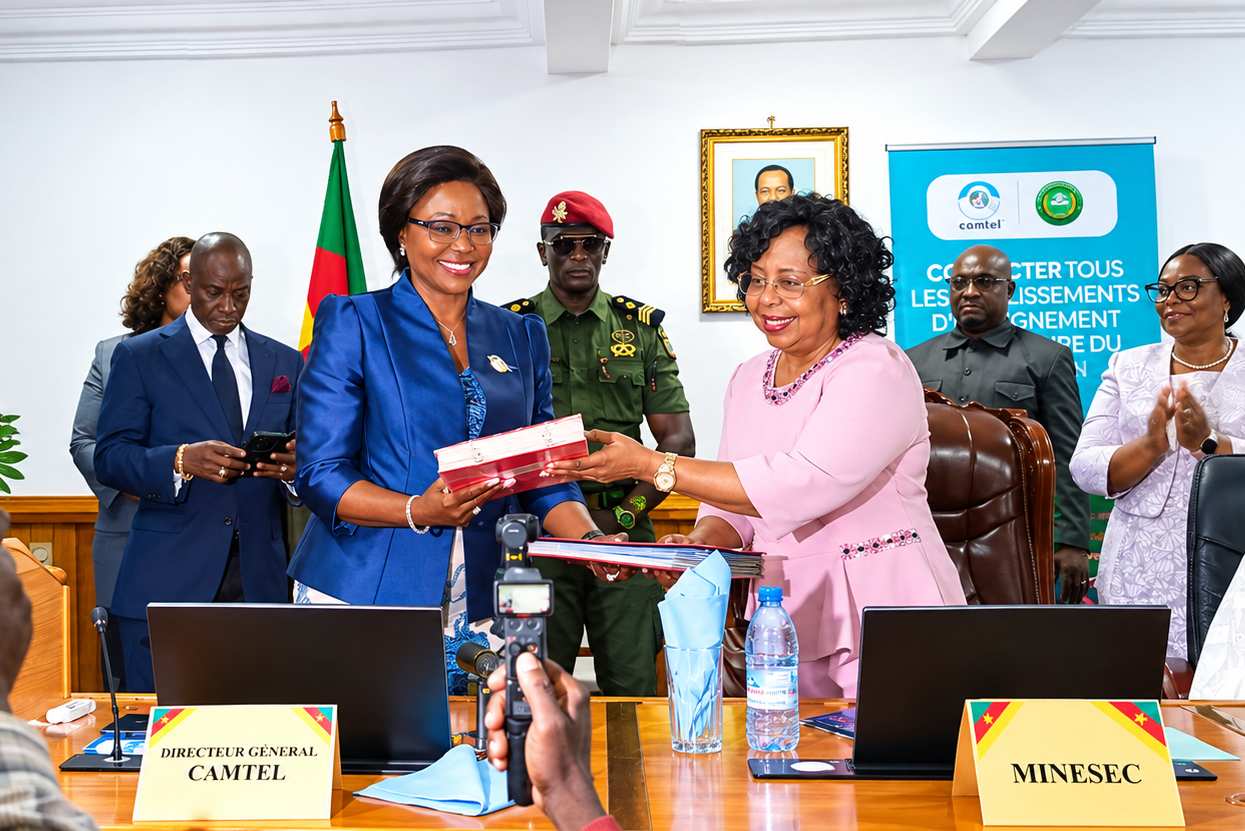
Promote 2026: CAMTEL Pavilion Buzzes As Guests Explore “Blue” Plans, Cutting-Edge Data Centre Innovations

By Etienne Mainimo Mengnjo

The air inside the Yaounde Conference Center hums with electric current of possibilities. At the heart of the 10th edition of the International Exhibition for Enterprise, Small and Medium-sized Enterprises, and Partnership (PROMOTE) 2026 trade fair, one pavilion stands out not for its glamour, but for its gravity.

CAMTEL Pavilion at PROMOTE 2026   (Photo: CAMTEL)

It is the Cameroon Telecommunications (CAMTEL) stand, and this week, it has become the epicenter of a national conversation about data, sovereignty, and what it means to build a truly connected Cameroon.

The state-owned telecom has transformed its space into a bustling hub, drawing a steady stream of visitors, industry stakeholders, and government officials eager to glimpse the nation’s digital engine.

The crowd’s gripped attention is fixed on a singular vision: the “Blue” transformation strategy and the formidable capabilities of the Zamengoe Data Center, a facility that is quietly redefining the country’s technological landscape.

Visitor at CAMTEL Pavilion  (Photo: CAMTEL)

This surge in interest is no coincidence. As Cameroon accelerates its push toward a fully integrated, data-driven economy, the demand for localized, secure digital infrastructure has moved from a technical consideration to a national imperative .

At the centre of this push is CAMTEL, aggressively modernizing its network and expanding cloud services to anchor the nation’s digital ambitions.

Benedict Ndinwa, Head of Institutional Communication at CAMTEL, took to a television broadcast from the fairgrounds to articulate the company’s commitment to national development.

He announced a major milestone for the state-owned operator’s mobile network, noting that “Blue, CAMTEL’s entirely Cameroonian mobile network, launched three years ago, has now surpassed 2 million active subscribers.”

Visitors on the way out after visiting the CAMTEL Pavilion at PROMOTE  (Photo: CAMTEL)

To celebrate its presence at PROMOTE,  he said, CAMTEL is offering aggressive promotions, including Blue SIM cards for FCFA 500—a package that comes with 2GB of data, 2000 call units, and a 48-hour validity window.

Ndinwa emphasized that these efforts are paired with ongoing work to enhance service quality and extend coverage to underserved areas, underscoring a dedication to digital inclusion.

However, the true stopper of CAMTEL’s presentation is the story of the Zamengoe Data Centre. Located approximately 30 kilometers from downtown Yaounde, this facility is not just a building; it is a statement of intent.

Ndinwa detailed the “robust facility” and its coveted Tier 3 certification, a benchmark that guarantees high reliability with a maximum annual downtime of just 1.5 hours . He stressed the site’s energy autonomy, noting that its backup systems can provide up to one month of power independence—a critical advantage in a region where energy stability is a common concern.

A CAMTEL agent (right) speaking with a visitor  (Photo: CAMTEL)

For the business community, the Zamengoe Data Center represents a strategic asset. It champions the principle of data sovereignty, encouraging Cameroonian enterprises to store their information local.

Ndinwa explained that local hosting offers superior control, security, and reduced latency compared to overseas alternatives. By keeping data within national borders, the facility helps prevent misuse and ensures businesses retain complete oversight of their digital assets.

“Local storage ensures data remains within national borders, preventing potential misuse or lack of control often associated with foreign hosting,” Ndinwa said, adding that the center provides “more competitive costs for users” compared to international options.

To him, this aligns with the government’s broader National Artificial Intelligence Strategy which identifies sovereign data infrastructure as foundational to economic growth.

A CAMTEL agent (right) speaking with a visitor  (Photo: CAMTEL)

CAMTEL’s presence at PROMOTE is expansive, featuring a main stand at the Palais des Congrès, a dedicated digital pavilion, and more than 500 brand ambassadors. These representatives are actively engaging with visitors, presenting CAMTEL’s portfolio of enterprise-grade solutions and gathering feedback to better meet customer needs.

As Cameroon positions itself to become a digital leader in Central Africa, the conversations happening this week at PROMOTE suggest that the journey begins not in the cloud, but on the ground—in a state-of-the-art facility on the outskirts of Yaounde.


LOYOC Amplifies Cameroon’s Voice At Global Youth Acceleration Summit

By Brian Mboh

Local Youth Corner Cameroon, LOYOC, through its Project Manager, Mansuru Usuman, carried the country’s voice at the 2026 edition of the Acceleration Week for the Global Youth Development Program, with a presentation on LOYOC’s major flagship sports for peace project, dubbed “NA WE WE”, as an effective model to promote peace, social cohesion, and healthy living between displaced persons and host communities in Cameroon.

Dr Mansuru Usuman , Project Manager, Speaking in Shanghai

The one-week youth conclave, which kicked off on June 11 to 17, 2026, in Shanghai and Wuhan, China, brought together about 200 youth-led program leaders across the globe. Mentors include heads of UN agencies, accelerators, investment institutions, foundations, NGOs, and established enterprises.

Coordinators include professional experts from UN agencies and international organizations.

The Acceleration Week is composed of pre-meetings, a launching ceremony, workshops, partnership meetings, networking activities, and study visits. Youth leaders will be grouped into eight thematic clusters, with each cluster comprising approximately 25 programs. Throughout the week, the youth leaders will have access to professional guidance on business models, market connections, partnership strategies, financial sustainability, social impact, and so on. They will also be connected with Chinese enterprises, investment institutions, and accelerators to build partnerships. Each of the programs could be publicized globally through “Voice of Youth” videos and a wide range of media coverage.

Speaking in China, LOYOC Project Manager, said the event serves as an opportunity for exchanges and partnership building. As well as seek new support, to assistant the Non-Governmental Organisation in running its activities in Cameroon.

“I am here in China, representing Cameroon, at the Global Week Acceleration Program as one of the delegates from over 120 countries globally. This platform is a very important means, for me as a young person because it gives me the opportunity to network and share with my peers. The event is very important for LOYOC, in that it gives an opportunity to build new partnerships, seek for support, and to share our locally-led initiatives.”

“Local Youth Corner Cameroon is an organisation created in 2002, with the aim of supporting youth people across the ten regions of the country to address the social, political, and economic challenges that they are facing. LOYOC has been one of the locally youth-led organisations that has been spearheading the implementation of the youth, peace and security agenda in Cameroon. Working in close collaboration with UN agencies, international organisations, and Civil Society Groups.

Participants at Global Youth Conclave in China

Within our different programs, we have been able to support different youth-led organisations and young people in the country by building their capacities and supporting them in implementing different projects in their communities through sub-grants. These opportunities give an insight and shape our programming back home to see how to better support young people, to participate actively and inclusively addressing challenges that actually concerns them,” Mansuru explained.

About NA-WE-WE Sports Jamboree
Five years ago, Local Youth Corner Cameroon, LOYOC, had a simple but powerful conviction: that sports and recreational activities have the ability to build social cohesion, moral, civic, and entrepreneurial rearmament between and among diverse groups of people.

It could bring people together across lines of fear, displacement, and difference. It could create space for young people who had been forced from their homes to stand on a pitch alongside the people who had received them, and find, in the shared language of play, something worth protecting together.

That conviction became the Na We We Sports Jamboree. Na We We, meaning “We are one”, is now one of LOYOC’s most visible and impactful peacebuilding programmes. It has grown from a local youth-led initiative in Yaounde into an annual Jamboree that moves across Cameroon’s regions, taking its message of social cohesion to the communities that need it most.

This year, it arrives in Tiko, Fako Division, South West Region, from July 4 to 30 August 2026 for its 5th Edition, under the theme: Stronger Together in Times of Crisis Through Sports.

strained resources, heightened tensions, and the slow erosion of trust that comes when fear goes unaddressed. Young people on both sides of that divide risked becoming isolated, radicalised, or simply lost.

LOYOC’s response was to build something joyful. A sports and recreational activity where every team is deliberately composed of both IDPs and host community members. Where team names like Peace, Solidarity, Tolerance, and Love are not decorative but instructional. Where, before each match, a player takes five minutes to speak to the crowd about what their team name means, and what it demands of all of us.

Giving Kids the Gift of Sight: Magrabi ICO Cameroon Eye Institute Offers Free Eye Screenings for Children

By Etienne Mainimo Mengnjo

Ten-year-old Amadou stares intensely at the chalkboard, his eyes watering from the strain. The letters written by his teacher blur into charcoal smudges. As his classmates scribbled down the lesson that would appear on their upcoming primary school exams, Amadou could only guess at the words, feeling the familiar, sinking anxiety of a child falling behind through no fault of his own.

Amadou is not alone. He is just one face among millions of children across Cameroon who quietly battle poor vision in classrooms every day. In a region where specialized pediatric eye care is a luxury few families can afford, a simple, treatable vision impairment frequently forces vulnerable children to fail their exams, derailing their education and trapping them in a cycle of limited opportunities.

To fight against this, the Magrabi ICO Cameroon Eye Institute, (MICEI), has launched a mass free eye consultation campaign targeting children aged 0-18. The initiative, running from June 16 to 18, aims to dismantle the visual barriers that prevent Cameroon’s youth from succeeding academically.

Dr. Henry Nkumbe, the CEO of the institution, unveiled the campaign on June 15 in Yaounde. The announcement was made on the heels of the ongoing 10th edition of the Yaoundé International Business, SME and Partnership Exhibition, or PROMOTE 2026.

Children undergoing eye screening (Photo: MICEI)

Speaking to the press, Dr. Nkumbe said the free eye screening is in honour of the 2026 International Day of the African Child, observed annually on June 16. While the official continental theme focuses on clean water, hygiene, and sanitation as critical human rights, Nkumbe emphasized that a child’s right to a future relies heavily on their ability to see the world around them.

“There’s a very strong link between education, quality education, and visual health because a child who can’t see well can’t perform well in school,” Dr. Nkumbe said. The hospital’s intervention highlights the critical role vision plays in a child’s development.

“We are aware of a very important ingredient in quality education, which is quality visual health and this consultation reaffirms our commitment to ensuring that sight, essential for learning and everyday life, is never a barrier to quality education,” Dr. Nkumbe said. “Whatever we do today, whether positive or negative, will have an impact on the world they are going to live in tomorrow.”

For the millions of Cameroonian children struggling to read their textbooks, the intervention by the specialized institute represents a turning point.

Children undergoing eye screening (Photo: MICEI)

The Children of the Forest, a youth group dedicated to climate and environmental advocacy, performed graced the stand of the MICEI. “There is no better way than to have them involved in sharing the message on the importance of protecting the environment,” Dr. Nkumbe added.

Based just outside the capital, MICEI operates as the first eye care hospital with subspecialties in the Francophone Central African sub-region. The facility is a project of the Africa Eye Foundation, a foreign association registered in Switzerland.

By offering world-class pediatric ophthalmological services, the hospital is committed to providing high quality and accessible eye health services to all who need it in order to improve the well-being and productivity of the population in Cameroon in particular and Africa in general.

Magrabi ICO Cameroon Eye Institute stand at PROMOTE 2026 (Photo: MICEI)

By offering world-class pediatric ophthalmological services and breaking down the financial barriers to care, the hospital aims to boost both the well-being and the future economic productivity of the population.

The three-day clinic at the PROMOTE exhibition grounds has transformed a major business venue into a hub of hope for families. For children who have spent years squinting at blackboards and fearing exam days, the chance to finally see clearly means they can finally look forward to a fair chance at a bright future.