By Etienne Mainimo Mengnjo
On World Teachers’ Day, thousands of educators across Cameroon continue to stand as pillars of hope and national resilience, carrying out their duties despite facing physical danger, armed conflicts, and severe economic hardship.
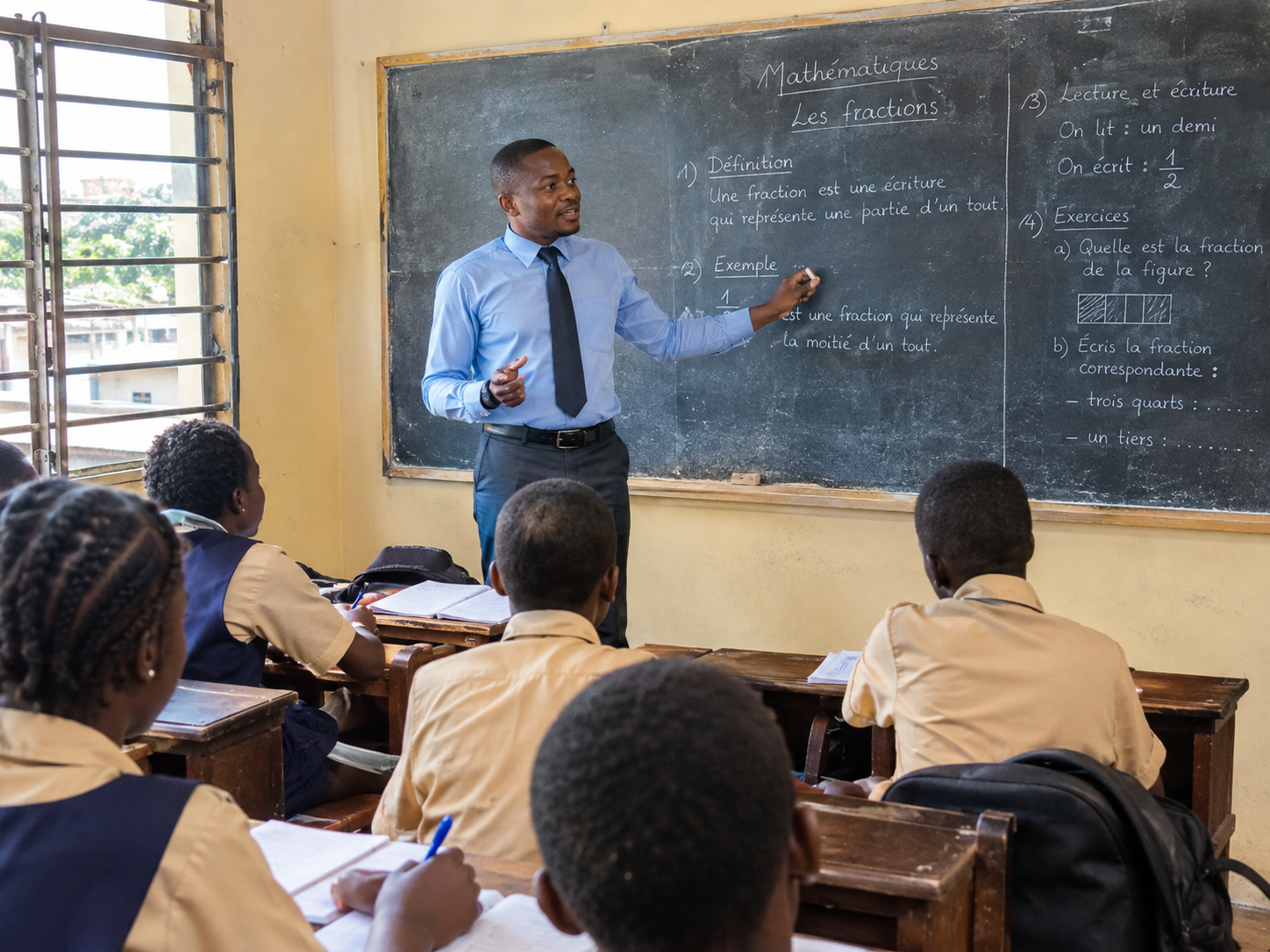
Teaching throughout the country has become an act of profound courage. In the Northwest and Southwest regions, educators face persistent threats from separatist fighters who target schools to enforce boycotts. Dozens of teachers have been killed simply for holding a piece of chalk. In the Far North region, Boko Haram insurgents have destroyed classrooms and forced educators to work under constant peril.
Physical danger, however, is only part of the struggle. Across urban centers and remote villages alike, many teachers grapple with financial instability. Scores of young educators wait months, and sometimes years, to receive their full salaries and civil service integration. Many are posted to remote areas far from their families, surviving on meager stipends while waiting for administrative processes to clear.
That educators continue to enter under-resourced classrooms and inspire children despite these agonising delays demonstrates a dedication that transcends standard employment.
While government efforts to streamline integration and reform the sector deserve recognition, the reality on the ground demands faster, more decisive action. World Teachers’ Day celebrations cannot be limited to annual speeches and commemorative events. The state must guarantee teacher safety in conflict zones and eliminate bureaucratic red tape that delays pay. Securing the welfare of educators is an essential investment in national stability and development.
Special attention must also focus on nursery and primary school teachers, who lay the foundation of learning. Early-childhood educators teach children how to read, write, count, and navigate society. Because a weak foundation threatens the entire educational structure, these teachers require improved working conditions and targeted financial incentives that reflect their immense responsibility.
As the nation marks Oct. 5, educators across Cameroon are reminded of the importance of their calling. In times of socio-economic strain, teachers remain role models who instill resilience, integrity, and knowledge in the next generation. Whether in a quiet village, a busy city secondary school, or a makeshift learning center in a displaced community, their sacrifices remain the backbone of the country’s future.