



List Posts

View All
Society

Minister Fuh Calistus Gentry Hails Staff, Vows To Address Staff Grievances As Ministry Shifts To Major Production

By Etienne Mainimo Mengnjo Fuh Calistus Gentry, the Interim Minister of Mines, Industry and Technological Development, (MINMIDT), has hailed his…

Entertainment

Virgin Of The Throne: The Long-Awaited Pan-African Epic Poised to Redefine Global Cinema

By Doc Moore In an era where African cinema is steadily claiming its rightful place on the world stage, Virgin…

Entertainment

Crossed Paths: A Cinematic Masterpiece Captivating Global Audiences

By Doc Moore In an era where storytelling must fight to be heard above the noise, Crossed Paths emerges as…

Society

Bangolan Community Storms MINAT, Rejects Senator Fon Chafah In Demand For New Fon

By Etienne Mainimo Mengnjo Hundreds of natives from Bangolan village in Babessi Subdivision, Ngoketunjia Division in the Northwest Region stormed…

National Malaria Control Program Reviews 2025 Achievements, Unveils 2026 Strategy

By Etienne Mainimo Mengnjo

The National Malaria Control Program (NMCP) has celebrated the significant milestones achieved throughout 2025 while simultaneously unveiling a robust 2026 strategy dedicated to intensifying the fight against malaria and drastically reducing child mortality.

Dr. Albert Zeh Meka, Coordinator of the NMCP briefing journalists (Photo: Mainimo Etienne)

This strategic pivot was the focal point of a media information day that took place on April 17 in Yaounde, where the NMCP briefed the press on past successes, persistent challenges, and the comprehensive roadmap for the year ahead.

Reflecting on the progress made, Dr. Albert Zeh Meka, the Coordinator of the NMCP, noted that 2025 was a year defined by substantial progress as the overall malaria burden in Cameroon saw a marked decline.

While expressing hope to maintain this momentum and further decrease the prevalence of the disease, he highlighted that the number of severe cases dropped significantly in 2025 compared to 2024.

Dr. Zeh Meka stressed the weight of this achievement by stating, “We went below 30 percent which has never been the case in the past. It means all the efforts being done by the government are yielding fruits. We can also notice that during the year 2025 we recorded a decrease in the number of deaths by practically 37 percent.”

Data provided by the coordinator indicated that malaria-related deaths in the country, which peaked at 2,016 in 2024, fell to 1,261 in 2025. This downward trend is attributed to the strategic vision of the Minister of Public Health and the concerted efforts of the government.

Dr. Zeh Meka shared his optimism for the future, asserting, “We are confident that if we maintain the efforts by 2030 we are going to achieve our objective of elimination of malaria.”

Dr. Albert Zeh Meka, Coordinator of the NMCP briefing journalists (Photo: Mainimo Etienne)

However, the coordinator acknowledged that despite these major breakthroughs, infant mortality remains a primary concern and a formidable challenge for the program. He revealed that out of the 1,261 deaths registered in 2025, approximately 72 percent were children under the age of five.

To address this, he explained, “That’s why there are a couple of strategies which are being set up to maintain vaccination and scale up because as of now vaccination is being offered in 42 districts. So we need to scale up vaccination and increase the number of districts, increase the coverage.”

In addition to expanding immunization, the NMCP plans to bolster the distribution of preventative tools. Dr. Zeh Meka stated, “We need to maintain the availability of mosquito nets for children and one of the strategies which is being planned for the new strategies plan is distributing mosquito nets in schools. To be able to cover the children who don’t receive mosquito nets during routine activities.” This school-based distribution is designed to ensure that children, who are the most vulnerable demographic, are directly reached.

Complementing these efforts are regional interventions such as the chemo-prevention campaigns in the North and Far North Regions, which continue to play a vital role in controlling morbidity and mortality. To ensure better accountability and data-driven results, Dr. Zeh Meka added, “Also we are working on setting up a strategy to review all the cases of deaths in children to make sure each case is accounted for.”

The media information day served as a prelude to the 19th edition of World Malaria Day, scheduled for April 25. This year’s celebration will be held under the theme: “Driven to End Malaria: Now We Can, Now We Must.”

According to health officials, this theme underscores the belief that total elimination is a realistic goal facilitated by advancements in medical science, including new vaccines, next-generation treated nets, and innovative treatment protocols.

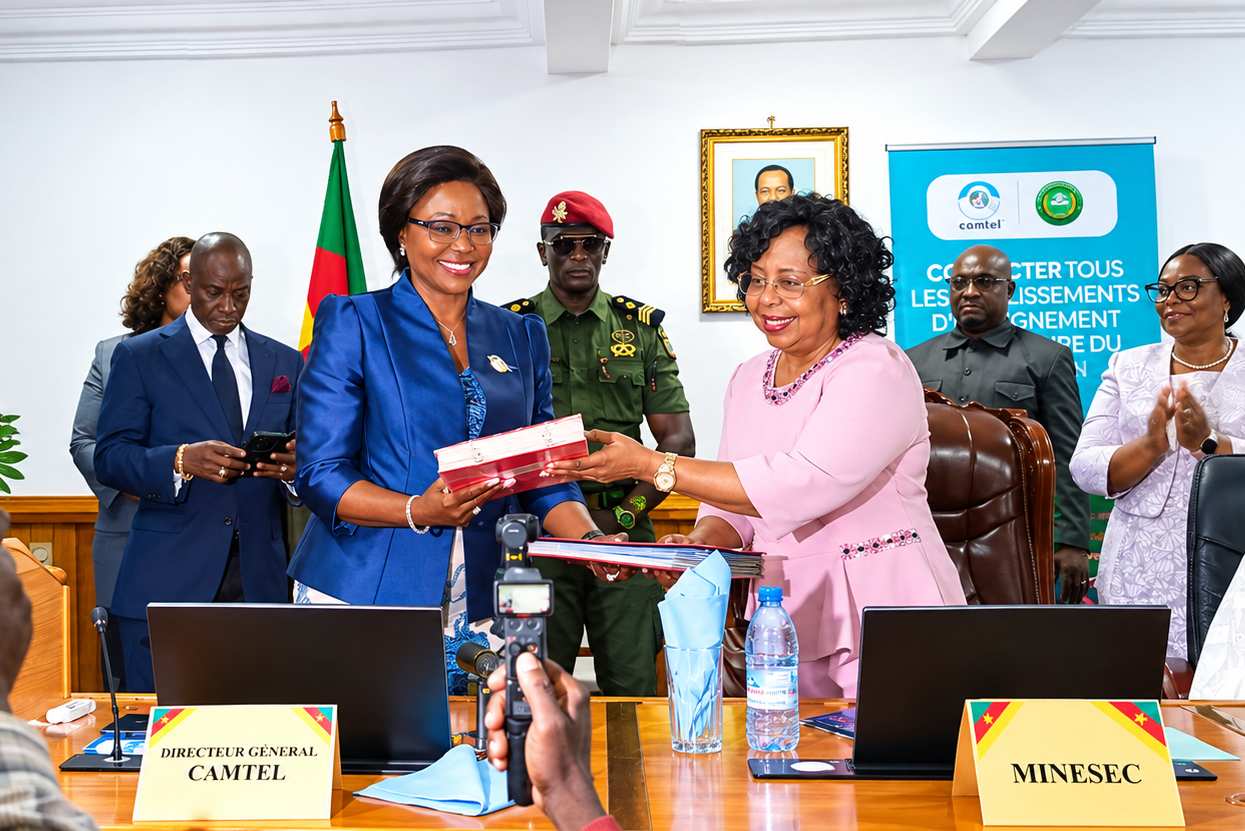
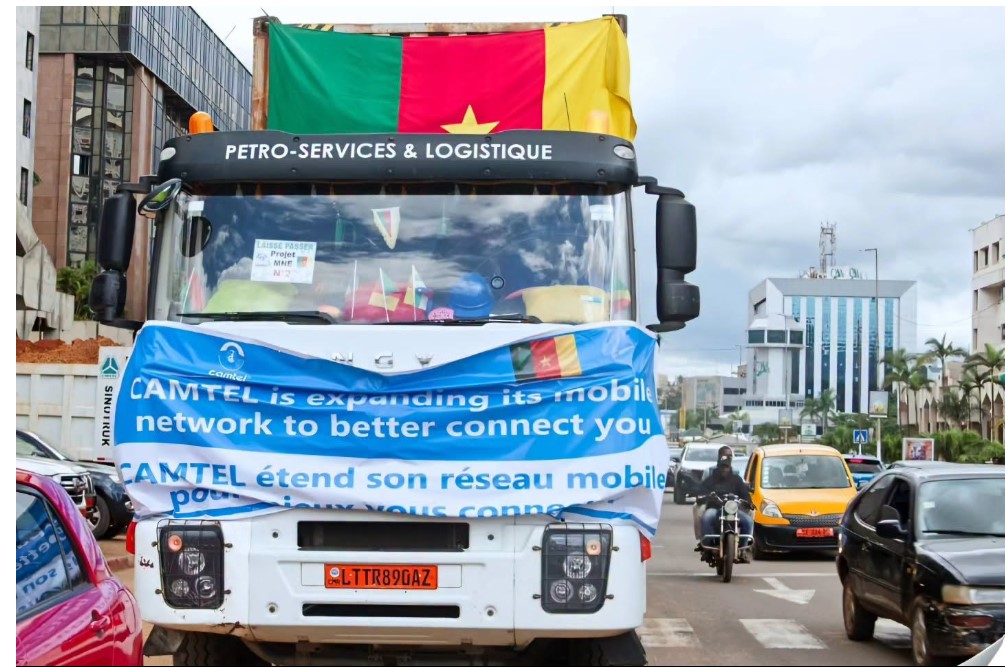
CAMTEL Denies Responsibility For Pope’s Speech Broadcast Interruption At Unity Palace

By Etienne Mainimo Mengnjo

Cameroon’s state-owned telecom provider has denied responsibility for a brief interruption in the live broadcast of Pope Leo XIV’s address at the Unity Palace in Yaoundé.


In a statement released Thursday, CAMTEL rejected accusations by state broadcaster Cameroon Radio Television (CRTV that the outage stemmed from a failure in the national fiber optic network. The company said no disruption or unavailability of its infrastructure occurred during the event.

CAMTEL said data from its field teams and network monitoring center showed no fiber optic cuts or malfunctions in its internet services at the time of the broadcast.

The telecom operator instead attributed the interruption to decisions made by CRTV. It said the broadcaster mainly used its own satellite transmission system for coverage at Nsimalen International Airport and along the pope’s route, relying on fiber optics only as a backup.

At the Unity Palace, CRTV employed a TVU transmission system that depends on mobile internet data from various local operators rather than CAMTEL’s national fiber backbone, the company said. The on-screen “TVU” label during the live feed indicated the primary signal did not travel through CAMTEL’s infrastructure, according to the statement.

CAMTEL noted that a real failure in its fiber optic network would have disrupted service for multiple users at once. Other broadcasters, including PRC TV, continued transmitting without interruption, it said.

While expressing regret over what it called a “premature public accusation,” CAMTEL reaffirmed its ability to deliver reliable services, saying it had deployed exceptional technical measures to ensure seamless connectivity during the papal visit.

The company said it remains ready to work with authorities on a joint technical audit to determine the exact cause of the disruption and “restore the truth of the facts.”

Oil Prices Offer Relief But Cloud Cameroon’s 2026 Outlook As IMF Urges Structural Reforms

By Etienne Mainimo Mengnjo

As the global economic landscape continues its turbulent dance, Cameroon, a pivotal economy within the Central African Economic and Monetary Community (CEMAC), finds itself at a critical juncture. The International Monetary Fund (IMF) in its April 2026 Regional Economic Outlook for Sub-Saharan Africa, titled “Hard-Won Gains Under Pressure,” paints a picture of a continent grappling with external shocks, a narrative that resonates deeply within Cameroon’s borders.

While Sub-Saharan Africa celebrated a robust 2025 with a regional growth of 4.5 percent, the ongoing conflict in the Middle East has cast a shadow, recalibrating growth projections and intensifying existing vulnerabilities across the region, including Cameroon.

Cameroon, classified as an oil exporter and a significant contributor to CEMAC’s GDP, is experiencing a nuanced impact from these global dynamics. The IMF’s report highlights that oil exporters generally benefit from elevated oil prices, leading to stronger export revenues

However, this advantage is tempered by exposure to volatility and procyclical policy risks. Recent news indicates that the CEMAC bloc, including Cameroon, is expected to see a moderated growth of 2.9 percent in 2026, partly due to the clouding effect of oil prices on the outlook. This suggests that while higher oil prices might offer some fiscal relief, the broader economic environment presents significant challenges.

The nation’s fiscal health remains a key area of focus. Preliminary estimates suggest a weakening of Cameroon’s fiscal position in 2025, with a non-oil primary deficit exceeding budget target. The IMF’s 2026 Article IV Consultation with Cameroon emphasized the delicate balance required between preserving sustainable fiscal policy and unlocking growth.

Government debt, while showing a slight decrease in 2025, is projected to remain a concern, necessitating prudent fiscal management. The IMF has consistently prescribed fiscal discipline for Cameroon, acknowledging its economic resilience while highlighting the need for continued reforms.

Inflation, a persistent challenge across Sub-Saharan Africa, is also a factor for Cameroon. While the regional median inflation is projected to pick up to 5.0 percent by the end of 2026, Cameroon’s consumer prices are estimated to be around 3.4 percent in 2025, with a slight increase to 3.5 percent in 2026.

This relatively contained inflation, compared to some regional counterparts, underscores the effectiveness of certain monetary policies but also points to the ongoing need for vigilance against external price shocks, particularly in food and energy.

The broader regional outlook, as detailed by the IMF, points to significant downside risks, including a prolonged Middle East conflict that could further escalate oil, fertilizer, and food prices, potentially triggering a risk-off episode and sharply raising borrowing costs.

For Cameroon, an oil-exporting nation, this could mean a double-edged sword: while oil revenues might increase, the broader economic instability and increased cost of imports could offset these gains.

Structural reforms are identified by the IMF as crucial for unlocking private sector-led growth across Sub-Saharan Africa, and Cameroon is no exception. The report emphasizes the need for reforms in governance, business regulation, and the external sector to foster a more dynamic and resilient economy.

While the document does not delve into specific Cameroonian reform initiatives, the general recommendations for the region—such as improving the business environment, strengthening institutions, and enhancing transparency—are highly pertinent to Cameroon’s long-term economic development.

The April 2026 IMF Regional Economic Outlook serves as a sobering reminder that economic stability in Sub-Saharan Africa is often at the mercy of factors far beyond its borders.

While the 2025 recovery proved that sound domestic policies can drive significant growth, the subsequent “war-induced shock” illustrates the region’s continued vulnerability to global supply chains and commodity volatility

The report ultimately frames 2026 as a year of defensive maneuvering, where the primary goal is to anchor inflation expectations and protect social spending while waiting for the global storm to pass

For Cameroon, the message is one of disciplined stewardship: using today’s oil windfalls not just to survive the current pressure, but to build the structural foundation for a future less dependent on the whims of the global oil market

NCC President Urges Media Excellence Ahead Of Papal Visit

By Brian Mboh

The President of the National Communication Council (NCC), Joseph Chebongkeng Kalabubsu, has emphasized the imperative need for media organizations to adhere strictly to ethical and professional standards during the upcoming coverage of Pope Leo XIV’s visit to Cameroon.

Joseph Chebongkeng Kalabubsu – National President of NCC

Speaking during a press conference in Yaoundé on Tuesday, April 14, the NCC Chairperson highlighted that the Holy Father’s presence in Yaoundé, Bamenda, and Douala transcends religious and diplomatic formalities, representing a moment of profound symbolic importance for the nation. He described the visit as a pivotal opportunity for communion, unity, and a collective renewal of hope for all citizens.

Addressing the current national climate, Joseph Chebongkeng noted that Cameroon is navigating a complex period marked by various challenges, most notably ongoing security crises. These circumstances, he argued, necessitate a constant and deliberate effort from all sectors of society to consolidate peace and strengthen social cohesion.

In this specific context, the arrival of the Holy Father serves as a much-needed call for national reconciliation and brotherly love, making the role of the press even more critical in shaping the public narrative.

Consequently, the NCC boss called on media practitioners to remain steadfast in their commitment to the ethical and professional frameworks governing journalism. He stressed the importance of responsible information handling as a direct contribution to the preservation of social stability. By prioritizing accuracy over speed, journalists can ensure that their reporting supports the peaceful atmosphere required for such a historic event.

The Council further urged the press to ensure that all media coverage is anchored in the foundational values of the profession. This includes maintaining rigorous standards in the gathering and dissemination of information, alongside a scrupulous respect for verified facts and credible sources. He demanded total rejection of sensationalism, manipulation, or exploitation, while charging the media to actively combat misinformation and hate speech in favor of promoting a unifying and civic discourse.


True Education Prioritizes Character Over Grades; The Nation’s Future Is Found In The Soul Of The Child – Rev. Dr. Pastor Dora Bongajum

Rev. Dr. Pastor Dora Lemnyuy Bongajum has asserted that true education must prioritize character over academic grades, arguing that a nation’s future is ultimately found in the soul of its children. Speaking in an exclusive interview with The Post following the publication of her new book, “Handbook for Transformative Education: A Character Development Manual for Schools,” Rev. Bongajum emphasized that schooling must go beyond traditional metrics. While her manual offers practical, step-by-step implementation plans and evaluation tools for school leaders, she maintains that the human element is the most vital component. During the conversation, she challenged educators and administrators to serve as living examples of integrity and accountability, fostering an environment where students don’t just study values, but naturally absorb them through observation and daily practice. Read the full excerpts below:

Rev. Dr. Pastor Dora Lemnyuy Bongajum

Excerpts:


What inspired you to write “Handbook for Transformative Education: A Character Development Manual for Schools”?

Rev. Dr. Pastor Dora Lemnyuy: My inspiration stems from a deep-seated vision of a society where integrity, compassion, and good governance are the norm rather than the exception. In witnessing global struggles with corruption, environmental decay, and a general disregard for human life, I felt a spiritual and professional calling to act. I often return to the wisdom of Proverbs 22:6, which highlights the lifelong impact of training a child in the right way. As an advocate for change, I realized that while many desire a better world, schools often lack a guided, practical approach to nurturing the soul of a student. This handbook serves as a response to that void, offering a roadmap for schools and communities to raise morally and spiritually upright individuals. I am grateful that this manual is now available globally on Amazon to support that mission.


In simple terms, what does “transformative education” mean, and why is it so urgent for schools today?

At its heart, transformative education is a process of making meaningful sense of our experiences to create positive change. It is not just about memorizing facts; it is about an enhanced awareness of our beliefs and a willingness to critique our own assumptions. It encourages students to look at alternative perspectives, let go of old, unhelpful habits, and adopt new ways of thinking that benefit the broader community. In the context of this handbook, it means empowering students to become active, empathetic citizens rather than passive learners. We need this right now because the world is changing rapidly, and students need more than just technical skills—they need the character to navigate complex ethical landscapes and drive social progress.


As a practical guide, what specific tools and activities will educators find within the book?

The handbook is designed to be a functional resource filled with actionable content. Teachers will find character development modules that include lesson plans on honesty and respect, alongside spiritual exercises focused on mindfulness and gratitude. We also dive into the attributes of good governance, such as accountability and leadership. Beyond the classroom, the book provides guidance on establishing school chaplaincy and pastoral care, including techniques for trauma healing.

We also emphasize environmental stewardship through sustainability projects and social responsibility via restorative justice practices. To make these concepts come alive, I have included role-playing exercises for conflict resolution, service-learning projects like community clean-ups, and reflective journaling. Finally, the book offers step-by-step implementation plans and evaluation tools to help school leaders measure the impact of these programs.


How has your diverse background as a pastor, chaplain, and academic shaped the ideas in this manual?

My journey has been a blend of faith, practice, and research. As a pastor, I am able to integrate spiritual values into the educational framework, while my time as a school and hospital chaplain helped me identify the specific gaps in pastoral care that this manual seeks to fill. My PhD in Educational Foundations and Administration allowed me to ground these ideas in technical teaching strategies and research-based best practices. Furthermore, my theological background provides a unique lens on human nature, blending general ethics with African morality and spirituality. I believe experience is the best teacher, and my personal journey makes this manual both authentic and relatable for those on the front lines of education.


Many schools prioritize academic grades above all else. How does your book help them find a balance?

The manual demonstrates that academic success and character development are not in competition; they go hand-in-hand. We provide strategies to integrate character building into the existing curricula so it doesn’t feel like an “extra” burden. By highlighting how emotional intelligence and moral stability actually enhance a student’s ability to learn, we encourage schools to prioritize holistic growth. Significantly, the book also focuses on teacher development. An educator cannot give what they do not have. We challenge teachers and leaders to be living examples of integrity and accountability, creating an environment where students naturally absorb these values through observation and practice.

This is your third book. How does it differ from your previous work, and who is the intended audience?

While my previous books explored social transformation, personnel development at the seminary level, and the “three pillars” of a better community, this handbook is the culmination of those ideas specifically tailored for the educational system. It is meant for anyone invested in the next generation. This includes teachers and school administrators looking for a more holistic approach, but it is equally valuable for parents who want to support their child’s growth at home. It is also a vital resource for school chaplains, youth mentors, and even religious leaders in seminaries or mosques who are passionate about fostering positive values in young people.


As a mother and community leader, how do you see the relationship between families, communities, and schools?

Schools cannot do this work in isolation. Families and communities are the primary partners in transformative education. When parents model respect and responsibility at home, they reinforce the lessons taught in the classroom. Communities then provide the real-world stage where these values are practiced, whether through cultural events or service projects. Together, these three pillars create a supportive ecosystem. This collaboration helps students see that their education is relevant to real life, ultimately building a stronger and more cohesive society.


What is your greatest hope for the impact of this handbook over the next five years?

My hope is to see a fundamental shift in how we define a “successful” student. In Cameroon, for example, many students earn high marks in Religious Studies as an academic subject, yet we still see challenges with morality and the misuse of social media. I want to see this manual adopted as a standard text across all levels of education to combat issues like poor waste management and social decay. I have done my part by creating this resource, and now I invite everyone who longs for a better world to join me in putting these materials into practice. In five years, I envision schools producing well-rounded individuals who excel in their exams but, more importantly, excel in their humanity.

Interviewed by Etienne Mainimo Mengnjo

Former Senate President Marcel Niat Njifenji Dies At 91

By Etienne Mainimo Mengnjo

Senator Marcel Niat Njifenji, 91, the first president of Cameroon’s Senate has died. His death was announced on April 11 in a hospital in Yaounde just weeks after he was officially relieved of his duties as the President of the Upper House of Parliament 

Senator Marcel Niat Njifenji, then President of the Senate, during the 2023 National Day Celebration on 20 May at the 20th May Boulevard in Yaoundé. Celebrations were chaired by President Paul Biya. (Photo Credit: Mainimo Etienne)

Senate President Aboubakary Abdoulaye, the Lamido of Rey Bouba who succeeded Mr. Njifenji on March 17, 2026, issued a formal statement confirming the death.

“It is with deep regret that I announce the passing of Marcel Niat Njifenji, former President of the Senate, this Saturday, April 11, 2026, in Yaoundé,” read the announcement from Mr. Abdoulaye’s office. “On behalf of the members of the Bureau, the staff of the Senate, and on my own behalf, I extend my sincere condolences to the biological family and the entire political family, and assure them of my compassion in this painful trial.”

Born in 1934 in Bangangté, in the West Region,  Senator Njifenji was a product of France’s prestigious École Supérieure d’Électricité (Supélec), graduating in 1960—the same year French Cameroon gained independence. Returning home as an engineer of roads and bridges, he was immediately thrust into the task of nation-building.

While his later career was political, his foundational legacy is physical. For nearly three decades, including a long tenure as Director-General of the National Electricity Company (SONEL), Senator Njifenji was the state’s primary energy fixer.

He oversaw the expansion of the Edéa power complex and drove the construction of the Song Loulou hydroelectric dam, projects that provided the kilowatts for Cameroon’s aluminum smelting industry

Colleagues spoke of his “obsession with redundancy,” insisting infrastructure handle double the projected load. That engineering foresight proved vital during the rapid urbanization of the 1990s.

Senator Njifenji’s transition to full-time politics came during the turbulent early 1990s. He served as Minister of Planning and Territorial Administration before being appointed Deputy Prime Minister in charge of Mines, Water, and Energy. But it was the creation of the Senate in 2013 that defined his final act. Appointed as a senator by President Paul Biya, he was elected the chamber’s first president at the age of 79.

For thirteen years, until his health visibly declined, Senator Njifenji served as the “silent guarantor” of state continuity—managing the house not with flamboyant rhetoric, but with the steady, administrative hand of the engineer he never stopped being .

In his home region of Ndé, he was also a patriarch and long-time mayor of Bangangté, known for funding local schools and clinics. Burial arrangements are expected to be announced by the Senate in the coming days

Shey Kuotieh Eric Enthroned As Fai/Nkfem Kountih In Mbesa Tradition

By Etienne Mainimo Mengnjo

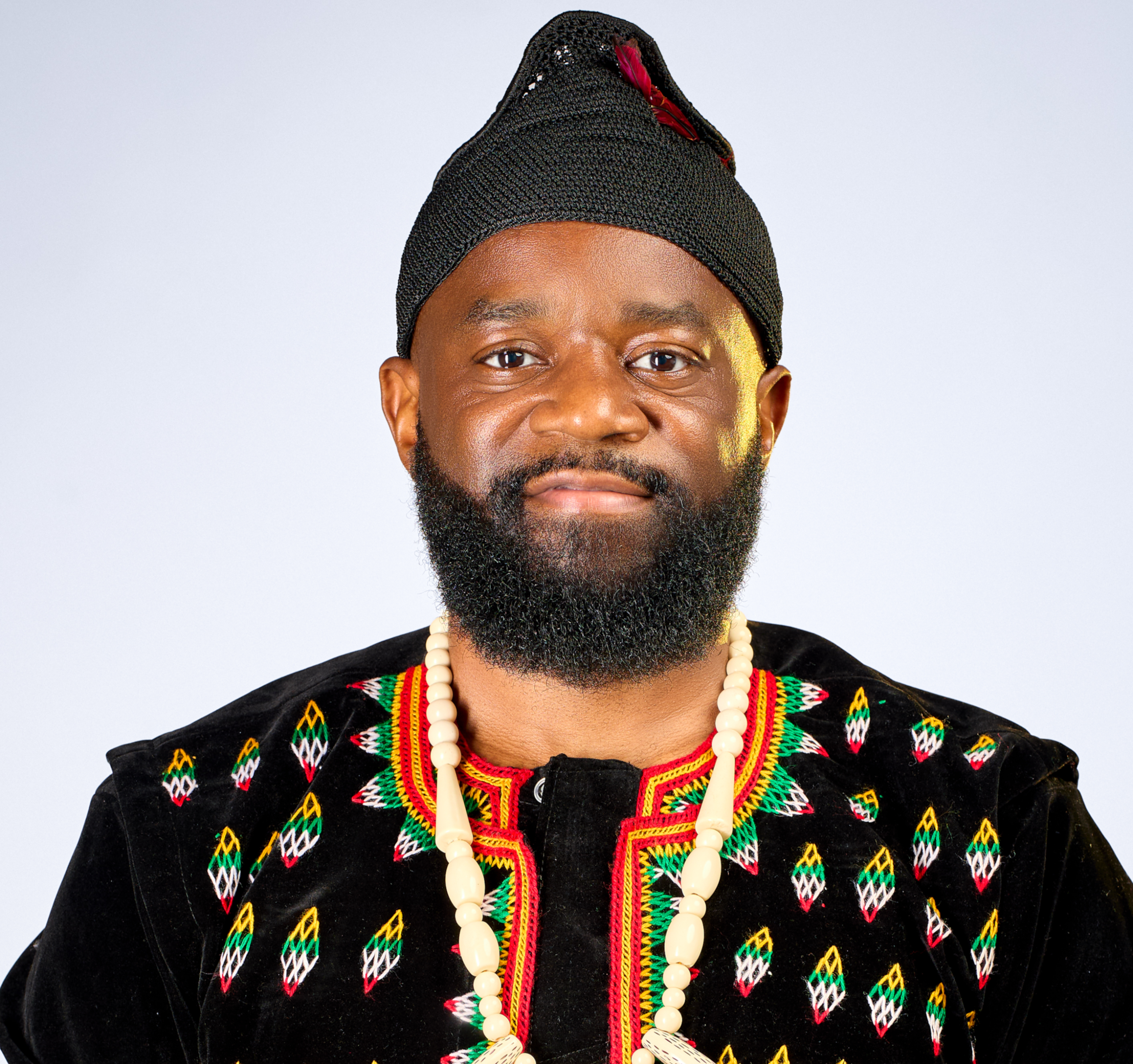
In a ceremony steeped in the rich cultural heritage and ancestral rites of the Mbesa people, Shey Kuotieh Eric has been enthroned as Fai Nkfem Kountih.  His enthronement took place on April 8, 2026 in Yaoundé.

Fai Nkfem Kountih

The transition of power was sanctioned by the highest traditional authorities of the Mbesa Fondom, including the Kwifon and His Royal Highness, Fon Gilbert Njong, the Fon of Mbesa.

This elevation represents a significant milestone for the Itinikum compound and the broader village community, as the new Fai assumes his role as a primary traditional leader.

The enthronement marks a profound shift in the social and spiritual standing of the new Mbesa leader.

Moving forward, the title of “Shey” has been superseded by his new status, which carries rigorous traditional protocols.

According to closed sources, community members are now expected to observe the sacred customs associated with the office of Fai.

This includes the cessation of common handshakes; instead, individuals must bow and offer the formal salutation of “Njii” to acknowledge his authority.

Only after this respectful greeting is performed may the community partake in the symbolic act of drinking from his cup, a gesture representing shared peace and communal blessings.

The event was attended by a distinguished assembly of traditional and administrative figures, highlighting the prestige of the appointment. Among those present to witness the rites were high-ranking authorities from the Kwifon Mbesa and representatives from Ntum Ntock a Mbesa Yaoundé.

The presence of the Ntock a Mbesa Yaoundé leadership and the wider Mbesa community residing in the capital further underscored the unity and support behind the new Fai.

This installation ensures the continued preservation of Mbesa customs and the strengthening of the Fondom’s leadership hierarchy for future generations.

It is worth noting that the Mbesa Compound traces its origin to Nkar in Nso Land. Tfekenu was the individual who departed from Nkar, passing through Djottin and several other places, before finally settling in Mbesa.

Cameroon Red Cross, FECAFOOT Seal Partnership To Protect Footballers

By Etienne Mainimo Mengnjo

The Cameroon Red Cross (CRC) and the Cameroon Football Federation (FECAFOOT) have formalized a landmark partnership aimed at enhancing the protection and safety of athletes during competitive matches.

Cécile Akame Mfoumou, and Samuel Eto’o Fils, exchanging MoUs      (Photo Edit: Mainimo Etienne)    

The official agreement was signed on April 8 in Yaoundé. Cécile Akame Mfoumou, President of the CRC, represented her institution, while Samuel Eto’o Fils, President of FECAFOOT, signed on behalf of the federation.

According to sources, the collaboration marks a significant step forward in ensuring that football players across the nation have access to professional medical and humanitarian support on the field.

During the ceremony, Cécile Akame Mfoumou stated that the agreement represents a profound commitment between the two organizations to safeguard footballers during their various sporting engagements. She highlighted that the partnership would streamline the operations of volunteers and introduce specialized care beyond traditional expectations.

Samuel Eto’o Fils, President of FECAFOOT signing the partnership agreement  (Photo Edit: Mainimo Etienne)    

“I would also like to say that this agreement will allow us to better organise ourselves in the exercise of the activities of the volunteers on the different stages. We will better organise ourselves. In addition to the classic first aid that will be administered, there will also be psychological first aid,” she explained.

The President of the CRC further stated that, true to its commitment, the Cameroonian Red Cross intends to respond to all requests from FECAFOOT under this agreement. It will make available its tools, instruments and resources to support the development of football, while strictly respecting the Fundamental Principles of the CRC. Cécile Mfoumou noted that there will be kinesiotherapy services available, ensuring that athletes are well-attended to by experts.

Cécile Akame Mfoumou, President of the CRC signing the partnership agreement (Photo Edit: Mainimo Etienne)   

“By choosing us, you are selecting a leading partner, reliable and resolutely committed to serving life,” she stated. Cécile Mfoumou also took the opportunity to call upon other organizational leaders to follow the precedent set by FECAFOOT, urging them to trust the Red Cross for health coverage, disaster preparedness, and first aid training.

In his response, Samuel Eto’o Fils praised the partnership as the fulfillment of a long-standing promise to prioritize the welfare of players. He expressed his satisfaction with the collaboration, describing it as a successful milestone for FECAFOOT administration.

Cross section of officials during the signing ceremony    (Photo Edit: Mainimo Etienne)

“Today, we have scored another beautiful goal,” he said. “This marriage with the Cameroon Red Cross, whose reputation and references are well established, needs no further proof.”

He continued, “I think that for our young sisters and brothers, who may have doubts or a little fear of playing football, they will know that in our 10 regions, 58 departments, they will be covered to better practice football.”

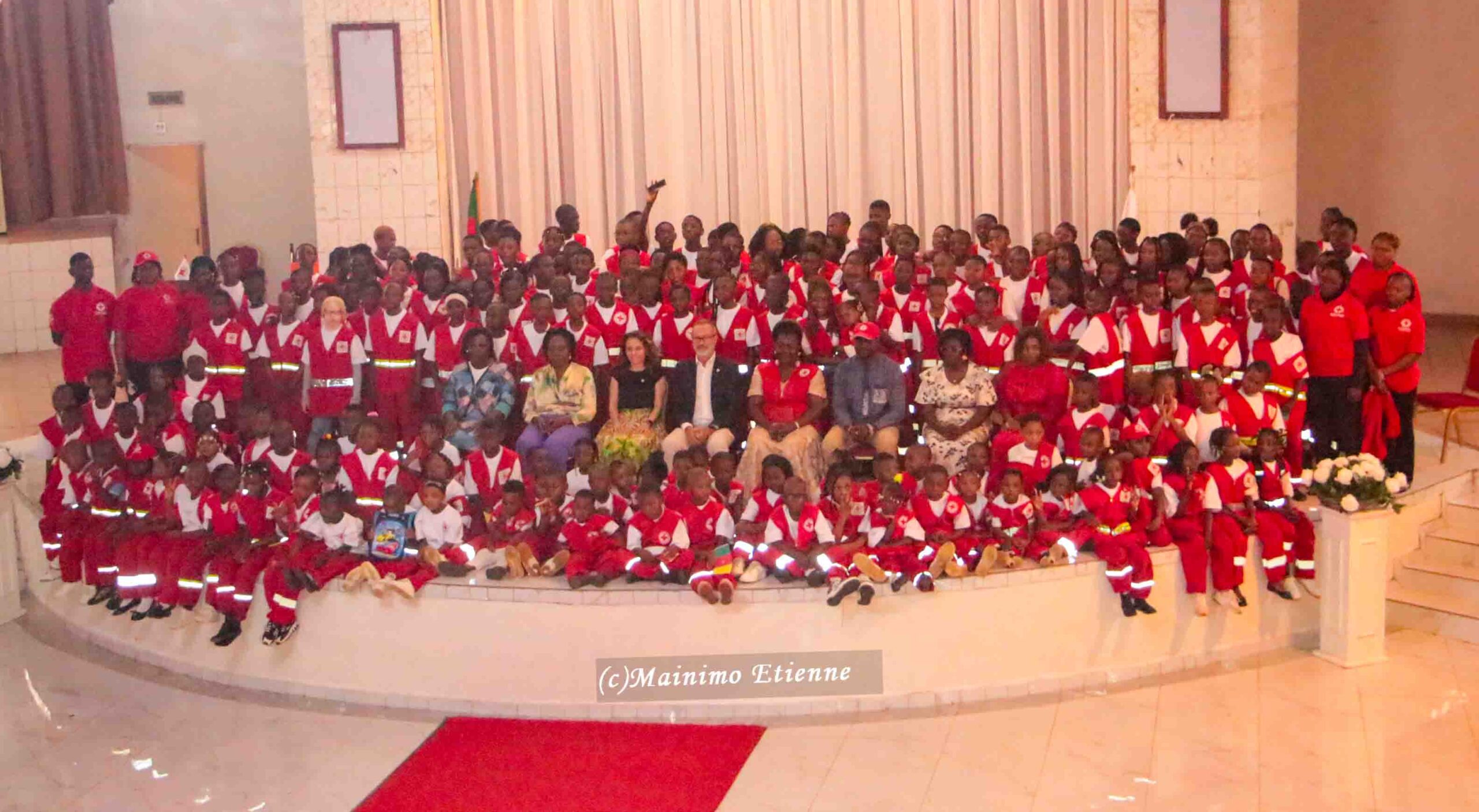
Officials pose for a family photo following the signing of the agreement (Photo Edit: Mainimo Etienne)

Liquid C2 Opens Africa’s First Google Cloud-Powered Partner Experience Centre

By Etienne Mainimo Mengnjo

Liquid C2, a business of Cassava Technologies, has opened Africa’s first Partner Experience Centre powered by Google Cloud in Johannesburg, South Africa aiming to boost cloud and artificial intelligence adoption across the continent by giving partners and resellers hands-on access to advanced technologies.

Liquid C2 launches Africa’s first Google Cloud-powered Experience Centre to accelerate Artificial Intelligence (AI) adoption (Source: Liquid Intelligent Technologies)

The state-of-the-art facility shifts partners beyond traditional distribution roles, offering an immersive environment to design and deploy cloud and AI solutions tailored to African needs. Partners will follow a structured path to earn official Google Cloud accreditations and certifications, with training from both Liquid C2 and Google experts.

“At Cassava Technologies, we believe the future of Africa’s digital transformation will be shaped through strong ecosystems that combine global innovation with local infrastructure and expertise,” said Ziaad Suleman, Senior Vice President, Cassava Technologies and CEO, South Africa & Botswana. “The Partner Experience Centre powered by Google Cloud creates a practical environment where organisations can explore, test, and scale solutions that deliver real business value. By combining our infrastructure, expertise, and continental reach with Google Cloud’s advanced technologies, we are helping to democratise access to AI and cloud capabilities for enterprises across Africa.”

Tara Brady, president of Google Cloud for Europe, the Middle East and Africa, described the launch as a key step in the company’s support for Africa’s digital growth.

“This is a pivotal moment in our commitment to Africa’s digital future,” Brady said. “The Partner Experience Centre is a testament to our belief in the power of a strong partner ecosystem. By combining our advanced AI capabilities, including our Gemini models, with Liquid C2’s localised expertise, we are not just building a facility; we are building a hub for innovation that will empower businesses, create jobs, and deliver the benefits of digital transformation to every corner of the continent.”

The centre also functions as a collaborative space where partners work with specialist engineers to create custom solutions, which Liquid C2’s distribution network then brings to market. Company officials said the initiative opens fresh business opportunities while spurring high-value job creation and strengthening Africa’s tech ecosystem.

Partners and resellers gain direct access to enterprise-grade tools, including Gemini Enterprise and the Gemini Playspace for quick AI experimentation. Specialist support helps them prototype, test and scale digital solutions in realistic settings. The facility underscores Liquid C2’s push to help partners navigate infrastructure limits, skills shortages and other hurdles that have slowed digital progress in many African markets.

As demand for sophisticated digital tools rises, the centre is positioned as an innovation hub. Enterprises, startups, academic institutions, developers and public-sector groups can collaborate there on solutions relevant to local conditions, building a shared sense of advancement across the continent.

The facility features industry-specific platforms for sectors such as financial services, healthcare and retail. These demonstrate how AI-driven tools can lower operational risks, boost efficiency, strengthen customer ties and reveal new growth paths in African markets.

The effort centers on three main areas: speeding up partner training through a dedicated proof-of-concept hub that tackles past market obstacles with localized sessions, direct technology interaction and business assistance, including local-currency billing and credit options. It also emphasizes AI innovation, with a Gemini Playspace and AI Solutions area for certifying staff and Solutions Pods where partners can showcase full technology setups to compete for major contracts. Finally, it targets economic expansion and employment by expanding the partner base, developing local skills and generating opportunities for certified engineers and other technology professionals.

Liquid C2 has long focused on delivering leading digital technologies to African businesses, both directly and via partners. Officials said the new centre marks another step in leveraging the company’s broad reach to support more organizations.

Cassava Technologies continues broadening digital access through its mix of connectivity, cloud, cybersecurity and other solutions. The goal is to ensure companies of all sizes and in every sector can tap advanced tools and take part more fully in Africa’s growing digital economy.

Minister René Sadi Assures Gov’t Readiness Ahead of Pope Leo XIV Visit

By Brian Mboh

The government of Cameroon , through the Minister of Communication, has express the nation’s readiness ,ahead of Pope Leo XIV First-ever visit to Cameroon. Speaking on March,8, 2026,at a press briefing, in Yaoundé, the government spokespersons said one week ,to the Holy Pontiff arrival, Cameroon is seeking to reassure the public about the country’s readiness.

Minister of Communication speaking during the press briefing

Minister René Emmanuel Sadi sought to reassure everyone: “I can assure you that everything is ready for this visit to take place under favourable conditions.” This statement demonstrates the mobilization of the Cameroonian authorities in the build-up to this major event.

He affirmed that all necessary arrangements had been made to guarantee the smooth holding of this apostolic visit, the first of the Holy Pontiff to the African continent since his accession to the papacy on May 8, 2025.

In his statement, the government spokesperson highlighted the bilateral ties between Cameroon and the Holy See. He emphasized that the Holy See is “the leading private partner of the State of Cameroon,” thus illustrating the depth and strength of this cooperation.

“Cooperation between Cameroon and the Holy See is fruitful. Few countries in the world have been honored with papal visits in such a short time,” he said, while emphasizing the major role played by the Catholic Church in the country’s development.

This contribution is particularly evident in the education and health sectors. Through a vast network of schools, the Catholic Church has educated many generations of Cameroonian leaders. It is also present in the healthcare sector with hospital infrastructure of various categories, as well as in social action, notably through orphanages and support structures for vulnerable people.

The government places this cooperation within the dynamic initiated by the Head of State, Paul Biya, aimed at strengthening partnerships in the service of national development.