By Etienne Mainimo Mengnjo
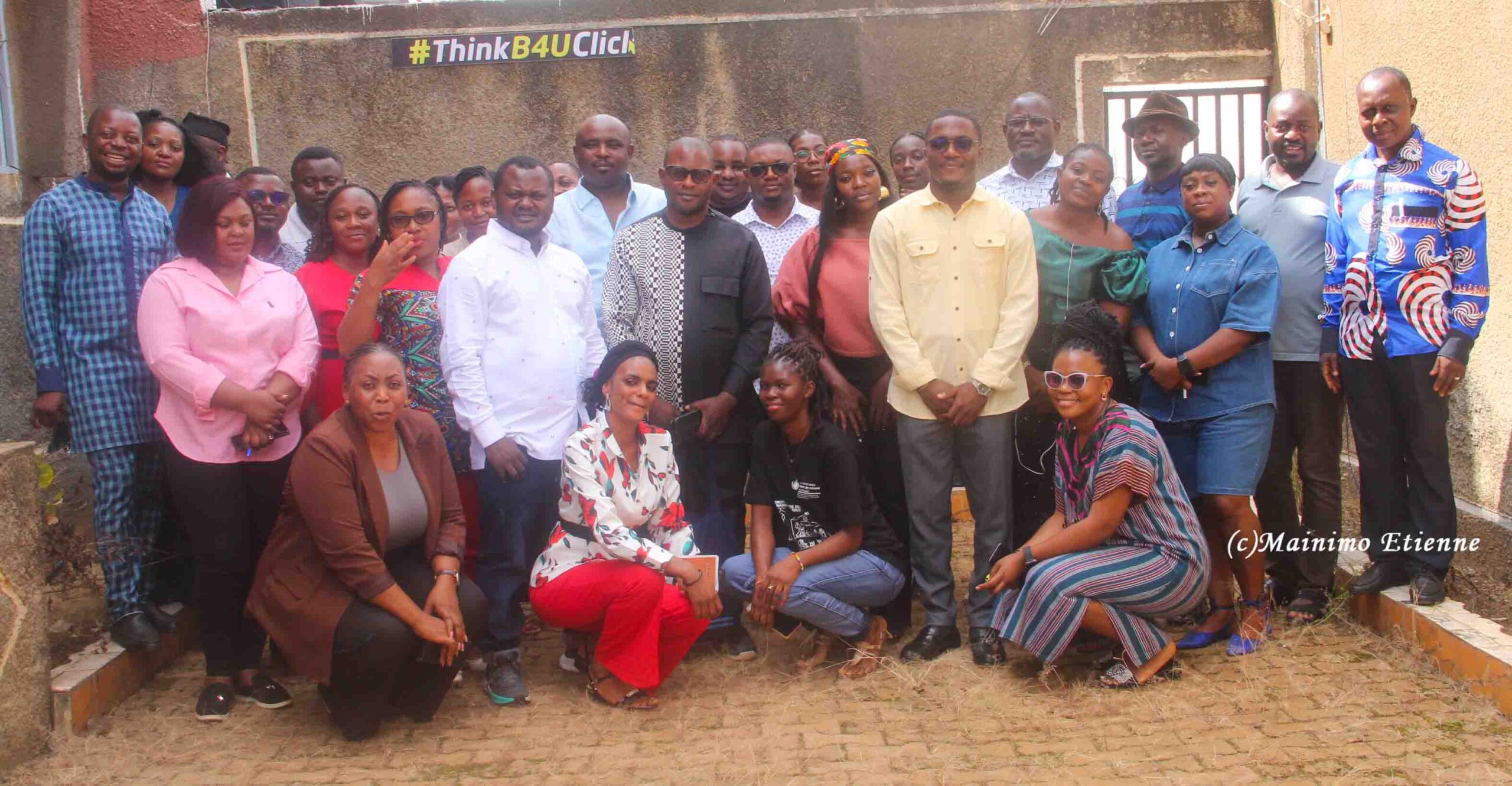
Journalists from the Cameroon Association of English-speaking Journalists (CAMASEJ) Yaoundé Chapter have undergone training to enhance their reporting skills in the evolving digital media landscape. Organized in commemoration of World Press Freedom Day (WPFD) 2026, the one-day workshop took place on May 9 in Yaoundé. The empowerment session was hosted in partnership with UNESCO, Civic Watch, and the Camer Today News Project.
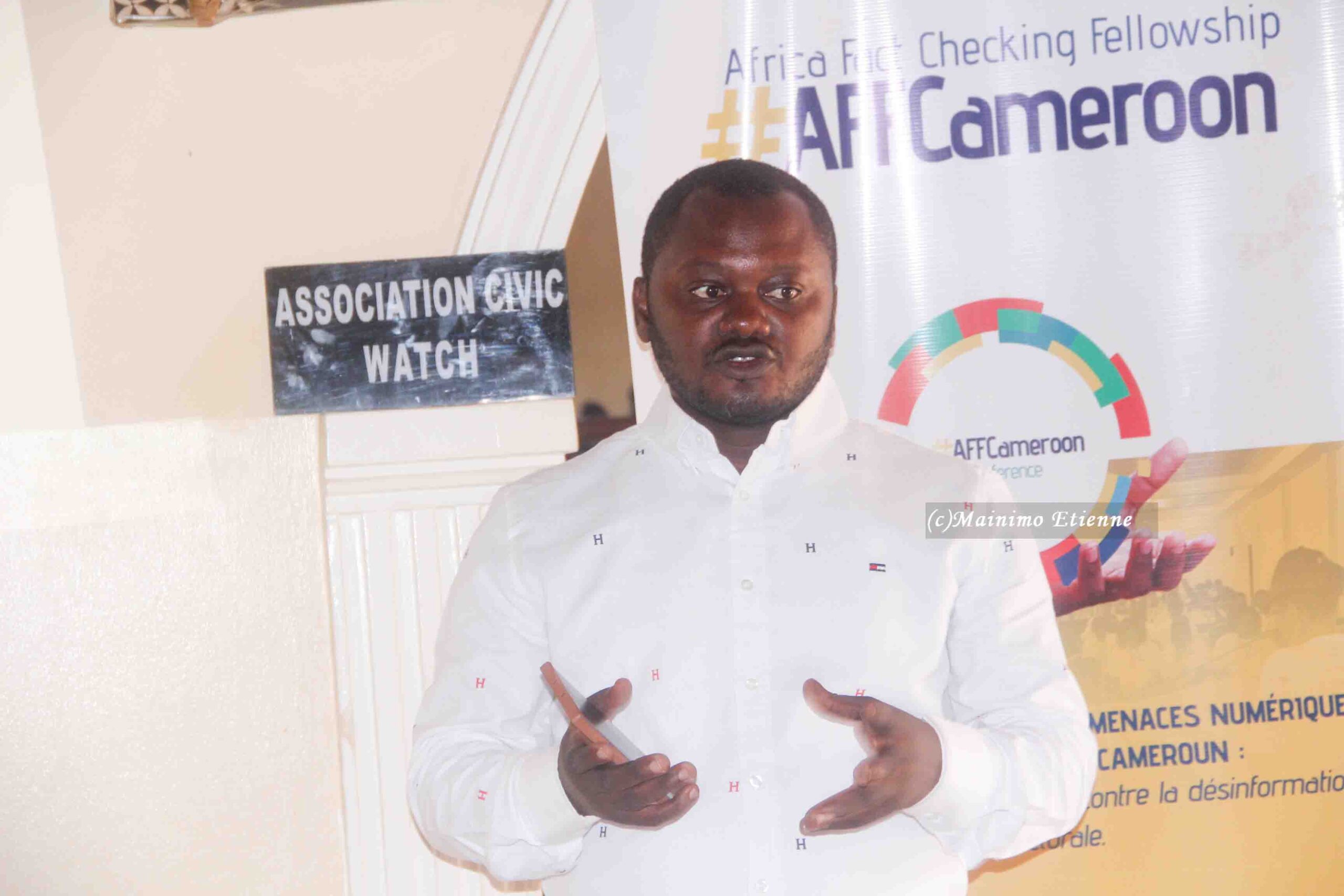
The workshop focused on a variety of themes including digital journalism, content creation, and Artificial Intelligence (AI). Facilitators and participants shared personal experiences while recommending best practices to promote ethical and solutions-oriented journalism across the country.
Providing an overview of the current media ecosystem, Francis Ajumane noted that citizen journalism is heavily influenced by surrounding socio-political events. He explained that in Cameroon, the practice gained significant ground following the Anglophone Crisis in the North West and South West Regions, as well as the Boko Haram insurgency in the Far North Region.
“We are not here to fight citizen journalism. We are feeding off from them and they are feeding off from us. Organization works with bloggers and citizen journalists. Newsrooms must integrate,” Ajumane said. He added that professionals must find ways to limit the potential demerits of the trend as much as possible.
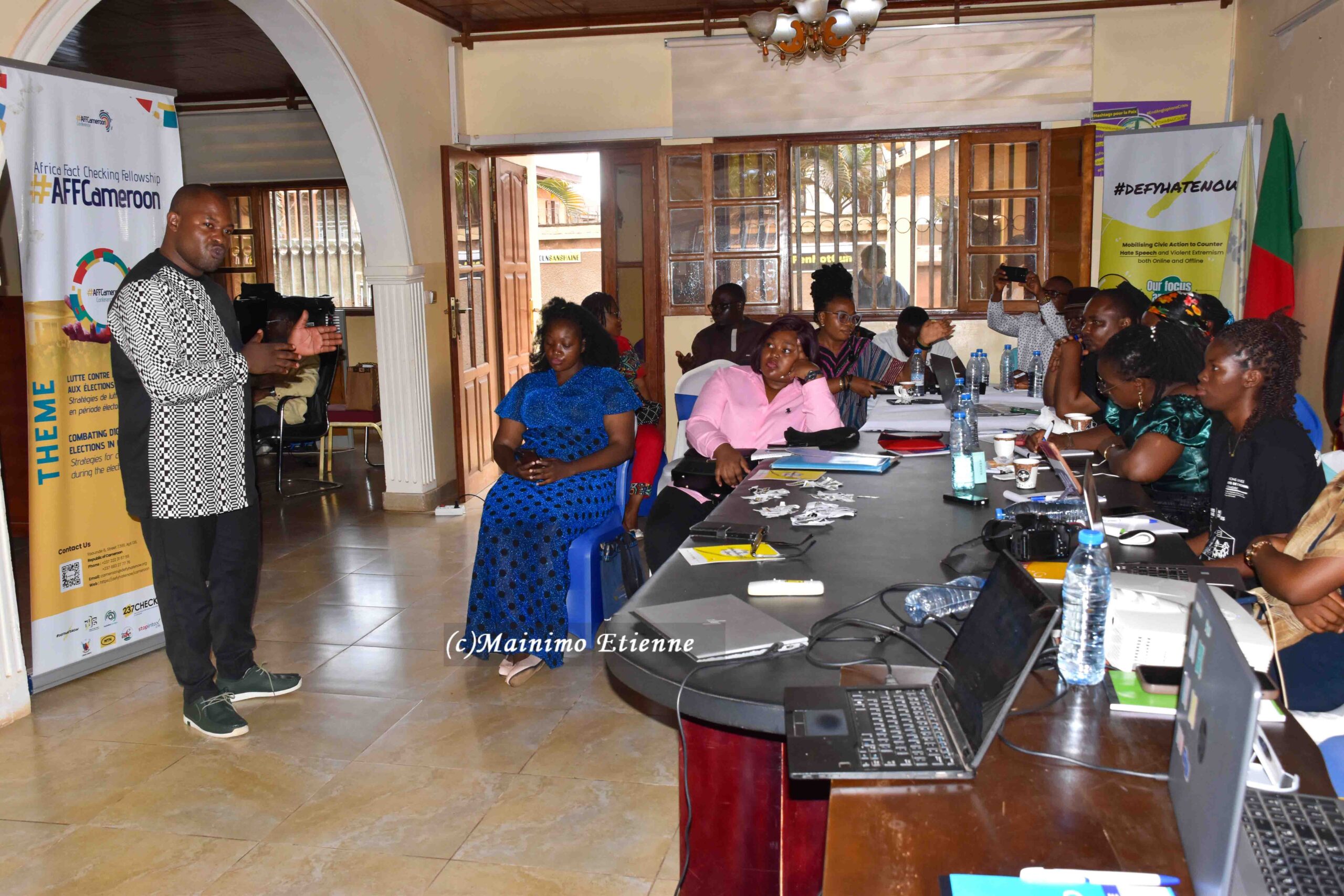
Addressing the future of the industry, Ajumane recommended that newsrooms should embrace digital platforms and diversify their revenue streams. He also stresssed that AI must become a staple in modern newsrooms. “If you embrace it, you will see the gains,” Ajumane said. “We are bound to embrace the digital media or else the narrative will be controlled by untrained journalists.”
Axel Rod Elobo, who spoke on content creation, suggested that journalism no longer holds the same traditional value because global realities have shifted. He noted that traditional media consumption is declining and urged journalists to fill the digital gap quickly or risk being left behind. While he encouraged journalists to embrace digital tools regardless of their beat, he warned that there is a distinct difference between a content creator and an influencer.
Elobo also reminded journalists that every social media platform operates with a unique algorithm and communication style. “Journalists must know how to use it and respect the ethics governing them,” he stressed.
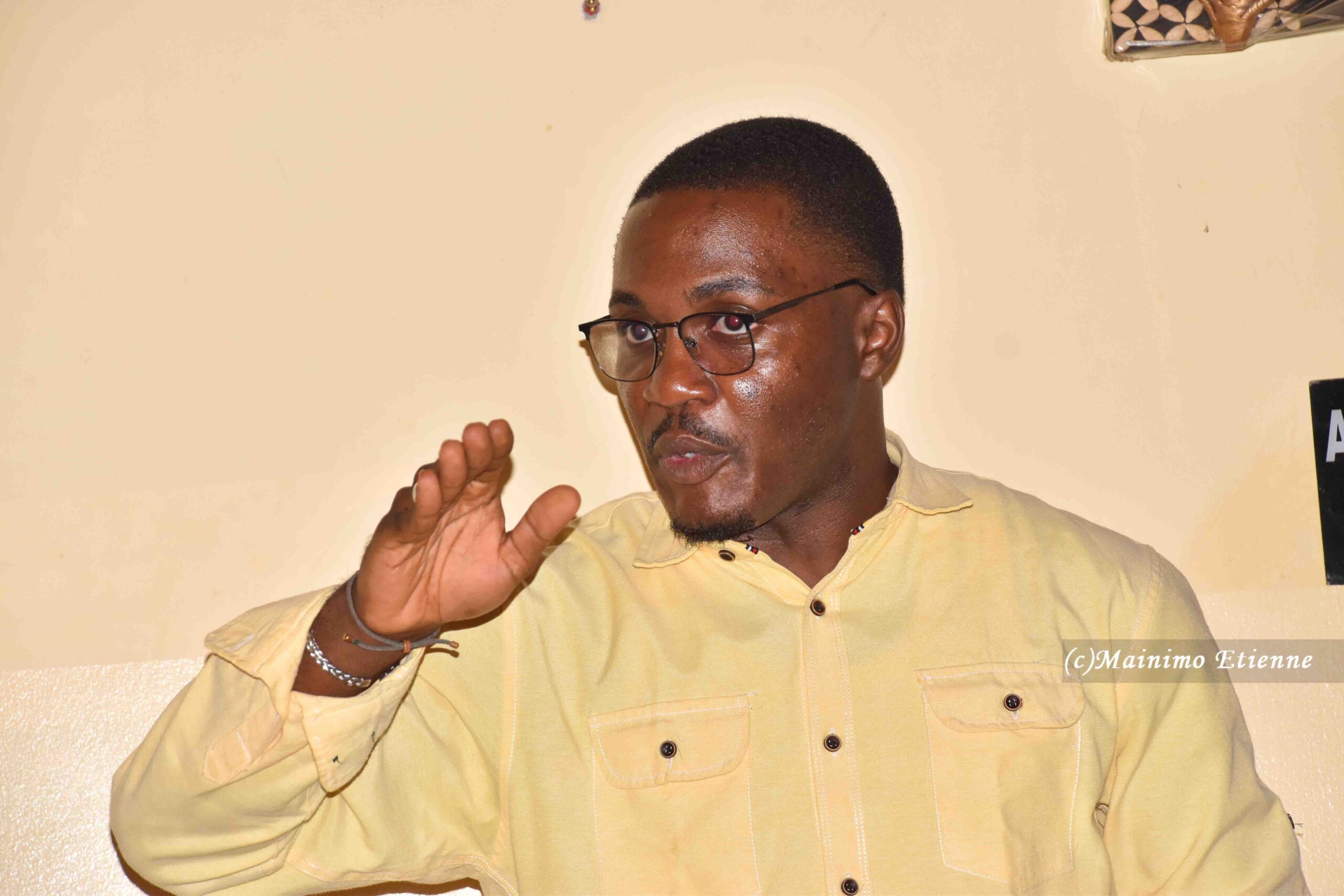
Dr. Herve Tiwa, discussing the relationship between AI and journalism, said that while technology cannot be stopped, the way journalists utilize it remains critical. He insisted that AI cannot replace journalists, but argued that a professional must know how to use the technology to remain effective.
“AI assist journalists and not here to replace journalists. If you allow yourself to be replaced you are not a journalist. Do not abandon your profession to AI,” Tiwa said. He explained that using the tools effectively requires specific skills. “If you do not know how to use AI, you will get the wrong response from AI. You have to give AI a role, a context, the format, structure, the tone, the style of writing, and the length.”
Tiwa recommended that journalists view AI-generated content with skepticism rather than as the “gospel truth,” noting that fact-checking remains a human responsibility. “Always verify with at least two sources. Take out time to verify information. Never share confidential information with AI. Do not publish without reading. It is obligatory,” Tiwa warned.
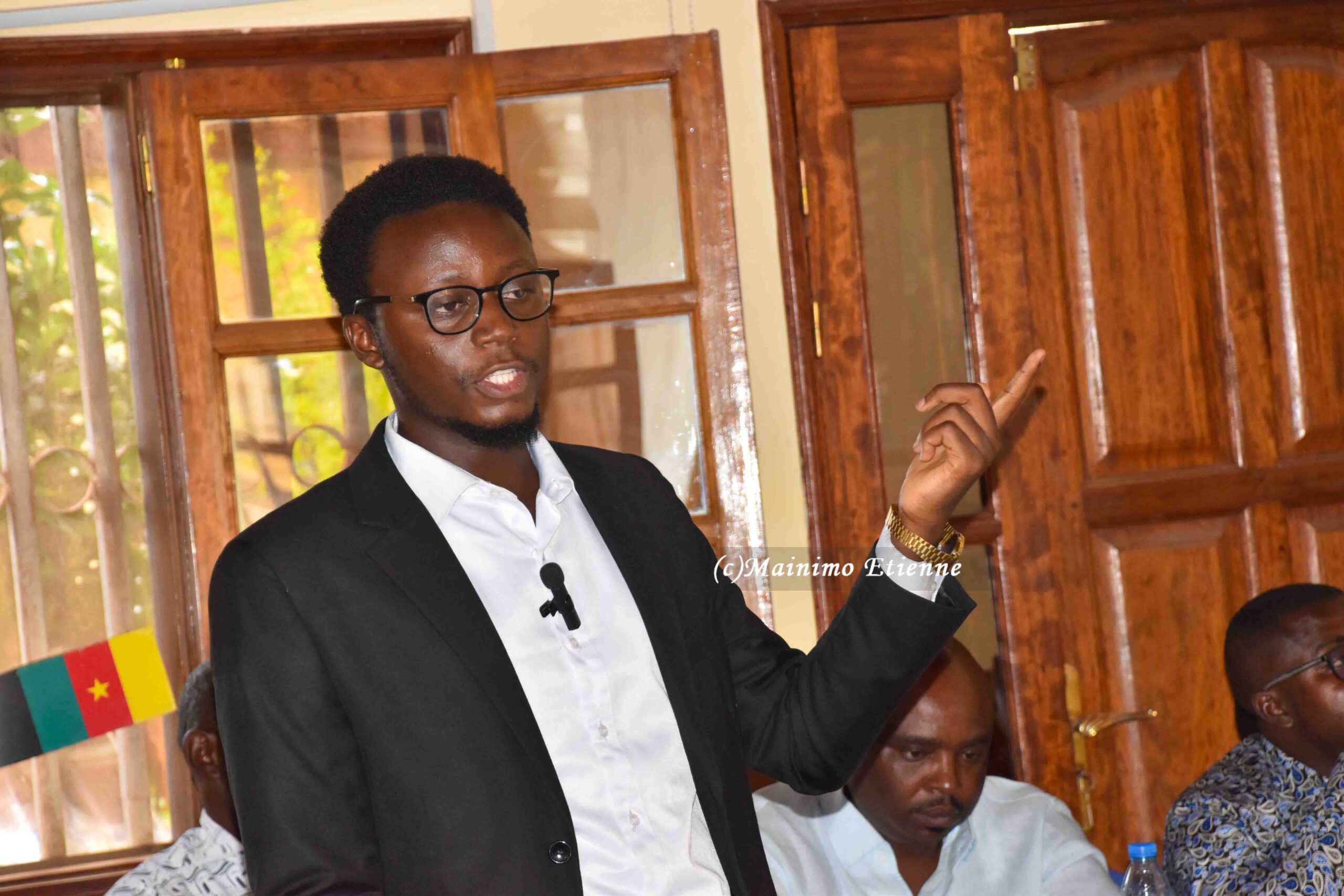
Expert Giyo Ndzi exploring the intersection of technology and journalism, explained that the digital shift in Cameroon is permanent. “As a good journalist, you do not need to be on all of these platforms, but you have to know how it works,” he said.
Ndzi also touched on digital safety, noting that journalists today face frequent harassment, hacking, and disinformation campaigns. “You have to know about these and protect yourself. You have to understand how to keep safe as a journalist,” Ndzi said, urging reporters to create personal security systems for their digital presence.
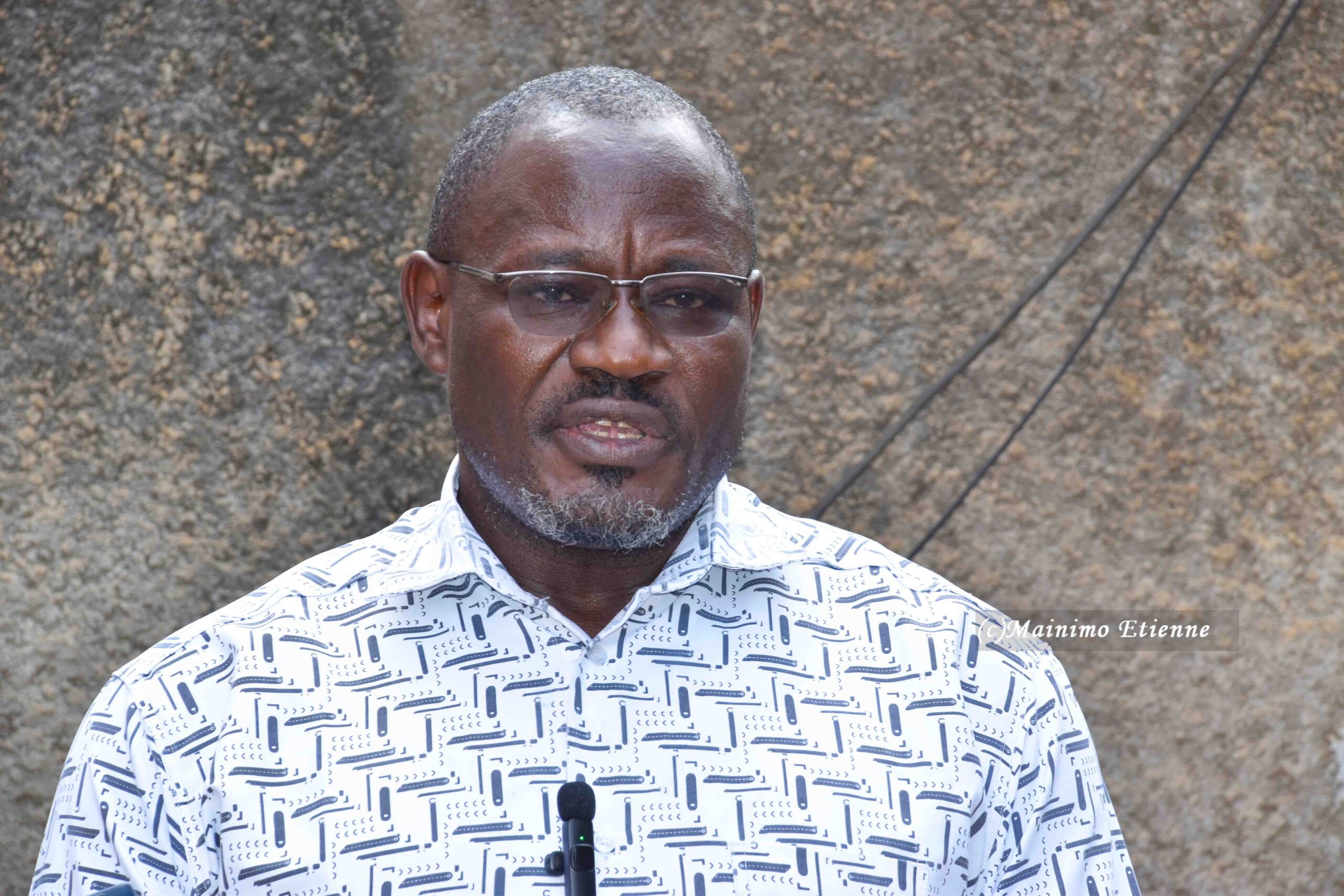
Additionally, Laure Nganley from Civic Watch trained participants on distinguishing fact from fiction through an introduction to fact-checking techniques.
Hugues Ndih, from the UNESCO Regional Office for Central Africa, said the organization supported the workshop because its focus on digital content production aligns with the global theme of World Press Freedom Day: “Forging a Future at Peace.”
“AI today is one of those tools used in producing content, although they are not all ethically produced, but it’s a tool that is good for journalism and ethical issues have to be studied to bring in some responsibility to journalism. So our interest is simply assisting the Cameroonian journalists in promoting not only the independent press, but as well producing responsible, ethical and professional contents. And that’s why we’re here,” Ndih said.
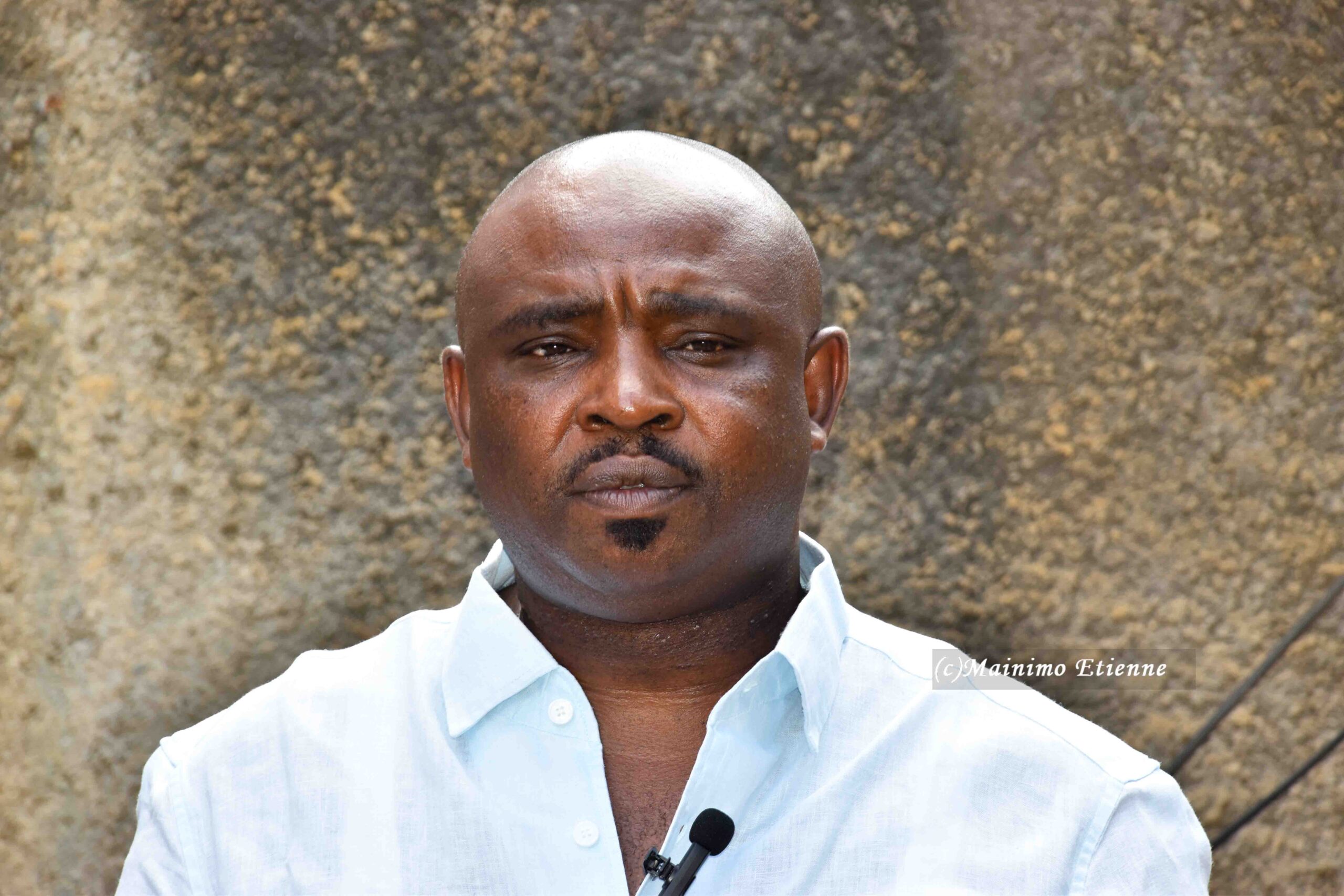
CAMASEJ National President Viban Jude noted that the training fulfills the association’s core mandate of capacity building and skill modernization.
“We’re not talking about AI and we have to see, we cannot hold the pace of technology, but we can align and see how we can make technology to be profitable, to ease our job as journalists, while remaining grounded on the key values of journalism without shifting ground, but seeing how we can use technology, leverage on what technology is offering,” Viban said.
Francis Ajumane, President of the CAMASEJ Yaounde Chapter, emphasized that the digital era leaves journalists with no choice but to evolve.
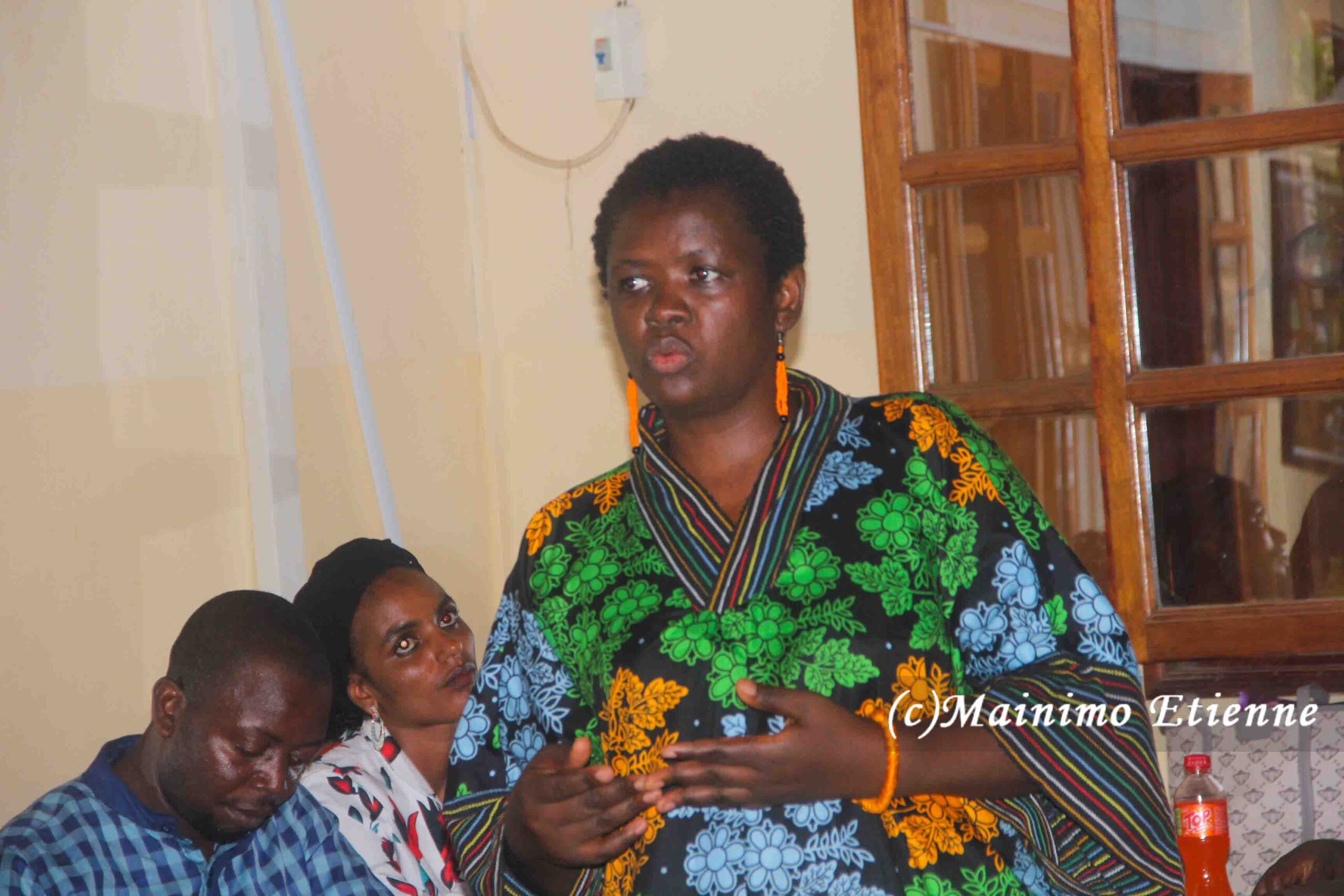
“We have to accept that we are in the digital era, and we cannot practise journalism the way we used to do 10, 15, 20, 30 years ago. With digitalisation, we have to improve on our trade. We have to improve on our skills,” Ajumane said.
The workshop was organized as part of activities marking World Press Freedom Day, which was observed on May 3. This year’s global theme was “Shaping a Future at Peace: Promoting Press Freedom for Human Rights, Development, and Security.”