By Etienne Mainimo Mengnjo
The sixth edition of the African Media Initiative (AFROMEDI VI) has concluded in Nairobi, Kenya, leaving behind a reinforced network of 39 journalists who have pledged to reshape the continent’s economic discourse through rigorous, citizen-centered reporting on debt and development.
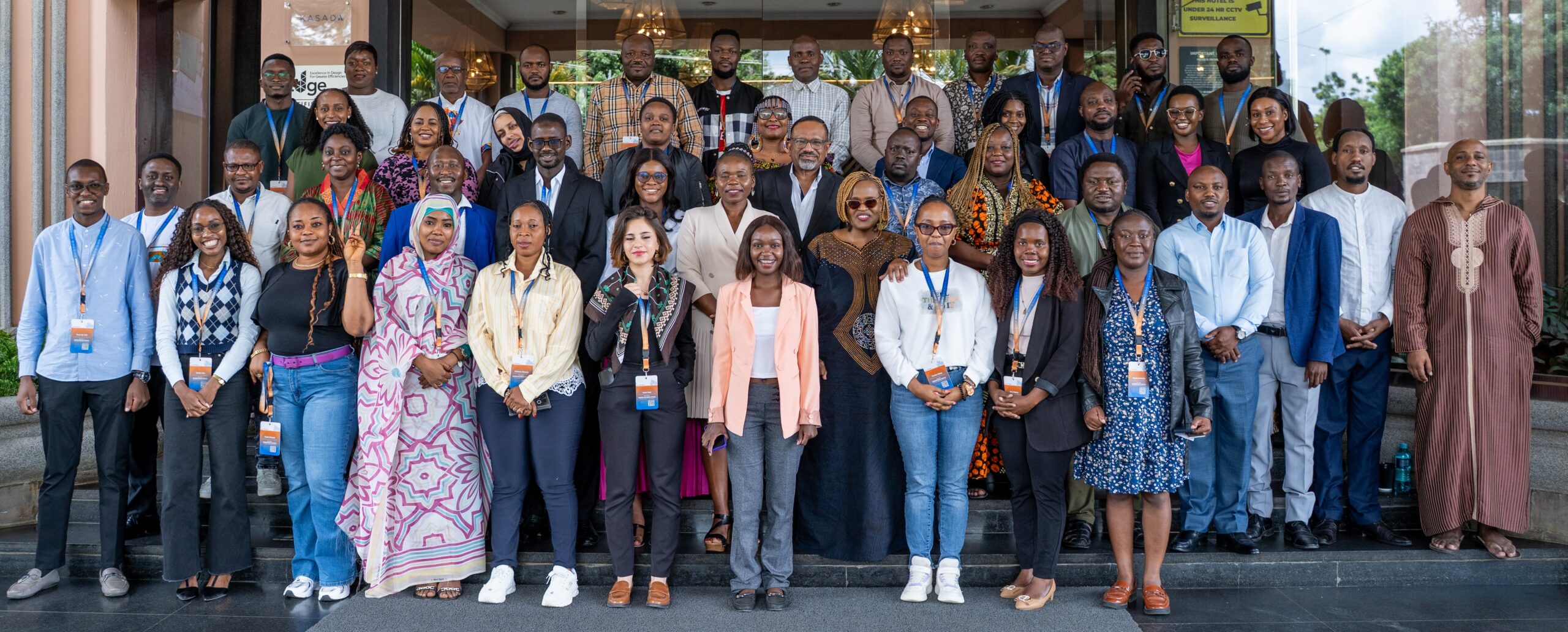
Jointly organized by the African Forum and Network on Debt and Development (AFRODAD) and Transparency International Kenya, the three-day summit brought together media professionals from across East, West, Central, North and Southern Africa.
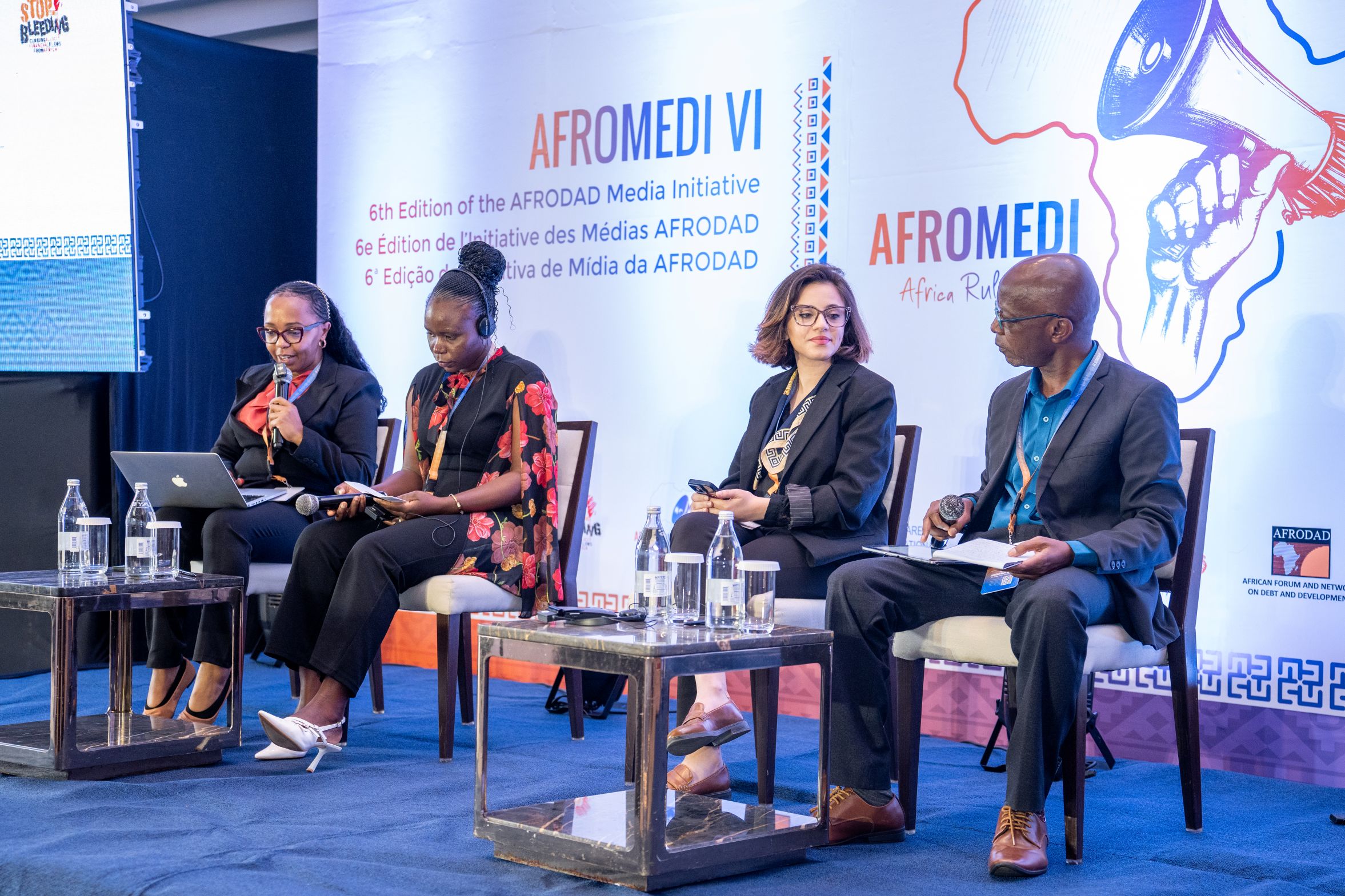
Running from May 27 to May 29, the three-day forum is themed, “Partnering with Media to Advance Socio-Economic Justice and Africa’s Common Position on Debt.” The event aimed to equip attendees with the investigative tools and policy insights necessary to navigate complex financial landscapes and hold powerful stakeholders accountable.
Beyond the classroom training, the summit culminated in a collective commitment by the participants to transform how African media covers sovereign debt. Journalists vowed to elevate the African Common Position on Debt, ensuring that the continent’s collective priorities for reforming the international debt architecture are central to both regional and global policy dialogues.
Central to their mandate is a commitment to champion the principles of the Lomé Declaration. By advocating for a more transparent and development-oriented global debt system, the journalists aim to scrutinize restructuring mechanisms and demand greater accountability from lenders and borrowers alike.
Participants pledged to bridge the gap between technical economic jargon and the reality of citizens’ lives. Their mission involves producing evidence-based reporting that connects debt sustainability to the quality of public services and economic opportunities. By humanizing these issues, they intend to highlight the direct social and economic consequences of policy decisions made in loan negotiations and international financial institution meetings.
Journalists also committed to a more aggressive oversight of debt governance. This includes investigating borrowing practices and the impact of policy prescriptions from global institutions like the International Monetary Fund (IMF) and the World Bank. Participants stated they would leverage diverse voices—ranging from experts and policymakers to the communities most impacted by debt crises—to foster a more inclusive public discourse.
As debt servicing continues to consume an increasing share of public resources across Africa, participants’ commitments point to a wider role for journalism in strengthening democratic accountability. They reinforced a key reality that debt is not only an economic challenge but also a governance and development issue, with direct consequences for the quality of public services and the economic choices available to governments.
A major outcome of AFROMEDI VI was the introduction of A-LeDD (AFRODAD Learning on Debt and Development), a free, competency-based digital learning platform designed to democratise knowledge on debt, development finance and related themes.
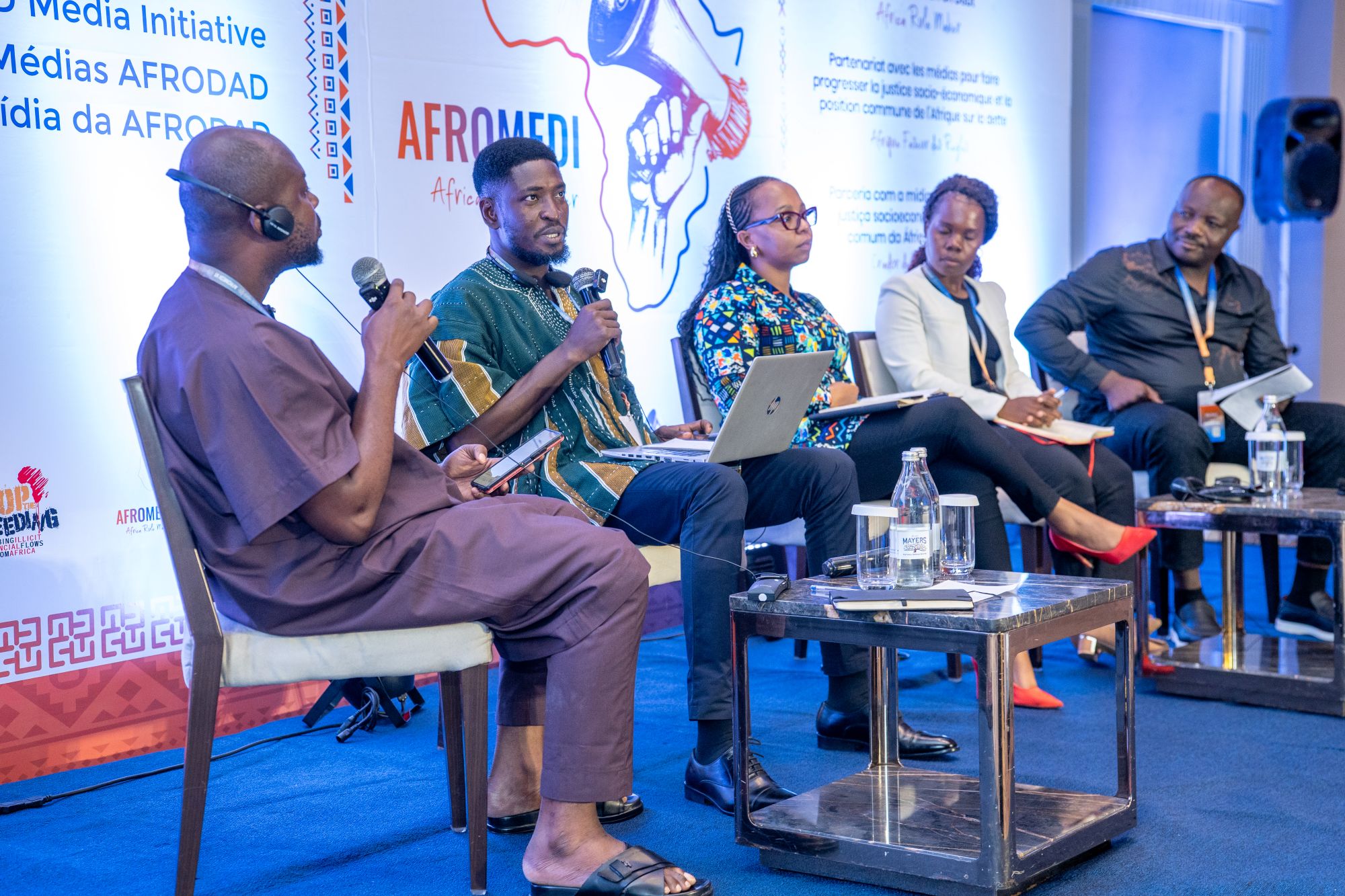
The platform will offer self-paced learning, short courses, and practical resources aimed at strengthening understanding and engagement on debt and development finance issues. The platform targets journalists, civil society actors, policymakers, researchers, students, and engaged citizens seeking to deepen their understanding of debt and development finance issues.
By removing cost barriers and enabling flexible learning, A-LeDD creates opportunities for continuous knowledge building and informed engagement on issues that shape Africa’s development trajectory.
Returning to their countries, journalists say they do so as more than individual reporters. They describe themselves as members of a growing Pan-African movement intent on advancing transparency, accountability and debt justice. Their work, they said, will help shape a more informed public discourse and contribute to a future in which debt supports development rather than constraining it.
AFROMEDI VI is therefore ending not as a finish line but as a beginning, with journalists equipped to challenge opaque practices, tell Africa’s debt story with greater clarity and insist that African people remain at the centre of decisions about debt and development.