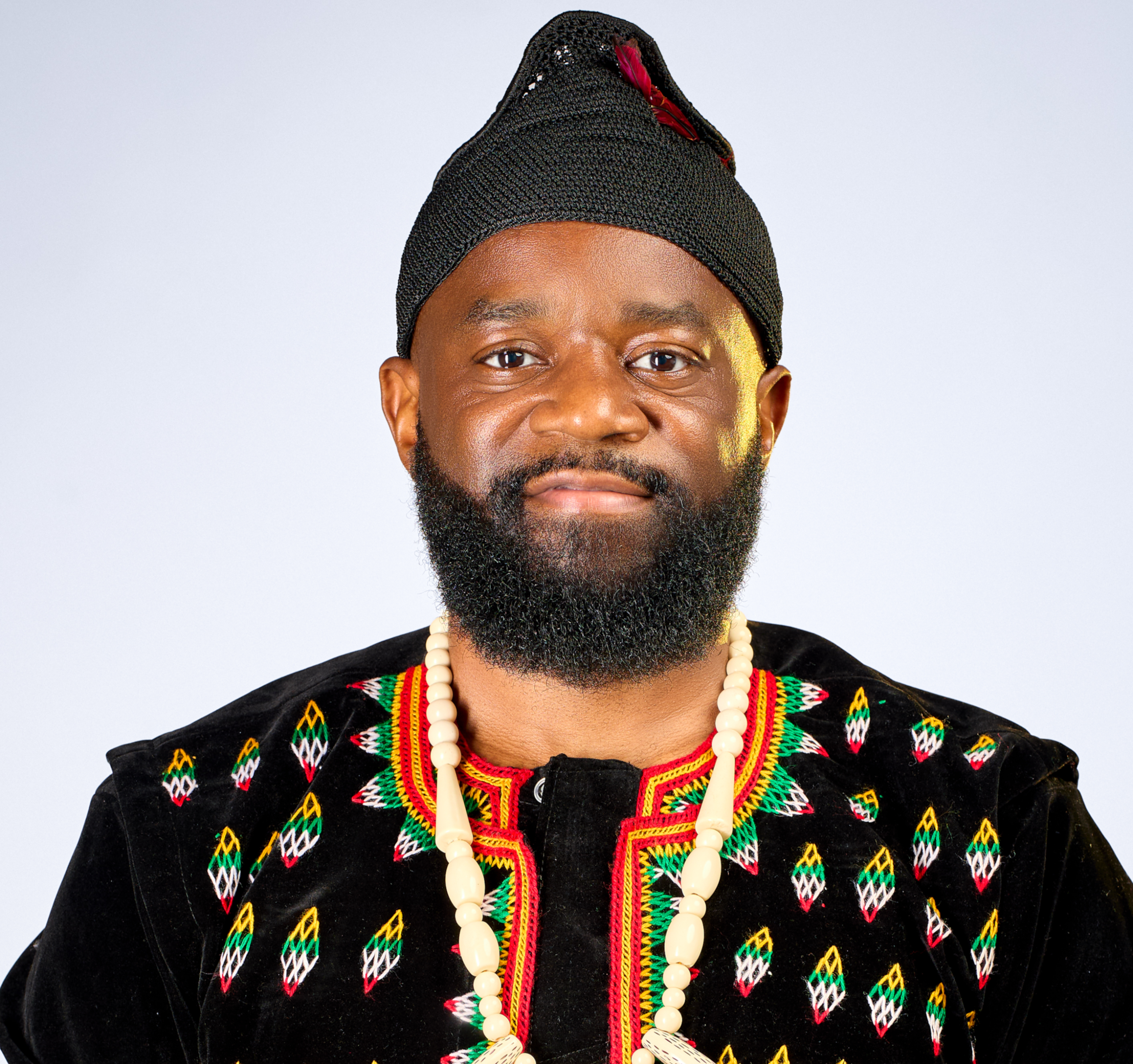
By Etienne Mainimo Mengnjo
Cameroon has recorded a sharp decline in its digital rights environment, falling 10 places in a continental assessment of internet freedoms and inclusion. The 2025 Londa Report, released On April 21 at the Digital Rights and Inclusion Forum (DRIF26), identifies Cameroon as one of the year’s most significant decliners, highlighting a deteriorating landscape for online expression and privacy.
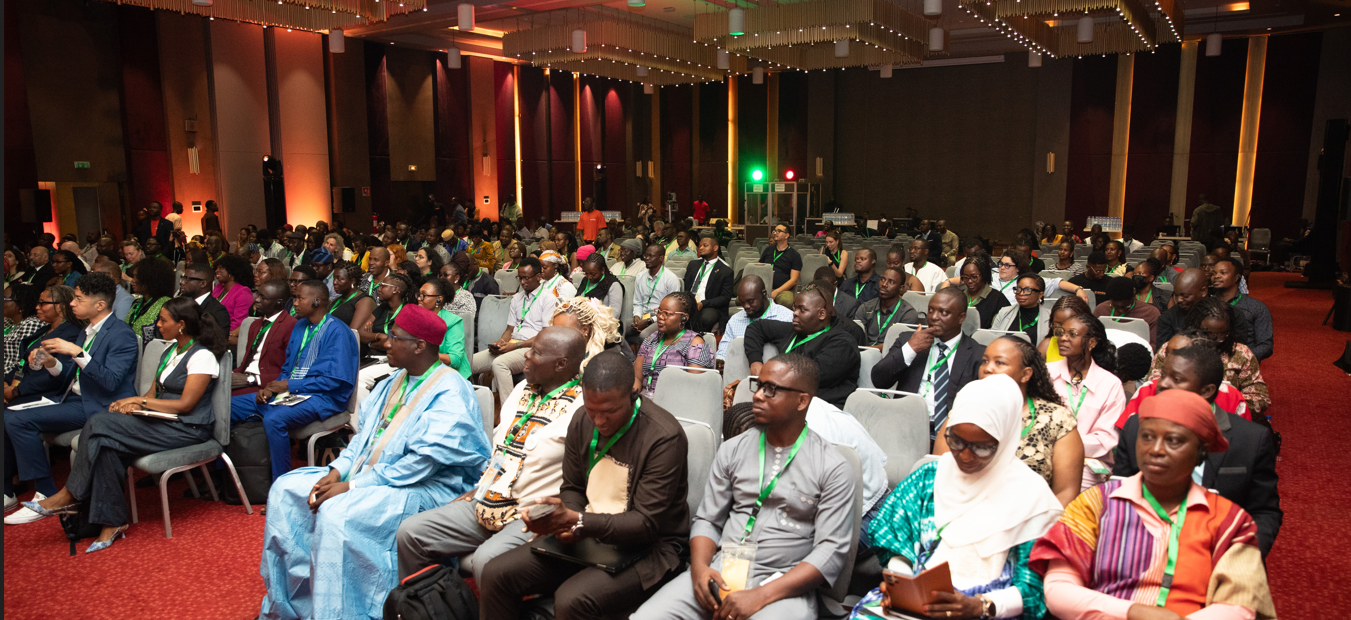
The report, authored by the pan-African non-profit Paradigm Initiative, utilizes a Digital Rights Score Index to evaluate countries based on privacy protections, freedom of expression, and access to information.
While some nations showed remarkable progress, Cameroon’s double-digit slide places it among the continent’s most concerning decliners, contrasting sharply with the stable or improving frameworks seen in Southern and Western Africa.
In addition to the ranking decline, Cameroon was featured prominently in a supplemental research report titled “Africa Facing Down: Disinformation.” The study identified the country as one of six African nations where factual information is frequently undermined by emotional and identity-based narratives.
Researchers found that activists and online influencers in Cameroon are often involved in the spread of falsehoods, with the impact of such disinformation varying across gender, age, and urban-rural divides.
Beyond the specific challenges facing Cameroon, the broader continental assessment confirmed South Africa as Africa’s leader in digital rights for the second consecutive year. Ghana, Namibia, and Senegal followed in the top rankings. Conversely, the report placed Mozambique, the Democratic Republic of Congo, and Sudan among the bottom five performers. Botswana and Egypt were noted as the most improved, with both nations climbing more than nine spots on the index.
The three-day forum in Abidjan served as a platform for several strategic launches aimed at addressing these systemic gaps. Paradigm Initiative introduced its Digital Rights On-Demand Learning (DROL) platform, which provides free educational resources, and premiered “The Signal,” a short film dramatizing the consequences of digital exclusion for rural populations.
During the opening ceremony, Executive Director of Paradigm Initiative ‘Gbenga Sesan emphasized that the strength of a society is measured by its treatment of its most vulnerable members. “A society is only as strong as how it treats its weakest members. Yet in the area of inclusion, we must acknowledge that many have been left behind,” Sesan said.
He further urged stakeholders to move beyond assumptions of progress, stating, “We must continuously assess where we are, because we too often assume progress without truly measuring it. Only through honest evaluation and evidence can we understand the gaps and, more importantly, take meaningful action to close them. That is the responsibility we carry forward from this Forum.”
Technical experts at the event also called for the practical application of existing laws. Nnenna Nwakanma, an internet governance specialist, stressed the necessity of moving past the mere drafting of frameworks to implementing them in ways that reflect the lived realities of Africans.
Adding a legal perspective, African Union Legal Officer Meseret Melat Fassil discussed the 2023 enforcement of the Malabo Convention, noting that the delays in its implementation highlight the ongoing struggle for technology access across the continent.
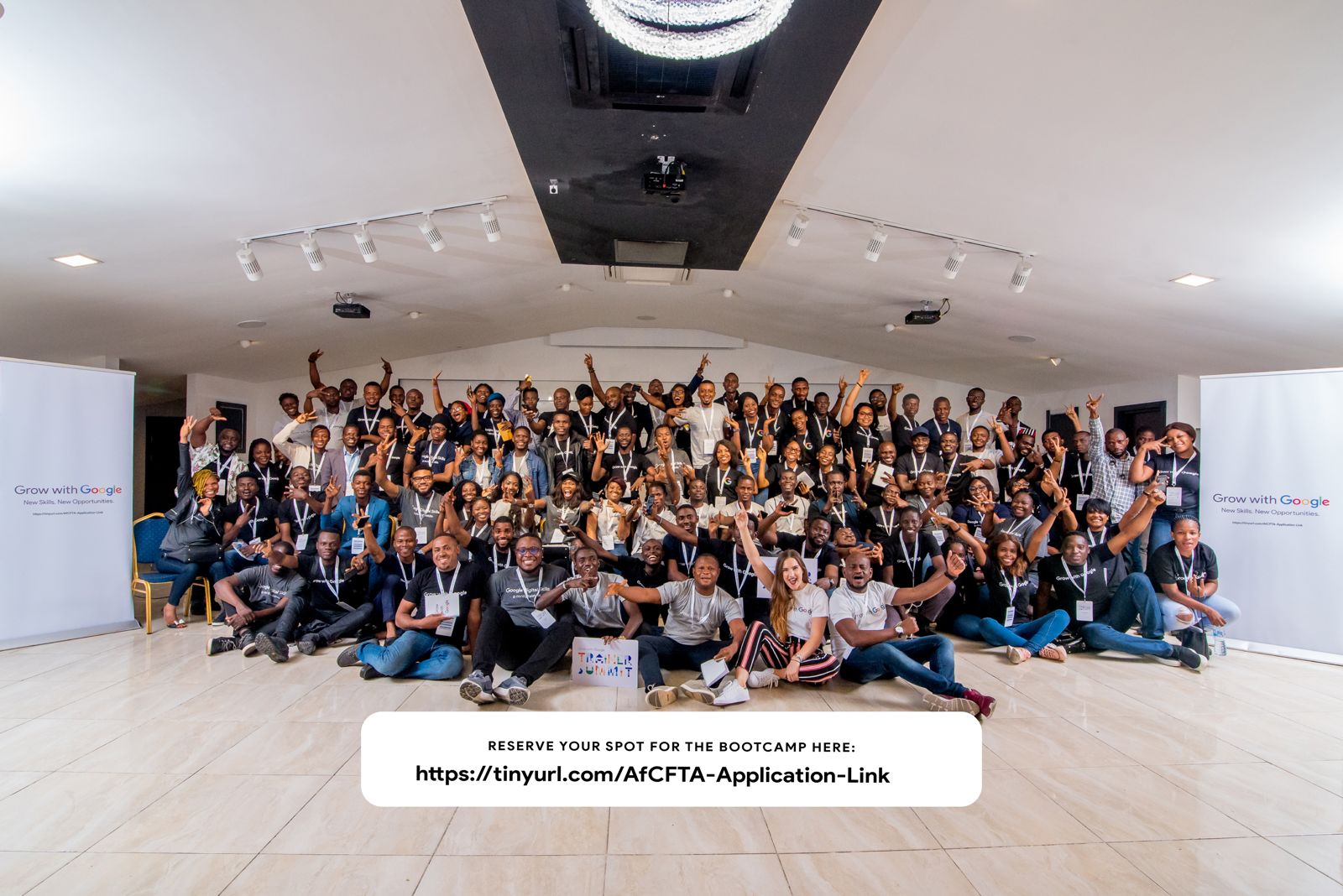
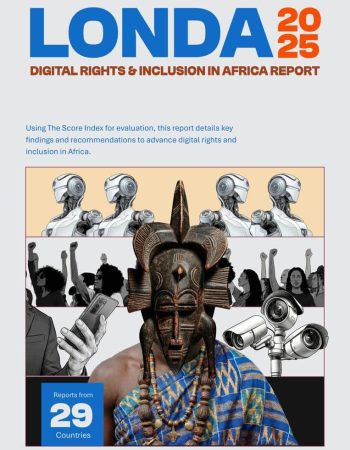
The forum, supported by organizations including the Ford Foundation and Google, hosted over 400 physical attendees and featured more than 100 sessions focused on building a secure and inclusive digital future. Organizers announced that the next iteration of the event is scheduled to take place in Nigeria from April 13 to 15, 2027.