By Etienne Mainimo Mengnjo
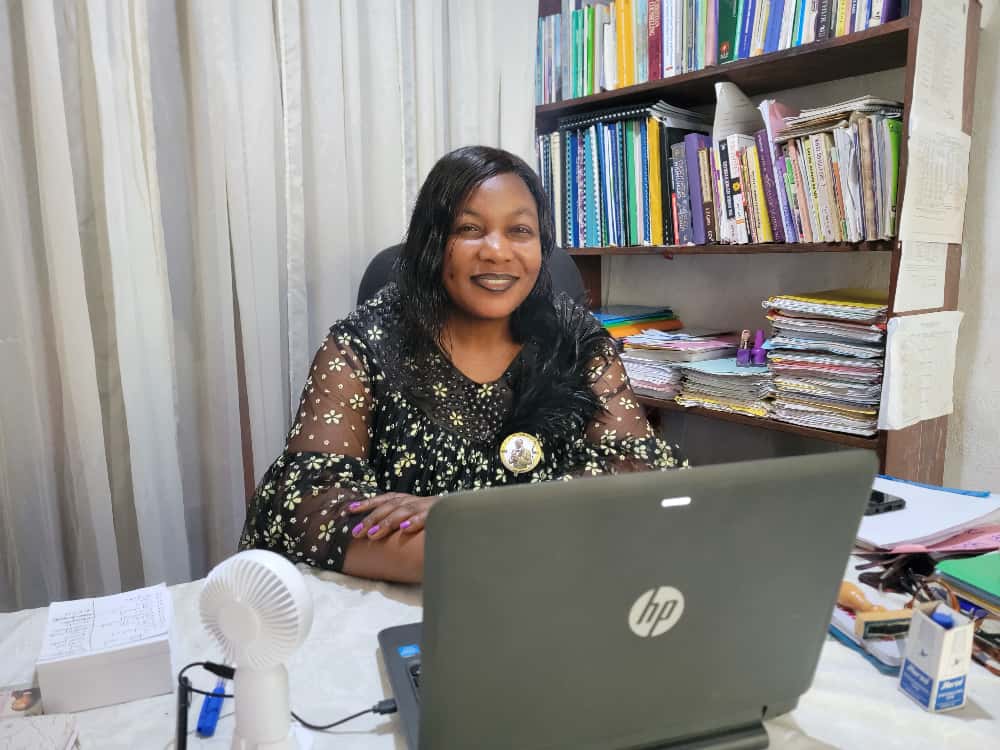
In a city where conversations about autism and developmental disabilities are often whispered rather than spoken aloud, Faith Beckie Amose has chosen to speak loudly. A social work scholar who has spent 14 years living and researching in Sweden, her life changed when her own child was diagnosed on the autism spectrum 13 years ago.
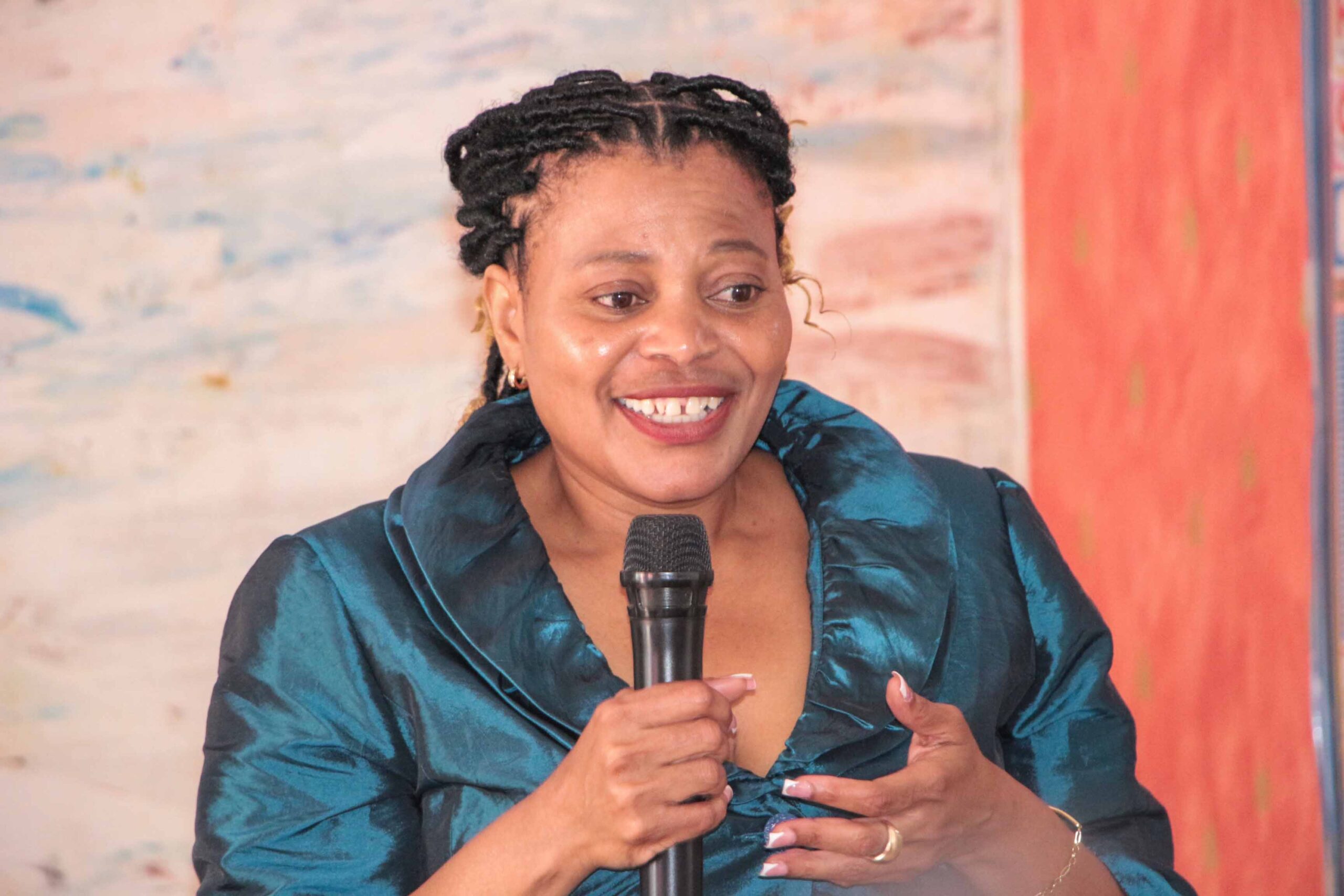
Having experienced the stark contrast between raising a child with additional needs in Cameroon and in the Nordic welfare state, she determined to bridge the gap.
Three years ago, she founded the of Emmanuel Special Needs Bilingual and Rehabilitation Center located Biyem Assi (Kameni en bas) in Yaoundé. The center operates on a philosophy that fuses rigorous academic frameworks with local realities—a approach Amose calls the Afrocentric Culturally-Responsive Framework.
“What prompted me to open this school was because I also have a child on the autism spectrum,” Ambose explained. “I knew what it was like raising a child who was different in Cameroon before we migrated to Sweden.”
Holding a Bachelor and Master’s degrees in Social Work, Amose brings over a decade of professional experience to her native country. Her goal is not simply to replicate Western models, but to adapt them using local concepts so that children in Cameroon can build essential life skills.
The school’s empirical approach has already yielded tangible results. Using standardized tools like Goal Attainment Scaling, educators track developmental milestones ranging from emotional regulation and motor skills to toilet training and speech
“Our school is different from others because I am not only passionate about working with persons with disability, but I am also a scholar,” Amose said. “My joy is when I call my educators, and we look at the interventions we’ve put in place… and we see that we have attained so many positive outcomes and so many big wins.”
Looking ahead, Amose, who has recently registered for her PhD envisions transforming the center into a broader research hub. She aims to train future Cameroonian social workers, special educators, and psychologists to address the growing prevalence of neurodevelopmental conditions across the continent.
However, she emphasizes that institutional success requires systemic policy changes at the national level. Raising a child with extra support carries significant financial burdens, including speech therapy, occupational therapy, and ongoing medical appointments. Amose believes the State must step in to subsidize costs, establish early screening centers within healthcare systems, and close knowledge gaps among primary caregivers.
“No parent needs to shoulder that burden alone,” she noted. “The government needs to come in to see how they can help these parents navigate the system.”
Addressing the stigma and emotional hurdles surrounding special needs, Amose urged parents to move past denial—a state that often deprives children of crucial early intervention windows. She acknowledged the deep psychological impact on families, describing it as an experience of “ambiguous loss” where parents must first grieve before reaching acceptance.
Crucially, she cautioned against quick fixes, spiritual promises, or expectations of immediate miraculous outcomes, pointing out that neurodevelopmental support requires sustained evaluation and adaptive care throughout a child’s growth.
“There is no magic in it,” she stressed. “We don’t ask, ‘What is wrong with the child?’ We ask, ‘What can the child do? What is the child able to do?’ Then, how can we come in to help the child build up those skills where they are lacking?”
Grounded in international frameworks such as the United Nations Convention on the Rights of the Child and the African Charter on the Rights and Welfare of the Child, the center’s philosophy remains centered on dignity and inclusion.
“Inclusion is respecting persons with disability, letting them feel welcomed, respected, and given a sense of belonging,” Amose said. “Being different is not less—that is the motto of Emmanuel Special Needs Center. Being different doesn’t make you less of a human.”