By Etienne Mainimo Mengnjo
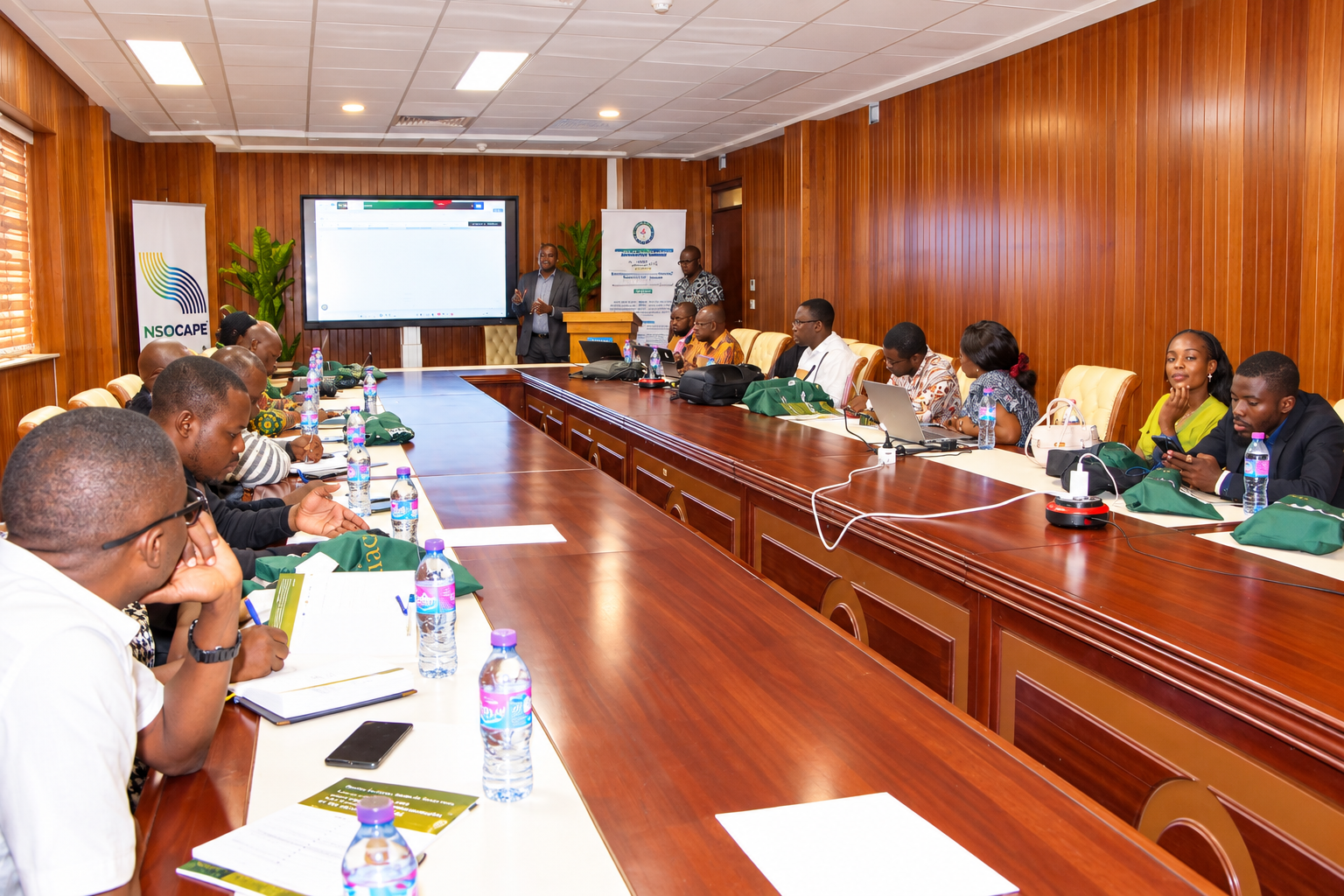
The Central African Forests Commission (COMIFAC), the Landscape Alliance, and journalists held discussions on the state of the Congo Basin Forest following the presentation of the publication, “The State of the Congo Basin Forest in 2025: The Implementation of International Conventions on the Environment and Forest.”
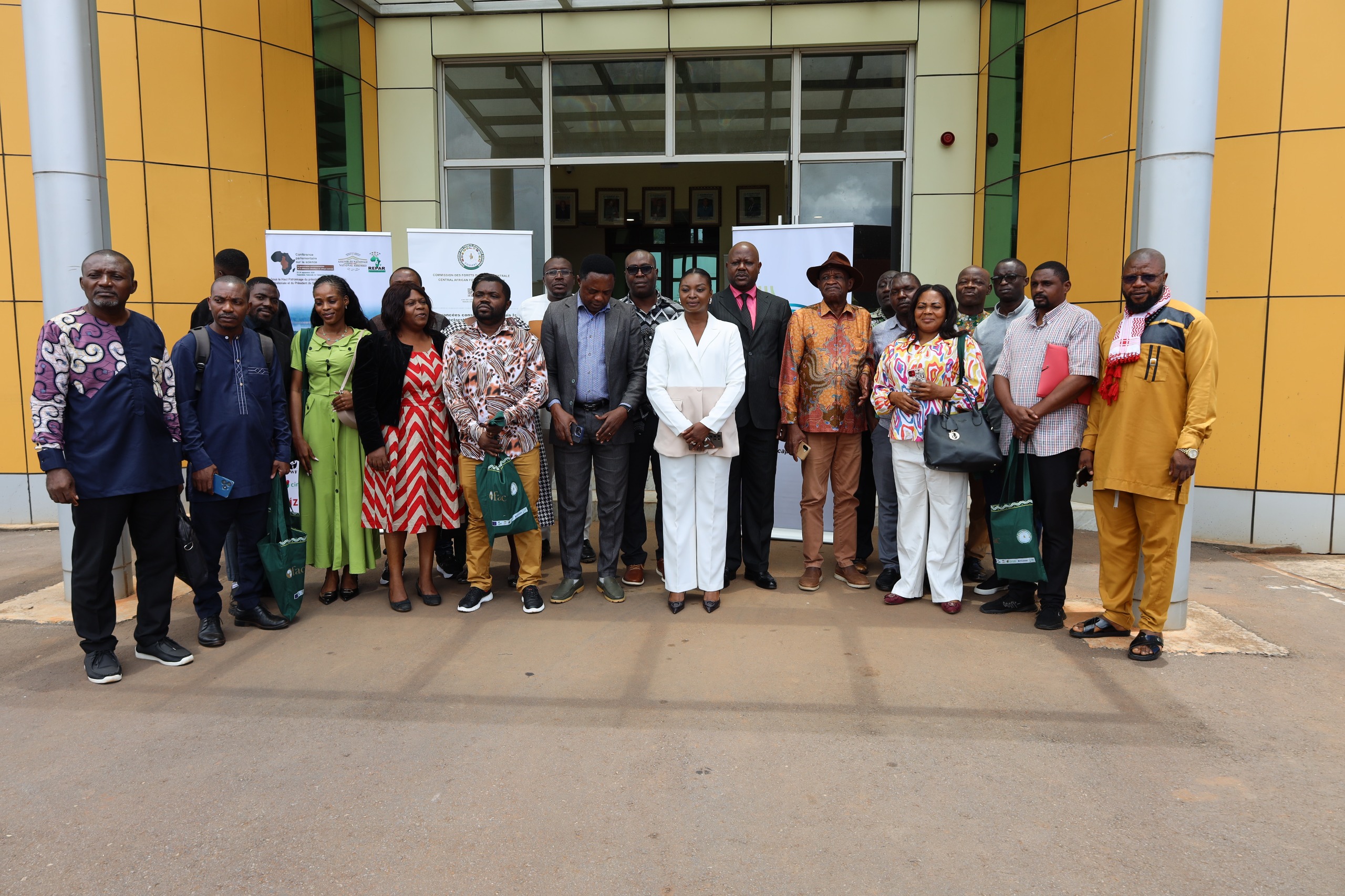
The discussions took place on Monday, September 21, in Yaoundé. The publication was presented to the media ahead of its official launch and the conference of parliamentarians on science, environmental governance, and climate financing in Central Africa.
The Landscape Alliance serves as the shared operating name for the joint partnership between the Centre for International Forestry Research and the International Centre for Research in Agroforestry, collectively known as CIFOR-ICRAF.
During the media briefing, various presentations underscored the immense value of the Congo Basin, which spans approximately 200 million hectares of tropical rainforest. This vast expanse according to scientists stands as one of the planet’s last great green lungs. It harbors exceptional biodiversity, plays a vital role in regulating the global climate, and serves as an essential source of livelihoods for tens of millions of people.
“Its preservation is therefore not merely a regional responsibility but a matter of global interest,” expert said adding that incorporating scientific findings into forest management is fundamental to improving governance. The discussions also emphasized that while it is crucial for Central African countries to mobilize internal resources to finance climate change-related issues, it is equally important to carry out adaptation measures that are more favorable to the local population.
Dr. Richard Eba’A Atyi, the lead author of the publication, described it as a document containing all the indicators that allow for tracking forest trends, including surface area, biodiversity, economics, and the benefits derived by states and communities.
He explained that the publication should be mastered by all journalists because while it deals with science, journalists must take the message forward to give more visibility to the community and help people understand exactly what is contained in that publication.
Dr. Abdon Awono indicated that, “We are presenting the findings of this publication to journalists, focusing particularly on recommendations to improve the implementation of these conventions. We urge countries in the sub-region to mobilize resources to fund climate change adaptation for the benefit of local populations. We are organizing a regional conference with the Network of Parliamentarians for the Sustainable Management of Forest Ecosystems in Central Africa. We need to see how scientific findings can contribute to shaping public policy; decisions must be well-informed.”
He added, “We need to improve governance and come together to work collaboratively. The states of Central Africa are doing a lot of efforts, but a lot is still to be done to make sure that we manage our resources, value them, and respect the engagement taken at international conventions.”
The publication itself was produced by a consortium comprising CIRAD, FRM Ingénierie, UCLouvain, CIFOR-ICRAF, and the Observatory for the Forests of Central Africa, known as OFAC, with funding from the European Union.
It analyzes the implementation of international conventions regarding the environment and forests. The work received contributions from over 60 researchers, coordinators, and consultants. Commissioned by the 11 member countries, the publication aims to drive actions that will position the Congo Basin effectively within the context of global affairs.
Launch Of Competition For Journalists
Beyond presenting the report, the press briefing served as an important opportunity to support journalism and public engagement. The organizers launched a competition for journalists focused on producing reports and other media content based on the data, issues, and themes addressed in the State of the Congo Basin Forests 2025 report.
Participation procedures, categories, and selection criteria were presented, with journalists given one month to submit articles. The competition seeks to turn scientific findings into accessible stories that inform the public and raise awareness of the report’s challenges and solutions. The grand prize winner will attend a conference on the Congo Basin Forest.
Organizers noted that entries can take different formats, and journalists may work individually or in groups. This recognizes the complexity of forest governance and climate issues and supports a shared newsroom culture of research-led reporting.
Four awards will be presented: Print/Digital Press, Radio/Podcast, Television, and the State of the Forests 2025 Grand Prize (open to all categories). The jury will give particular consideration to the meaningful use of the report’s data, journalistic rigor, storytelling and presentation quality, original approach, and ability to make forestry issues accessible to the general public.