By Etienne Mainimo Mengnjo
Cameroon is making significant strides in improving its secondary education system, with the government, through the Secondary Education and Skills Development Project (SESDP), successfully training thousands of school leaders nationwide.
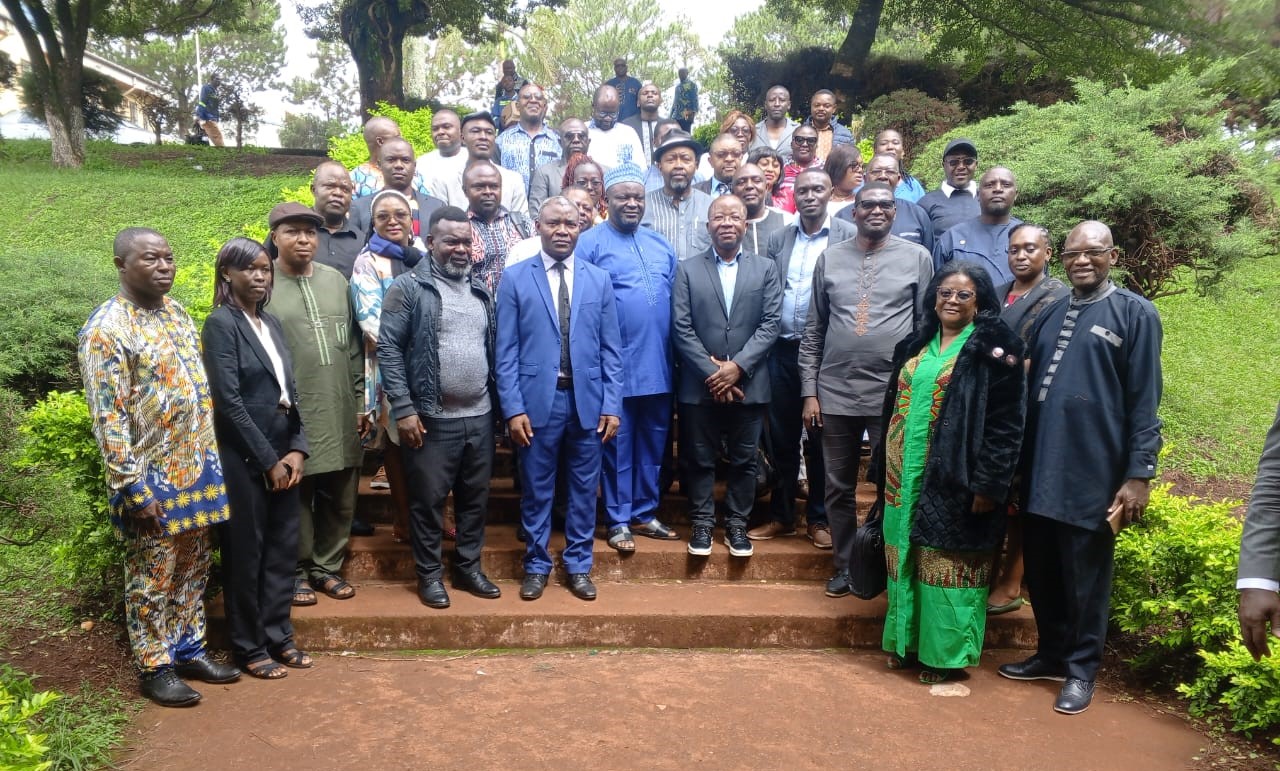
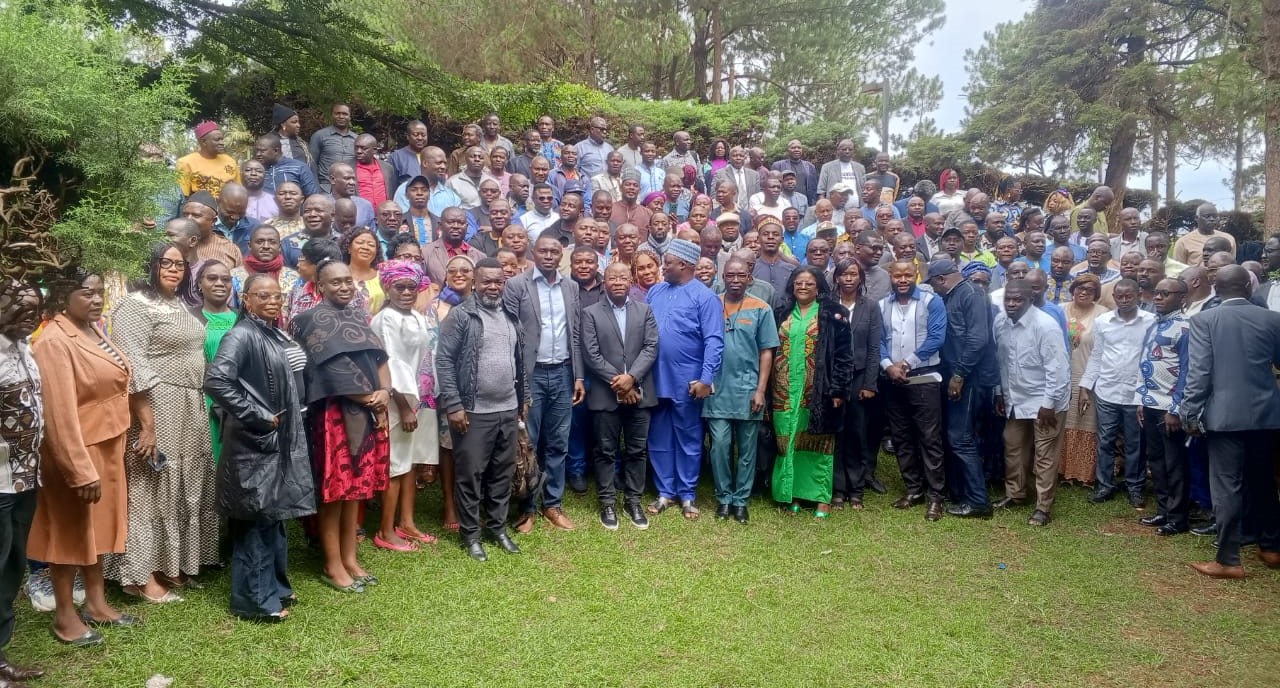
Following the initial training of 1,752 Principals and Assistant Principals in the first cohort, the program has now reached an additional 2,600 school leaders from Cohorts 2, 3, and 4. The comprehensive training took place across all ten regions of the country, marking a major milestone in the government’s education reform agenda.
At the heart of the initiative is an innovative hybrid learning model that blends face-to-face workshops with online modules, mentoring, coaching, case studies, simulations, and continuous assessment. This multifaceted approach ensures that participants gain both theoretical knowledge and practical, real-world skills.
The SESDP equips school administrators with competencies in key areas, including instructional leadership, school governance, financial and administrative management, human resources, digital leadership, performance monitoring, inclusive and safe school management, as well as ethics and accountability.
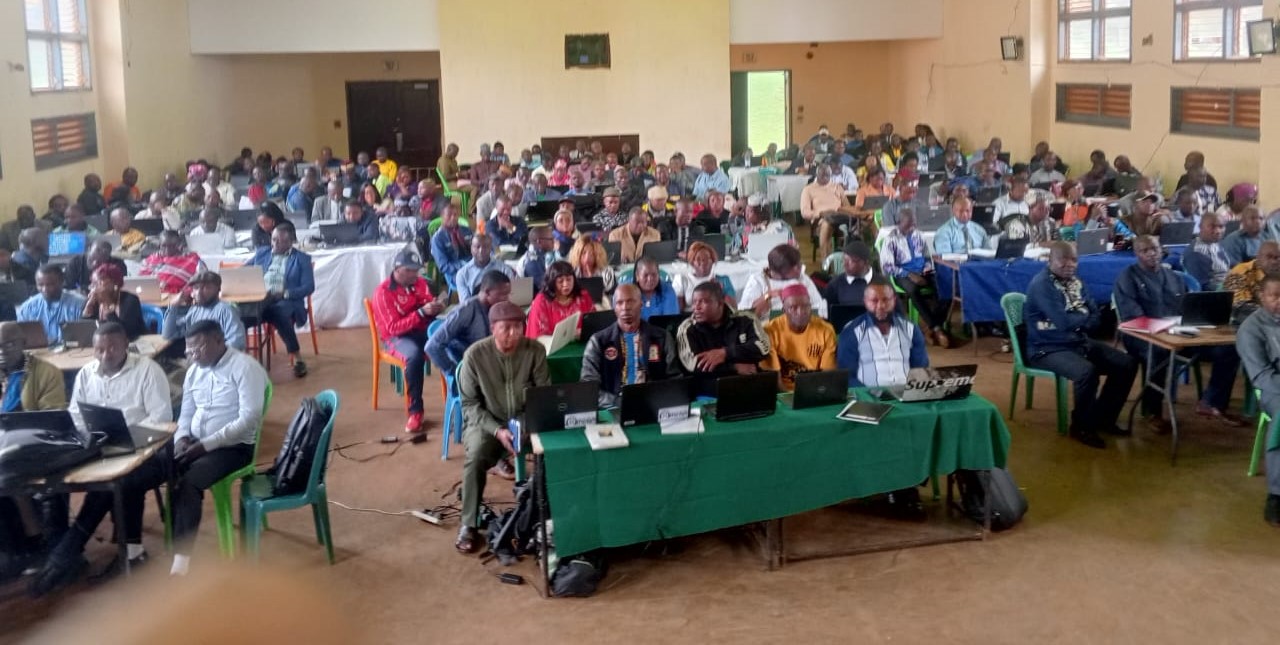
To cap the programme, a national remediation and assessment workshop was held to reinforce learning outcomes, address knowledge gaps, strengthen digital skills, and conduct final competency-based evaluations. Participants were required to complete an online assessment, compile a professional portfolio, and successfully defend their work before an assessment panel to qualify for official accreditation.
The initiative is expected to yield stronger school leadership, improved learning environments, better teacher supervision, enhanced accountability, and more efficient school management—all of which contribute to better educational outcomes for learners.
Beyond the classroom, the programme directly supports broader national objectives, including the National Development Strategy (NDS30), ongoing education sector reforms, improved governance, digital transformation, and human capital development. Ultimately, SESDP reinforces the Government of Cameroon’s vision of building a high-performing, inclusive, and accountable secondary education system.
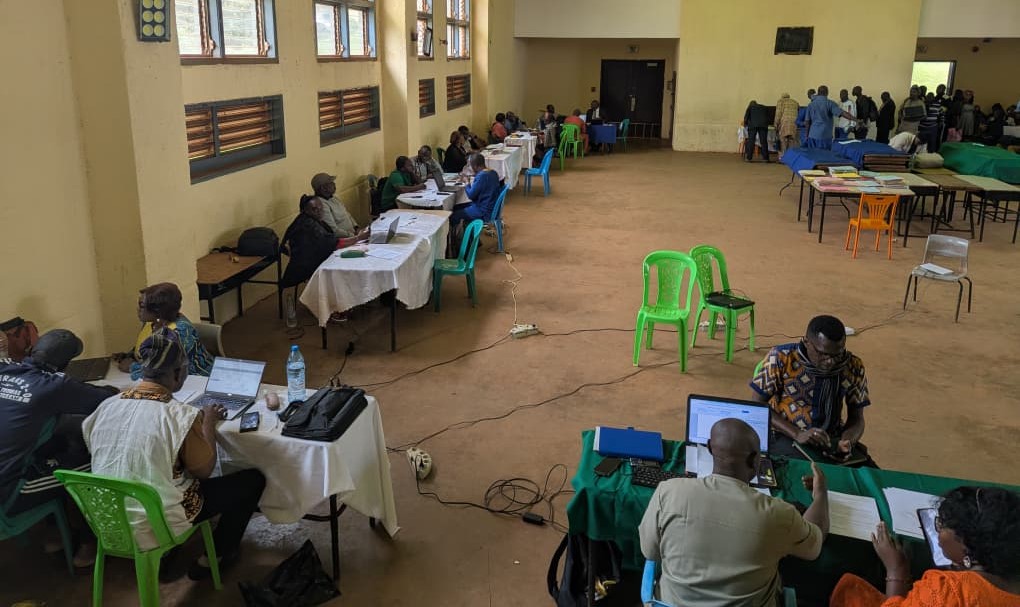
With more than 2,500 school leaders now trained across all ten regions through Cohorts 2 to 4, the hybrid training model—alongside its competency-based accreditation and practical governance focus—is proving to be a transformative force in Cameroon’s educational landscape.
The SESDP is an initiative of the government of the Republic of Cameroon, set up with the support of the World Bank. Structured around four components, its aim is to improve equitable access to quality secondary education and market-oriented technical and vocational training, with a particular focus on girls.
The project has a particular focus on vulnerable girls and other disadvantaged learners in areas with low levels of schooling and internally displaced or refugee learners in the North West and South West regions.
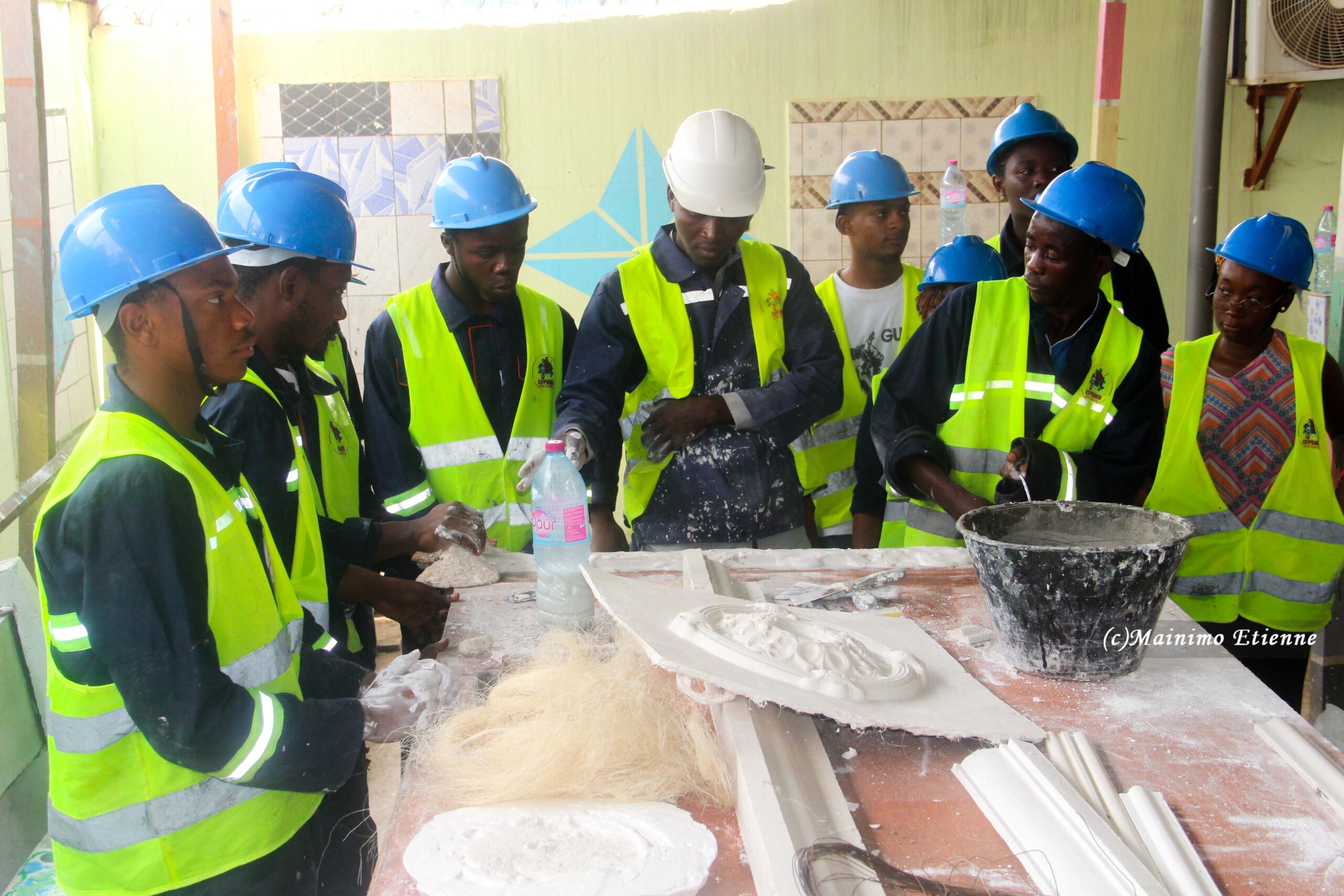
The SESDP is concerned, among other things, with improving infrastructure in technical and vocational training establishments and also with improving the skills of professionals in SMEs/SMIs and social economy and craft structures through training tailored to the job market.