By Etienne Mainimo Mengnjo
The National Malaria Control Program (NMCP) has celebrated the significant milestones achieved throughout 2025 while simultaneously unveiling a robust 2026 strategy dedicated to intensifying the fight against malaria and drastically reducing child mortality.
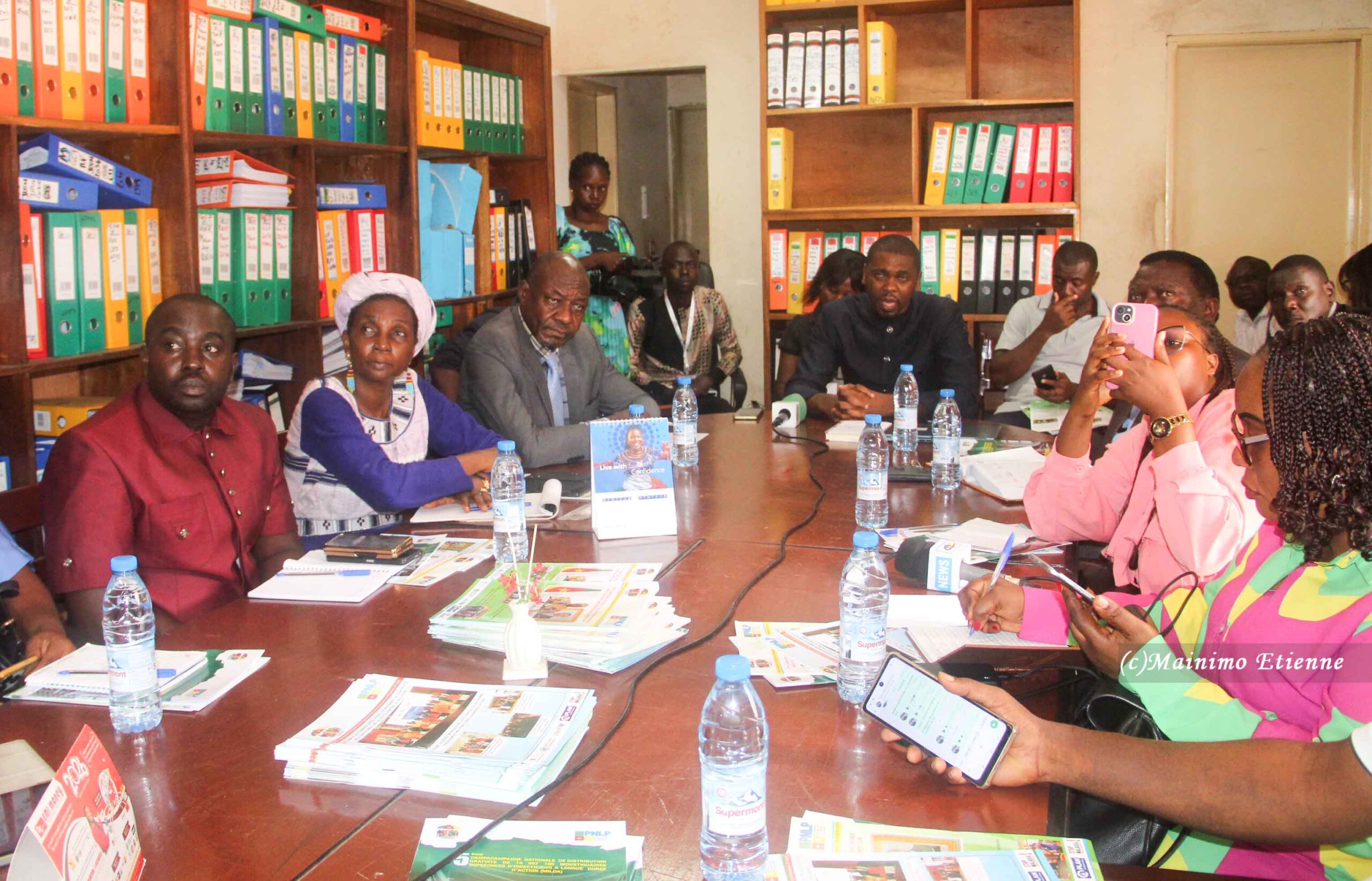
This strategic pivot was the focal point of a media information day that took place on April 17 in Yaounde, where the NMCP briefed the press on past successes, persistent challenges, and the comprehensive roadmap for the year ahead.
Reflecting on the progress made, Dr. Albert Zeh Meka, the Coordinator of the NMCP, noted that 2025 was a year defined by substantial progress as the overall malaria burden in Cameroon saw a marked decline.
While expressing hope to maintain this momentum and further decrease the prevalence of the disease, he highlighted that the number of severe cases dropped significantly in 2025 compared to 2024.
Dr. Zeh Meka stressed the weight of this achievement by stating, “We went below 30 percent which has never been the case in the past. It means all the efforts being done by the government are yielding fruits. We can also notice that during the year 2025 we recorded a decrease in the number of deaths by practically 37 percent.”
Data provided by the coordinator indicated that malaria-related deaths in the country, which peaked at 2,016 in 2024, fell to 1,261 in 2025. This downward trend is attributed to the strategic vision of the Minister of Public Health and the concerted efforts of the government.
Dr. Zeh Meka shared his optimism for the future, asserting, “We are confident that if we maintain the efforts by 2030 we are going to achieve our objective of elimination of malaria.”
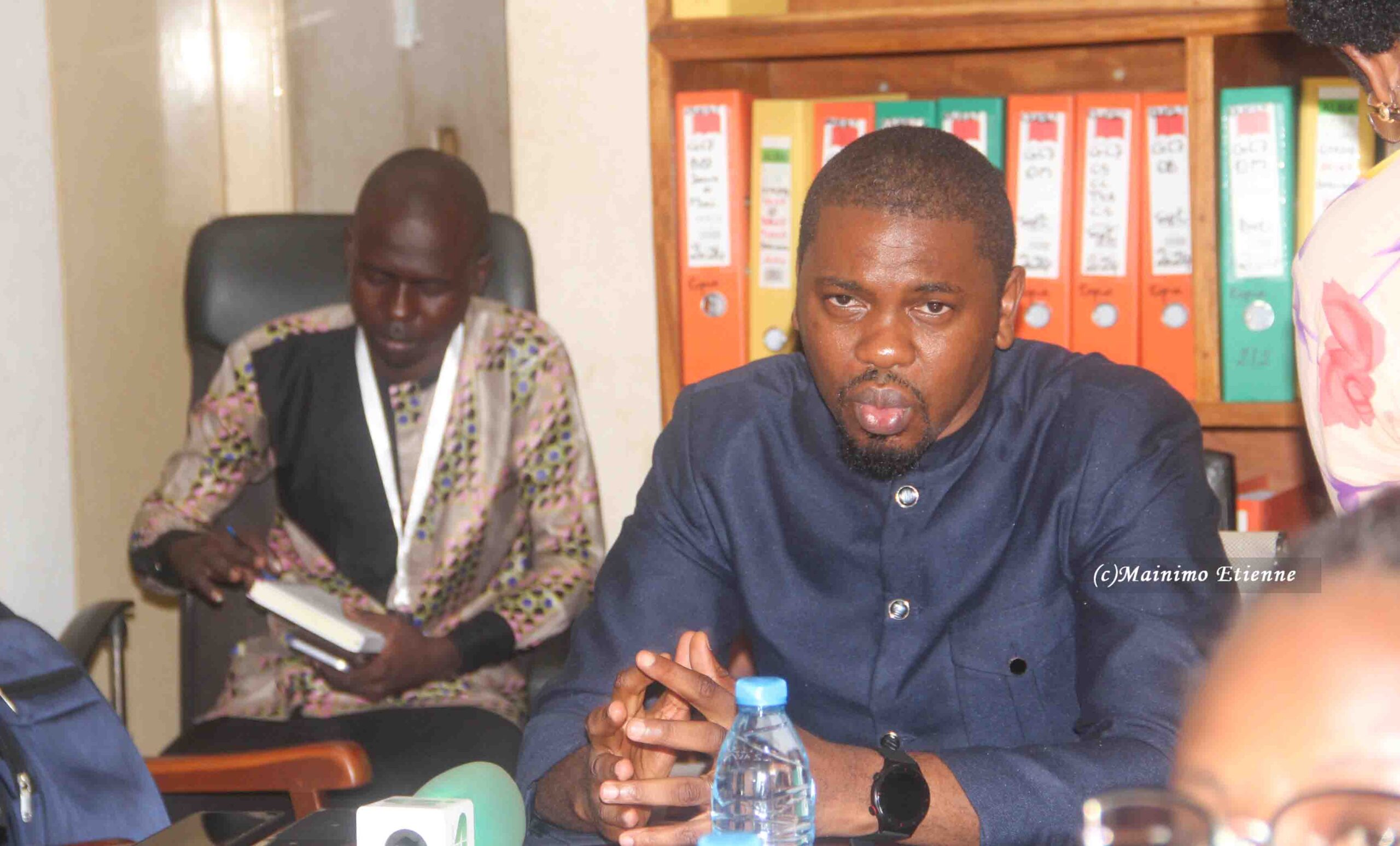
However, the coordinator acknowledged that despite these major breakthroughs, infant mortality remains a primary concern and a formidable challenge for the program. He revealed that out of the 1,261 deaths registered in 2025, approximately 72 percent were children under the age of five.
To address this, he explained, “That’s why there are a couple of strategies which are being set up to maintain vaccination and scale up because as of now vaccination is being offered in 42 districts. So we need to scale up vaccination and increase the number of districts, increase the coverage.”
In addition to expanding immunization, the NMCP plans to bolster the distribution of preventative tools. Dr. Zeh Meka stated, “We need to maintain the availability of mosquito nets for children and one of the strategies which is being planned for the new strategies plan is distributing mosquito nets in schools. To be able to cover the children who don’t receive mosquito nets during routine activities.” This school-based distribution is designed to ensure that children, who are the most vulnerable demographic, are directly reached.
Complementing these efforts are regional interventions such as the chemo-prevention campaigns in the North and Far North Regions, which continue to play a vital role in controlling morbidity and mortality. To ensure better accountability and data-driven results, Dr. Zeh Meka added, “Also we are working on setting up a strategy to review all the cases of deaths in children to make sure each case is accounted for.”
The media information day served as a prelude to the 19th edition of World Malaria Day, scheduled for April 25. This year’s celebration will be held under the theme: “Driven to End Malaria: Now We Can, Now We Must.”
According to health officials, this theme underscores the belief that total elimination is a realistic goal facilitated by advancements in medical science, including new vaccines, next-generation treated nets, and innovative treatment protocols.