By Etienne Mainimo Mengnjo
The Zamengoé data center is more than a repository of servers and cooling systems. To Judith Yah Sunday épse Achidi, General Manager of state-owned Cameroon Telecommunications (CAMTEL), it is a declaration of digital independence.
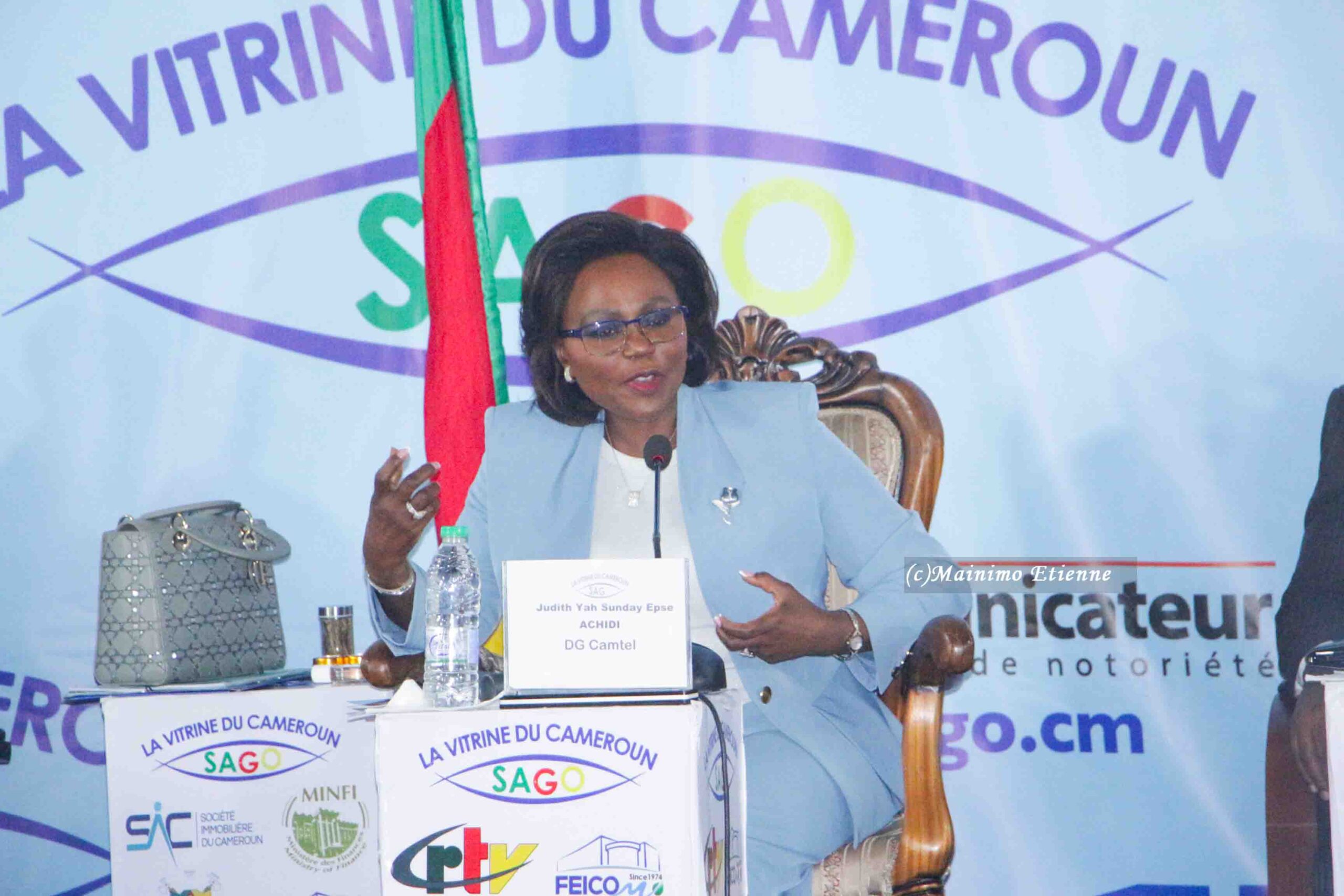
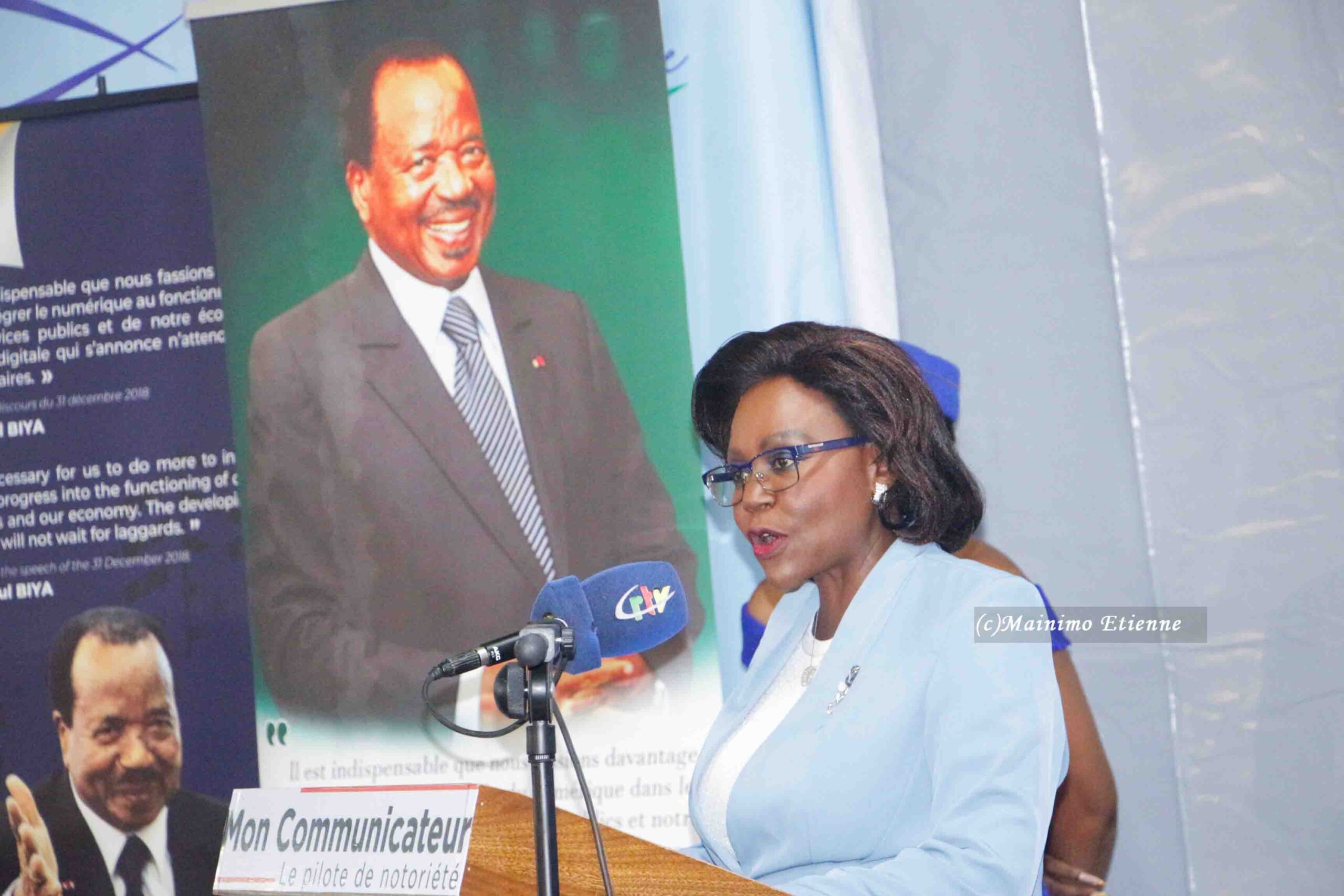
Cameroon’s top telecommunications executive described the facility June 9 as a purpose-built government asset designed to anchor the nation’s sovereign digital environment. Speaking at the Government Action Fair (SAGO) 2026, the General Manager framed data protection as inseparable from national security.
“Today, data is no longer just a simple computer file. They have become a heritage,” Yah Sunday told attendees in Yaoundé. “Data is an identity, an administrative memory, a tool for decision-making and a national security issue.”
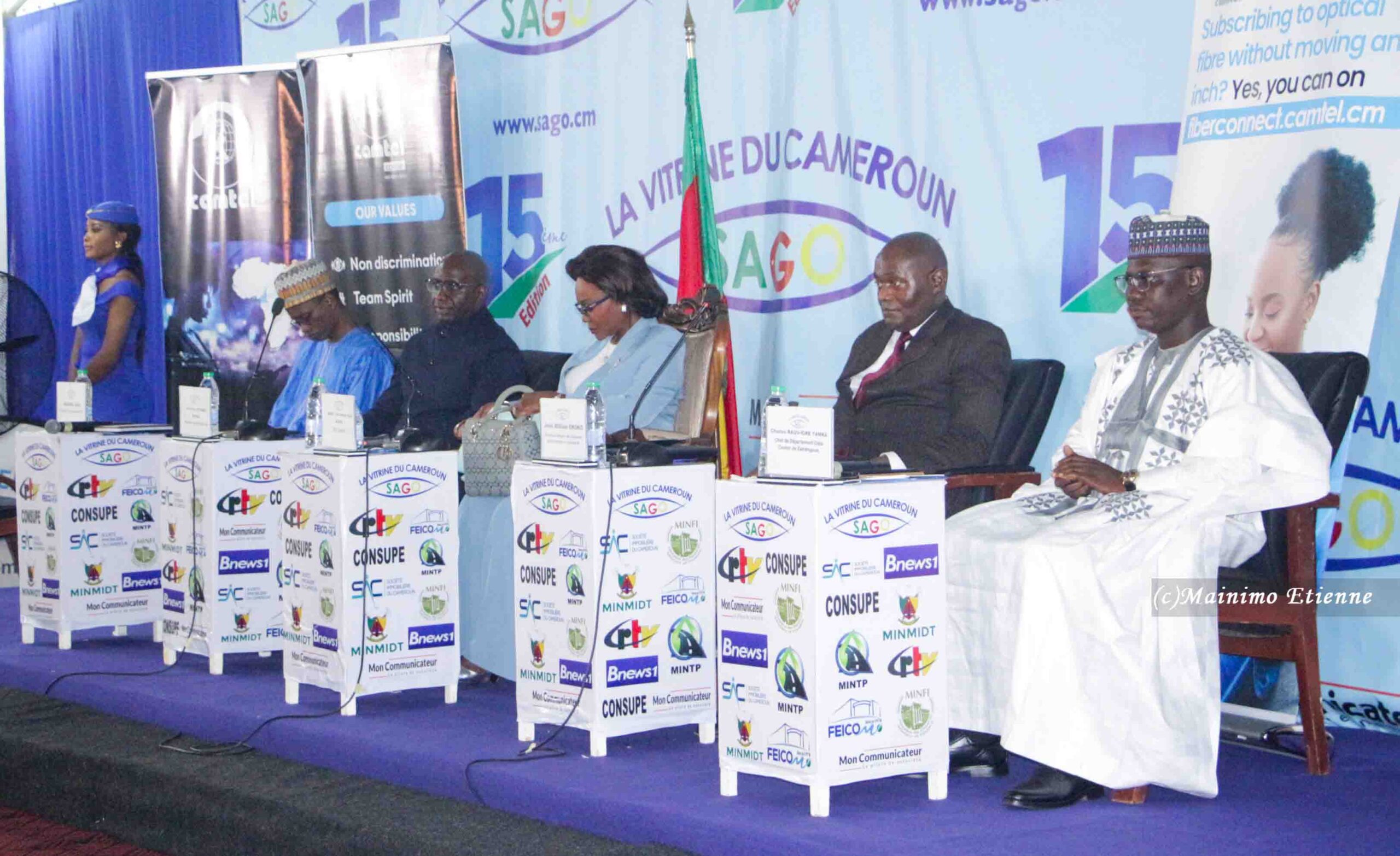
The fair’s theme — “Public–Private Sector Partnership: A driving force for an Emerging Cameroon” — drew policymakers and industry figures. CAMTEL stood as the major sponsor, but Yah Sunday used her platform to deliver a pointed message about technological self-reliance.
Her presentation, themed “Protection of public data and digital sovereignty. Zamengoé data centre at the service of government action and the emergence of Cameroon,” laid out a history of vulnerability.
For years, she said, significant portions of sensitive data involving citizens, businesses and the government were stored on foreign-hosted servers. That exposure invited risks: data breaches, unauthorized access by foreign governments and heightened susceptibility to cyberattacks.
The Zamengoé center, certified Tier 3, offers an alternative. Designed with redundant power sources, advanced cooling, physical security perimeters and sophisticated cybersecurity defenses, the infrastructure stores Cameroonian data locally, manages it under Cameroonian jurisdiction and shields it from outside interference.
“Digital sovereignty is not a slogan,” Yah Sunday said. “It is being built progressively through infrastructure, skills, networks, technological choices and national political will.”
She called the center one of the most robust digital infrastructures in the subregion, noting its connections to major domestic and international networks. More than a technical upgrade, she argued, it aligns with President Paul Biya’s development vision: giving Cameroon reliable capacity to house, secure and control sensitive and critical data.
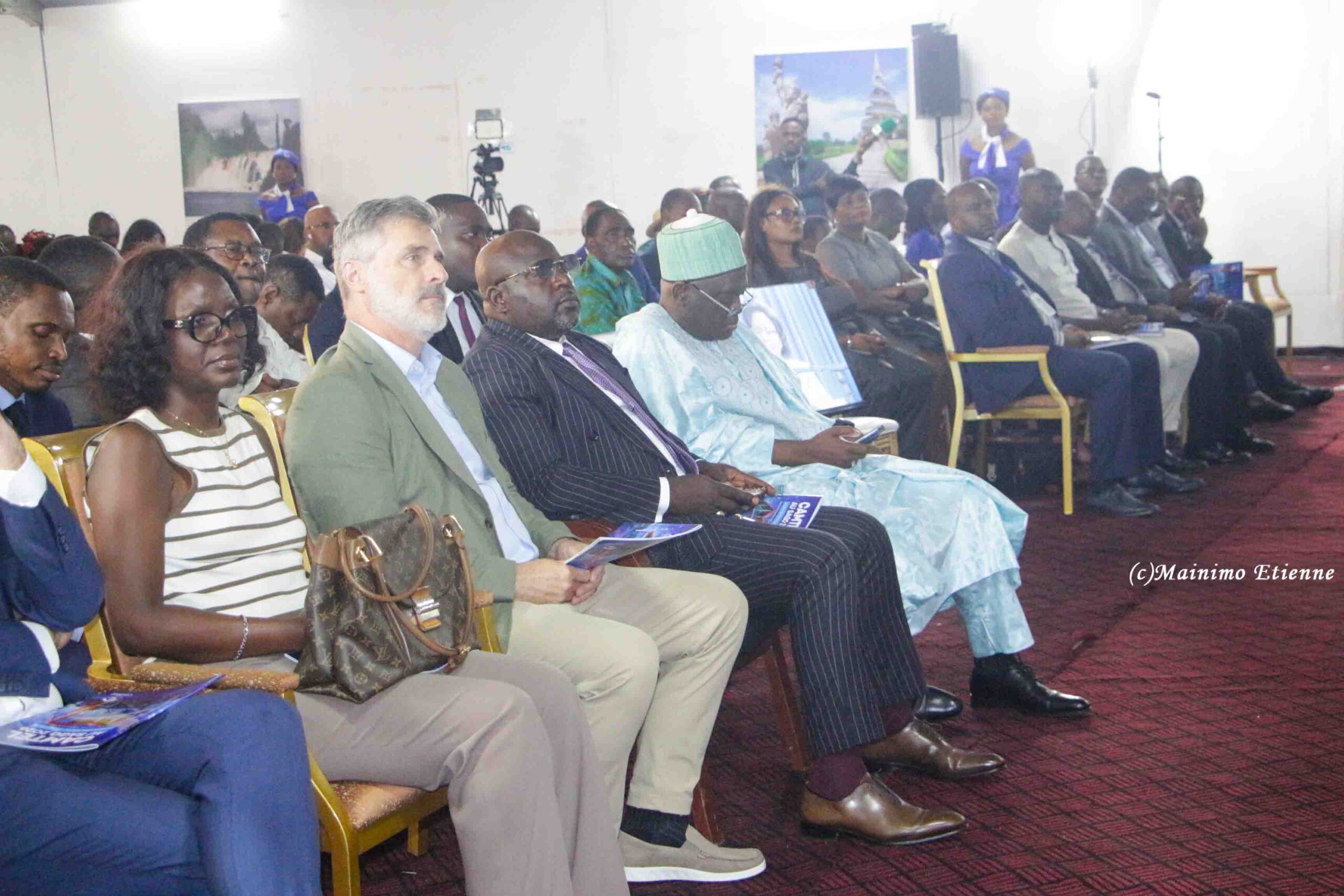
Answering audience questions, Yah Sunday alongside other CAMTEL Officials emphasized that sovereignty also means controlling the underlying technology. Physical and logical security standards at Zamengoé, she said, ensure continuity of critical digital services — government, financial or telecommunications — even during external crises or failures affecting foreign infrastructure.
“The Zamengoé data center embodies Cameroon’s concrete response to its historical dependence on foreign-hosted servers,” she said. “Data control, physical and logical security, and service continuity: this infrastructure is redefining the landscape for the Cameroonian state by strengthening digital sovereignty and ensuring the protection of critical national data.”
For Yah Sunday, the facility is not an endpoint but a foundation. Modernization of the state, she said, must rest on solid ground — and that ground is now in Yaoundé.