By Etienne Mainimo Mengnjo
History is set to be written on Sunday August 16 at the Women’s Africa Cup of Nations, WAFCON final as traditional power Cameroon meets tournament debutant Malawi in a decider filled with unprecedented milestones.
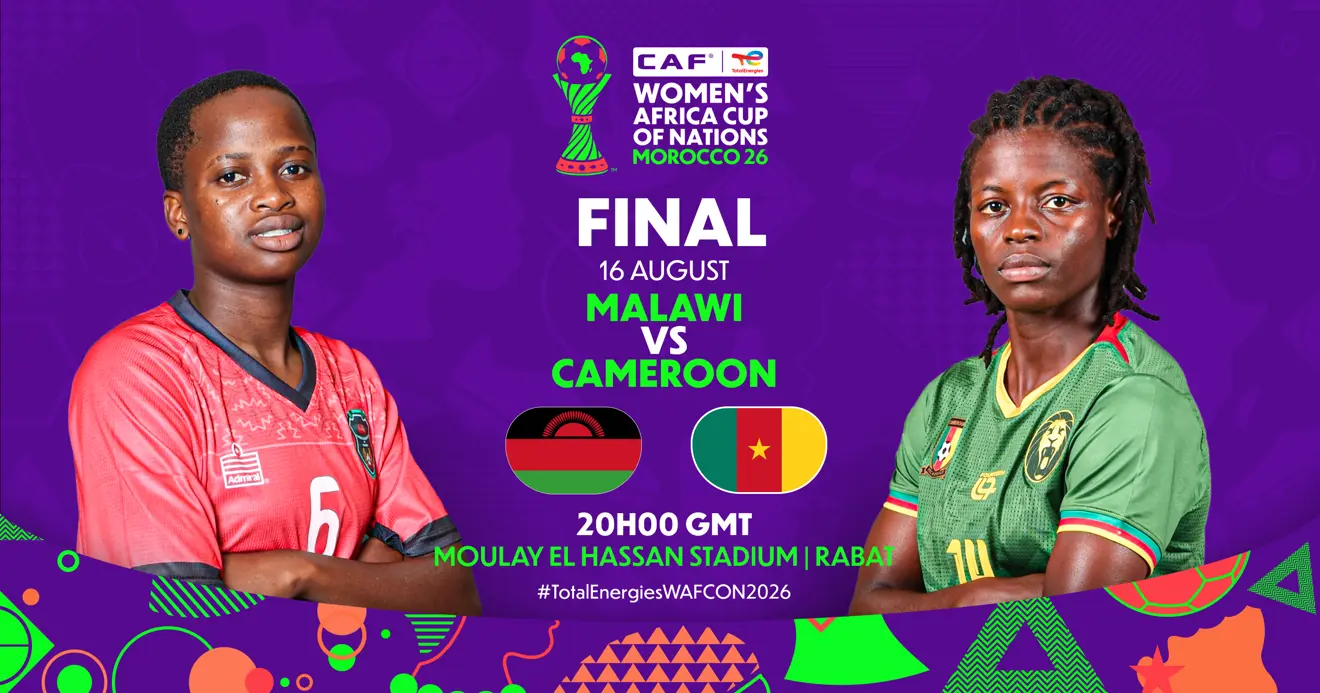
Marking the first final since 2022 in which neither contender has previously lifted the WAFCON trophy, this clash will produce only the fourth different champion in the tournament’s history, joining Nigeria, Equatorial Guinea, and South Africa.
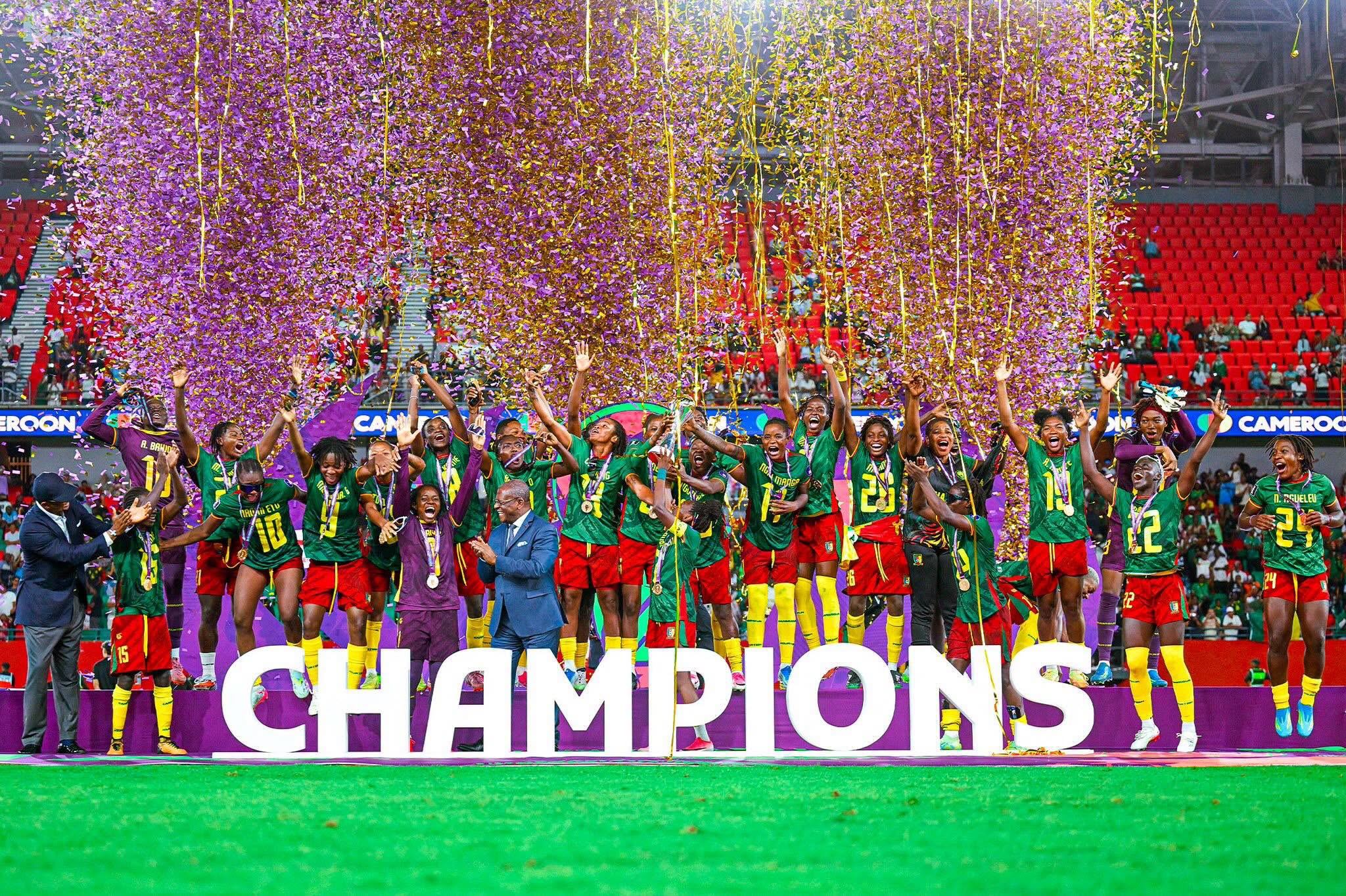
For Cameroon, reaching its fourth final offers an opportunity to join Nigeria and South Africa as the only nations to achieve a sweeping continental double by capturing both the men’s and women’s AFCON crowns.
However, history in the final hurdle has been unforgiving to Central African sides, who have lost five of their seven deciders. Cameroon dropped all three of its previous final appearances in 2004, 2014, and 2016. A loss would equal South Africa’s record of four WAFCON final defeats.
Conversely, Malawi enters as only the second Southern African nation to reach the final after South Africa, aiming to become the region’s second champion. The Scorchers are the first Southern African side to reach the final in their tournament debut.
They have matched a historic standard by winning four games in open play, a feat previously achieved among debutants only by Nigeria when the Super Falcons won five matches in the inaugural 1998 edition.
First-Time Champions Guaranteed As Cameroon, Malawi Meet In WAFCON Final
The contrast in playing styles presents a compelling tactical narrative. Malawi boasts the tournament’s most potent attack with 12 goals scored, whereas Cameroon has leaned heavily on defensive solidity, conceding just twice while registering three clean sheets across the tournament.
Cameroon punched its ticket to the final by eliminating host Morocco in the semi-finals, navigating a North African venue for the first time after playing past finals in Southern Africa or at home. Notably, this is Cameroon’s first final without facing their long-time nemeses, Nigeria. Defensively, Cameroon has allowed just two goals en route to the final, its best run prior to a decider since holding opponents goalless in 2016.
Their semi-final advancement came via a penalty shoot-out victory against Morocco after managing a low 36 percent possession. Goalkeeper Michaely Bihina proved pivotal, becoming the first goalkeeper to save three penalties in a WAFCON shoot-out. Bihina has made 12 saves across two knockout matches, while midfielder Monique Ngock provided the physical engine by winning 20 duels against Morocco.
On his path, Malawi secured its place in the final with a dramatic 3-1 semi-final victory over Algeria in a match where both teams received red cards. Rose Kadzere was sent off in second-half stoppage time, joining Rose Alufandika as the second Malawian player sent off in the tournament. Remarkably, Malawi has won both matches in which it suffered a red card.
The Scorchers’ attack has been driven by the formidable Chawinga sisters, Tabitha and Temwa, who have accounted for nine of Malawi’s 12 goals. Tabitha scored twice against Algeria to reach four goals, while Temwa also found the net to bring her total to five, drawing level with Zambia’s Barbra Banda as the tournament’s co-leading scorer.
Consistency and reliance on a core squad have defined Malawi’s run, using just 17 squad members with five core players—including goalkeeper Mercy Sikelo—playing every single minute of the campaign.
Historically, WAFCON finals lean heavily toward low-scoring, tight affairs. Of the 13 previous finals, nine have been won via clean sheets, and only five finals have been decided by a single goal. Both teams have scored in only four previous finals, and just one final in tournament history has ever ended scoreless or been decided by a penalty shoot-out.
As the two teams prepare to write their own chapter in WAFCON history, one thing is certain: when the final whistle blows, a new name will be etched onto the trophy for the first time since 2022.