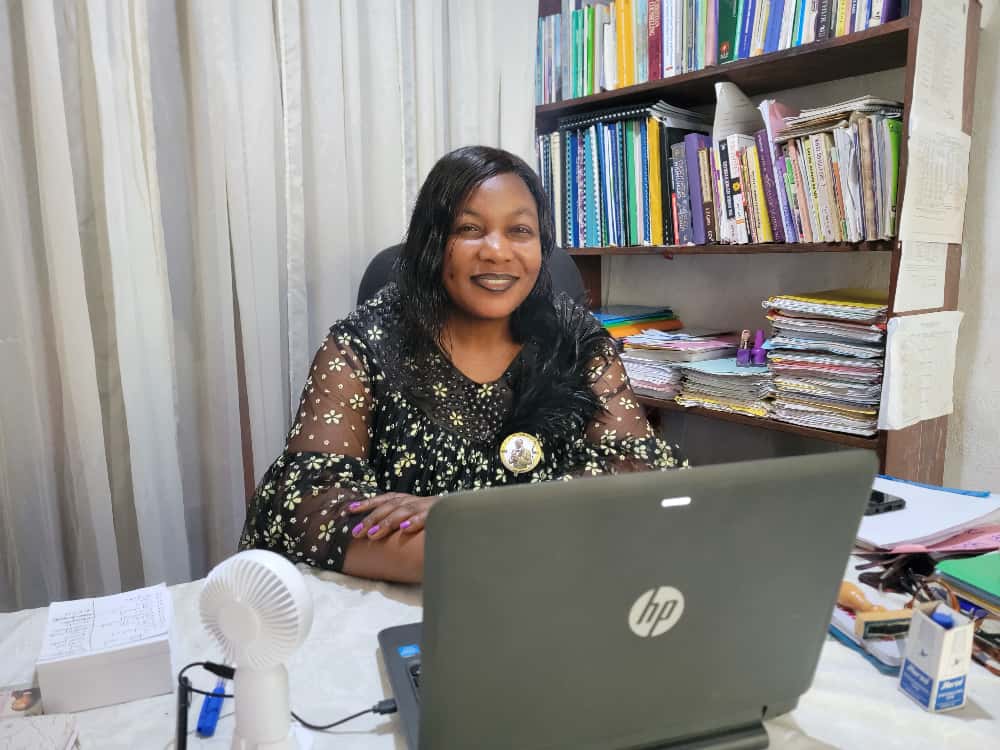
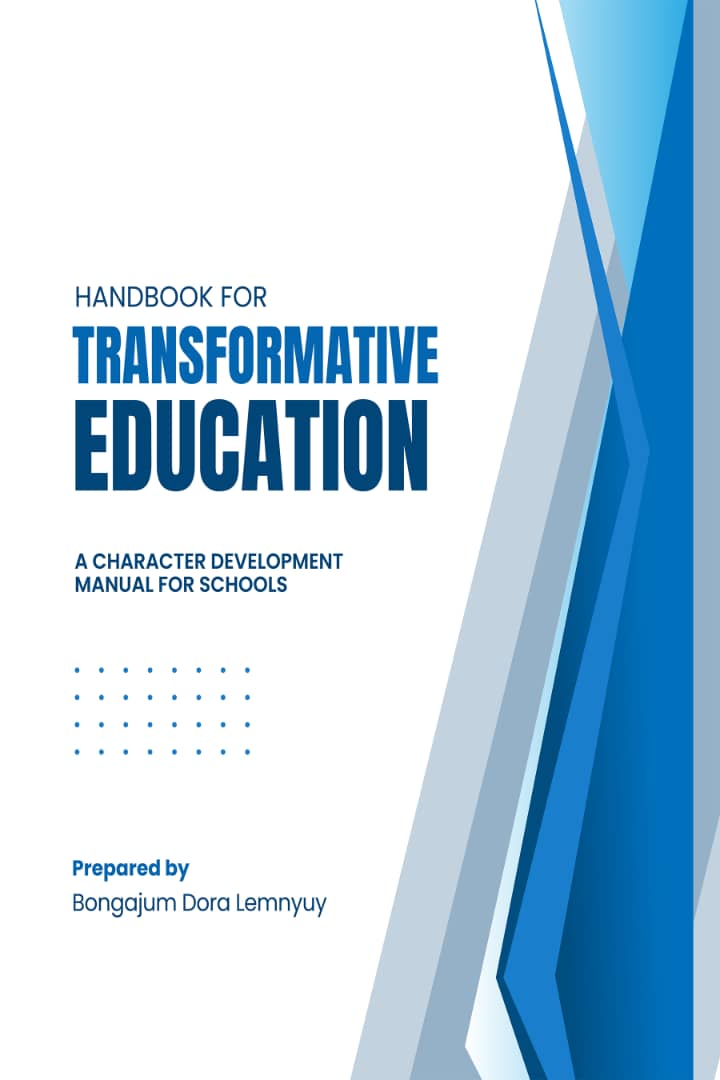
Rev. Dr. Pastor Dora Lemnyuy Bongajum has asserted that true education must prioritize character over academic grades, arguing that a nation’s future is ultimately found in the soul of its children. Speaking in an exclusive interview with The Post following the publication of her new book, “Handbook for Transformative Education: A Character Development Manual for Schools,” Rev. Bongajum emphasized that schooling must go beyond traditional metrics. While her manual offers practical, step-by-step implementation plans and evaluation tools for school leaders, she maintains that the human element is the most vital component. During the conversation, she challenged educators and administrators to serve as living examples of integrity and accountability, fostering an environment where students don’t just study values, but naturally absorb them through observation and daily practice. Read the full excerpts below:
Excerpts:
What inspired you to write “Handbook for Transformative Education: A Character Development Manual for Schools”?
Rev. Dr. Pastor Dora Lemnyuy: My inspiration stems from a deep-seated vision of a society where integrity, compassion, and good governance are the norm rather than the exception. In witnessing global struggles with corruption, environmental decay, and a general disregard for human life, I felt a spiritual and professional calling to act. I often return to the wisdom of Proverbs 22:6, which highlights the lifelong impact of training a child in the right way. As an advocate for change, I realized that while many desire a better world, schools often lack a guided, practical approach to nurturing the soul of a student. This handbook serves as a response to that void, offering a roadmap for schools and communities to raise morally and spiritually upright individuals. I am grateful that this manual is now available globally on Amazon to support that mission.
In simple terms, what does “transformative education” mean, and why is it so urgent for schools today?
At its heart, transformative education is a process of making meaningful sense of our experiences to create positive change. It is not just about memorizing facts; it is about an enhanced awareness of our beliefs and a willingness to critique our own assumptions. It encourages students to look at alternative perspectives, let go of old, unhelpful habits, and adopt new ways of thinking that benefit the broader community. In the context of this handbook, it means empowering students to become active, empathetic citizens rather than passive learners. We need this right now because the world is changing rapidly, and students need more than just technical skills—they need the character to navigate complex ethical landscapes and drive social progress.
As a practical guide, what specific tools and activities will educators find within the book?
The handbook is designed to be a functional resource filled with actionable content. Teachers will find character development modules that include lesson plans on honesty and respect, alongside spiritual exercises focused on mindfulness and gratitude. We also dive into the attributes of good governance, such as accountability and leadership. Beyond the classroom, the book provides guidance on establishing school chaplaincy and pastoral care, including techniques for trauma healing.
We also emphasize environmental stewardship through sustainability projects and social responsibility via restorative justice practices. To make these concepts come alive, I have included role-playing exercises for conflict resolution, service-learning projects like community clean-ups, and reflective journaling. Finally, the book offers step-by-step implementation plans and evaluation tools to help school leaders measure the impact of these programs.
How has your diverse background as a pastor, chaplain, and academic shaped the ideas in this manual?
My journey has been a blend of faith, practice, and research. As a pastor, I am able to integrate spiritual values into the educational framework, while my time as a school and hospital chaplain helped me identify the specific gaps in pastoral care that this manual seeks to fill. My PhD in Educational Foundations and Administration allowed me to ground these ideas in technical teaching strategies and research-based best practices. Furthermore, my theological background provides a unique lens on human nature, blending general ethics with African morality and spirituality. I believe experience is the best teacher, and my personal journey makes this manual both authentic and relatable for those on the front lines of education.
Many schools prioritize academic grades above all else. How does your book help them find a balance?
The manual demonstrates that academic success and character development are not in competition; they go hand-in-hand. We provide strategies to integrate character building into the existing curricula so it doesn’t feel like an “extra” burden. By highlighting how emotional intelligence and moral stability actually enhance a student’s ability to learn, we encourage schools to prioritize holistic growth. Significantly, the book also focuses on teacher development. An educator cannot give what they do not have. We challenge teachers and leaders to be living examples of integrity and accountability, creating an environment where students naturally absorb these values through observation and practice.
This is your third book. How does it differ from your previous work, and who is the intended audience?
While my previous books explored social transformation, personnel development at the seminary level, and the “three pillars” of a better community, this handbook is the culmination of those ideas specifically tailored for the educational system. It is meant for anyone invested in the next generation. This includes teachers and school administrators looking for a more holistic approach, but it is equally valuable for parents who want to support their child’s growth at home. It is also a vital resource for school chaplains, youth mentors, and even religious leaders in seminaries or mosques who are passionate about fostering positive values in young people.
As a mother and community leader, how do you see the relationship between families, communities, and schools?
Schools cannot do this work in isolation. Families and communities are the primary partners in transformative education. When parents model respect and responsibility at home, they reinforce the lessons taught in the classroom. Communities then provide the real-world stage where these values are practiced, whether through cultural events or service projects. Together, these three pillars create a supportive ecosystem. This collaboration helps students see that their education is relevant to real life, ultimately building a stronger and more cohesive society.
What is your greatest hope for the impact of this handbook over the next five years?
My hope is to see a fundamental shift in how we define a “successful” student. In Cameroon, for example, many students earn high marks in Religious Studies as an academic subject, yet we still see challenges with morality and the misuse of social media. I want to see this manual adopted as a standard text across all levels of education to combat issues like poor waste management and social decay. I have done my part by creating this resource, and now I invite everyone who longs for a better world to join me in putting these materials into practice. In five years, I envision schools producing well-rounded individuals who excel in their exams but, more importantly, excel in their humanity.
Interviewed by Etienne Mainimo Mengnjo