



List Posts

View All
Society

AFROMEDI VI Journalists Pledge Citizen-Centred Reporting To Advance Debt Justice Across Africa

By Etienne Mainimo Mengnjo The sixth edition of the African Media Initiative (AFROMEDI VI) has concluded in Nairobi, Kenya, leaving…

Sports

CAMTEL Retains Blue Podium As Race Begins

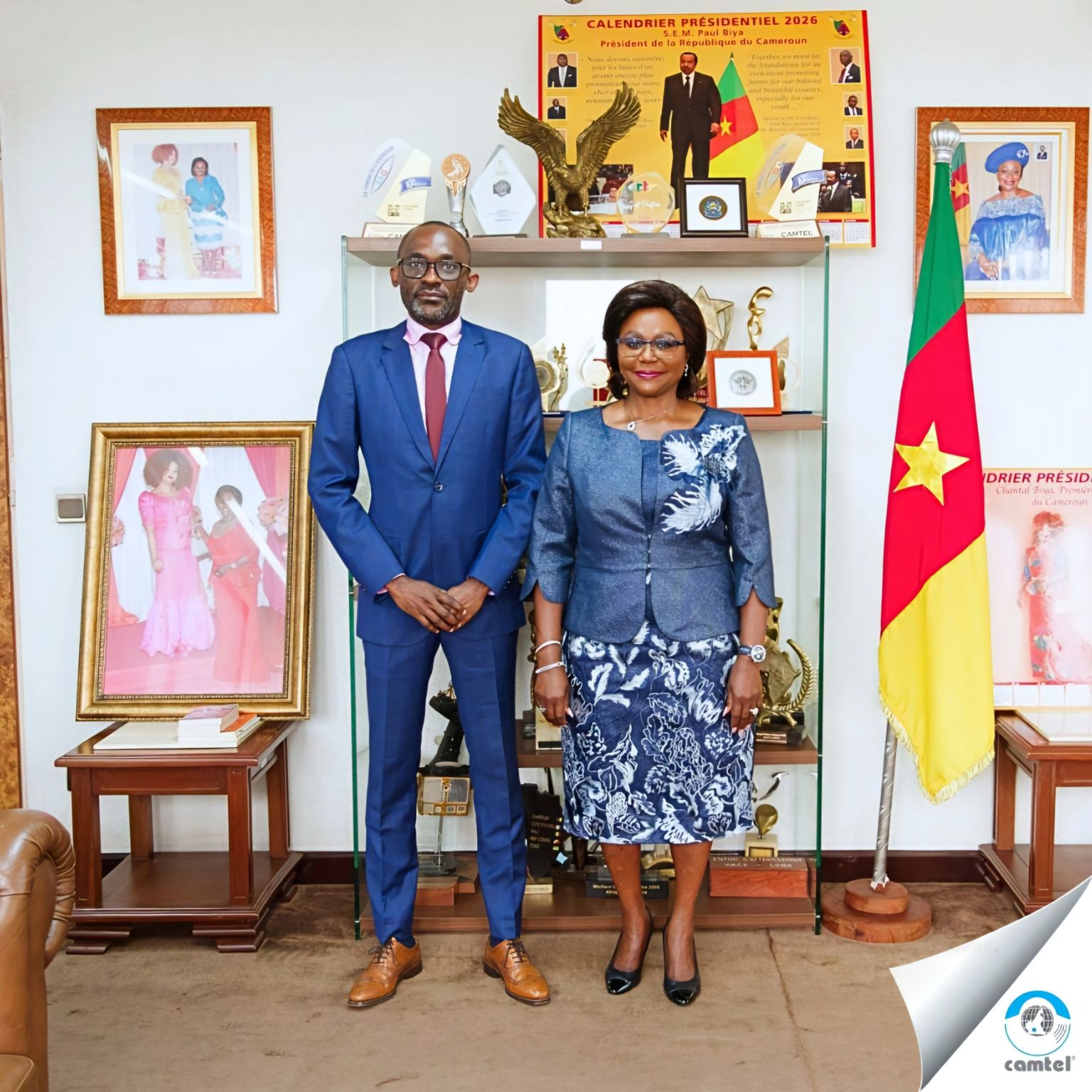
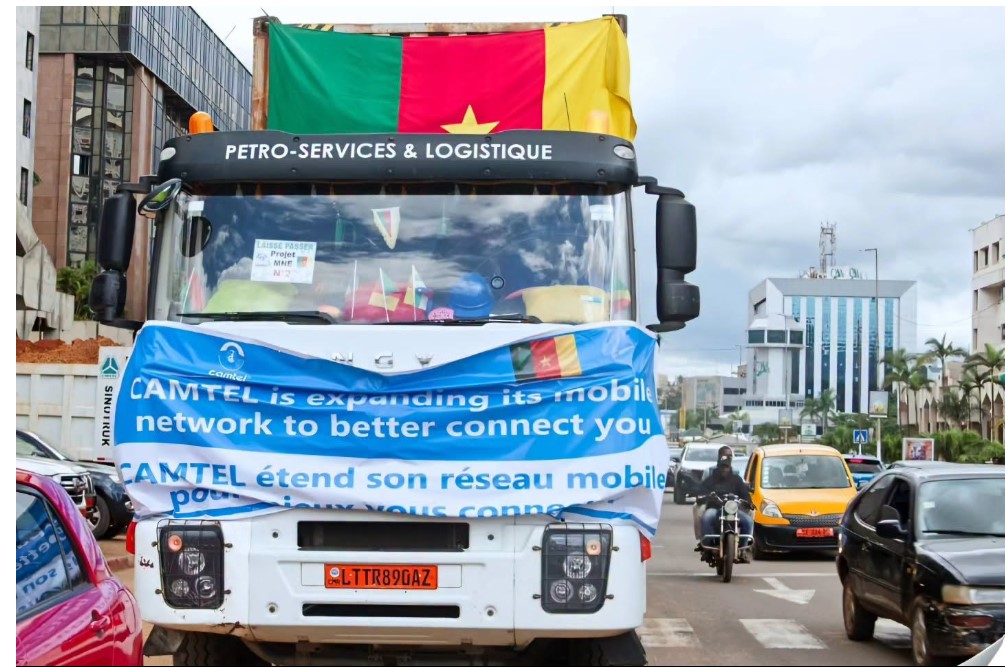
By Brian Mboh The 22nd International Cycling Tour of Cameroon is officially underway, with state-owned telecommunications firm CAMTEL and its…

Culture

Cameroon Festival of Living Together,Takes Center-Stage in Washington DC

By Brian Mboh It was in an electrifying atmosphere, marked by colour , rhythms and traditions from Cameroon, that a…

Culture

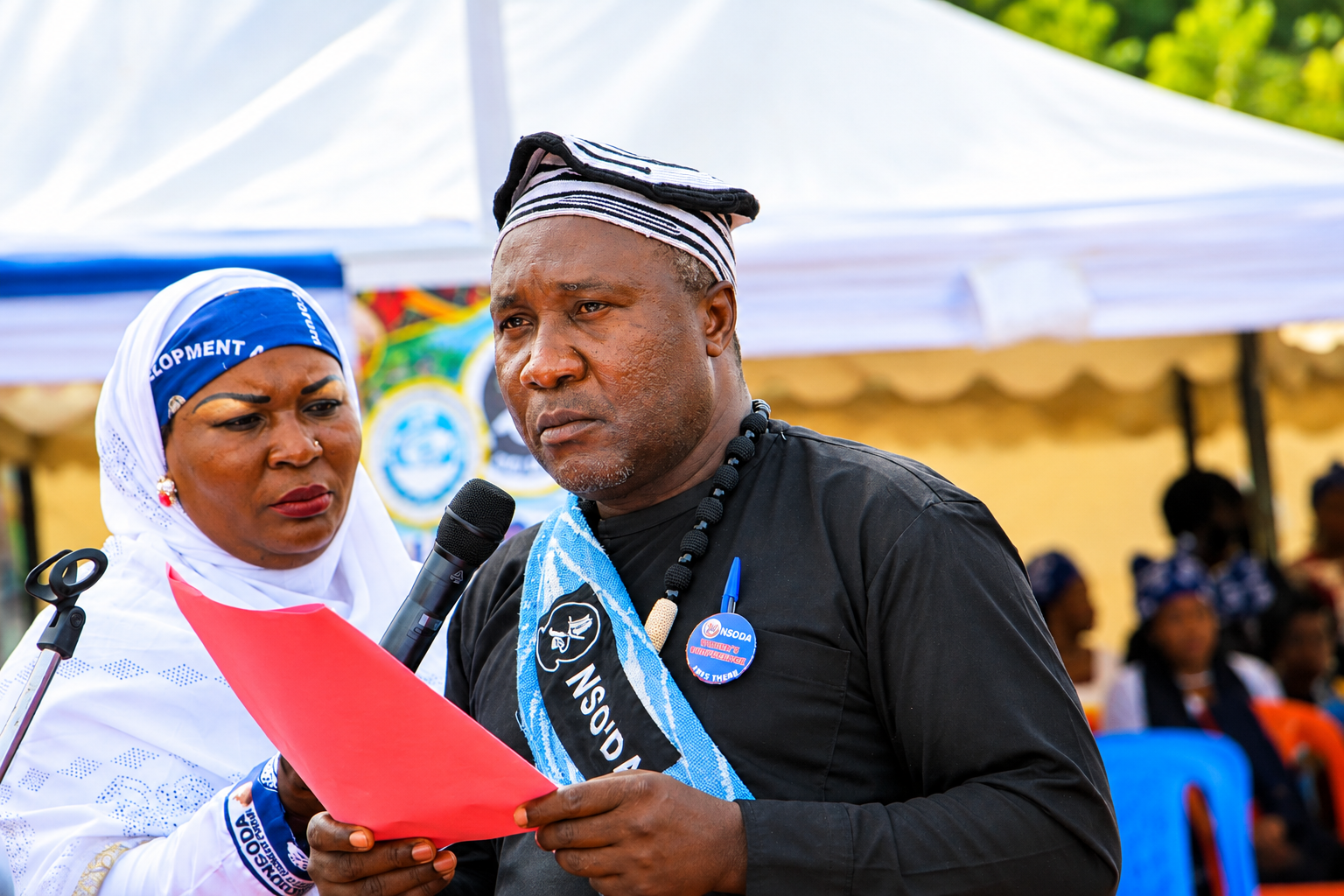
Fon Of Nso To Unveil Maiden Book On Peace, Reconciliation, And Ancestral Wisdom, June 25

By Etienne Mainimo Mengnjo His Royal Highness Fon Sehm Mbinglo I, the traditional ruler of Nso, will officially launch his…

Cameroonian Healthtech Company Waspito Named A Top 10 Finalist For Africa’s Business Heroes Prize

By Etienne Mainimo Mengnjo

Cameroon’s Waspito, an innovative African telemedicine platform, has been selected as one of the 10 finalists for the prestigious 2025 Africa’s Business Heroes (ABH) Prize. Waspito is the only company from Cameroon to make the list, which features nine other innovative businesses from across the continent.

Africa’s Business Heroes 2025 Top 10 Finalists announced at Semi-Final event (Source: ABH)

The announcement made recently following a highly competitive semi-final round held in Dakar, Senegal, from September 10–11. The ABH Prize is a flagship philanthropic initiative of Alibaba Philanthropy that aims to support and celebrate African entrepreneurs.


The Road to the Grand Finale

The selection process was rigorous, starting with a pool of nearly 32,000 applicants. The top 20 semi-finalists advanced through multiple rounds of evaluation, including extensive due diligence and live pitch sessions before a distinguished panel of judges.

The judges—Hasan Haidar (Managing Director, PlusVC), Moulaye Taboure (CEO & Founder, ANKA), and Jason Pau (Vice President, Alibaba Group)—evaluated the candidates on their innovation, impact, scalability, and leadership.

“Our Top 10 Finalists embody the best of African entrepreneurship—visionary leaders building bold, scalable businesses that create meaningful social and environmental impact,” said Zahra Baitie-Boateng, ABH’s Africa Managing Director. “Their journeys showcase the ingenuity, grit, and diversity of Africa’s entrepreneurial talent.”


Competing for a Share of $1.5 Million

The top 10 “heroes” will now head to the seventh ABH Grand Finale in Kigali, Rwanda, on December 12-13, 2025, where they will compete for a share of US$1.5 million in grant funding. The grand prize winner will receive US$300,000, while the other finalists will each take home at least US$100,000. All finalists will also receive access to mentorship, global networks, and storytelling opportunities to help accelerate their growth.

Moulaye Taboure, a former ABH finalist, returned as a judge for the first time. “As a former ABH Top 10 Hero, I know the transformative power of this platform,” Taboure said. “I am thrilled to congratulate this year’s Top 10 finalists. Their innovation, resilience, and impact are inspiring.” The competition, now in its seventh year, continues to celebrate and empower Africa’s most promising entrepreneurs.


2025 Top 10 Finalists:

Wyclife Onyango – BuuPass (Kenya) – Transport / Digital Ticketing

Siny Samba – Le Lionceau (Senegal) – FoodTech / Infant Nutrition

Mukasahaha Diane – DIKAM Ltd (Rwanda) – Textiles / Women & Youth Empowerment

Baraka Chijenga – Kilimo Fresh Foods Africa Limited (Tanzania) – AgriTech / Food Security

Janet Kuteli – Fortune Credit Limited (Kenya) – FinTech / Microfinance

Diana Orembe – NovFeed (Tanzania) – AgriTech / Biotech

Abraham Mbuthia – Uzapoint Technologies Limited (Kenya) – SME Tech / Digital Tools

Gohar Said – Suplyd (Egypt) – FoodTech / Supply Chain

Adriaan Kruger – nuvoteQ (South Africa) – HealthTech / Digital Solutions

Jean Lobe Lobe – Waspito (Cameroon) – HealthTech / Telemedicine

Pan-African Trade Fair Propels Continental Integration With Major $48.3B In Deals

By Etienne Mainimo Mengnjo

The fourth Intra-African Trade Fair concluded in a resounding success here, with $48.3 billion in trade and investment deals signed during the weeklong continental exposition. The event, which ended Sept. 10, drew more than 112,000 visitors, both physical and virtual, from 132 countries. A total of 958 buyers also participated.

Leaders during the closing ceremony of IATF2025 (Source: Afreximbank)

The trade fair was organized by the African Export-Import Bank (Afreximbank) in partnership with the African Union Commission (AUC) and the African Continental Free Trade Area (AfCFTA) Secretariat.

Speaking at the closing ceremony, Chief Olusegun Obasanjo, former Nigerian president and chairman of the Advisory Council of IATF2023, said the fair had surpassed all expectations. He expressed a “sense of accomplishment and feeling of satisfaction” at the outcome, which he attributed to the vibrant exchanges and dynamic partnerships that pervaded the event.

“Through vibrant exchanges and partnerships, IATF2023 has exceeded our expectations and now stands as the biggest ever,” Obasanjo said. “It has sown the seed of future prosperity for our shared vision of an economically integrated Africa. We need to continue building on these established connections in exploring new opportunities, working together to realize the full benefits of AfCFTA.”

There were also enriching discussions by political, business and other leaders on key Intra-African trade issues during the conference segment of the trade fair, with some of the most sought-after African and international speakers participating.

Other key outcomes from the event included the institutionalization of the Intra-African Trade Fair as a stand-alone treaty-based entity called IATFCO, with its headquarters in Harare, Zimbabwe. Lagos, Nigeria, was announced as the venue for the next IATF in 2025, with the hosting flag presented to the Nigerian trade minister, Dr. Jumoke Oduwole.

The hosting rights for the Sixth African Sub-Sovereign Governments Network (AfSNET) Investment Conference in 2026 were also awarded to Cross River State of Nigeria, with Calabar as the designated venue. The hosting agreement was signed by Gov. Bassey Edet Otu on behalf of the state and Kanayo Awani, executive vice president of Intra-African Trade and Export Development, on behalf of Afreximbank.

Algeria, a natural choice for IATF2023 because of its established industrial value chains, diversified economy and strategic location, accounted for $11.4 billion of the total contracts signed, representing 23.6% of the total deals. An additional $11.6 billion in export opportunities for Algerian companies from the fair are still scheduled to be signed.

Algerian businesses took advantage of the fair to showcase their products, attract investment and connect with new partners, establishing long-term business relationships in support of AfCFTA implementation. The impressive turnout also brought heightened media visibility to the Maghreb country, boosting its trade prospects. The tourism and hospitality sectors benefited from a boom in patronage of hotels, transport and logistics companies, tour operators and other businesses.

The closing ceremony also featured an awards segment. Winners included Mota Engil for Best Stand Design (Entity), Zambia for Best Stand Design (Pavilion), and Nigeria for Best Stand. The award for Best Stand Feature went to Zimbabwe, Most Sustainable/Going Green to Ogun State, Nigeria, Most Innovative Stand to Arise IIP, the CANEX Award to the Ministry of Arts and Culture, Algeria, and the African Automotive Show Award to Fiat Stellantis.

Awards were also presented in the AU Youth Startup, Healthcare Technology Innovation Hackathon and SME Pitch categories. Thousands of African businesses, including SMEs, have connected with new partners and entered new markets through the IATF platform.

The opening ceremony, addressed by Algerian President Abdelmadjid Tebboune among other dignitaries, featured a lively summit-style discussion with 14 Heads of State and government, six government representatives and 41 ministers and deputy ministers.

According to the IATF2023 Report Card, the event welcomed 2,148 exhibitors and featured major activities. These included a trade exhibition, a four-day trade and investment forum, the Creative Africa Nexus (CANEX) program covering fashion, music, film, arts and craft, sports, literature and gastronomy, as well as the Africa Automotive Show.

The robust program also included nine Special Days hosted by countries and organizations, including an IATF2023 Global Africa Day that highlighted commercial and cultural ties between Africa and its diaspora, the Arise IIP Industrial Day, and the Dangote Day. The event also featured B2B and B2G matchmaking programs to facilitate strategic partnerships and government collaborations.

The AU Youth Start-Up Programme showcased innovative ideas and prototypes, and the Africa Research and Innovation Hub @ IATF targeted academia and national researchers. The activities were preceded by the IATF Virtual Platform, which had been live throughout the year, connecting exhibitors and visitors.


At Open-Door-Day, Bissaï University Institute Showcases Unique Vocational-Academic Model

By Etienne Mainimo Mengnjo

Bissaï University Institute has open it doors to the public presenting an innovative vocational-academic model that bridges the gap between theoretical knowledge and practical skills. On September 13, the institute welcome hundreds of visitors giving them a firsthand look at its unique educational model that blends academic studies with hands-on vocational training.

Bissaï University Institute officials giving first-hand information during the open-door-day (Photo Credit: Mainimo Etienne)


Situated at Ekounou-Deux-Chevaux, the open day event provided prospective students and parents an opportunity to explore its programs, meet with lecturers, and tour the facilities. University officials stressed the institution’s distinct philosophy, which is designed to create job creators rather than just job seekers.

“After three years of operation, Bissaï University Institute thought it wise to communicate with parents and Cameroonians on the philosophy behind its creation,” said Abel Bela Samari, Deputy Manager of Communications and Public Relations at RENAPROV Finance SA, the institute’s parent company.

Cross Section of parents reacting during the open-door-day (Photo Credit: Mainimo Etienne)

He explained that the institute’s integration of the standard university LMD programme with professional training often causes confusion, making events like this essential for clarity.

“We wanted to have one-to-one communication with parents to give them the reason why their children should study here,” Samari stated. “We also want to communicate that this is not an expensive university; even those with limited means can send their children here.”

Central to this mission is a teaching approach heavily weighted toward practical experience. The institute operates on an 80 percent practical and 20 percent theory model, leveraging its connection to the RENAPROV corporate group.

Lecturers giving first-hand information during the open-door-day (Photo Credit: Mainimo Etienne)

“The 80 percent practical are done in the different enterprises that make up the group,” Samari Abel noted. “This is what we call the solidarity economy in action.”

Students on their part attest to the program’s effectiveness. “I can already consider myself a professional,” said Bindzi Odoumou, a journalism student. He described the institute’s alternating schedule of three weeks in class and three weeks of internship. “Since the beginning until now, it’s been going very well… I am inviting my brothers and sisters to join because they will not be disappointed.”

Cross Section of visitors during the open-door-day (Photo Credit: Mainimo Etienne)

Blessing Kenah Nyaah, a would-be graduate, said her three years at the institute had been “so far, so good” and that she had no regrets about her choice. She indicated that she is ready and very ready to give the best as she goes to the job market.

Journalism student Christine Abomo Yomba highlighted the competitive edge the training provides. “During our internships, we were a step ahead of other students in our actions. We are perfectly bilingual and open to opportunities, but you must be hardworking and be the best.”

Students demonstrating their skills during the open-door-day (Photo Credit: Mainimo Etienne)

The open day allowed visitors to explore the institute’s various programs in fields such as banking, insurance, health, and journalism. Attendees also had the chance to participate in workshops, attend conferences, and speak directly with teachers and guidance counselors.

Basketball Africa League, Afreximbank Expand Partnership To Invest In African Talent

By Etienne Mainimo Mengnjo

The Basketball Africa League (BAL) and African Export-Import Bank (Afreximbank) have expanded their multi-year partnership with a new series of initiatives designed to empower young African basketball professionals. The collaboration, announced on Saturday, September 6, at the fourth Intra-African Trade Fair (IATF2025) in Algeria, aims to enhance financial literacy and support the continent’s growing creative industries.

Basketball Africa League and Afreximbank collaboration signing ceremony (Photo Credit: Basketball Africa League)

The expanded partnership was officially launched during a signing ceremony at Afreximbank’s Creative Africa Nexus (CANEX), which is part of IATF2025. BAL President Amadou Gallo Fall and Mrs. Kanayo Awani, Afreximbank’s Executive Vice President of Intra-African Trade and Export Development, led the announcement.

Building on its existing support for BAL Advance, a program that strengthens financial literacy for BAL players and coaches, Afreximbank will now introduce “BAL Advance: Next Play” during the league’s sixth season, which tips off in 2026.

This new initiative will offer targeted business workshops and strategic networking opportunities to help players and coaches develop entrepreneurial skills. By leveraging their unique perspectives, they can drive innovation and growth across Africa’s sports ecosystem.

For the first time, Afreximbank will also support the development of emerging professionals in the sports industry through BAL Future Pros. This year-round program will provide early-career talent across Africa with the skills, experience, and networks needed to build successful careers.

Online applications will open on the NBA and BAL career websites later in September, with selected participants joining various BAL departments by the end of the year.

Following the signing ceremony, Amadou Gallo Fall and Mr. Temwa Gondwe, Afreximbank’s Director of Creatives and Diaspora, participated in a discussion and masterclass on the business of sports.

The session was hosted by BAL Ambassador and 2011 NBA champion Ian Mahinmi. The BAL and Afreximbank also hosted a BAL4Her camp for 20 female U-23 athletes from the local community at Staouéli Court in Algiers from September 5-6.

“Our long-standing collaboration with Afreximbank is part of our commitment to using basketball as an economic growth engine and the BAL as a platform to develop and showcase African excellence,” said Fall. “We look forward to continuing this work to further grow the African basketball ecosystem and the continent’s broader sports industry.”

Awani commented on the collaboration, highlighting the BAL’s significant contribution to advancing Africa’s creative sector.

“Afreximbank is committed to supporting the BAL’s premier networking and thought-leadership events, including the league’s annual Innovation Summit,” she said. “We will also support the launch of a new content series that celebrates African fashion designers in sports, which is set to debut soon.”

Canon Europe Unveils RF 85MM F1.4L VCM, Ultimate Portrait Lens For Creatives

By Etienne Mainimo Mengnjo

Canon Europe has announced the RF 85MM F1.4L VCM, a professional portrait lens that extends the Hybrid RF prime range, delivering greater reach and versatility for creative photography and filmmaking. This new lens offers uncompromising optical quality with a flattering 85mm focal length that gently compresses facial features, making the RF 85MM F1.4L VCM ideal for portraiture.

RF-85MM-F1.4L-VCM (1) (Source: Canon Central and North Africa)

Its ultra-wide f/1.4 maximum aperture ensures striking separation of the subject and background, while UD and aspheric lens elements, combined with Super Spectra and ASC coatings, achieve remarkable sharpness exactly where it matters.

Photographers working in weddings, events, low-light, and product photography will benefit from the RF 85MM F1.4L VCM’s exceptional artistry and precision. The smooth and silent Voice Coil Motor (VCM) (1) AF technology provides precise focusing with minimal focus breathing.

Combined with a dedicated smooth action Iris Ring (2) and a customizable Lens Control Ring and Lens Function Button, the RF 85MM F1.4L VCM equips filmmakers with a flexible and reliable tool. Its design aligns with Canon’s RF F1.4 hybrid primes, allowing seamless use with the rest of the range for an efficient shooting workflow.

RF-85MM-F1.4L-VCM (2) (Source: Canon Central and North Africa)

At approximately half the size and weight of the RF 85mm F1.2L USM, the RF 85MM F1.4L VCM is built for shooting on the move. Its L-series construction, featuring well-placed weather seals and an oil-repellent fluorine coating, provides reassurance in adverse conditions.

With its high-performance prime lens design, fast f/1.4 aperture, and hybrid features, the RF 85MM F1.4L VCM is the professional’s choice for distinctive portrait images and video.

Key Features:

  • Classic 85mm portrait focal length for full-frame EOS R System and Cinema EOS cameras (RF mount)
  • Bright f/1.4 maximum aperture offers creative depth-of-field control and low-light performance alongside high image quality
  • Advanced optical design featuring UD and aspheric lens elements
  • Voice Coil Motor for quiet, ultra-responsive autofocus and focus breathing suppression
  • 11-blade circular aperture for cinematic bokeh and highlights
  • Smooth action Iris Ring, Control Ring, and Lens Control button for intuitive manual control
  • Durable L-series build quality with dust/moisture resistance
  • Compact and lightweight at approximately 636g, measuring 76.5mm (W) x 99.3mm (L)

Cameroon’s World Cup Hopes Dim After Shock Loss to Cape Verde

By Etienne Mainimo Mengnjo

Cameroon’s hopes of direct qualification for the 2026 FIFA World Cup have suffered a major setback after their 1-0 loss to Cape Verde in Group D. The match took place in Praia on September 9. The result ended coach Marc Brys’ 13-match unbeaten run with the Indomitable Lions and leaves the team four points behind group leader Cape Verde with two matches remaining.

Striker Dailon Livramento scored the only goal in the 54th minute, dispossessing Carlos Baleba in midfield, driving through the center of Cameroon’s defense and finishing calmly past goalkeeper Andre Onana.

However, Cameroon struggled to create clear chances in response. A penalty appeal from forward Bryan Mbeumo was denied, and Cape Verde goalkeeper Vozinha saved a stoppage-time volley from defender Flavien Boyomo.

The final whistle sparked a pitch invasion by home fans, who waved flags and lit flares in celebration.


Cape Verde now has 19 points from eight matches. Cameroon remains on 15 points and must win its final two games — away to Mauritius and at home against Angola — and hope Cape Verde drops points in its remaining matches against Libya and Eswatini.

Only the top team from each African qualifying group automatically advances to the 2026 World Cup. The best four group runners-up will enter a playoff tournament for two additional spots.

Cape Verde, which lost 4-1 to Cameroon in Yaoundé last year, could become the second-smallest nation to ever qualify for a World Cup with a strong finish in October.


Dr. Michelle White Appointed Mercy Ships New Chief Executive Officer

By Etienne Mainimo Mengnjo

Mercy Ships, the international non-profit that operates the world’s largest fleet of civilian hospital ships, has appointed Dr. Michelle White as its new Chief Executive Officer.

Dr. Michelle White, New Chief Executive Officer of Mercy Ships (Source: Mercy Ships)

Dr. White, a long-standing member of the Mercy Ships community, first volunteered with the organization in 2005. She later spent five years aboard the Africa Mercy in leadership roles, including Deputy Chief Medical Officer and Director of Medical Capacity Building.

A native of the United Kingdom, she is a current Trustee of Mercy Ships UK and a member of the Mercy Ships International Board of Directors.

In addition to her work with Mercy Ships, Dr. White is an award-winning Anesthesiologist at Great Ormond Street Hospital in London, one of Europe’s leading children’s hospitals. There, she leads complex surgical services and has introduced significant operational improvements.

Her career also includes spearheading multi-country health system initiatives in Africa, where she has partnered with Ministers of Health, NGOs, and donors to expand surgical safety and training programs.

Reflecting on her new role, Dr. White stated, “I believe this opportunity represents the culmination of my professional calling and spiritual journey. This is a chance to lead an organization I love into its next season of growth and gospel-shaped impact.”

With more than 17 years of leadership experience in healthcare, missions, and academia, Dr. White brings a unique blend of clinical excellence, non-profit governance, and faith-driven servant leadership to the position. She has authored over 70 peer-reviewed publications and continues to champion operational excellence.

“Dr. Michelle White lives out the values and vision that have defined Mercy Ships for nearly 50 years,” said Board Chair Gary Brown. “As a valued MSI Board member, we have seen her medical expertise, leadership skills, and deep commitment to Jesus. Her long-standing service as a volunteer with our community makes her the ideal leader Mercy Ships needs for the years ahead.”

Dr. White is expected to assume her new role early next year after transitioning from her position at Great Ormond Street Hospital. She succeeds Interim CEO and Board Chair Gary Brown, who has led the organization during the transition period. The firm of CarterBaldwin Executive Search supported Mercy Ships in the selection process.


Africa Must Be The Architect Of Its Own Ecological Future – SECAM

By Etienne Mainimo Mengnjo

The Symposium of Episcopal Conferences of Africa and Madagascar (SECAM) has declared that Africa must not be a passive recipient of external climate agendas. Instead, it must become a full architect of its own ecological future. This powerful message was delivered at the Second Africa Climate Summit.

In a formal statement, SECAM affirmed that the climate crisis is a moral and ecological emergency. Africa bears a disproportionate burden—experiencing severe droughts, cyclones, floods, and desertification—despite contributing the least to global emissions. Because of this, the Catholic Church in Africa is calling for bold, fair, and urgent action. They believe climate solutions should be Africa-led, community-rooted, and just.

“Rural communities, rich in indigenous wisdom, are laboratories of integral ecology and must shape pathways to sustainable development,” the statement said.

While the Church supports renewable energy, regenerative agriculture, and appropriate technologies that protect biodiversity and cultural heritage, they emphasize that true solutions must integrate social equity, human dignity, and creation care. They warn against short-term profits or “false solutions,” such as harmful offsets or extractive projects.

SECAM is urging for investments in decentralized, community-driven renewable systems, especially solar energy. This approach, they argue, can create decent jobs, empower women and youth, reduce energy poverty, and curb carbon emissions.

The Church is also calling on wealthy nations to repay their ecological debt through transparent, accessible, and non-indebting climate finance. They insist that funds for loss, damage, and adaptation must be operationalized quickly, directly reaching vulnerable communities to foster resilience rather than dependency.

“As Catholic communities in Africa, we ask the leaders of nations and institutions to recognize their moral duty and commit to urgent and ambitious action to protect our common home and the most vulnerable,” the statement read.

According to SECAM, adaptation efforts must prioritize the poor and marginalized by safeguarding food security, water systems, and livelihoods. The statement also noted that faith communities are ready to collaborate in educating, mobilizing, and supporting affected populations.

Recognizing that climate action is a spiritual imperative, SECAM insists, “We must stop the expansion of fossil fuels and instead expand clean, renewable energy solutions that empower our communities, respect our cultures, and protect our common home.”

Ultimately, SECAM believes Africa must rise as a moral voice and agent of its own transformation. They assert that justice, solidarity, and care for creation demand nothing less.

We Provide Practical Experiences That Prepare Youth For The Realities In The Film Industry – Bernard Wirsiy

Veteran Cameroonian film actor and cultural advocate Bernard Wirsiy has indicated that the future of the nation’s burgeoning film industry depends on equipping the next generation with both skills and real-world experience. The founder of the Rainbow Interactive Association made the comments during an exclusive interview with News-lens, outlining a comprehensive strategy for nurturing new talent. Moving beyond basic training workshops and production opportunities, Wirsiy stressed that a core focus is dedicated mentorship, arguing that the guidance from seasoned professionals is “invaluable” for young creatives navigating the complexities of the cinematic landscape.

Bernard Wirsiy, Veteran Cameroonian film actor and cultural advocate

Read the excepts.

News-lens: You are a veteran in the film industry in Cameroon. How has your journey been in this field?

Wirsy Bernard: Thank you for having me. If we were to make a film about my journey, it would be titled From Everyman to Everybody’s Man! My story began in 1995, when I first stepped onto the stage as an actor in Obotunde Ijemire’s Everyman. We toured secondary schools, introducing students to the magic of theatre. This experience served as my baptism of fire, allowing me to immerse myself in the world of performance and storytelling.

In 1999, I ventured into film for the first time with Tradition in Want of Sacrifices, where I played the role of a nurse. Imagine the scene: me, in a nurse’s uniform, surrounded by a cast and crew, almost administering real injections on set! This was a pivotal moment for me, sparking a deeper commitment to the craft of acting.

I enrolled in the University of Yaoundé I, where I studied theatre and cinema, completing my degree in 2009. This academic foundation was crucial in honing my skills and understanding the intricacies of both performance and production. Later on, I was fortunate to receive a scholarship to study in South Africa, where I earned my Master’s in Participatory Theatre. This experience broadened my horizons, exposing me to diverse styles and approaches in the performing arts.

Since then, my life has revolved around teaching, acting, directing, and producing. I have dedicated myself to living and breathing theatre and cinema. The journey has not been without its challenges; however, my passion for the craft acts as the fuel that keeps me moving forward. Every setback I’ve encountered has only strengthened my resolve to contribute positively to the industry.

How are you specifically helping young actors in Cameroon get their start?

This is a topic that resonates deeply with me. Since 2014, through my Rainbow Interactive Association, we have trained over 250 young Cameroonians in both theatre and film. These numbers represent more than just statistics; they embody the potential of future stars, storytellers, and cultural ambassadors.

Our approach goes beyond traditional classroom settings. We provide hands-on, practical experiences that prepare the youth for the realities of the industry. Every Tuesday, we produce short didactic and entertaining sketches that air on CRTV. This platform allows our trainees to not only dream about being on television but to actually see themselves in that role. It’s a powerful motivator. I often remind them, “You don’t need to wait to be in Hollywood to be somebody. Start with Yaoundéwood.”

In addition to workshops and productions, we also focus on mentorship. I believe that guidance from experienced professionals is invaluable. By sharing my own experiences, successes, and failures, I aim to inspire them to navigate their paths with confidence. The creative community in Cameroon is vibrant, and I see it as my responsibility to nurture the next generation of talent.

Why is it important for you to tell Cameroonian stories in your films?

Telling Cameroonian stories is of paramount importance. If we don’t take the initiative to narrate our own tales, who will? There’s a saying that when a lizard falls from a tall tree and survives, it nods its head in self-praise. In the same vein, it is essential for Cameroonian filmmakers to share our stories, as Hollywood is unlikely to do it for us.

Our stories encapsulate the essence of our identity—our realities, proverbs, humor, struggles, and triumphs are uniquely Cameroonian. Through film, we have the opportunity to showcase that Cameroon is not merely a football nation; we are a tapestry of rich culture, complex politics, diverse people, and boundless creativity.

By sharing our narratives, we challenge stereotypes and misconceptions that may exist about our country. We open a dialogue with the world, inviting others to understand our perspectives and experiences. I firmly believe that film is a powerful medium for cultural exchange and understanding.

How do you combine theatre art with your work in film, given that they are two distinct disciplines?

That’s a nuanced question. Balancing theatre and film is akin to being married to two wives—you must maintain harmony, or you’ll find yourself in a difficult situation. Theatre and film are related but distinct disciplines; they don’t share the same plate.

Theatre is live, immediate, and unforgiving. If you forget your line, even your ancestors will hear it! The audience experiences the performance in real-time, which creates a unique connection between the actors and the spectators. Film, conversely, provides the luxury of editing, retakes, and polishing. This allows for a different kind of storytelling, where the final product can be meticulously crafted.

To combine both realms, I respect their differences and leverage the strengths of one to enrich the other. The discipline and immediacy of theatre enhance my presence in film, while the technical precision of film sharpens my theatre practice. This cross-pollination has made me a more versatile artist, allowing me to draw from my experiences in both fields to create compelling narratives.

What is the biggest change you’ve seen in the industry?

The most significant change I’ve observed is the rapid advancement of technology! When I first started, we used cameras that resembled relics from the Second World War. Now, many filmmakers are capturing stunning visuals with just their smartphones. This democratization of technology has opened doors for aspiring filmmakers who may not have had access to traditional resources.

Another notable shift is the boldness of young creators. Today’s filmmakers are not waiting for government backing or foreign aid before embarking on their projects. They are taking the initiative, creating content that reflects their experiences and perspectives. This newfound independence is invigorating, fostering an environment where creativity can flourish.

Of course, challenges remain—funding, distribution, and recognition are still significant hurdles to overcome. However, the creative energy in Cameroon is palpable. The youth are eager to tell their stories, and that passion is what will drive the industry forward.

What advice do you have for young filmmakers and what is your biggest hope for the future of the industry in Cameroon?

My advice to young filmmakers and actors is straightforward: Don’t be lazy, don’t be cheap, and don’t be fake. This craft demands discipline, humility, and a commitment to lifelong learning. The entertainment industry can be competitive, but those who are dedicated and passionate will find their place.

My biggest hope is for Cameroon to develop a robust film industry where our stories are well-funded, properly distributed, and celebrated both at home and abroad. I dream of a future where our films are recognized at international festivals and where our filmmakers receive the support they deserve.

Additionally, I hope for the establishment of more training institutions that provide structured learning opportunities. Aspiring talents should not learn by chance but by design. By investing in education and training, we can cultivate a generation of filmmakers who will carry our stories forward, ensuring that the rich tapestry of Cameroonian culture continues to thrive.

Interviewed by Etienne Mainimo Mengnjo

VTI-GATE 12th Batch Graduates Urged To Mentor, Bring In Creative Innovation

By Etienne Mainimo Mengnjo

The 12th graduating class of the Vocational Training Institute of Giddis for Advanced Technology and Entrepreneurship (VTI-GATE) has been challenged to become agents of social change during the graduation ceremony on Aug. 30, in Yaounde.

Teachers and graduating students pose for a family picture

Director, Bruno Lukong Berinyuy, who presided over the event, urged the graduates to mentor others and develop innovative solutions to local problems. “As you enter the workforce, remember that your skills are tools for building a stronger Cameroon,” Berinyuy said. “Contribute to society by mentoring others, innovating solutions, and fostering inclusivity.”

Berinyuy stressed that professionalism goes beyond punctuality, requiring excellence, integrity, and purpose. He described vocational training as a bridge between theory and practice, transforming knowledge into impact. “Your attitude toward work is what turns a job into a true calling,” he said.

Director of GYTEC-Africa, Bruno Lukong Berinyuy speaking during the graduation ceremony

Highlighting Cameroon’s growing digital landscape, Berinyuy noted the graduates’ computer literacy skills position them as key contributors to change. “You have acquired technical expertise and soft skills like resilience, teamwork, and an ethical approach prioritizing sustainability and community welfare,” he said.

He added, “Embrace professionalism, value your vocational foundation, and serve society with excellence. The world needs your talents; go forth and build a brighter tomorrow.”

Mercy Meya Akenji, speaking for the graduating class

Mercy Meya Akenji, speaking for the class, expressed their readiness to tackle the job market and address societal issues. “The future is not something you wait for, but something you create,” she said. “You’re not just graduates; you are innovators, problem-solvers, and game-changers.” Akenji encouraged resilience, adaptability, and lifelong learning as critical for success.

Graduating class celebrates

Keynote speaker Promise Yokwei urged graduates to maintain a positive mindset, pursue ongoing learning, and establish clear values. The graduates voiced enthusiasm for entering the workforce and using their skills to address community challenges. VTI-GATE is currently accepting registrations for the next academic year.