By Etienne Mainimo Mengnjo
For most of his early childhood, the boy who would one day dream of European pitches saw himself in a white coat, not a jersey. Medicine was the plan. Soccer was merely a pastime.
“To be honest, in the early days of my life I never thought of becoming a footballer,” Brice said. “I always dreamt of becoming a doctor. By that time I played football just for fun and entertainment.”
That all changed at age 8. Brice happened to watch the final of a neighborhood competition, and something clicked. The intensity of the match, the roar of the small crowd, the visible stakes for players his own age—it landed differently than any childhood kickabout ever had.
“It was quite interesting,” he recalled. “This alone motivated me a lot, and I took a bold step by registering in a football training center.”
It was the first real decision of his young athletic life, and it set in motion a journey that now has him aiming for Europe’s top flights.
Since joining a training center, Brice has attended numerous competitions. But one moment remains his favorite—not because it was a victory, but because of how he carried himself in defeat.
That moment came during the under-9 final of the “Tournoi Foot a la Base,” a youth tournament that tests the mettle of the region’s most promising young players. Brice admitted he felt immense pressure as kickoff approached.
The stands were fuller than usual. The other team looked confident. Any 9-year-old might have crumbled. Instead, Brice stayed composed.
“Though feeling a lot of pressure, I managed to stay composed,” he said. His team ultimately lost the final, but Brice was named man of the match—a small piece of silverware that felt, to him, heavier than a winner’s medal. “Was so proud of myself.”
That pride has carried him through the inevitable collisions between school and sport.
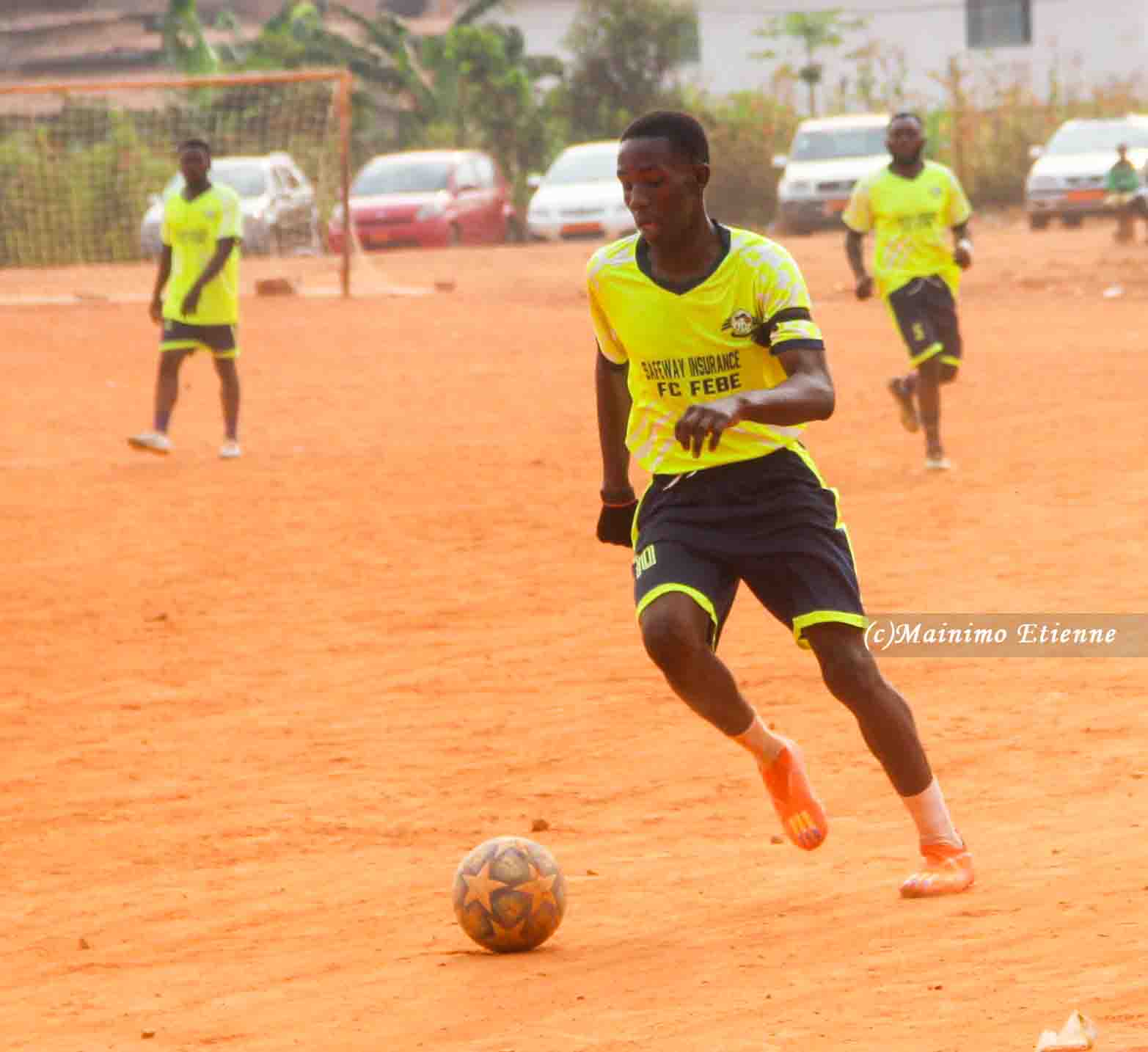
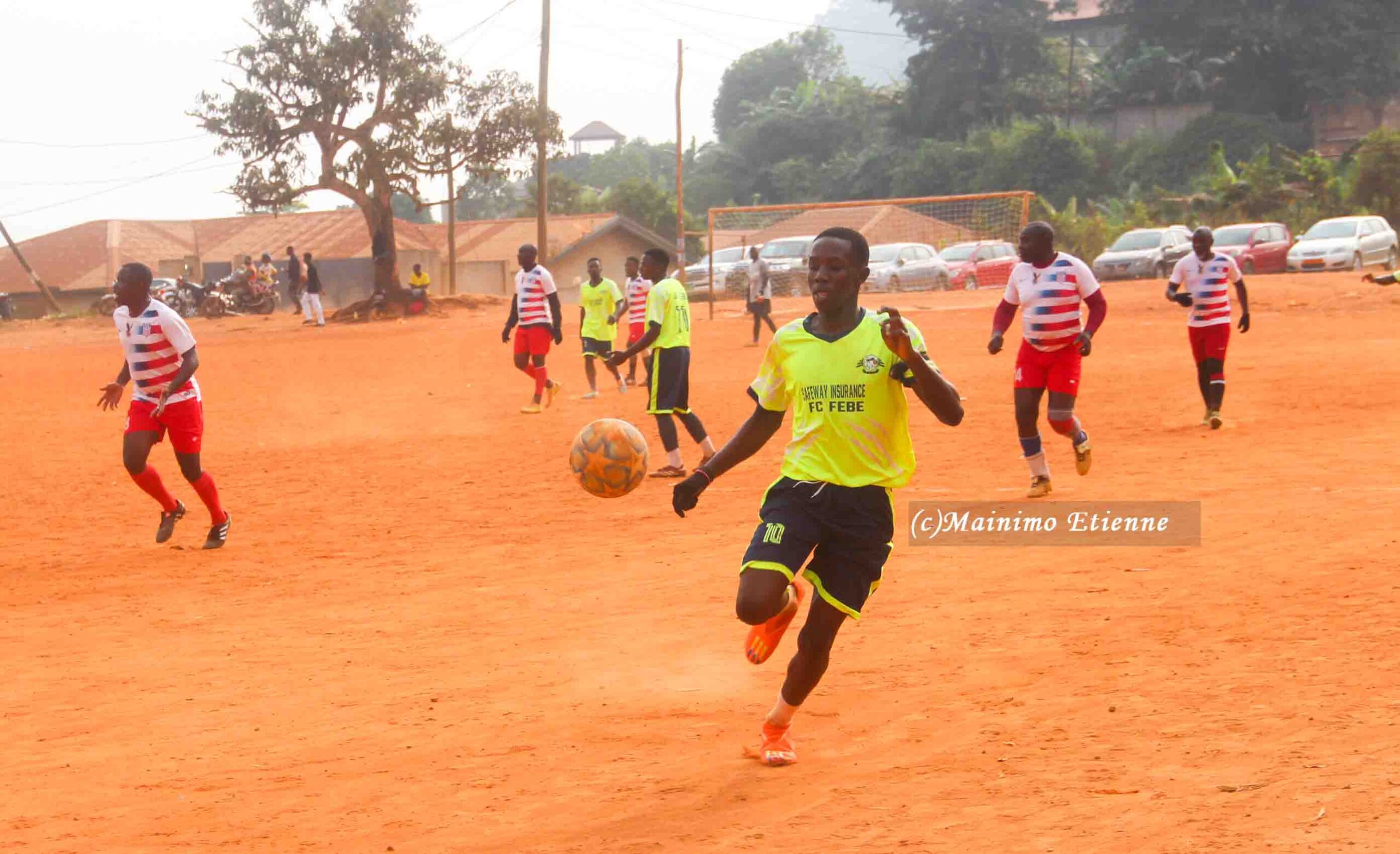
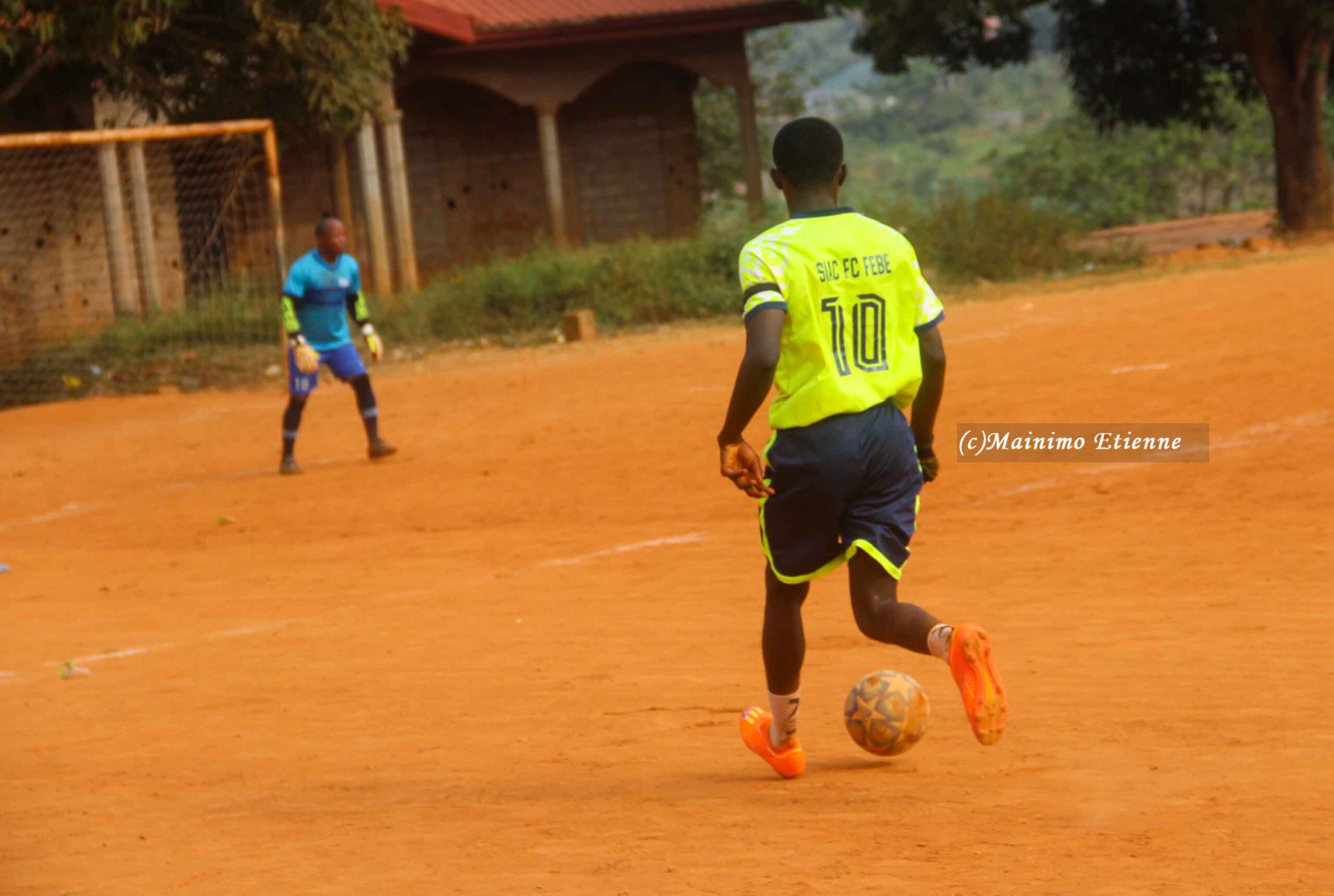
Like many young athletes with professional ambitions, Brice lives a double life. By day, he is a student with assignments and attendance records. By afternoon, he is a midfielder in training, working on the precise skills that he believes will separate him from the pack.
The two worlds do not always align.
“My school program sometimes coincides with my sporting activity,” Brice said. To manage the conflict, he has learned to negotiate. On regular training days, he leaves school earlier than usual with permission. For important games, he approaches his discipline master directly.
“He lets me go,” Brice said. But there is a line he is willing to cross. “If the game is an important game and the coach needs me most, I would not attend lessons on that day.”
It is a calculated risk—one that many aspiring professional footballers take long before they ever sign a contract.
When asked who shapes his game, Brice does not hesitate. He names Enzo Fernandez, the Argentine midfielder who rose from River Plate to Benfica and then to Chelsea, collecting a World Cup winner’s medal along the way.
“He’s got quality leadership and excellent reading of the game,” Brice said, “which greatly inspires me.”
Fernandez is known for his range of passing and his ability to control matches from central midfield—traits Brice actively tries to mirror. On the training ground, he has identified one skill as his focus: the long pass.
“I work hard on training my ability to send long passes or transversals,” Brice said. “I think that acquiring this skill will actually make me a complete midfielder.”
The road to any professional career is lined with difficult afternoons—matches that go wrong, training sessions that feel pointless, moments of doubt. Brice does not pretend otherwise.
“Football games could sometimes be challenging and warrant you to abandon, but I never relent my efforts,” he said.
When a tough game leaf him questioning himself, he turns inward with a simple, direct mantra. “I tell myself: ‘You can do this, Shofi. You know where you are coming from.’”
That phrase; “you know where you are coming from”—is not just motivation. It is a reminder of the 8-year-old who once watched a neighborhood final and decided to change his future.
Brice’s vision for his career is specific and unflashy. He does not talk about signing for a global superclub on day one. He talks about getting a foot in the door.
“In the next five years, I see myself playing in a football club in Europe, either in the top division or lower division,” Brice said.
His preferred route is a familiar one for young African prospects: enrollment in a European football academy. From there, he hopes to be scouted, signed to a first team, and launched into the professional ranks.
“I would like to be enrolled in a football academy to start my professional career so that I could be scouted and signed to the first team,” he said.
For a boy who once dreamed of healing others, Shofola Brice is now learning to master a different craft entirely—one built on long passes, composure under pressure, and the quiet daily work of balancing schoolbooks with soccer boots. Whether he lands in a top division or a lower one, he has already proven he will not relent.
“You can do this, Shofi,” he tells himself. And so far, he has been right.