By Etienne Mainimo Mengnjo
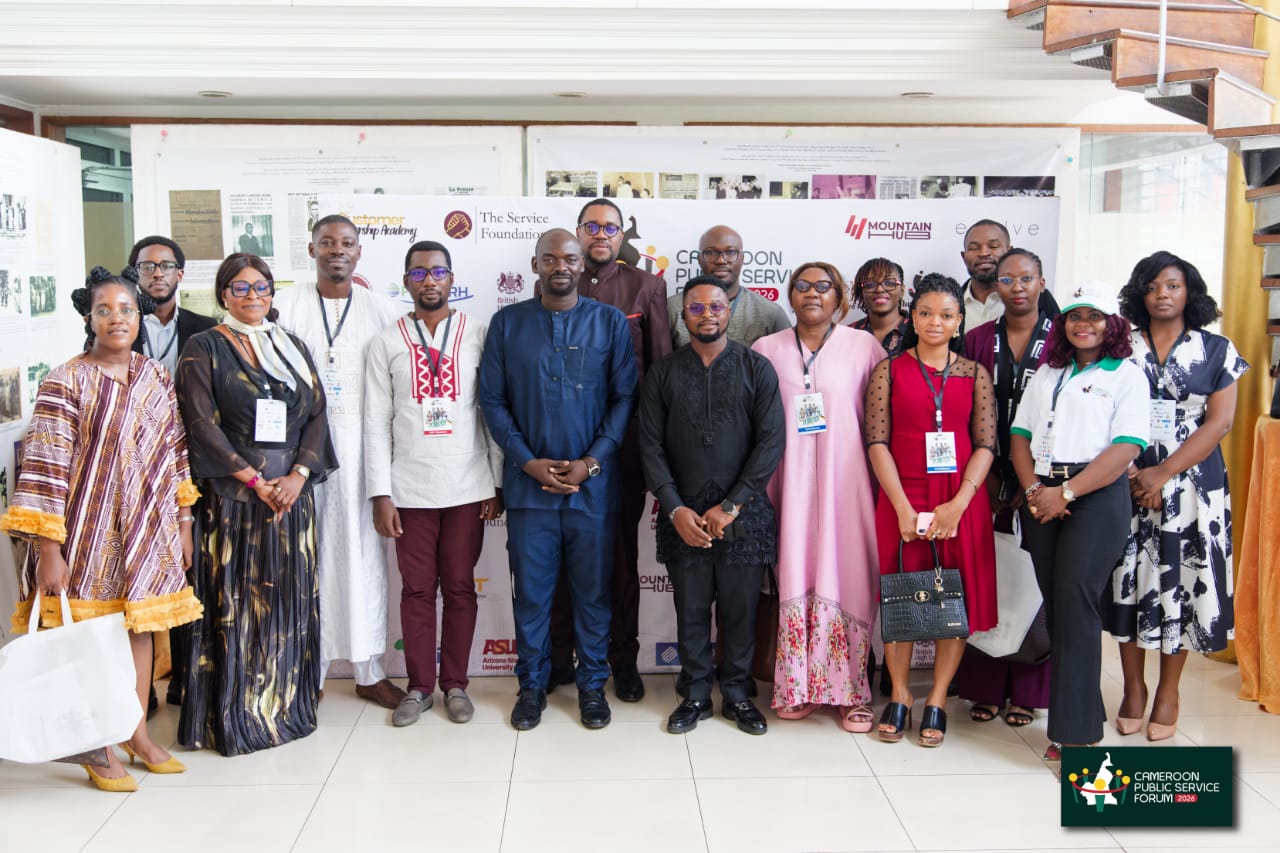
Experts are calling on the Cameroonian government to draw inspiration from successful African peers to enhance public service delivery and better meet citizen expectations. The consensus emerged during the inaugural Cameroon Public Service Forum, that took place on June 24, at the Muna Foundation in Yaoundé.
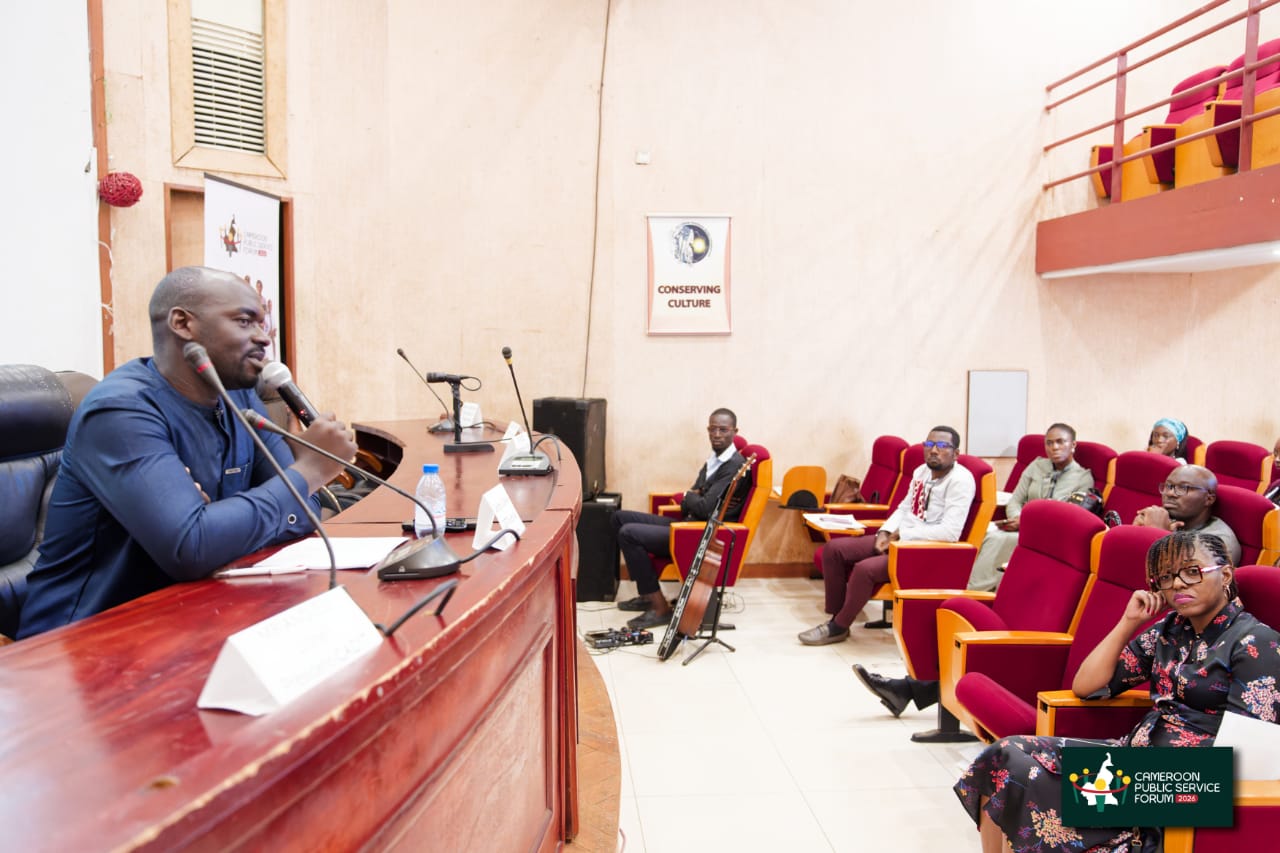
Organized by The Service Foundation under the theme “Transforming Public Institutions: Advancing Innovation, Accountability, Participation and Inclusion,” the event gathered national and international specialists to chart a path toward modernizing the country’s administrative apparatus.
At the core of the discussions was a clear message: meaningful public sector reform is achievable when governments actively embrace innovation, enforce institutional accountability, and realign structures with the evolving needs of their people.
“Public service is fundamental at every level of society today. Every citizen deserves better, and we must recognize that the quality of our service is measured by those we serve,” said Georges Essama, CEO of The Service Foundation, in his opening remarks.

He underscored the forum’s dual purpose—celebrating the dedication of public agents while raising awareness about the imperative of citizen-centered service and fostering a network for change across administrations.
Participants voiced growing concern over the disconnect between an increasingly informed, digitally native population and outdated bureaucratic systems. Dinyuy Brandon, a public service attendee, stressed that modernization must be driven by citizen-centric initiatives.
His view was reinforced by Dr. Pisso Nseke, a public administration expert, who noted that citizens today are educated, hyper-connected, and accustomed to instant digital services—yet administrative procedures remain sluggish and rooted in the past.

Dr. Nseke advocated for placing citizens at the heart of governance, proposing three priority actions: simplifying administrative red tape, investing strategically in professional development, and fast-tracking digital transformation.
While participants agreed on the urgency of reform, they also emphasized the need for solutions tailored to local contexts. Two African success stories stood out as potential models.
Kenya, for instance, has overhauled its public service through a four-pillar strategy—innovation, accountability, participation, and inclusion. Aliyare Hassan, Senior Assistant County Commissioner at Kenya’s Ministry of Interior, explained how the country centralized government services via the e-Citizen digital platform and physical Huduma centres.
This integration has reduced wait times, cut travel costs, and minimized bureaucratic obstacles. The Huduma platform now consolidates over 5,000 digital services into a single portal, while mobile money innovations like M-Pesa have driven financial inclusion.
Benin also offered a compelling example, having digitized nearly 60 percent of public requests—from birth certificates to passports—allowing citizens to secure essential documents online without third-party intermediaries.
For The Service Foundation, these cases provide a roadmap for Cameroon’s own emergence agenda.
“We don’t want to stop at reflections; we want to see tangible change through action. That’s why we brought all stakeholders to the table. We hope this forum marks a strong starting point for modernizing our public service,” George Essama said.

As Cameroon charts its course toward administrative renewal, the message from Yaoundé is clear: the future of public service lies in innovation, inclusion, and a steadfast commitment to the citizen.