By Etienne Mainimo Mengnjo
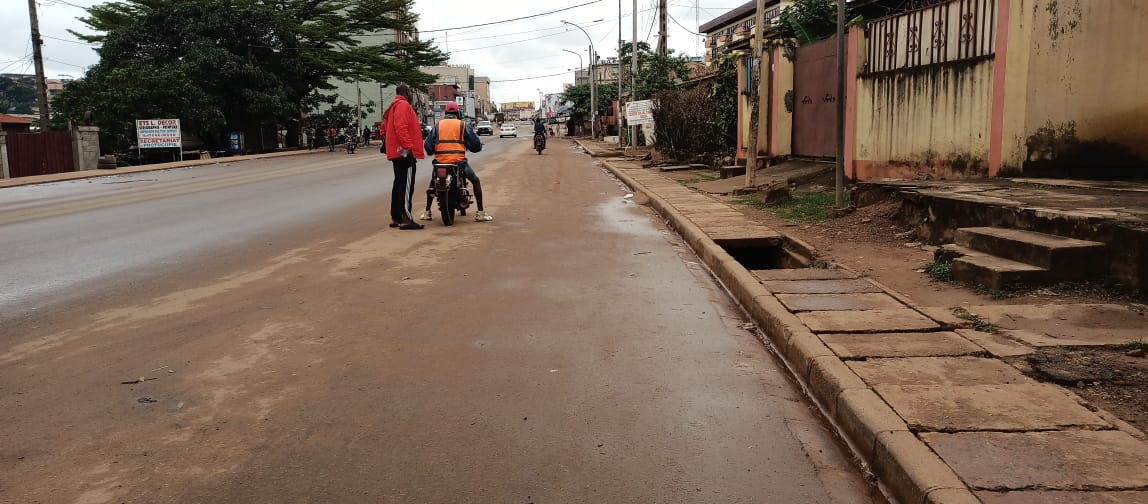
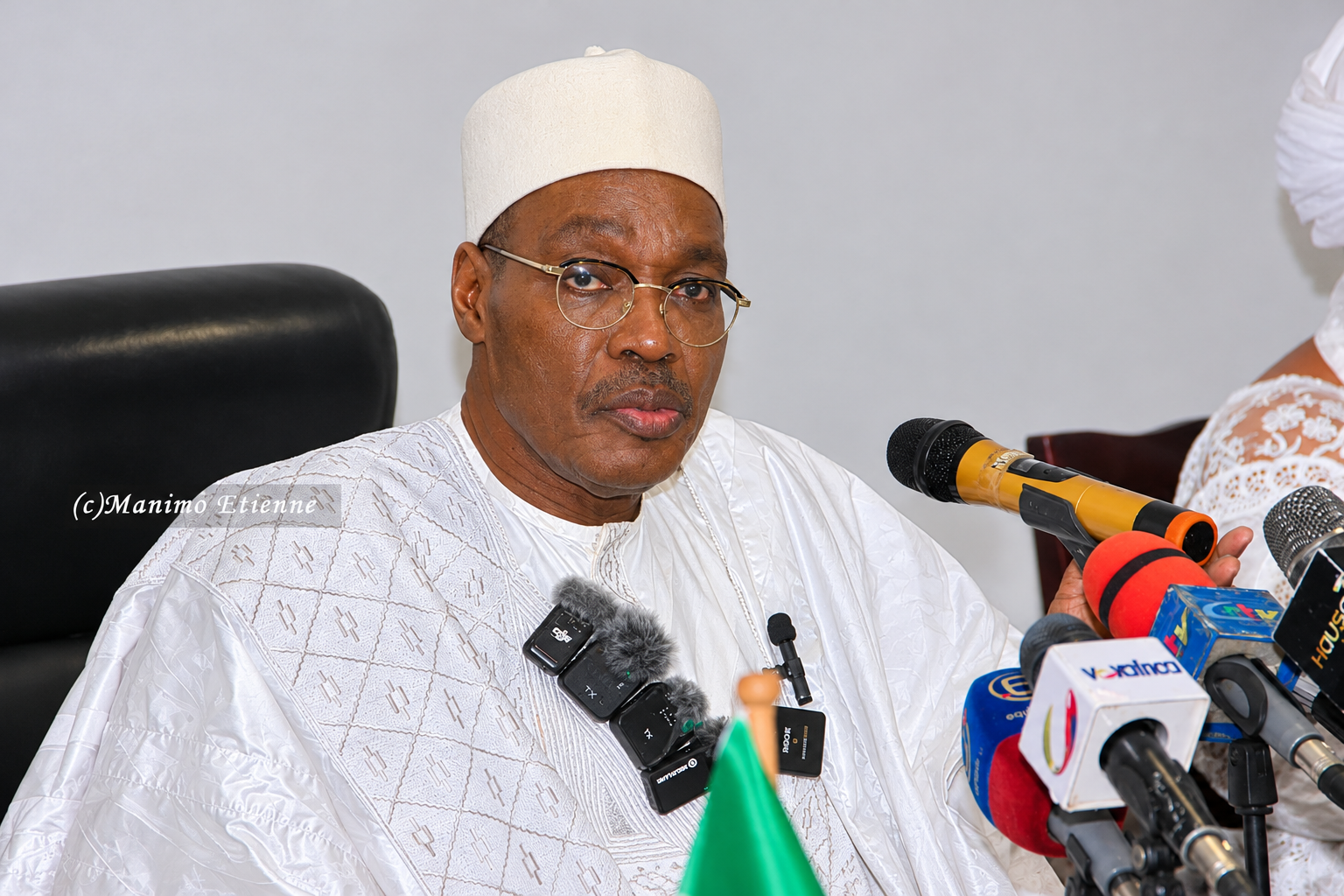
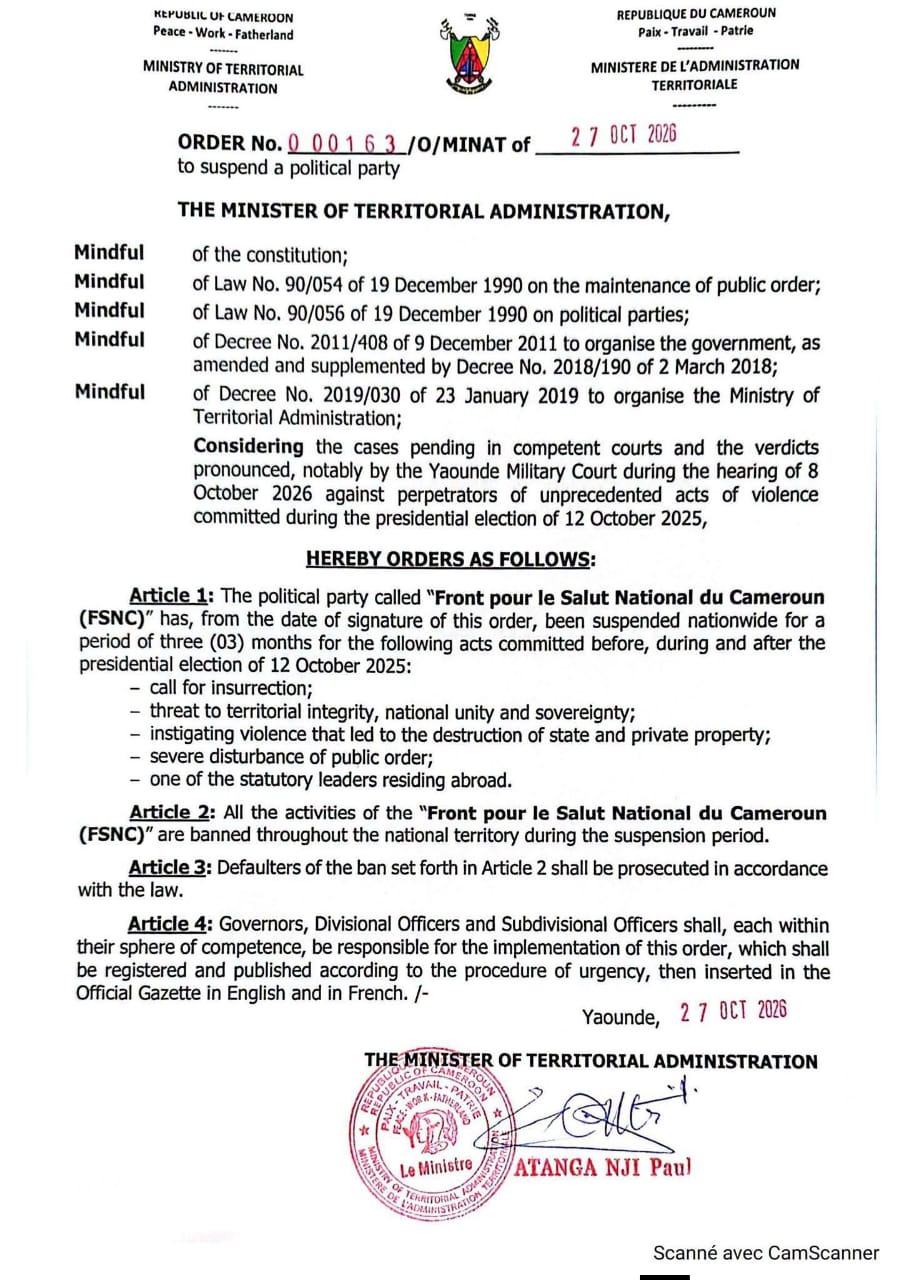
On the busy corners of Mvog-Ada and at the crowded taxi stands near Mokolo, one subject has dominated conversation since Tuesday, October 27. Word traveled fast when Territorial Administration Minister Paul Atanga Nji signed an order suspending all activities of the Front pour le Salut National du Cameroun (FSNC) for three months.
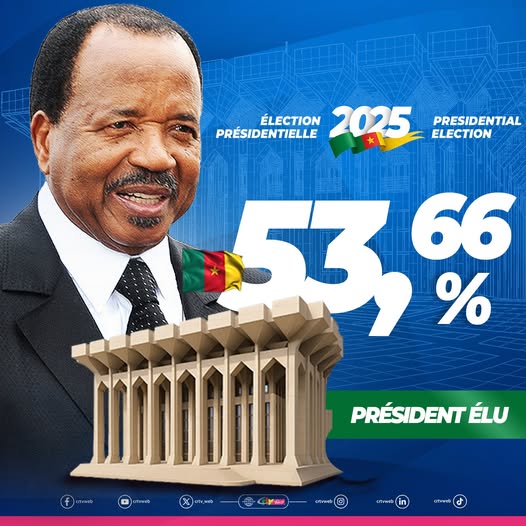
The order, which applies nationwide, cites alleged threats to national unity, incitement to violence and disturbances of public order linked to the aftermath of the October 12, 2025 presidential election. FSNC leader Issa Tchiroma Bakary, who challenged President Paul Biya in that contest, has claimed victory despite official results declaring Biya the winner.
For many residents of the capital, the suspension feels less like a technical measure than a warning.
“We are told this is about public order, but people are asking why now,” said a 36-year-old trader at Mokolo market, who asked not to be named. “Elections are coming. How can a party prepare if it cannot even meet?”
That question sits at the heart of the debate. With legislative and municipal polls expected early next year, three months without activity could seriously limit the party’s ability to mobilise supporters, organise its structures and prepare candidates. Political parties, after all, are built on gatherings, registrations and local meetings—all of which the order places on hold.
A university student in Ngoa-Ekélé said the timing was hard to ignore. “Even if you are not a supporter of Tchiroma, this does not look good for democracy,” she said, speaking anonymously. “A young person like me wants to believe that every party can compete freely. When one is suspended before the campaign, it sends the wrong message.”
Others voiced frustration in more personal terms. “I am tired of hearing that politics is a danger,” said a motorcycle taxi driver in Biyem-Assi. “We are the ones who suffer when tension rises, so we want peace. But peace does not come by silencing people. It comes by talking.”
Legally, the picture remains unclear. The suspension order does not explicitly declare the FSNC ineligible to contest future elections. Whether it could lead to such an outcome would depend on the applicable electoral laws, the party’s legal status and any subsequent decisions by the competent authorities. The government maintains the measure rests solely on public-order concerns.
That distinction offers little comfort to some residents. “They say it is only three months, but three months is exactly the period that matters,” argued a retired civil servant in Bastos, who declined to give his name. “If the party is weakened now, what remains for the elections? This is how a door slowly closes.”
A shopkeeper near Marché Mfoundi struck a more cautious tone, though she too was uneasy. “I do not know the law, and I do not want trouble,” she said. “But I know that when a political party is stopped, many ordinary people feel that their voice has been stopped too.”
Not everyone sees the decision as a prelude to exclusion, yet even those willing to give authorities the benefit of the doubt expressed concern about how it would be carried out. Much, observers note, will depend on the order’s implementation and on whether the FSNC chooses to mount a legal challenge—both of which could prove decisive in shaping the party’s political future.
For now, Yaoundé waits. In bars, offices and buses, the same uncertainty surfaces again and again. “We want elections that everyone believes in,” said the Mokolo trader as she packed up her stall at dusk. “If people feel the game is decided before it begins, why would they come out to vote?”
That is the question the suspension leaves hanging. Is it simply a measure to protect public order, or could it become a pathway to excluding one of the country’s most prominent opposition parties from the next electoral contest? The coming weeks may offer the first answers.