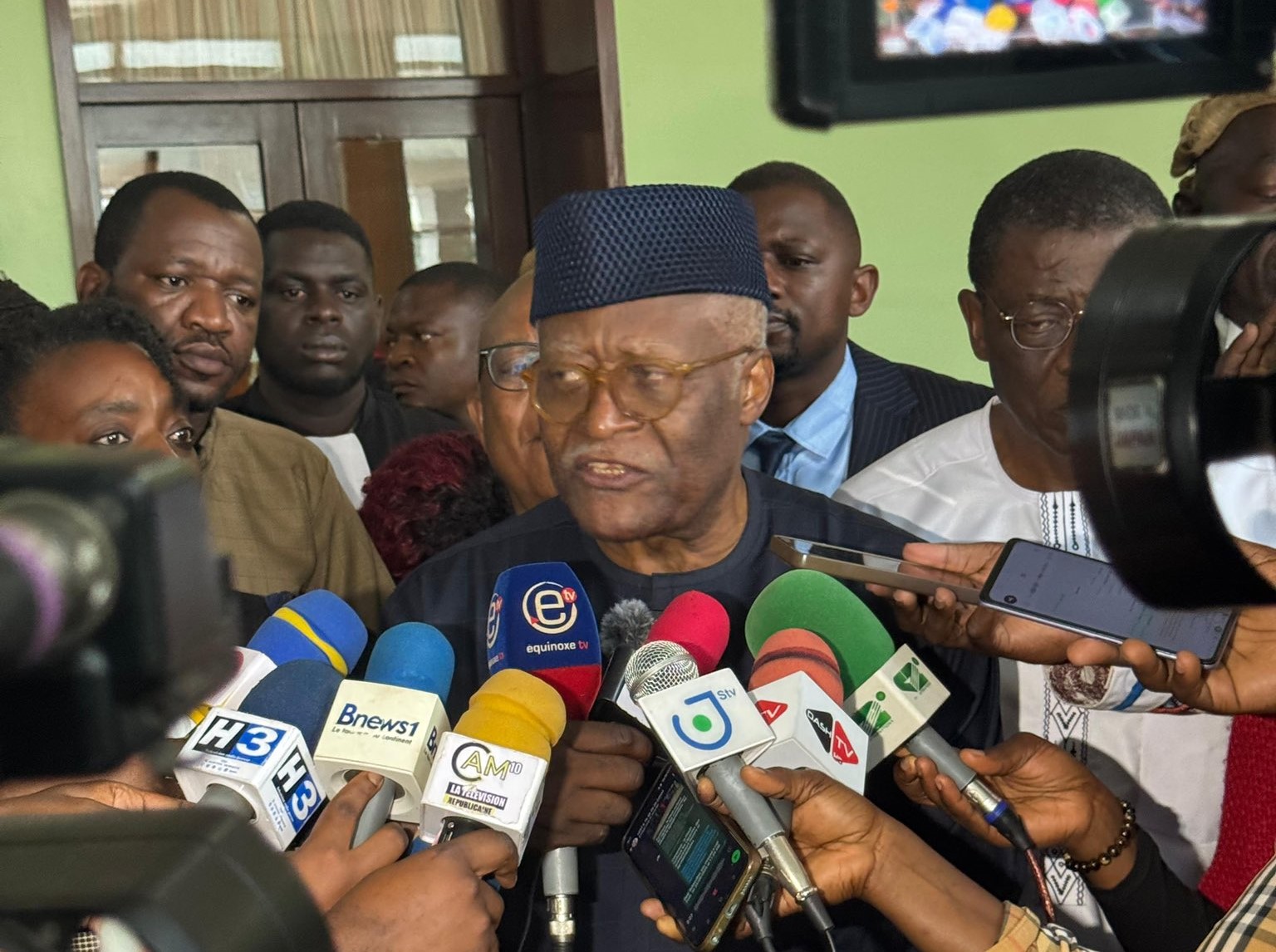
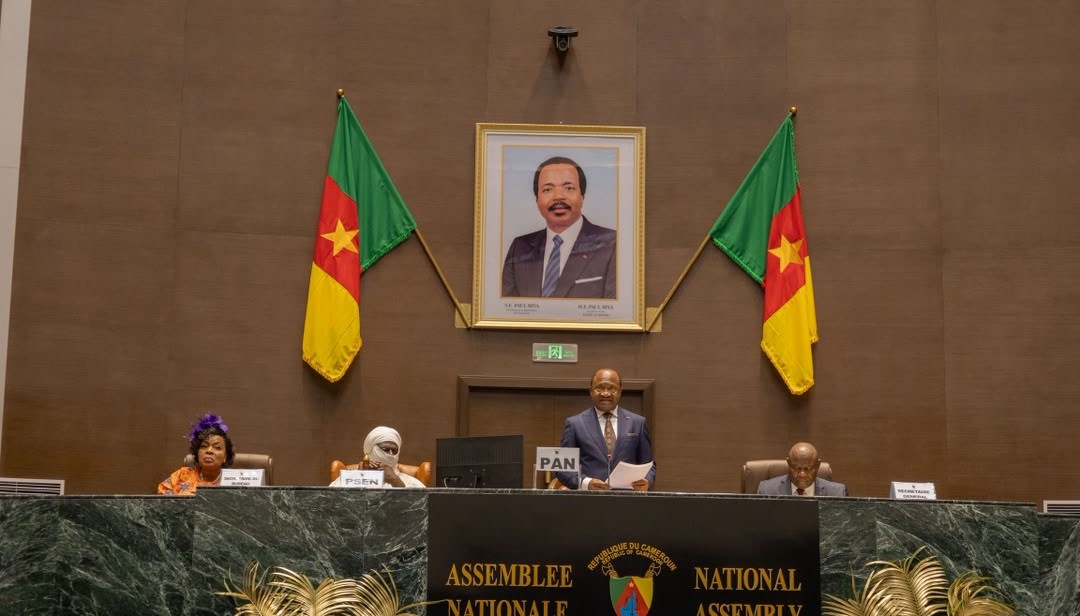
The eldest member of Cameroon’s Constitutional Council, Prof. Paul Nchoji Nkwi, has assumed the role of interim President following the death of the institution’s pioneer leader, Chief Justice Clément Atangana.
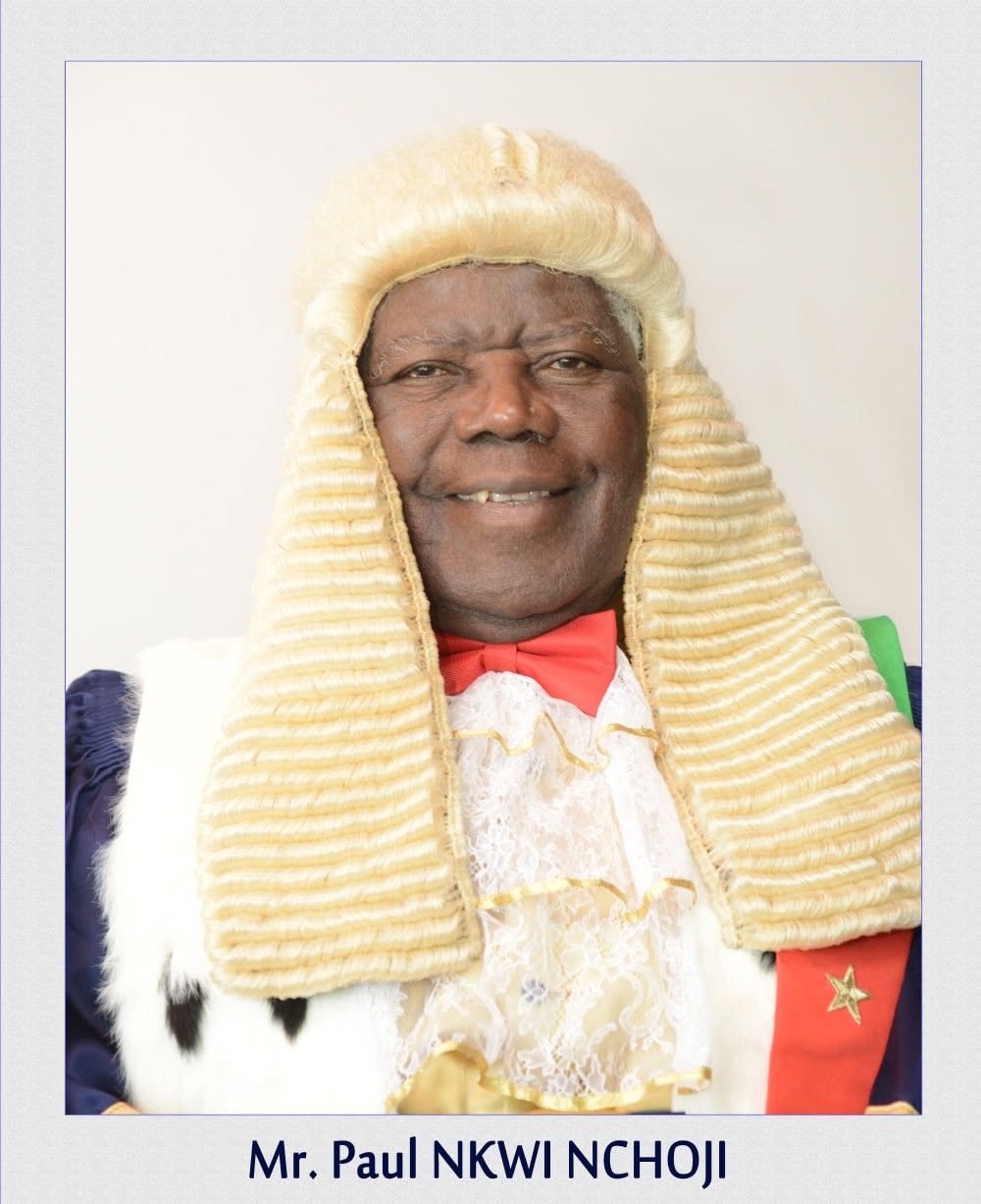
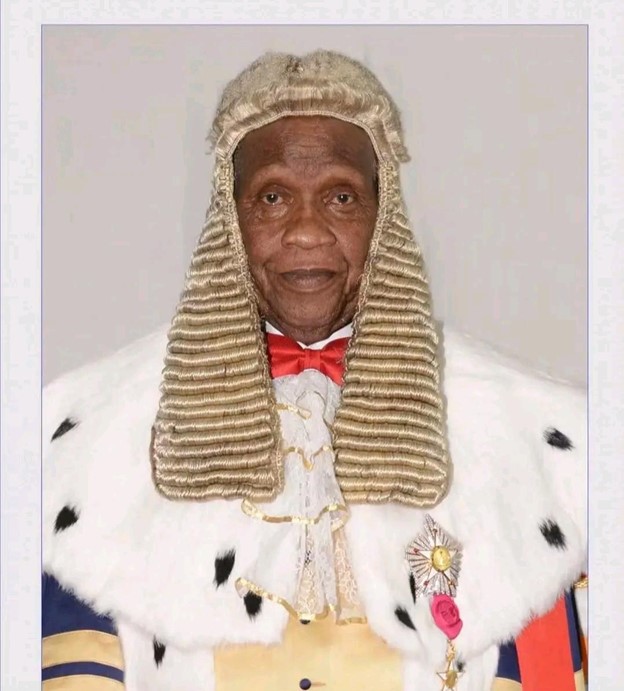
Chief Justice Atangana passed on to glory on October 4, 2026, in Paris, France, prompting a widespread outpouring of tributes across the nation. Dignitaries and citizens alike continue to honor a landmark figure whose lifelong commitment to law, governance, and state institutions spanned over half a century.
In accordance with Law No. 2004/004 governing the Constitutional Council, the most senior member handles administrative duties during a vacancy until the President of the Republic officially appoints a permanent successor.
The Life of Chief Justice Clement Atangana – A Distinguished Legal Career Rooted in Service
Born on September 20, 1941, in Ekoumeyek within the Ngomedzap Subdivision of the Centre Region, Chief Justice Atangana began his primary education at the Yaoundé Regional School. He pursued secondary studies at Collège François-Xavier Vogt in Mvolyé, obtaining his first part of his baccalaureate.
He earned the final part of his baccalaureate in Experimental Sciences at Manengouba High School in Nkongsamba before enrolling at the Federal University of Cameroon, where he graduated with a degree in private law from the Faculty of Law and Economic Sciences. He subsequently completed his judicial training at the National School of Administration and Magistracy (ENAM), later refining his expertise at the International Institute of Public Administration in Paris.
Rise Through the Judiciary
On December 20, 1968, Atangana officially entered the judiciary, embarking on a career that would place him at every major tier of Cameroon’s legal system. His early service began as a substitute judge at the Douala Court of Appeal and an investigating judge at the Court of First Instance in Nkongsamba.
He quickly rose to preside over local courts in Eséka, Bafia, Mora, Sangmélima, and Yaoundé. In Eséka, his responsibilities included overseeing public prosecutions, and by August 1971, he was appointed President of the Bafia Court. These diverse assignments provided him with deep, practical insights into the administration of justice across both rural and urban jurisdictions.
Recognized for his legal acumen, Atangana was brought into the Chancellery as Deputy Director of Judicial Affairs and the Seal at the Ministry of Justice, an administrative post he held for several years. Returning to jurisdictional duties, he served as Attorney General at the Northern Court of Appeal in Garoua before taking the helm as President of the Central Court of Appeal in Yaoundé.
He eventually joined the Supreme Court of Cameroon as an advisor and steadily advanced to become President of the Administrative Chamber. In this role at the apex of the judicial branch, he attained the status of magistrate outside the hierarchy (first group) and played a pivotal role in shaping national administrative jurisprudence.
Expertise in Electoral and International Law
Beyond his judicial duties, Atangana accumulated unmatched expertise in election regulation and international law. For 17 years, from 1997 to 2014, he chaired the National Commission for the General Census of Votes, playing a critical role in consolidating election results nationwide.
Internationally, he represented Cameroon at global conferences in Rome, Lomé, Geneva, and New York, serving as an observer for the UN Committee Against Torture and sitting as a member of the UN Committee on Economic, Social and Cultural Rights from 1999 to 2002.
Capstone Appointment and Enduring Legacy
Although he formally retired from the bench on December 18, 2014, Atangana continued his legal service by joining the Cameroon Bar Association as an advocate. His career reached its institutional peak on February 7, 2018, when President Paul Biya appointed him as the first-ever President of the Constitutional Council. At age 77, he took charge of the newly operational body, guiding its mandate to oversee constitutional compliance, resolve electoral disputes, and ensure the steady functioning of state institutions.
Chief Justice Clément Atangana leaves behind an enduring legacy as a primary architect of Cameroon’s modern judicial system and the founding face of its highest constitutional court. His life stands as a testament to dedicated public service, leaving an indelible mark on the nation’s legal history.