By Etienne Mainimo Mengnjo
A new bill before Cameroon’s Parliament could fundamentally change the country’s democratic calendar by granting the President of the Republic the power to extend municipal mandates indefinitely.
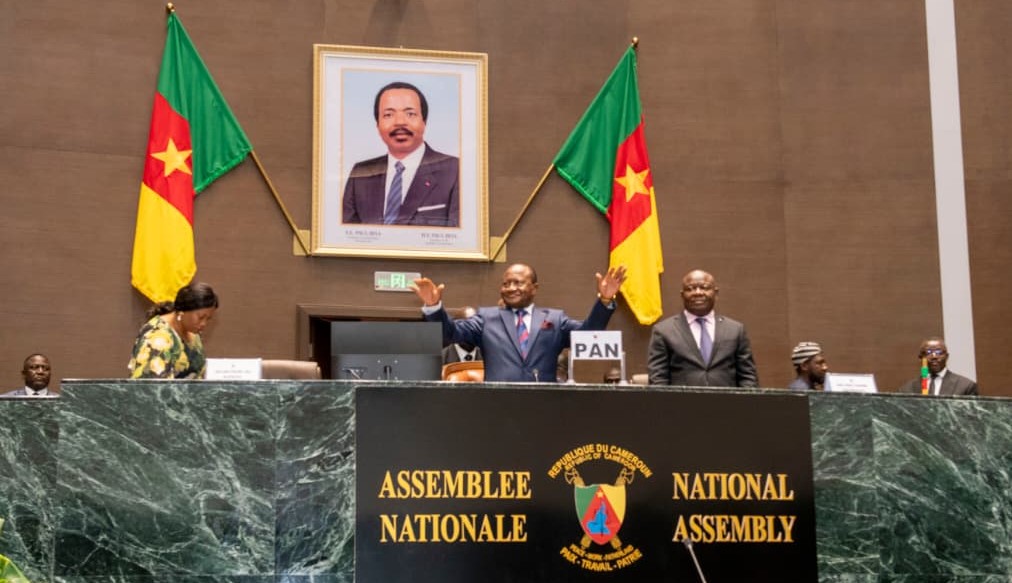
The draft law, Bill N° 2093/PJL/AN, seeks to amend the Electoral Code of 2012. It was tabled in Parliament on 30 March by the Speaker of the National Assembly, Hon. Théodore Datouo, in the presence of the Minister-Delegate at the Presidency in charge of Relations with Parliament, François Wakata Bolvine, among others.
Prior to the plenary session, the Chairman’s Conference had declared the bill admissible in a session presided over by Hon. Datouo.
Under the current law, Municipal Councillors’ terms may be extended for a maximum of 18 months. The proposed amendment would remove that 18‑month cap, creating an open-ended allowance for local officials to remain in office without facing voters.
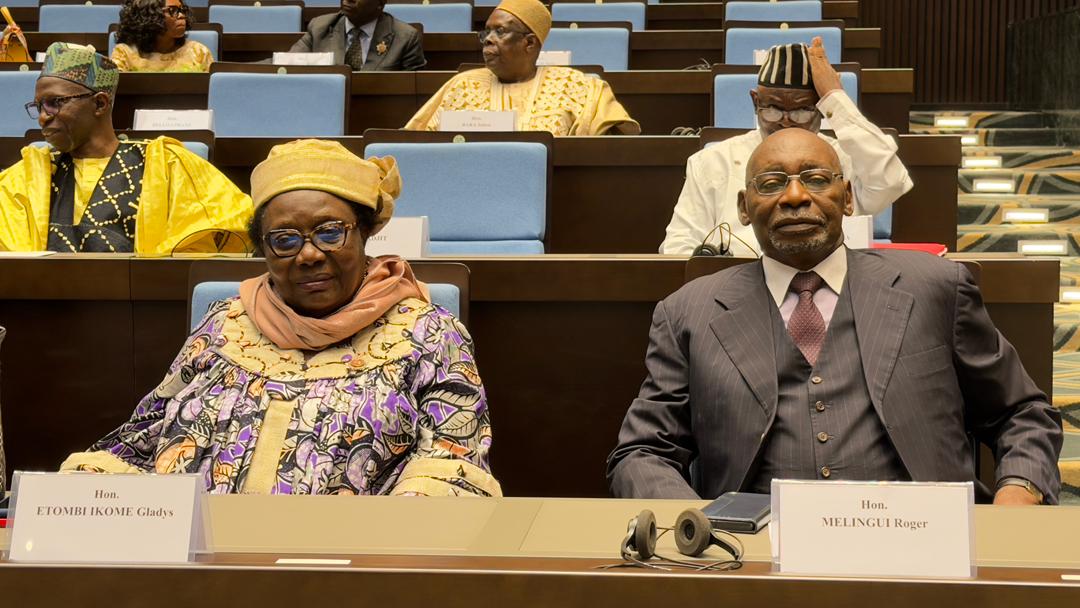
If adopted and promulgated, the President of the Republic would gain the authority to prolong or shorten municipal mandates after consulting the government and the Senate bureau. That would shift control over election timing from fixed statutory deadlines to executive discretion, thereby reshaping how and when citizens choose their local leaders.
The proposal has prompted immediate debate among political analysts and civil-society groups. Supporters say the revision to Section 170 of the Electoral Code would give the government necessary flexibility to manage the election cycle in exceptional or unstable circumstances.
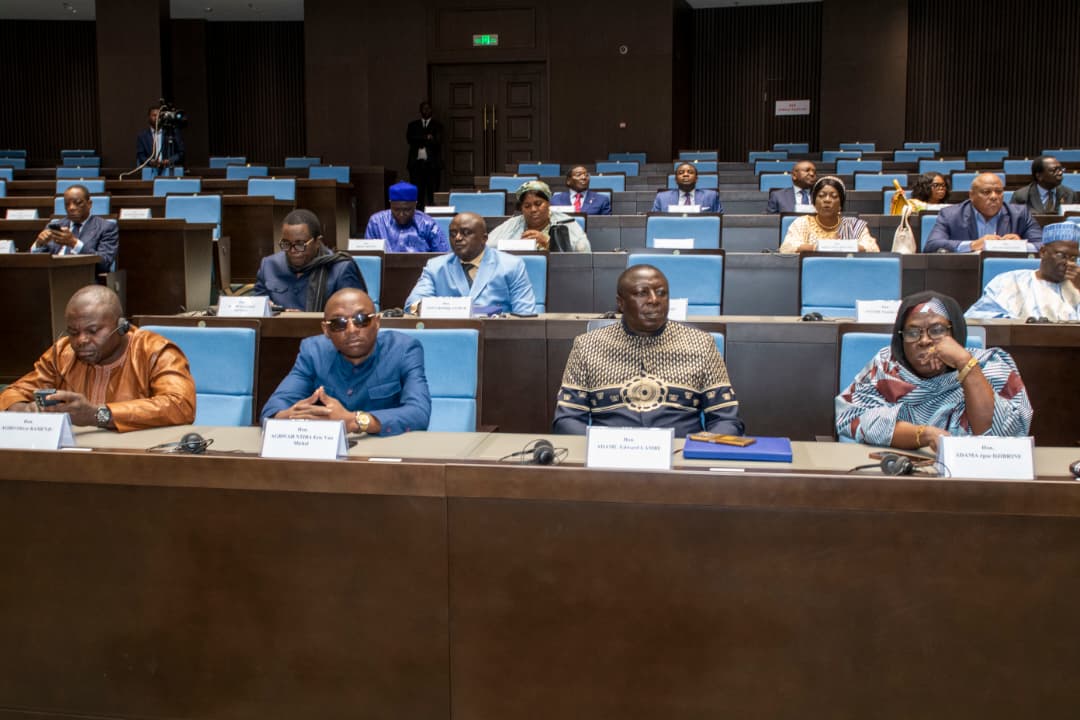
Critics contend that eliminating a defined limit on extensions risks undermining electoral transparency, disrupting the regularity of democratic processes, and delaying local representation for extended periods — effectively concentrating power in the executive branch.
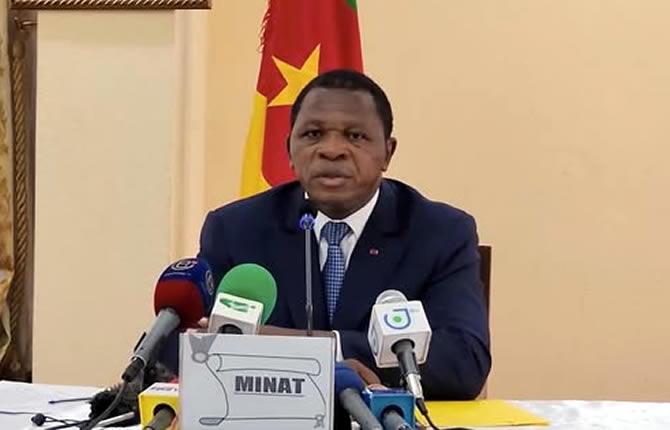
The bill has been referred to the Constitutional Law Committee and will be defended there by the Minister of Territorial Administration.