By Gilfort Fur
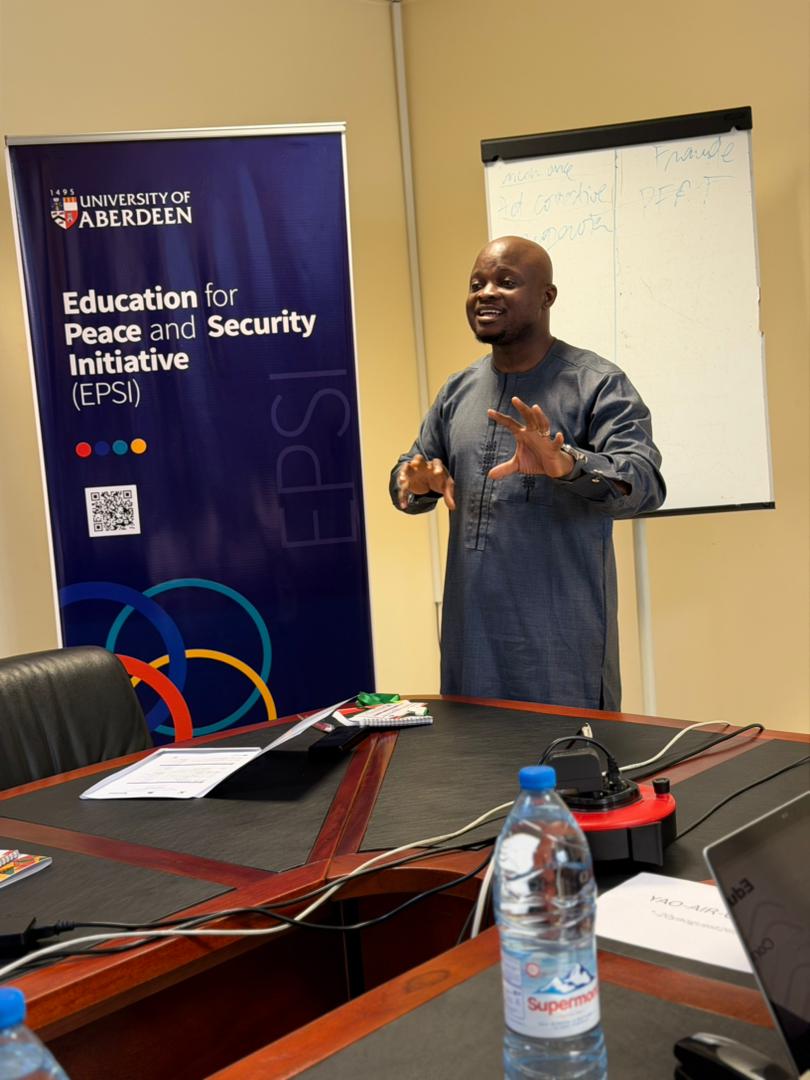
Education experts and security stakeholders gathered in Yaounde from March 26 to 27 to explore how academic frameworks can be transformed into practical tools for national stability.
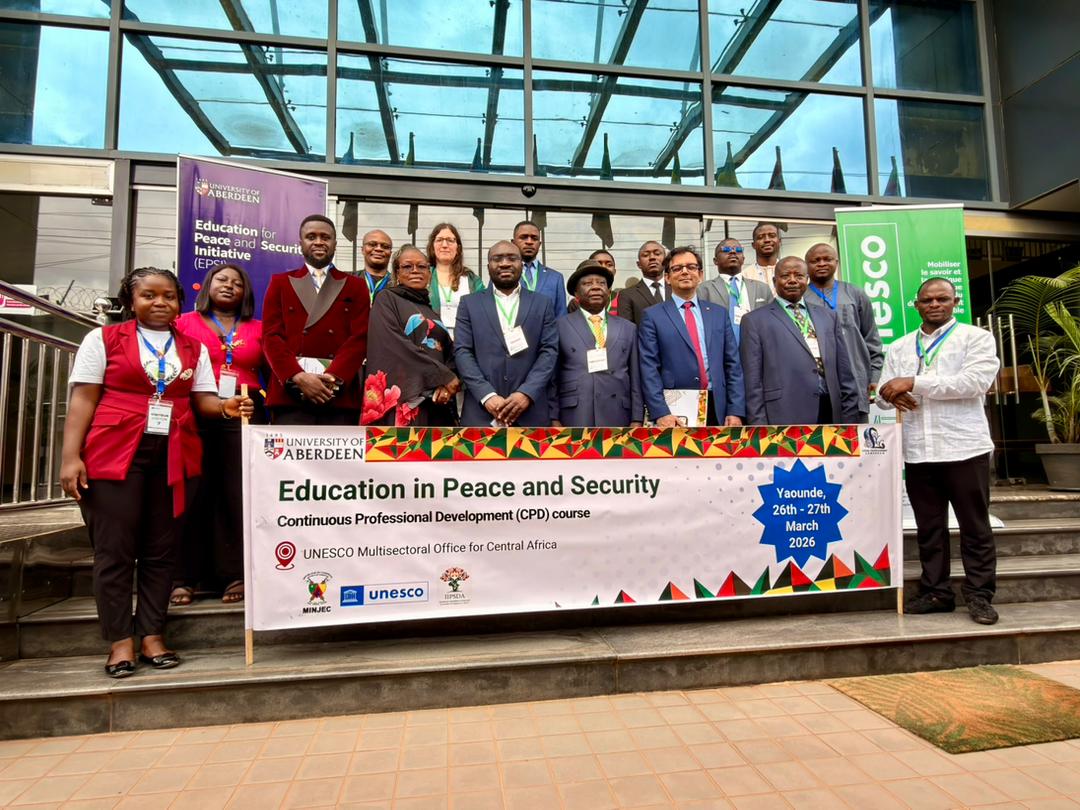
The two-day Continuous Professional Development Course (CPD) focused on the intersection of education, peace, and security, aiming to move beyond traditional military responses toward evidence-based prevention.
The initiative was a collaborative effort between the University of Aberdeen in the United Kingdom, Local Youth Corner (LOYOC) Cameroon, Institute for Innovation in Peace and Sustainable Development in Africa, and the UNESCO Regional Multisectoral Office for Central Africa.
The two-day training session brought together policymakers, government officials, security practitioners, intergovernmental organisations, and civil society actors from across Cameroon.
Imteyaz Khodabux, Program Specialist and Head of the Science sector at UNESCO, stressed that the pursuit of peace is the foundation of the organization’s mission across all disciplines. He noted that the goal of the session was to help participants translate academic theories into tangible results.
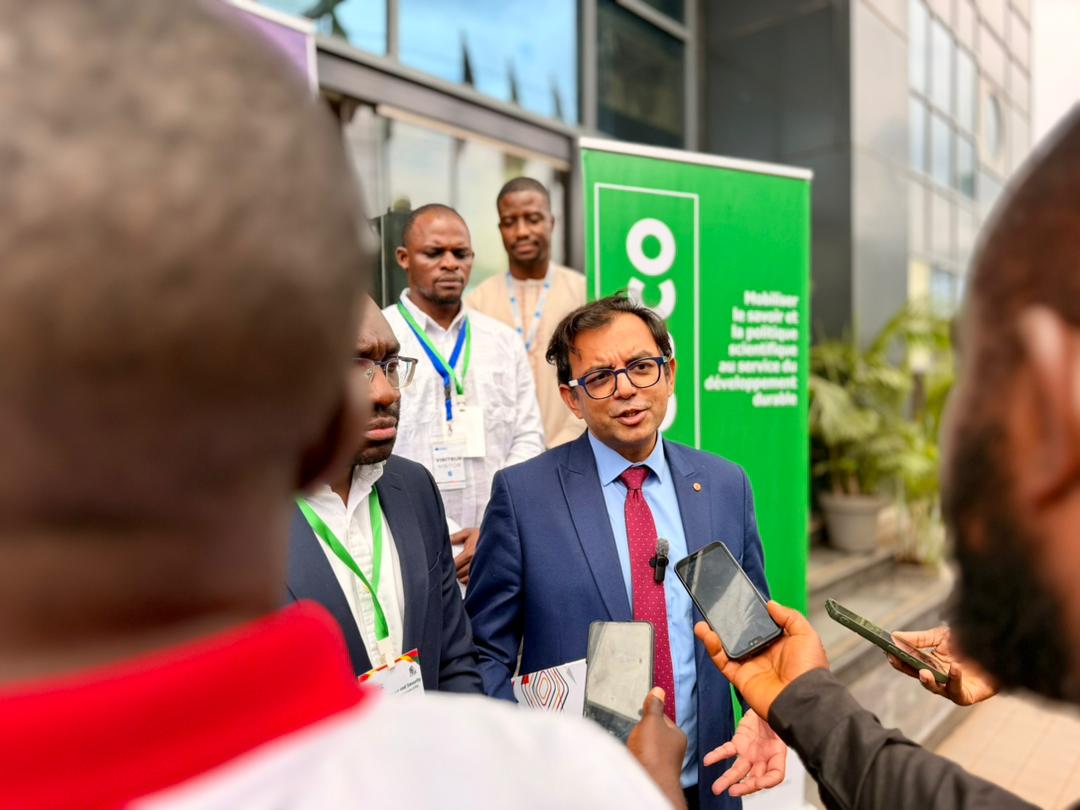
“We’re expecting that the participants have a broader knowledge and refresh their memories with the expertise of the University of Aberdeen,” Khodabux said. “Peace is not just by learning; it’s also how do you act on the ground.”
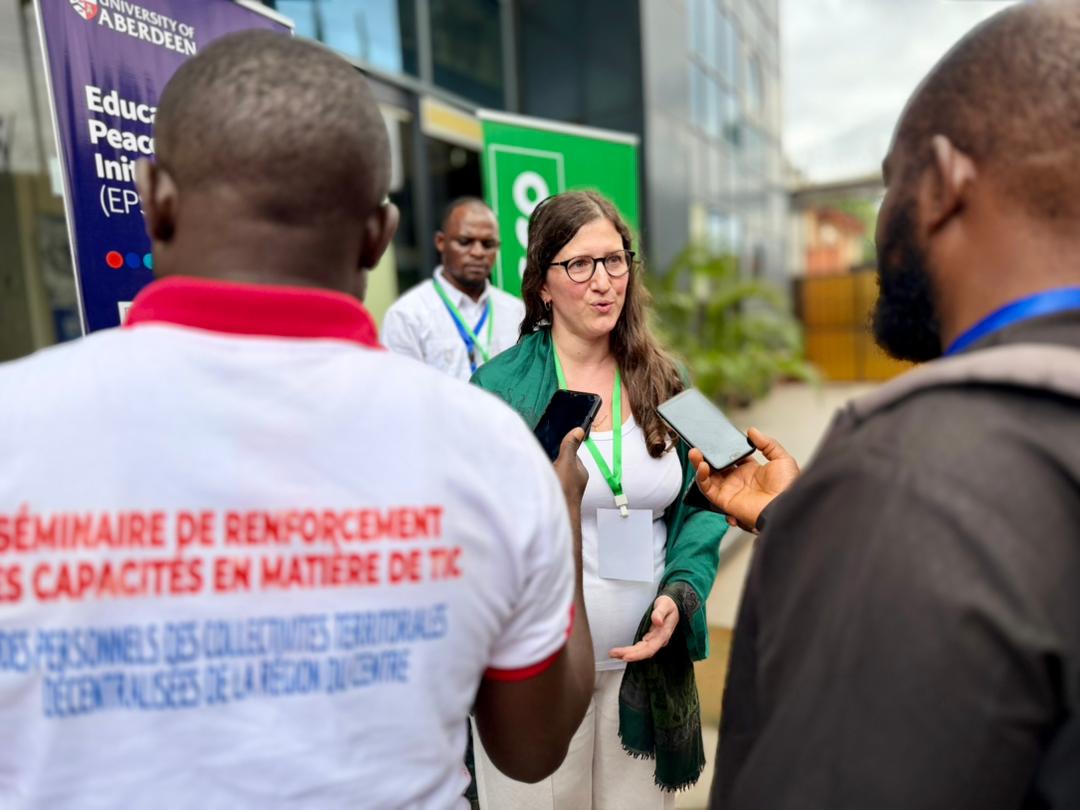
The human rights dimensions of security were also a primary focus, particularly regarding the disproportionate impact of conflict on women who are largely victims. Louise Rozès Moscovenko, from the U.N. Human Rights Central Africa Regional Office, stated the necessity of including women in every stage of the peace process.
“It was very important for UN Human Rights to be here today to discuss with different stakeholders and really push the women topic in all approaches for peace and security,” Moscovenko said. She added that she hopes to see women at the core of both theoretical discussions and practical actions.
Jude Atefor, National Programs Manager at LOYOC Cameroon, described the timing of the course as critical given the current security climate in the country. He explained that the conversation around peace in Cameroon has evolved significantly, requiring practitioners to update their strategies.
“It was very necessary for us to be able to see how to bring up to date our practitioners that are working in the domain of peace and security on the latest theory,” Atefor said. He noted that the partnership with the University of Aberdeen allows local actors to access in-depth research and apply new initiatives to accelerate the peace process within the Cameroonian context.
According to officials, promoting peace and security is a key component of Cameroon’s development strategy. In regions affected by violent conflicts and insecurity, building the capacity of stakeholders remains critical.
Against this backdrop, the University of Aberdeen is collaborating with national institutions to offer an integrated, education-informed approach to peace and security. This goes beyond traditional military and intelligence frameworks, focusing instead on evidence-based prevention and peacebuilding.
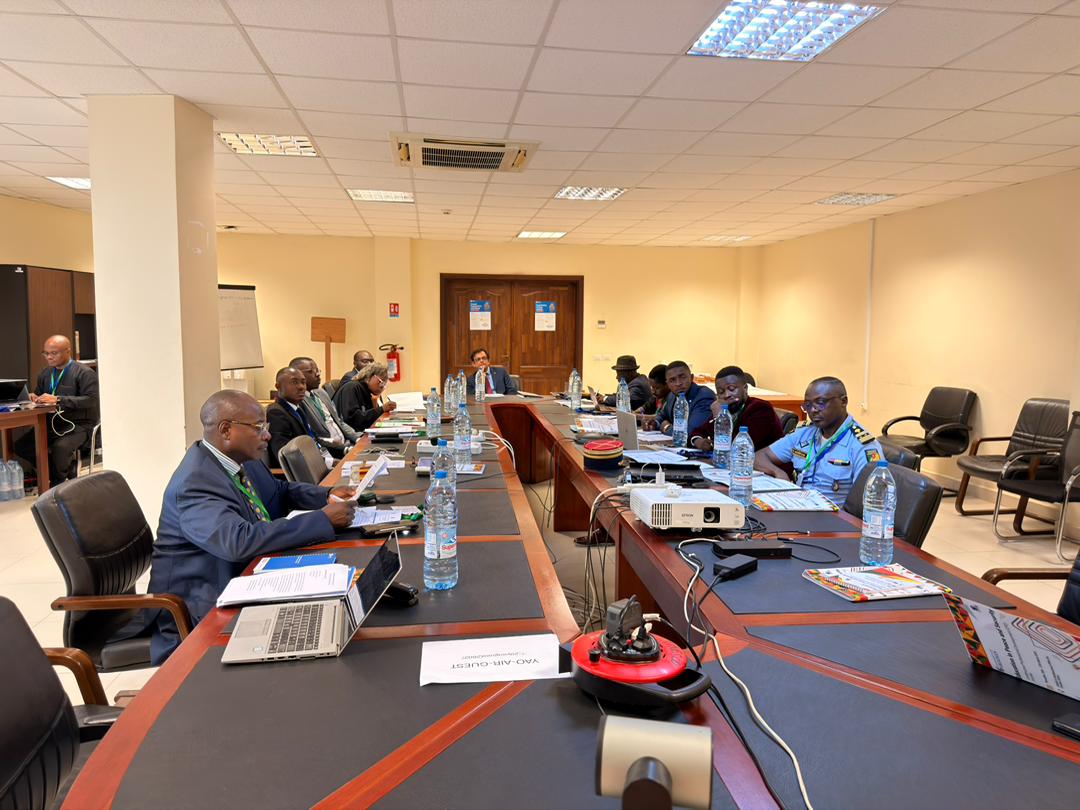
The first day featured sessions on Peace and Security in Cameroon, including presentations on national security theory, a workshop on the Common Ground Approach, and a high-level panel on Youth, Peace and Security. A session also addressed the protection of civilians and the Responsibility to Protect in Cameroon’s context.
Day two explored components of national security, the role of the Gendarmerie in Cameroon’s security architecture, and Women in Peace and Security. The day also included sessions on policy design and evaluation, along with a panel on best practices in civilian collaboration and protection.