
List Posts

View All
Society

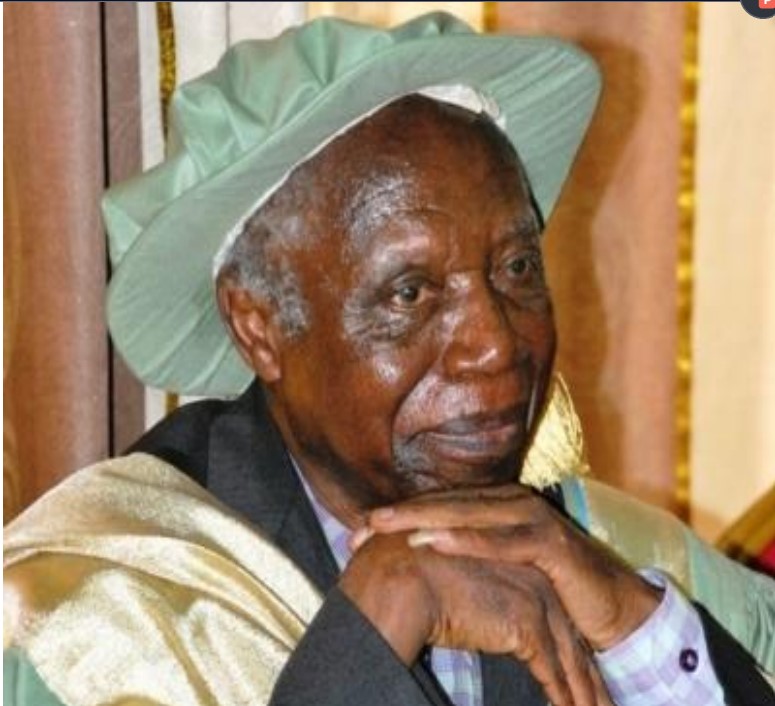
Dr. David Akuro Mbah Honored with Inaugural AABNet Iconic Award

By Etienne Mainimo Mengnjo Dr. David Akuro Mbah has been honored by the African Animal Breeding Network (AABNet) as the…

Society

Prof. Dze-Ngwa Empowers Miss WEYAS 2026 With Laptop Donation To Boost Community Training

By Etienne Mainimo Mengnjo Prof. Willibroad Dze-Ngwa, Founding President of the Heritage Higher Institute of Peace and Development Studies (HEHIPEDS),…

Sports

J J. Love Sets Sights On Professional Sporting Career

By Etienne Mainimo Mengnjo The local courts have become JJ. Love’s office. Most teenagers play sports for social life, but…

Society

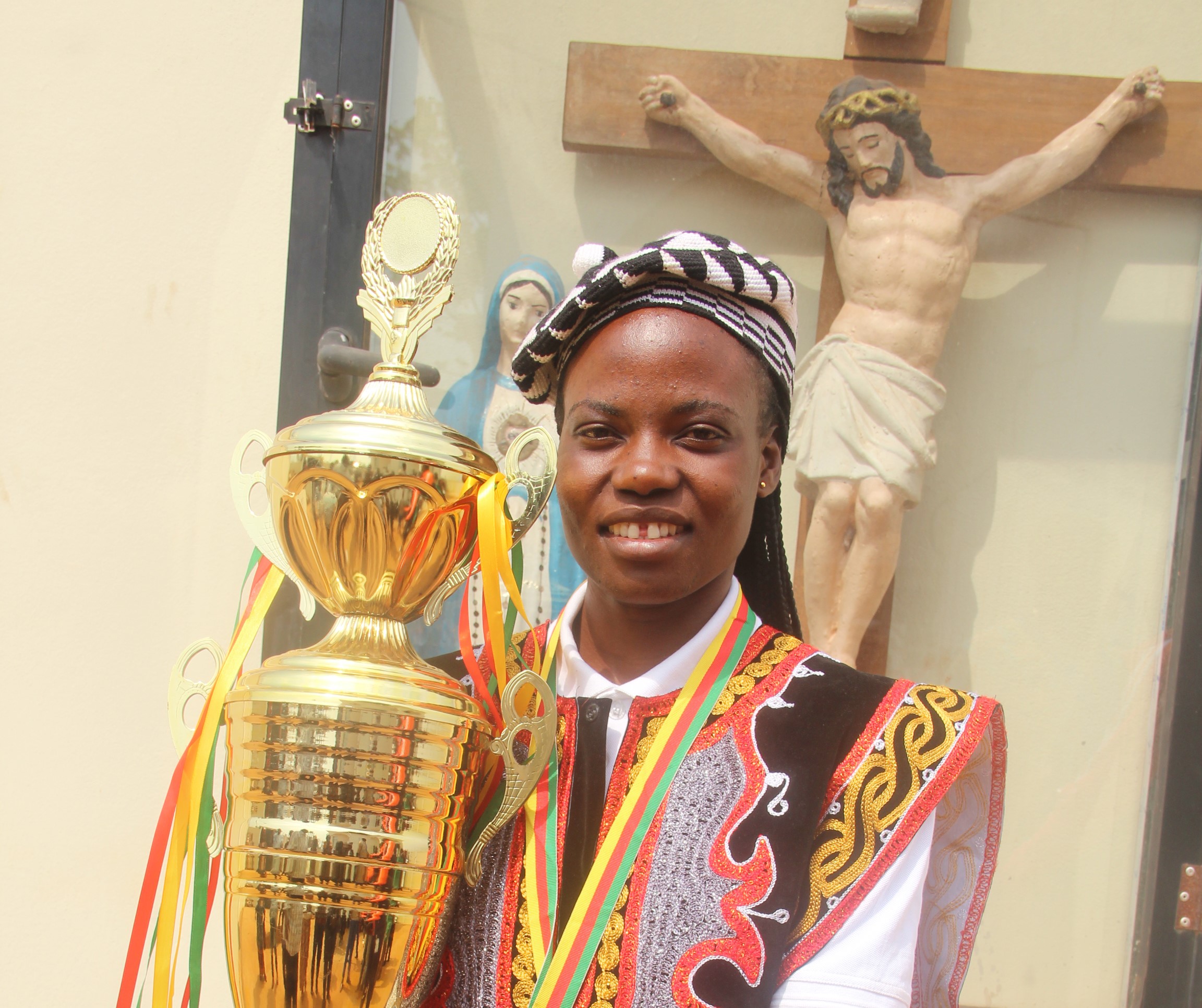
Grace Wirba, 2026 Race Of Hope Champion, Presents Trophy To Fon Of Nso

By Etienne Mainimo Mengnjo Mary Grace Dzekenyuy Wirba, the newly crowned champion of the 2026 Mount Cameroon Race of Hope…

The Enduring Charm Of Fireside Storytelling

By Etienne Mainimo Mengnjo

Telling stories around the fireside is an age-old tradition that weaves a rich tapestry of memories, connecting generations and preserving cultural heritage. In many villages in the Northwest Region of Cameroon, where life unfolds at a different rhythm, families gather each evening, drawn to the warmth of flickering flames and the promise of enchanting tales.

Three stone fire side in a typical village in Cameroon

As Aminatua, a grandmother who has shared stories for decades, puts it, “Gathering around the fire isn’t just about warmth; it’s about connection. These tales are our heritage.”

Many of these narratives are told in local dialects, adding to their charm and authenticity. Children eagerly anticipate new episodes from their grandparents and parents, their excitement ignited by the glow of a kerosene lamp, affectionately referred to as a “bush lamp.” This simple source of light creates an atmosphere charged with anticipation and wonder.

As the sun sets and darkness envelops the village, a hushed silence settles over the landscape. Children race home, their laughter mingling with the rustle of leaves. Young and old reposition themselves in a circle around three stones that cradle the fire’s warmth. As the flames flicker, casting a dancing light over eager faces, a transformative magic fills the air.

“There’s something magical about those nights,” said nine-year-old Easter. “When the stories begin, it feels like time stands still.” The nightly ritual becomes more than just a gathering; it is a cherished tradition that binds families together. The dialogue flows freely as stories weave a sense of community.

Even as the night lingers, some tales incorporate elements of fear, sending shivers down spines and provoking gasps of excitement. These narratives can transport listeners to realms far beyond their village, creating a thrilling atmosphere charged with suspense. However, more often than not, the tales are woven with threads of joy, laughter, and valuable life lessons.

The storytellers wield a magical ability to articulate their narratives, drawing listeners into realms where the outside world fades away. “You can’t help but be captivated,” recalls Promise, now a mother of three in Yaounde, her voice softening with nostalgia. “When someone tells a story with such passion, you lean in closer, hanging onto every word.” The power of the spoken word reverberates through the warmth of the flames, enveloping everyone in a cocoon of shared experience.

For children, these tales become gateways to different worlds. Elvis, age 11, recounts her favorite stories of mythical creatures and brave heroes, vividly describing her journey through the narratives. “Every story transports me somewhere else,” she shared. Her eyes gleam with enthusiasm, revealing the depth of her imagination. “I feel like I’m there in the story, feeling everything.”

“These sessions are more than mere entertainment,” a mother said, they foster unity and belonging. Families sit side by side, their hearts and minds intertwined through shared experiences.”

As the fire pops and crackles, children not only find solace and amusement; they also learn invaluable lessons. Each story is infused with morals, guiding young listeners through life’s complexities. “I learned patience from my grandmother’s stories,” a 12-year-old Musa said via a phone conversation. “Every tale has a lesson if you listen closely.”

As time progresses, the impact of these fireside stories extends far beyond childhood. Parents, who once sat mesmerized as children, testify to the profound influence these tales have had on their lives. “These stories shaped who I am,” said Ibrahima, a father of three living in Douala. “They taught me resilience and sparked my curiosity.” As parents share these stories with their children, they weave continuity into their family narratives, reinforcing a shared identity and cultural heritage.

A kerosene lamp, commonly referred to as a “bush lamp.”

The echoes of these narratives do not fade as children grow. Rather, they resonate in their actions and decisions, guiding them through the complexities of adulthood. The simple act of gathering around the fire becomes a touchstone for understanding not only the past but also the present and future. “Storytelling is like a map of my ancestors,” Ibrahima reflected. “It guides me as I navigate life.”

The breadth of stories is vast—each narrative is a window into the community’s history, culture, and values. Traditional tales often recount the struggles and triumphs of ancestors, laying a foundation for understanding resilience and hope. “Every tale tells a piece of our history,” Amina reflected. “It’s how we remember who we are.”

This tradition of storytelling serves as a generational bridge, connecting young and old alike. “When I tell stories to my children, it feels like I am also telling them my own experiences, my dreams,” said Emelda’s father, Edwin. “I want them to remember who they are and where they come from.” The stories become conduits for wisdom, allowing older generations to impart their knowledge, values, and experiences to the youth.

However, the winds of change have swept through the fabric of tradition. In our modern world, where technology reigns and the relentless pursuit of success consumes many, these fireside gatherings have dwindled. While some parents valiantly cling to the past, ensuring their children experience the wonder of storytelling, many succumb to the pressures of a fast-paced life.

Children today, equipped with digital devices and surrounded by screens, often seem disconnected from their rich cultural heritage. The flames of the fireside have been overshadowed by glowing screens. “I wish my kids could experience what I did—sitting around the fire and listening to stories,” Amina lamented, reflecting on the changing times.

To many, this decline of fireside tales has created a void in the lives of many children. Some struggle to express themselves in their mother tongue, while others miss the moral lessons once embedded in these stories.

With parents preoccupied by work demands and technology, opportunities for meaningful interactions diminish. “My friends are always on their phones,” lamented 10-year-old Becky. “I miss talking about stories. It feels like something important is missing.”

Furthermore, the lack of storytelling has broader implications. Children who do not hear these tales often lack the cultural grounding that allows them to connect with their heritage. The teachings of their ancestors, passed down through generations, are replaced by digital distractions. “We are losing our stories, and with them, our identity,” Mengla, an elder said. “This is a great loss.”

Yet, amidst the rush of modernity, a yearning remains—a desire to return to simpler times, to rekindle those fireside gatherings, and revive the stories that breathe life into village nights. “We need to hold on to our stories,” declared Ibrahima. “They remind us of our roots and who we are.”

Reclaiming this age-old tradition is crucial. It is essential to once again gather—young and old—to listen, learn, and connect. For in the stories shared around the fireside lies the heart of family, the community, and the spirit of a timeless experience.

Leaders and elders in the community are beginning to recognize the importance of these gatherings. “Let’s not let our stories become forgotten,” Amina urged. “Let’s pass them down while we still can.” Initiatives to revitalize storytelling nights are emerging, inviting families to share their narratives by the fire. Community events centered around tales are being organized, encouraging participation from all age groups.

“Let’s gather once a month,” suggested a local schoolteacher, Mr. Dada, at a recent community meeting. “It could be a time for us to share stories, teach our children our history, and reconnect as a community.”

As the flickering flames continue to dance in the night, the dreams of rekindling this tradition persist. The enchanting stories shared not only preserve culture but cultivate connection in a world increasingly distanced from its roots. “When we share our stories, we share our lives,” Amina concluded. “And that’s something we should never lose.”

As people begin to reconnect with this tradition, the hopes of a revived fireside experience emerge. It’s not merely about preserving stories; it’s about fostering relationships, building community, and ensuring that the next generation inherits a legacy rich in culture and wisdom.

In each story told, there’s potential—potential for growth, understanding, and unity. These fireside gatherings are more than just moments of joy; they form the backbone of cultural identity and collective memory. Reviving this tradition is not just a nostalgic endeavor; it’s a necessary step toward nurturing a future built on the treasures of the past.

In every crackle of firewood, every soft-spoken word, and every eager, wide-eyed listener, the spirit of storytelling breathes alive—a reminder of what it means to be human, to share, and to belong. Together, around the flickering flames, families can rediscover the magic of storytelling and reclaim a vital part of their heritage.


Gov’t Equips CONAC, Audit Chamber With Vehicles To Scale Up Anti-Corruption Fight

By Etienne Mainimo Mengnjo

The government of Cameroon through the Ministry of Economy, Planning and Regional Development (MINEPAT) has handed over five pickup trucks to Cameroon’s National Anti-Corruption Commission (CONAC) and the Audit Chamber of the Supreme Court.

Five pickup trucks donated to CONAC and Audit Chamber by government (Photo Credit: Mainimo Etienne)

The handover ceremony took place Feb. 13 in Yaoundé, presided over by the Economy Minister Alamine Ousmane Mey.  Yap Abdou, President of the Audit Chamber, and Rev. Dr. Dieudonné Massi Gams, President of CONAC also attended the event alongside other officials.

According to officials, the vehicles, purchased under the Public Finance Governance Support Project (PAGFIP), were funded by the African Development Bank Group through the African Development Fund. Their total cost was FCFA 10.22 billion.

Minister Ousmane Mey and the President of  CONAC exchanging transfer documents of the cars (Photo Credit: Mainimo Etienne)

Speaking during the occasion, Minister Ousmane Mey highlighted the importance of strengthening CONAC and the Audit Chamber to improve tax revenue collection and budget security.

“The materials will also reduce budgetary risks through better control and increased oversight of budget execution,” Minister Ousmane Mey said. “Systematizing internal and external audit practices is essential.”

He referenced recent comments by the Head of State during the traditional message to the Youths on February 10, noting that PAGFIP will help combat pollution and illicit financial flows. The project seeks to build national capacities in public finance management, reform communication and strengthen internal and external control bodies.

Minister Ousmane Mey and the President of the Audit Chamber exchanging transfer documents of the cars (Photo Credit: Mainimo Etienne)

“We all share a commitment to transparency in public finance management, regular audits and effective involvement of civil society organizations in budgetary management,” Minister Ousmane Mey added.

After signing transfer documents, the recipients expressed their appreciations. Rev. Dr. Massi Gams, speaking for CONAC, said: “We are very happy to express our appreciation to the President of the Republic. By providing this vehicle to CONAC, the institution can pursue its mission in the field and conduct investigations at various levels.”

He added that the resources will allow CONAC to engage directly with citizens, monitor ongoing projects and ensure Cameroonians receive their rightful benefits.

Officials posed for a family picture after the handing over ceremony (Photo Credit: Mainimo Etienne)

Yap Abdou on his part said the vehicles will improve field operations for the Audit Chamber, enabling better investigation and assessment of budget allocations and execution. They will enhance the ability to cover the national territory for audits and controls.

The distribution includes two vehicles for the Audit Chamber and three for CONAC. The aim is to boost operational capacity and effectiveness in auditing, control, prevention and anti-corruption efforts.

Through PAGFIP and continued AfDB support, the Cameroon government is advancing public finance reforms. These include better tax revenue mobilization, more efficient public spending and stronger measures against corruption and illicit financial flows.

Officials posed for a family picture after the handing over ceremony (Photo Credit: Mainimo Etienne)


LOYOC Celebrates Impact Of 2025 NAWEWE Sports Jamboree In Bertoua

By Etienne Mainimo Mengnjo

Local Youth Corner (LOYOC) has revealed that the 2025 NAWEWE Sports Jamboree that took place in the Bertoua, East Region of Cameroon, made a significant impact, leaving a legacy of peace and tangible development across the area.

LOYOC presenting the achievements of the 2025 NAWEWE sports Jamboree  (Photo Credit: Mainimo Etienne)

During a presentation on February 6, LOYOC outlined the achievements of the month-long event, themed “Uniting Through Sports.” The jamboree going by LOYOC successfully addressed rising social tensions by creating safe spaces for dialogue among internally displaced persons, refugees, and host communities.

In addition to fostering dialogue, the jamboree attracted over 5,000 spectators and saw participation from more than 300 young athletes, showcasing unity that extended far beyond the field.

Furthermore, outreach efforts reached over 1,500 community members, generating 200,000 social media engagements, with 31 institutions and companies participating in the event. Significantly, the jamboree promoted gender inclusion, featuring 167 female and 129 male athletes.

In the area of education, LOYOC said, education and child protection were core pillars of the initiative, which provided 500 school bags and 2,000 exercise books to vulnerable children who might otherwise face barriers to enrollment.

Alexandre Bitchoka, MINJEC representative speaking during the press conference (Photo Credit: Mainimo Etienne)

Additionally, 20 students received direct support for their school fees, and 350 households were educated on child protection in mining and the prevention of gender-based violence and hate speech.

Also, the spirit of civic responsibility shone through massive community service efforts, with over 400 volunteers mobilizing to clean markets, schools, and administrative offices.

This environmental commitment was solidified by the planting of 300 trees in two locations, establishing a green legacy for Bertoua. Moreover, 40 young people received specialized training on electoral participation to enhance their voices in local governance.

Stean Auguste, the Resident Coordinator of the UN System in Cameroon speaking during the press conference (Photo Credit: Mainimo Etienne)

In addition, economic empowerment also played a vital role in the month’s activities, with an exhibition featuring 31 partners that allowed UN agencies, local businesses, and youth entrepreneurs to network and generate income, bridging the gap between humanitarian aid and local commerce.

The high profile of the event was underscored by the attendance of 35 government and private sector officials, alongside 20 artists and influencers who participated in a solidarity match to strengthen inter-community relationships.

The jamboree provided grounds for free health consultations, awareness campaigns, and the distribution of food and basic amenities. Youth participants were trained as peace ambassadors, enhancing their conflict resolution skills and awareness of peaceful elections and mediation. Additionally, 296 athletes underwent medical screenings, and over 1,500 community members received health consultations, including eye care and HIV screenings. Local publications also increased awareness regarding family planning and maternal health.

Peter Eselecha, Managing Director of COSMOS Educational Press Ltd, one of the partners of NAWEWE (Photo Credit: Mainimo Etienne)

Key outcomes of the jamboree included stronger inter-community relationships, improved access to health and education, youth empowerment as leaders and mediators, increased female participation, and enhanced institutional collaboration.

The event highlighted the importance of balancing male and female sports, boosting girls’ confidence and promoting social cohesion through community service days. Multi-stakeholder partnerships were emphasized as essential for ensuring sustainability.

Following the presentation, representatives from various partners, including the Ministry of Youth Affairs and Civic Education (MINJEC), UN agencies, Plan International, COSMOS Education, former Indomitable Lions, and several influencers, praised the jamboree for its positive impact.

Tchoutang Bernard, former Indomitable Lions, one of the influencers of NAWEWE (Photo Credit: Mainimo Etienne)

Stean Auguste, the Resident Coordinator of the UN System in Cameroon commended LOYOC for its leadership, stressing the UN’s commitment to supporting peace-building initiatives driven by local actors. He stated, “Peace in Cameroon must be driven by youth and local actors, making it crucial for us to support these efforts.”

The MINJEC representative lauded LOYOC’s initiative as it aligns with the Ministry’s goal of promoting coexistence. A representative from Plan International expressed joy at being part of the initiative, noting the opportunity for youth to express themselves through sports. COSMOS Education promised to increase their contributions in future editions.

Tohnain Anthony Nguo (Magasco aka “Bamenda Boy” is a Cameroonian Afro-pop/afrobeats and Dancehall artist, one of the influencers of NAWEWE (Photo Credit: Mainimo Etienne)

The town of Tiko has been announced as the host for the 5th edition of the NAWEWE Sports Jamboree, expected to take place in 2026.

Prioritizing Telemedicine In Community Settings Can Enhance Mental Health Intervention – Collins Tanyuy

Collins Tanyuy, a mental health specialist, has said that prioritizing telemedicine in both community and urban settings can significantly enhance mental health interventions. Talking to The Post, Tanyuy stated that telemedicine enables individuals to connect with mental health professionals from the comfort of their homes, thereby reducing barriers related to transportation and stigma. He also highlighted the importance of promoting positive help-seeking behavior and integrating mental health services into primary healthcare as crucial steps to improve overall health interventions. Read the excerpts:

Excepts:

The Post: In many Cameroonian cultures, severe mental illness is often attributed to ‘witchcraft’ or ‘family curses’ (generational curses). How can we respect our cultural heritage while educating families that these are medical conditions requiring professional clinical intervention?

Collins Tanyuy: To respect cultural heritage while promoting mental health interventions, one effective approach is the transcultural model. This model emphasizes that no culture is superior to another, recognizing that cultural values are passed down from one generation to the next. In order to respect cultural heritage in the treatment of mental illnesses, it is essential to integrate traditional healers and community leaders into the mental health education process.

Collins Tanyuy, Mental Health Specialist

By involving these key figures, we can ensure that cultural boundaries are respected, while also promoting the rights of individuals living with mental illnesses. This approach helps bridge the gap between cultural beliefs and conventional medicine, creating a more inclusive environment for those seeking help.

Collaboration with traditional healers is particularly important. By understanding the cultural narratives surrounding mental illness, we can work together to develop educational materials that are sensitive to these beliefs. This can enhance the effectiveness of mental health interventions and foster a stronger connection between traditional practices and modern treatment methods.


With the ongoing socio-political crisis in the North-West and South-West, thousands are displaced and traumatized. Are our current healthcare structures equipped to handle ‘invisible wounds’ like PTSD, or are we only focusing on the physical injuries of the conflict?

In the context of the socio-political crisis, it is evident that mental health issues have become deeply ingrained in many communities, resulting in numerous individuals living with psychological wounds. Unfortunately, mental health is often the most neglected aspect of public health, frequently overshadowed by stigma and social discrimination. This environment discourages many people from seeking help from mental health specialists.

In Cameroon, particularly in two regions affected by the ongoing socio-political turmoil, there is a significant shortage of mental health professionals. Many hospitals lack the specialists needed to address these pressing issues effectively. As a result, affected communities often struggle to find adequate support.

However, some non-governmental organizations (NGOs) and faith-based groups, such as churches, have to stepped in to fill this gap. These organizations have trained volunteers and healthcare workers in basic mental health care practices.

They provide psychosocial support and psychological first aid to help individuals cope with the impact of the crisis. This grassroots effort is crucial in reaching those in need, as it allows for immediate assistance in communities where access to formal mental health services is limited.


We see an increasing number of mentally ill individuals wandering the streets of Yaoundé and Douala, often naked or eating from refuse. What innovative strategies can be implemented to improve mental health awareness, access to care, and reduce stigma in Cameroon, considering the cultural and economic context?

Innovative strategies to improve mental health awareness and access to care can significantly impact communities. One effective approach is to prioritize telemedicine, especially in community-based settings. This allows individuals to connect with mental health professionals from the comfort of their homes, helping to eliminate barriers related to transportation and stigma.

Another valuable strategy is the establishment of mobile mental health clinics, which can reach displaced populations and those living in remote areas. These clinics offer essential services directly to communities that may lack access to traditional healthcare facilities.

Regular public awareness campaigns play a crucial role in reducing stigma surrounding mental health. Utilizing local languages and various media platforms enhances the relatability and effectiveness of these campaigns. Educating the public about mental health encourages a supportive environment where individuals feel comfortable seeking help.

Promoting positive help-seeking behavior is also vital. Community-focused campaigns can emphasize the benefits of early intervention and demonstrate how mental health treatment can improve overall quality of life. Additionally, addressing recreational drug use through strengthened public security measures can be crucial. Providing education and support helps prevent substance abuse, which is often linked to untreated mental health issues.

Integrating mental health services into primary healthcare is another important step. By treating mental health alongside physical health, patients can receive comprehensive care tailored to their individual needs. Furthermore, fostering collaboration among different sectors, such as the Ministry of Education, Defense, and Social Affairs, can help create a robust support system for mental health initiatives.

By implementing these strategies, we can build a more supportive and accessible mental health care system, encouraging individuals to seek help and fostering a greater understanding of mental health within our communities.


It is often said in our society that ‘we don’t wash our dirty linen in public,’ leading families to hide mentally ill relatives in backrooms or chains. How can we break this silence so that mental health becomes a topic discussed at the dining table rather than a secret kept in the shadows?

The issue of hiding relatives with mental illness is complicated and affects many families. It stems from a mix of fear, misunderstanding, and stigma in society. Many people still believe that mental illness is something to be ashamed of, leading families to keep their struggles secret.

Raising awareness about mental health is essential for changing this perspective. When we talk openly about mental illnesses, we can help people understand that they are just like physical illnesses. Conditions such as depression or anxiety are real health issues that can be treated effectively.

Getting community leaders involved can make a real difference. Mayors and Members of Parliament have the power to influence public opinion. They can create campaigns that promote mental health awareness and encourage people to seek help without feeling embarrassed. When leaders share their support, it sends a strong message that mental health is important and deserves attention.

Additionally, community programs and resources can be developed to provide support for those struggling. This can include workshops, counseling services, and support groups. By offering these resources, we can create an environment where seeking help is seen as a sign of strength, not weakness.

Interviewed by Etienne Mainimo Mengnjo

Bello Bourdanne Triumphs In Landslide Re-Election As President Of FECAVOLLEY

By Etienne Mainimo Mengnjo

Bello Bourdanne has secured a second term as president of the Cameroon Volleyball Federation (FECAVOLLEY), winning a landslide re-election victory to lead the sport’s national governing body under a promised “new deal.”

Bourdanne, who was first elected in January 2023 on a platform of reconciliation, received 61 votes out of 68 valid ballots cast. The elective general assembly took place in Yaoundé. The lopsided result is being viewed by observers as a strong endorsement of his efforts to stabilize the federation over the past two years.

The proceedings were monitored by two envoys from the African Volleyball Confederation (CAVB) to ensure transparency. The observers included Moiffie Kanneh of Liberia, chairman of the CAVB legal commission, and Ringisai Kudzanai Hillario Mapondera of Zimbabwe, a member of the same commission.

The election also solidified the federation’s broader leadership team through high-margin votes. Dr. Elias Matip was unanimously elected as first vice president with 68 votes, while Dr. Deris Meh was chosen as secretary general with 66 votes. Bebey Moudiki will head the financial department after also receiving 66 votes.

Bilong Edima Pauline Jacky, who takes over as deputy secretary general, and L’Or Victoire Pauline Ngon Ntame épouse Fotso, who was appointed as deputy head of the financial department. The lopsided results suggest a unified front for the federation as Bourdanne begins his next chapter at the helm of Cameroonian volleyball.

As Bourdanne begins his second term, the focus remains on whether his administration can translate this internal political unity into continued growth and international competitiveness for Cameroonian volleyball.


Complete Executive Bureau of FECAVOLLEY

Bello Bourdanne | President

Dr Matip Elias | 1st Vice President

Bouba Demy Muller | Vice-President in charge of Sector 1

Dr Dandji Saah Marc | Vice-President in charge of Sector 4

Dr Nge Deris Meh | Secretary General

Bebey Moudiki Jacques | Head of Financial Department

Bilong Pauline | Deputy Secretary General

Mme Ngon Ntame Victoire | Deputy Head of Financial Department

Emagueu Blandine | Adviser

Djolbo Edouard | Adviser

Eyike Marthe-Clémence | Referees Commission

Ateatsa Edwin | COCABEACH Coordination

Mayam Blaise R. | National Technical Director

Yende T. Lavoisier | Coaches’ Representative

Fosso Dana Gracile | Athletes’ Representative

Nack Theodora épse Oye | Training Centres’ Representative

Pondi Arthur | Elite Clubs’ Representative

Ngon Ntame Victoire | Elite Clubs’ Representative

President of FAP | Elite Clubs’ Representative

Mbadaï Mang Egre | Administrator Sector 01

Gouane Alain | Administrator Sector 01

Bilong Pauline | Administrator Sector 02

Dr Badjeck Didier | Administrator Sector 03

Gwanmesia Leslie | Administrator Sector 03

Etongue Frederick | Administrator Sector 02

Emagueu Blandine | Administrator Sector 04

Pr Pone | Administrator Sector 04

Abouenzi Ines | Auditor

Tameu Olain | Auditor

Tiko Named Host City For 5th Edition Of 2026 NAWEWE Sports Jamboree

By Etienne Mainimo Mengnjo

The organisers of the NAWEWE Sports Jamboree, Local Youth Corner Cameroon (LOYOC), have officially announced that the town of Tiko, in the Southwest Region, will host the 5th edition of the event in 2026.

A representative of the Tiko Mayor and the UN Resident Coordinator in Cameroon display the host plaque for the 5th NAWEWE Sport Jamboree, scheduled to take place in Tiko (Photo Credit: Mainimo Etienne)

The announcement was made on February 6, 2026, during a press conference that took place in  where stakeholders gathered to review the impact of the 2025 edition held in Bertoua and outline the roadmap for the upcoming year. According to the organisers, the 2026 jamboree will take place under the theme, “Stronger Together In Times Of Crisis Through Sports.”

Speaking during the press conference, LOYOC Chief Executive Officer Christian Achaleke Leke told reporters that Tiko, was selected from three pre-selected cities due to the high level of preparedness and enthusiasm shown by local authorities and others.

Achaleke described Tiko as the “gateway” into the region and expressed confidence that the location offers a unique opportunity to tap into the creative and entrepreneurial spirit of the local population.

He noted that the 5th edition intends to leverage sports as a primary tool for social cohesion, particularly in promoting moral, civic, and entrepreneurial development among young Cameroonians.

A representative of MINJEC hands the symbolic hosting baton to a representative of the Mayor of Tiko (Photo Credit: Mainimo Etienne)

He highlighted the exciting innovations slated for the upcoming 5th edition of the NAWEWE Sports Jamboree, emphasizing the potential of tapping into the creative spirit of the Southwest region.

“By creativity, I mean entrepreneurship, film, entertainment, and much more. How can we leverage these elements as tools for social cohesion?” Achaleke stated. He also stressed the importance of building on past experiences to foster community trust and dialogue, particularly in a region grappling with security challenges.

“This jamboree aims to go deeper than previous editions, ensuring that we mobilize local partners who can introduce indigenous processes and tools to address immediate local challenges,” he stated. “NAWEWE may come and go, but the community should continue with these best practices.”

Looking forward, Achaleke expressed hope that, in collaboration with partners, one of the innovations will be to develop a national guide on using sports to promote social cohesion.

Christian Achaleke Leke, Chief Executive Officer of LOYOC speaking during the conference  (Photo Credit: Mainimo Etienne)

“We believe that the sports activities organized by structures like FENASCO can employ tools and models that effectively shape social cohesion while promoting sports,” he added.

Receiving the symbolic hosting baton, the representative of the Mayor of Tiko praised LOYOC for its initiative, which he believes will have a significant impact on the Tiko Municipality and the Southwest Region as a whole. He also conveyed the Mayor’s message, stating that the municipality is prepared to host and support the jamboree from start to finish.

Representatives from the Ministry of Youth Affairs and Civic Education (MINJEC), UN agencies, Plan International, COSMOS Education, former Indomitable Lions, and various influencers commended the jamboree for its positive impact.

The NAWEWE Sports Jamboree is a flagship youth-led initiative implemented by LOYOC, utilizing sports and recreational activities to promote youth empowerment, peacebuilding, social cohesion, and moral, civic, and entrepreneurial development throughout Cameroon. Its primary focus is on young men and women who have been displaced, as well as their host communities.

Officials posed for a family picture after the press conference    (Photo Credit: Mainimo Etienne)

Since its inception in 2022, the Jamboree has received patronage and strategic support from the MINJEC, along with the engagement of UN agencies, international organizations, diplomatic missions, private sector partners, former Indomitable Lions, media, and influencers. Having already taken place in Douala, Yaounde, Bafoussam, and Bertoua, the 5th edition in Tiko aims to expand the initiative’s reach across Cameroon.

2025/2025 Football Season: Defensive Grit, Narrow Margins Define MTN Elite One Day Three

By Etienne Mainimo Mengnjo

The third playing day of the ongoing MTN Elite One championship in Cameroon saw a defensive discipline take center stage as goals became a rare and precious currency across the league. Across seven fixtures that rounded last Thursday February 5, only seven goals were recorded, resulting in a series of tightly contested battles characterized by physical play rather than offensive flair.

The weekend produced four narrow 1-0 victories and two draws, leaving the league table in a state of flux as established giants finally began to find their footing. The standout performance of the day took place at the Bamenda Proximity Stadium, where PWD Bamenda transformed their home ground into an dense fortress. Facing a previously unbeaten Gazelle FA of Garoua, the “Abakwa Boys” relied on patience to break down a stubborn opponent.

For 88 minutes, Gazelle’s goalkeeper Housseini appeared unbeatable, commanding his area with authority. However, the deadlock was finally shattered in the 89th minute when substitute Serge Bengono Manga rose highest to meet a cross, powering a header into the net to secure a dramatic 1-0 win.

In Yaoundé, the narrative of the young season shifted as defending champions Colombe Sportive du Dja et Lobo delivered a statement victory over league leaders Dynamo de Douala. Although Dynamo dictated the tempo in the first half, a decisive triple substitution at the interval by Colombe coach Richard Towa proved to be a masterstroke.

Just eight minutes into the second period, substitute Jumah Ikose provided a moment of pure magic, latching onto a Billy Marcel Djialeu pass to score with a sublime backheel. Despite a relentless late press from Dynamo and a missed penalty by Colombe’s Patrick Fergani Edzimbi, the champions held firm to hand Dynamo their first defeat of the campaign.

The most commanding display of the round occurred at the Fotso Victor Stadium in Bandjoun, where Panthère Sportive du Ndé ascended to the top of the table with a convincing 2-0 win over AS Fortuna de Mfou. Joseph Élie Tiba acted as the primary architect of the victory, assisting Georges Mbarga for the 21st-minute opener before doubling the lead himself ten minutes after the restart.

This clinical performance stood in stark contrast to the historical stalemate played out between Aigle Royal de la Menoua and Canon Sportif de Yaoundé. The two sides settled for a 0-0 draw at the Bamendzi Stadium, marking the twelfth time they have shared the points in their last 21 meetings. While Aigle Royal controlled possession, they were ultimately thwarted by an inspired performance from Canon goalkeeper Karim Bello.

Regional pride took the spotlight in the Moungo derby, which ended in a 1-1 split between Stade Renard de Melong and Aigle Royal du Moungo. After a scoreless opening half, Willy Namedji gave Stade Renard the lead in the 75th minute, but the celebration was short-lived. Just six minutes later, Janis Ebele found the equalizer for the visitors to ensure the points were shared.

Meanwhile, Coton Sport de Garoua finally ignited their season with a 1-0 away victory against Victoria United at the Limbe Centenary Stadium. An early 10th-minute strike from Ahmadou Ahidjo proved sufficient, as Coton Sport’s backline recorded its third consecutive clean sheet despite intense pressure from the hosts.

The round concluded with Unisport du Haut Nkam securing their first three points of the season at the Ahmadou Ahidjo Stadium. A 14th-minute goal from Fokem was enough to edge out Fauve Azur 1-0. Although Unisport showed signs of physical fatigue late in the match, they successfully defended their slim advantage for over 70 minutes.

With the defensive patterns now firmly established, the Elite One championship continues this weekend, with the fourth day of action scheduled for Sunday, February 8.

Meet Claris Zofoa, Stitching Cameroon’s Culture Into Every Cake

By Etienne Mainimo Mengnjo

In a small, aromatic kitchen in Yaoundé, Claris Zofoa D. stared at a cake that—by all professional standards—was a failure. It wasn’t light; it wasn’t fluffy; it certainly wasn’t what she had planned.

Samples of cakes from Decla’s kitchen

But when her close friends took a nervous first bite, the texture didn’t matter. The flavor was an accidental masterpiece. What started as a “total disaster” in the ovens of Decla’s Cakes and Pastries quickly became the spark for a local baking revolution.

While the dough lacked the expected bounce, the irresistible flavor profile left friends and family clamoring for more. Orders began pouring in before the crumbs had even settled, proving that in the world of high-end pastries, sometimes the best recipes aren’t found in a book—they’re found in the breakthrough of a mistake.

“It was like nothing I’ve ever made,” Claris recalls. “The combination of flavors, techniques, and creativity just clicked. That was when I knew I was hooked.”

Today, that same spirit of “the difference is in the taste” defines her brand turning a once-flawed bake into a flourishing business where perfection is measured by the smile on a customer’s face rather than the height of the sponge.

A samples of a cake from Decla’s kitchen

Shedding the rigid constraints of ‘Old World’ rules, Claris has undergone a complete metamorphosis, carving out a space for her own modern signature. While she holds tradition in high regard, she is artfully weaving cultural emblems into her work, ensuring every creation carries the weight and beauty of her heritage

“Tradition is the foundation, not the limitation,” says Zofoa, who carries herself with the poised grace befitting her title as a princess in her community. In her sunlit Yaounde kitchen, this principle comes alive. She masters French and British baking techniques, the “classic bones” of her craft. But the soul of her creations is purely Cameroonian.

Her most stunning works are not merely iced; they are embroidered in buttercream and fondant, replicating the intricate geometric patterns of Bamiléké fabrics or the vibrant stripes of Togo cloth.

A samples of a cake from Decla’s kitchen

“It’s about wearing our heritage with elegance,” she explains, smoothing the side of a cake that resembles woven indigo textile. “When a bride cuts a cake adorned with her family’s traditional cloth design, she’s slicing into memory. That memory creates craving—for more cake, yes, but also for more of who we are.”

This narrative baking begins long before the oven is preheated. Zofoa visualizes the final moment—the celebration, the emotion—and works backward, combining flavors like a composer writing a score. Local fruits, spices, and unexpected pairings follow. The result is a taste profile her clients call “different,” a signature born of intuition and precision.

“Attention to detail is the silent ingredient,” she notes, weighing almond flour to the gram. Temperature, timing, texture—all are governed by a disciplined reverence for the process. “You must know when it is just right. That feeling is the difference.”

A samples of a cake from Decla’s kitchen

Her ambition now stretches beyond the boutique. Zofoa dreams of a day when a Cameroonian cake design is studied in Parisian culinary schools, when her nation’s aesthetic is a recognized chapter on the global pastry map. It’s a grand vision, but she roots her advice to young bakers in her humble, dense beginnings.

“Do not be discouraged by failure,” she insists, a knowing smile playing on her lips. “They are your best teacher. Keep practicing. Know you are the best. And always, taste as you go.”

From a flawed first bake to a canvas of culture, Zofoa’s journey is more than a business success. It’s a testament to the idea that the most profound breakthroughs often come from embracing the imperfect and that the richest flavors are those steeped in identity. In her skilled hands, a cake becomes more than a dessert—it becomes a declaration of pride, stitch by delicious stitch. You contact her on (+237 675899475)

A samples of a cake from Decla’s kitchen

Striking Eagles Honor Sene Bamba In Farewell Football Match

By Etienne Mainimo Etienne Mengnjo

The Striking Eagles of the U.S. Embassy in Yaoundé gathered Saturday, Jan. 31, for a farewell match honoring Sene Bamba, whose family has departed for a new Peace Corps Mission in Tanzania.

Sene Bamba (Sky Blue) playing for the Striking Eagles during the farewell match of Ambassador Lamora (Picture Credit: Mainimo Etienne)

The match that took place at the team’s regular training grounds, febe Yaoundé, featured a split-squad format:Team A, representing Sene Bamba, faced off against Team B, representing his wife, Nickie Sene (former Peace Corps Director). In a closely contested match, Team A, led by captain Epie Michael, emerged victorious with a score of 8-5 against Team B, captained by Nuyega Doris. The ceremonial kickoff to start the proceedings was performed by former Vice President, Mbang Ernest.

The match served as more than a sporting event; it was a tribute to the man credited with founding the “Eaglets,” the club’s youth affiliate at the US Embassy Yaoundé. Teammates and colleagues praised Bamba for his dual commitment to professional excellence at the embassy and his leadership in the local sporting community.

Team A, representing Sene Bamba

“From your family to the world, Cameroon and the Embassy Yaoundé have overwhelmingly enjoyed your presence,” one member noted in a written tribute. “Bamba has headed the family through numerous sporting activities with outstanding professionalism and deep social involvement.” said Tala Polycarp.

Teammate Chris Nuh reflected on the family’s impact, noting that the Senes’ devotion was a cornerstone of the club’s culture.

“I enjoyed seeing Bamba play his last match at the Military Stadium in Yaoundé,” Nuh said. “Coming out from an injury, he was frustrated at times when plays didn’t go his way, but Nickie Sene and the kids were always there to cheer him on. We thank him for his devotion to the Striking Eagles and the creation of the Eaglets.”

Team B, representing his wife, Nickie Sene


Colleagues also highlighted Bamba’s oratorical skills, describing him as a “motivational speaker” who embodied the “RICE” values (Respect, Integrity, Courage, and Excellence) promoted by the U.S. Ambassador. They described him as a man of “timber and caliber” who captivated audiences whenever he spoke.

Visibly moved by the accolades, Bamba addressed the group, expressing his gratitude for the years of camaraderie in US Mission, Cameroon.

“Words can’t hardly capture how I feel right now,” Bamba said. “Yet I’m not surprised; you’ve always been a wonderful group that knows how to take care of your own. It has been a true honor and privilege to belong to such a committed, spirited, and brotherly community.”

Bamba pledging his lifelong loyalty to the club said, “I’ll always be a Striking Eagle at heart. Forever Big and Strong.”

At 44th AGM, EXSSA Commits To Ongoing Development Of Alma Mater

By Etienne Mainimo Mengnjo

Former students of Saker Baptist College Limbe have reaffirmed their commitment to transforming their alma mater, pledging to spearhead major infrastructure projects to enhance the institution’s learning environment.

Governor Naseri Paul Bea speaking during the ExSSA AGM in Yaounde

The commitment was the centerpiece of the 44th Annual General Meeting of the Ex-Saker Students Association, EXSSA, that took place in Yaoundé on Jan. 30. The event that took place under the theme “God of a Second Chance,” drew hundreds of alumnae from across the country and the diaspora for a weekend of networking, elections, and strategic planning.

Governor Naseri Paul Bea of the Center Region, who presided over the opening ceremony, lauded EXSSA as a benchmark for alumni associations in Cameroon. He noted that the group’s dedication to institutional development serves as a model for how private citizens can contribute to national growth.

He indicated that the government is pleased with the development strides the association has made since its creation more than four decades ago, stating that these efforts align with the national vision of promoting collective participation in nation-building.

The Governor indicated that the contribution of Saker Baptist College in the development strides of the country has been recognized by the authorities. He stated that government cannot develop all facets of the nation without collective participation and characterized the efforts of EXSSA in uniting these forces as highly commendable.

The governor emphasized that the association’s mission aligns with the Head of State’s vision for nation-building, specifically regarding the empowerment of women and youth. Governor Bea further noted that ExSSA is not only uniting but also networking, encouraging, and empowering its members to modernize their alma mater in terms of construction.

Magdelene Bache Nkeng, re-elected President General of ExSSA

He highlighted the importance of the association’s mentorship programs, noting that the handing over of didactic materials to current students is vital for those who need to emulate the example of attachment to their educational roots.

He assured the association that the government is aware of these efforts and will continue to support such initiatives for the betterment of citizens, thereby fostering a harmonious and peaceful society.

A primary focus of the assembly was the election of leadership to steer the association’s next chapter. Magdelene Bache Nkeng was reelected as President General, receiving a fresh mandate to oversee the association’s ambitious development agenda.

In her acceptance speech, Bache Nkeng expressed gratitude for the governor’s continued support and outlined her vision for a sustainable future. She indicated that the association is looking forward to benefiting from the governor’s unflinching support as a partner to the institution’s visions and developmental projects at both the association and college levels.

Ex-students deliberating during the AGM

Bache Nkeng revealed that her mandate will be pitched toward executing multiple projects geared toward ensuring the sustainable growth of the association. She stated that the flagship project is the construction of an ultra-modern facility at the Limbe campus, which will house a new kitchen and a sprawling dining hall. The project was initially approved in 2022 during a dual celebration marking the 60th anniversary of Saker Baptist College and the 40th anniversary of EXSSA.

The President General noted that each time the association celebrates a landmark event, members think of a gift they can leave behind in gratitude for the education they received at the college. She described the current project as a bold step and emphasized that the membership is fully focused on succeeding.

Beyond the elective sessions, the general assembly featured a diverse itinerary including a cultural display, spiritual emphasis sessions, a gala night, and a thanksgiving church service. The AGM also witnessed a city tour of Yaoundé, reinforcing the bonds between the former students of the historic institution.