By Etienne Mainimo Mengnjo
The sixth edition of the AFRODAD Media Initiative (AFROMEDI VI) has commenced in Nairobi, Kenya, convening over 45 journalists and finance experts from 29 African countries. Running from May 27 to May 29, the three-day forum is themed, “Partnering with Media to Advance Socio-Economic Justice and Africa’s Common Position on Debt.”
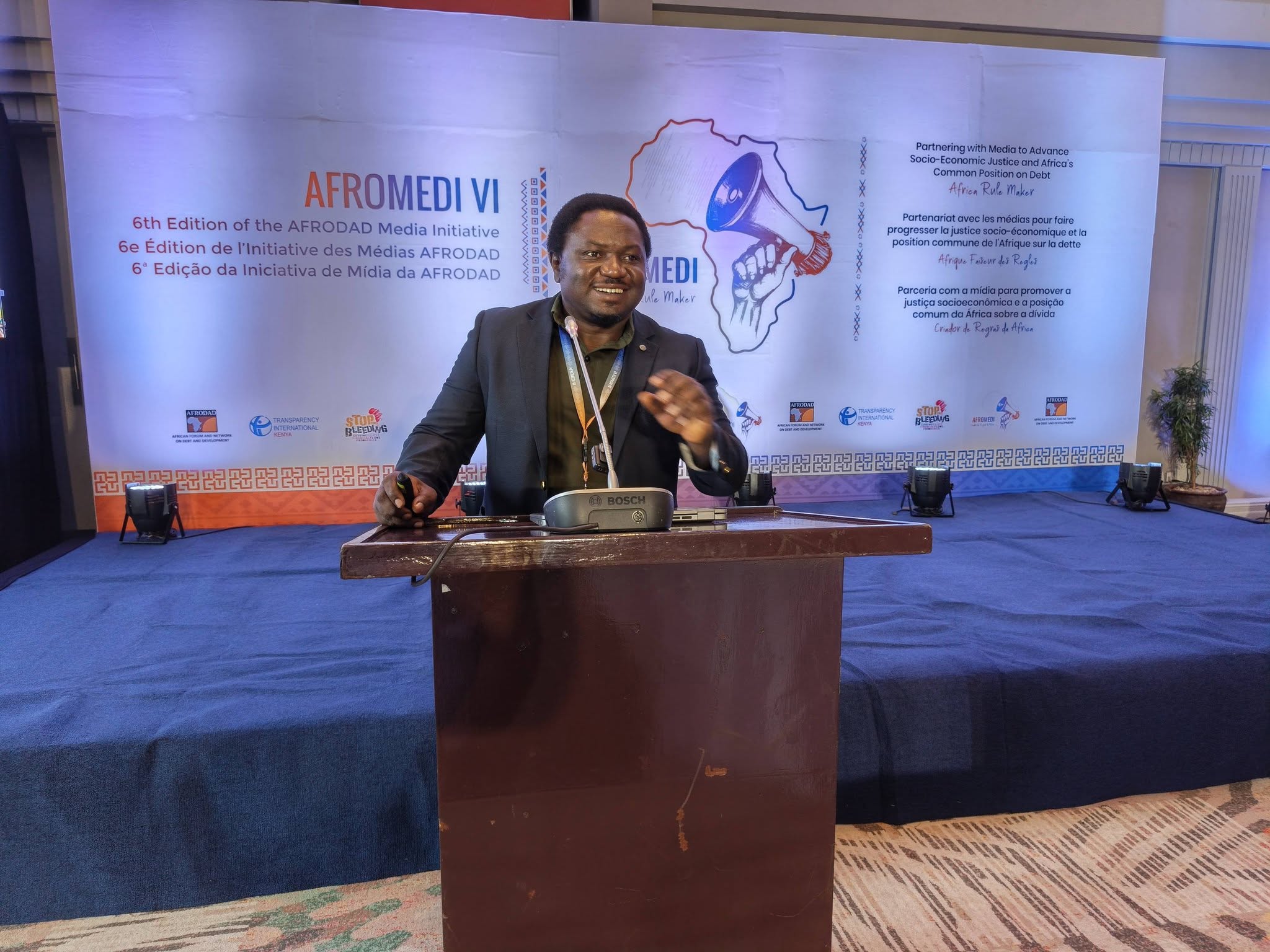
Organized by the African Forum and Network on Debt and Development (AFRODAD) in partnership with Transparency International Kenya and the Stop the Bleeding Campaign, the event emphasizes the critical role of media in driving accountability.
In his opening remarks, AFRODAD Interim Executive Director Dr. Theophilus Yungong described the media as one of the continent’s most powerful tools for accountability, especially as African nations navigate rising debt distress, fiscal pressures, and widening development gaps.
“Only a journalist can make that connection visible to the people who need to understand it most,” Dr. Yungong stated. He emphasized that true accountability is only possible when citizens grasp the implications of the borrowing decisions made in their name.
“When the public watches, things change. When voters ask questions, politicians answer. And when journalists illuminate what would otherwise remain hidden, the powerful can no longer act with impunity.”
He further challenged attendees to help shape a narrative where Africa “tells its own story, sets its own terms, and holds its own leaders—and the world—accountable.”
Gibson Mwaita, Head of Programmes at Transparency International Kenya, reinforced this message by highlighting the link between corruption, weak accountability, and the continent’s economic challenges.
Referring to the 2025 Corruption Perceptions Index, Mwaita noted that Sub-Saharan Africa remains the lowest-performing region globally, with an average score of just 32 out of 100. He affirmed that journalists are essential to strengthening oversight and safeguarding public resources across the continent.
“Media practitioners are not merely observers of economic events; they are active actors in shaping reform conversations,” Mwaita said.
The AFROMEDI initiative enhances media capacity to report on sovereign debt management, fiscal justice, and the global financial architecture. By championing people-centered storytelling, the program bridges the gap between complex macroeconomic policies and everyday realities.
Since its 2021 launch, AFROMEDI has trained over 600 journalists across 37 African countries, fostering a robust network dedicated to accountability and public discourse.
The initiative’s framework is deeply rooted in the African Borrowing Charter, the Lomé Declaration’s Common African Position on Debt, and the long-term goals of the AU’s Agenda 2063.