By Etienne Mainimo Mengnjo
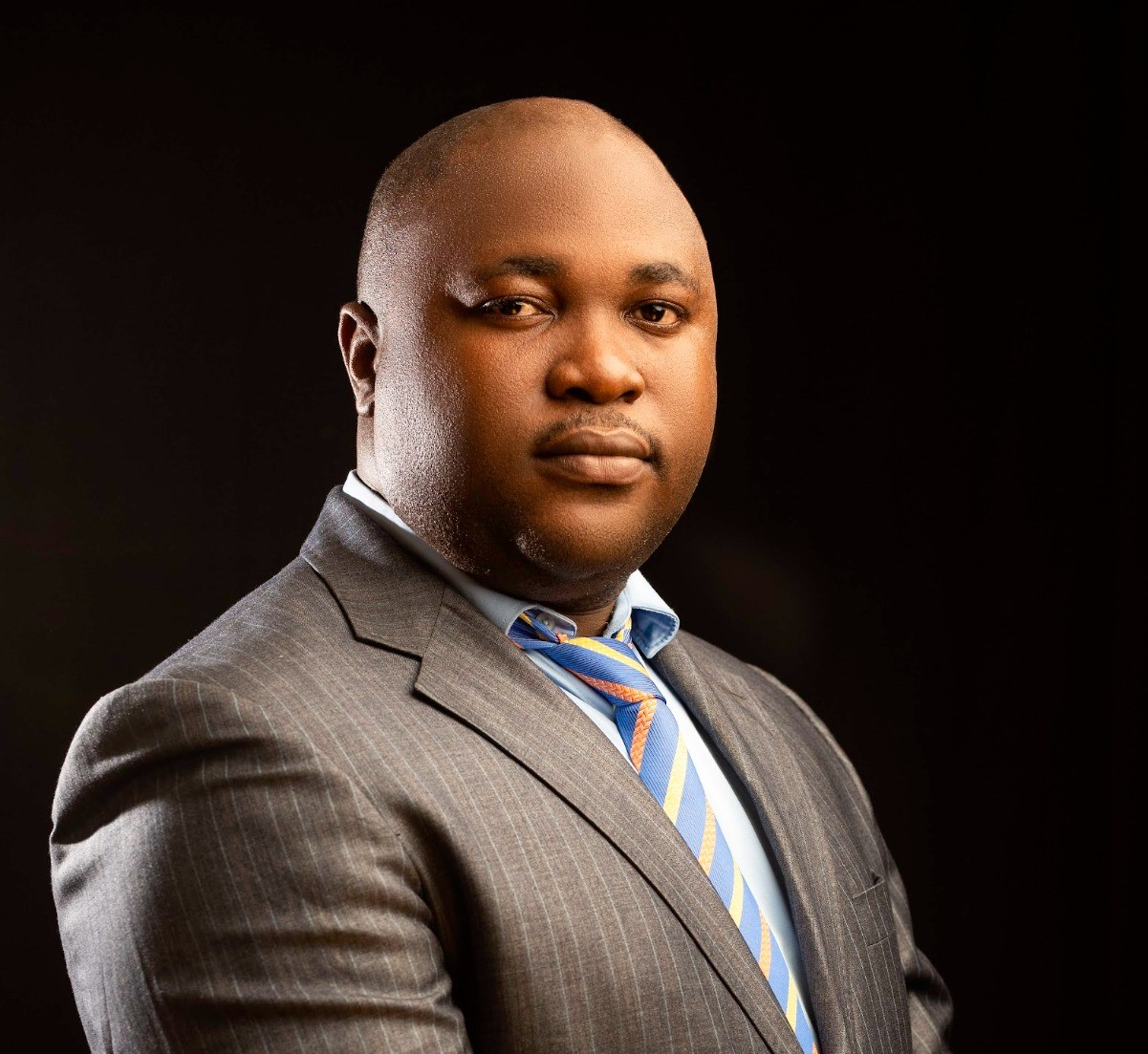
In the digital age, the “cloud” is often portrayed as a universal library, yet for millions of Africans, it remains an inaccessible vault. This reality hit Zuo Bruno, a Cameroonian cybersecurity engineer and founder of Zuoix, with devastating clarity during the 2017 internet shutdown that silenced the Northwest and Southwest Regions of Cameroon for 93 days.
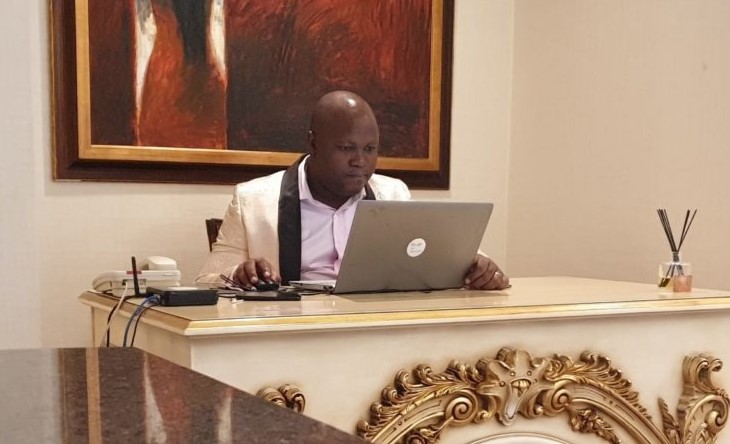
While the world viewed the blackout through the lens of political friction, Zuo Bruno felt it through his empty stomach and the quiet desperation of his community. Working out of a cyber café that was forced to shutter, he found himself unable to pay rent or eat properly. He watched as doctors lost access to lab results and students were cut off from their assignments.
“We talk about the internet as if it is a luxury, but in those 93 days it became painfully clear: in 2017, cutting the internet was no different from cutting the water supply,” Zuo said.
The experience shifted something permanently in the engineer. He realized that building technology solely on the foundation of a “flip-switch” internet was a fragile endeavor—building castles on someone else’s foundation.
According to Zuo, this realization became the catalyst for SkyDew, an offline artificial intelligence platform designed to put the power of the AI revolution into the hands of every African, regardless of connectivity.
He added that SkyDew bypasses the need for high-end smartphones and expensive data bundles by utilizing the most basic communication channels: SMS and USSD. This approach allows the technology to work on “Choronko” phones—the basic feature phones that still dominate much of the African landscape. For users on the MTN Cameroon network, the “future” is already as simple as sending a text message to a dedicated local number.
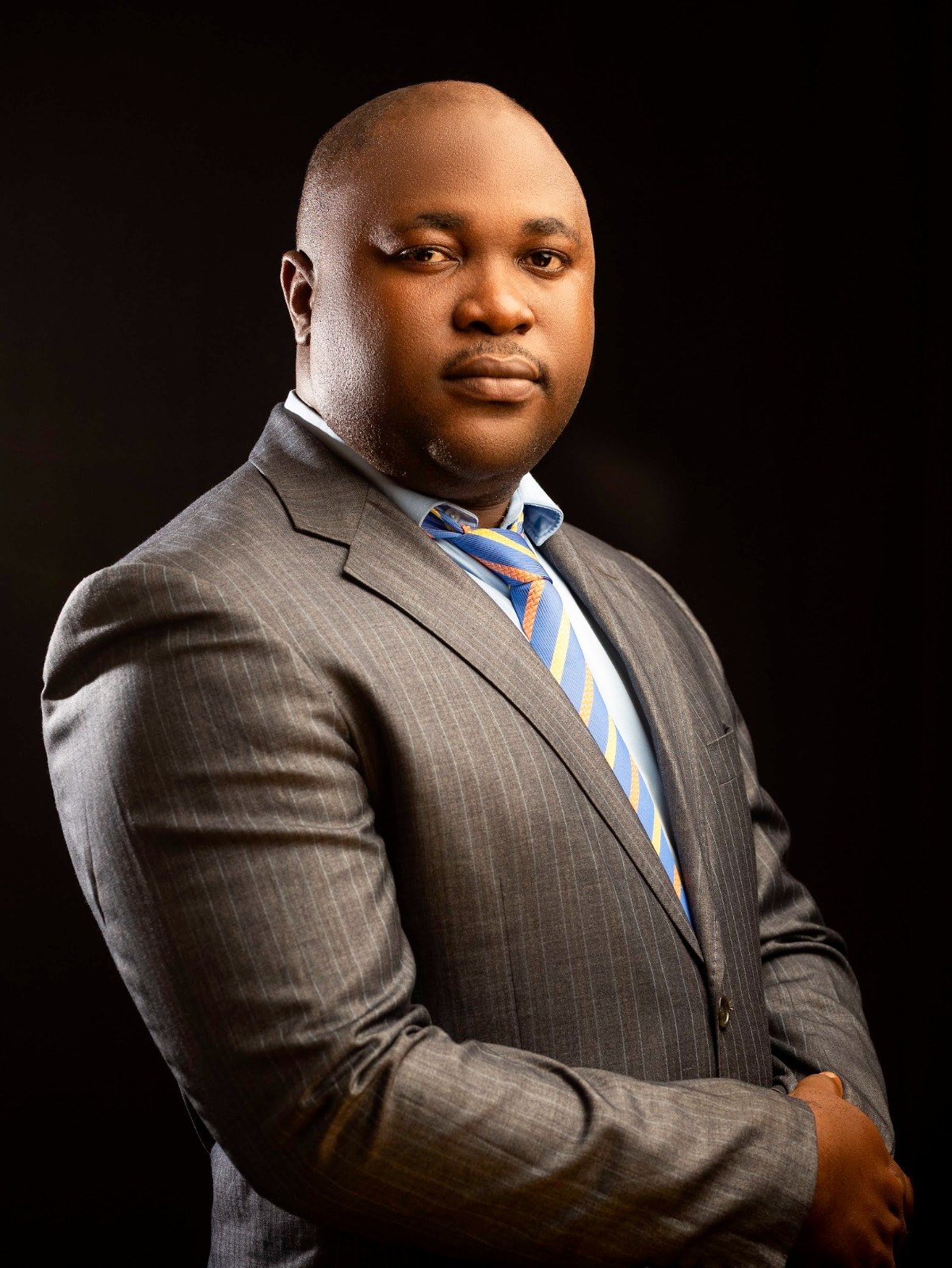
“If you can send ‘Good morning’ to your sister, you can use SkyDew,” Zuo explained, noting that the system is built to handle queries ranging from agricultural advice to medical information in a few seconds.
He stated that the platform’s true innovation lies in its linguistic and cultural depth. Recognizing that AI restricted to English or French acts as a filter that excludes the wisdom of the elderly and the rural population, Zuo integrated over 100 African languages, including Cameroonian dialects like Pidgin English, Ewondo, and Fulfulde among others. To ensure accuracy in sensitive fields like law and medicine, Zuoix collaborated with native speakers and community linguists to validate the AI’s responses.
“SkyDew should meet you in the language your mother sang to you in,” Zuo said. He recalled a farmer in Mali who used the tool to save a sick tomato crop and remarked that the phone answered him with the wisdom his father once provided. “My father used to ask the elders. Now the elders are gone, and I asked the small phone. It answered me like my father would have,” the Malian farmer said.
According to Zuo, “That is not pride. That is gratitude. Every line of code I have written since then carries that farmer’s voice.”
The development of SkyDew took five years of “building in silence,” funded by Zuo’s cybersecurity work. Despite winning the Presidential Prize in 2018, he spent years in the shadows, writing code at 2 a.m. and refining a system that could intelligently route messages across more than 1,600 mobile network prefixes.
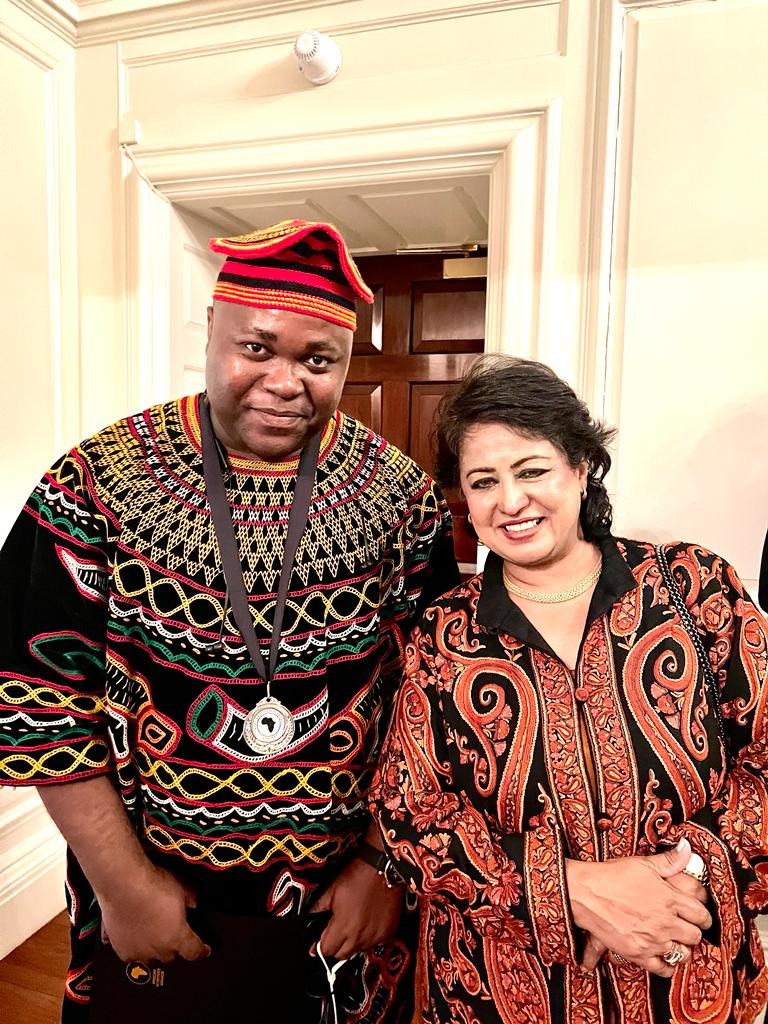
While the 93-day shutdown is part of the product’s DNA, Zuo insists SkyDew is not a protest but a form of infrastructure resilience. He envisions a continent where a grandmother in Bamenda can receive medical advice for a sick grandchild in the middle of the night, or a student in Enugu can study photosynthesis after their data bundle has expired, without any technical barriers.
As the platform expands to other Cameroonian providers like Orange, Nexttel, and CAMTEL, Zuo’s mission remains focused on the 700 million Africans whom the global AI industry has largely ignored. He believes that the most powerful technology is not the flashiest, but the one that disappears into people’s lives.
“You do not need to be young, rich, educated, or connected to talk to AI,” Zuo said. “If you can send a text message, you can talk to the future”.