By Etienne Mainimo Mengnjo
The Vatican has officially confirmed that Pope Leo XIV will undertake a historic apostolic journey to Africa this April, with Cameroon serving as a central pillar of his four-nation tour. From April 15 to 18, the Holy Father is scheduled to visit Yaoundé, Douala, and the restive city of Bamenda.
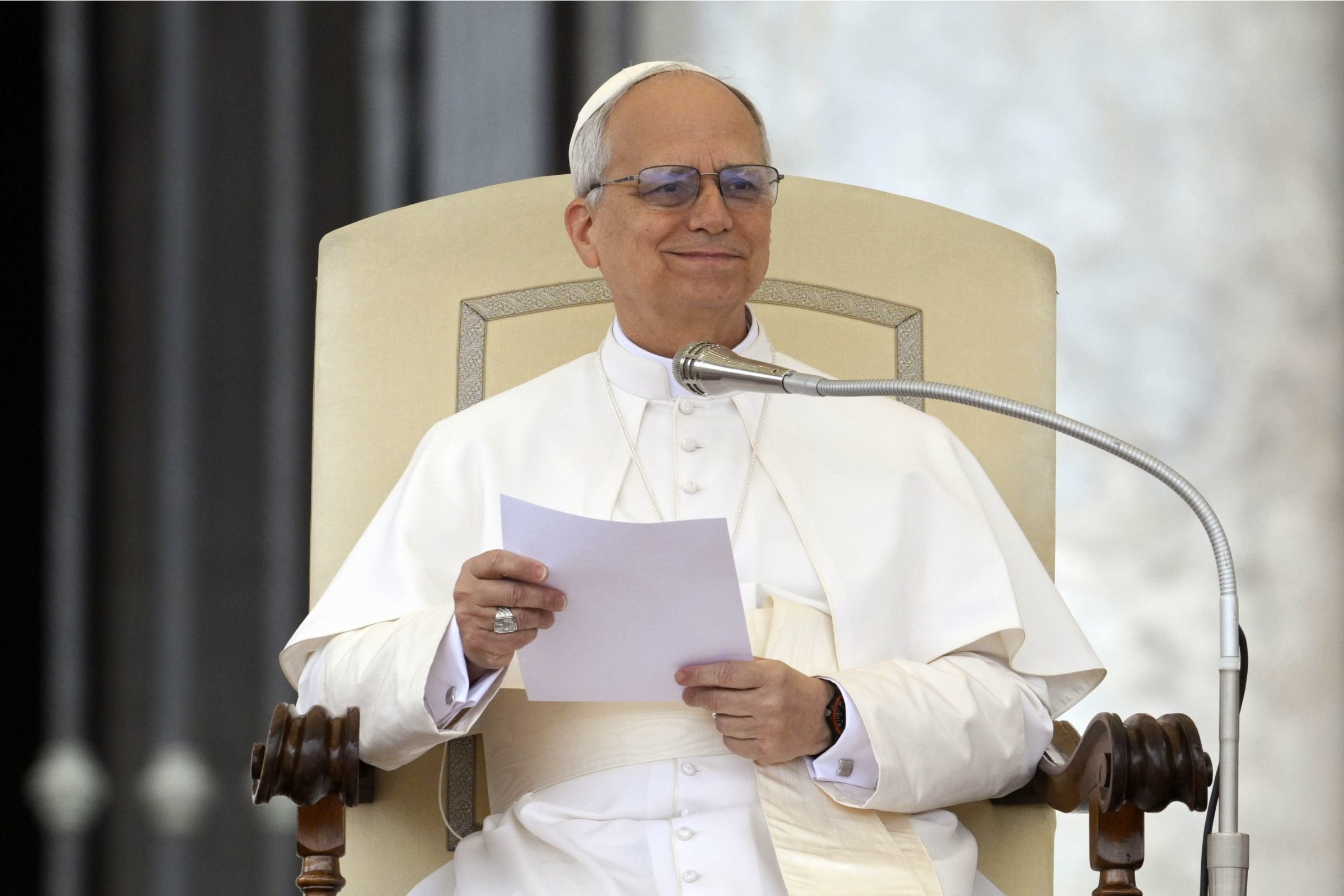
This journey marks the first time the American-born pontiff will set foot on African soil since his election last year, signaling a deep pastoral commitment to a continent where the Catholic faith is seeing its most rapid growth.
For many Cameroonians, the announcement brings a sense of profound spiritual relief. The nation has a long and storied relationship with the papacy, having hosted several historic visits in the past.
The first was the landmark 1985 visit by Saint John Paul II, which cemented the bond between the Vatican and the “Africa in miniature” nation. John Paul II returned in 1995 to launch the fruits of the African Synod, emphasizing the role of the Church in promoting justice and peace.
Most recently, in 2009, Pope Benedict XVI visited Yaoundé to deliver the Instrumentum Laboris for the Second Special Assembly for Africa, focusing on the Church’s role in reconciliation.
However, the arrival of Pope Leo XIV comes at a much more fragile moment in the country’s history. Cameroon continues to navigate a complex and multi-layered crisis that has tested its national unity. In the Far North, the persistent threat of insurgency has displaced thousands, while the North-West and South-West regions remain gripped by a protracted conflict that has entered its tenth year.
More recently, the socio-political climate has been further strained by a deeply contested presidential election in late 2025, which has left the population divided and the security apparatus stretched to its limits.
The expectation among the faithful and the general public is immense. In a country where the Catholic Church often serves as the last bastion of social welfare and moral authority, many see the Pope’s visit not just as a religious ceremony, but as a potential catalyst for peace.
In the English-speaking regions, particularly Bamenda, there is a fervent hope that the Holy Father’s presence will shine a global spotlight on the humanitarian suffering and perhaps nudge warring factions toward a genuine, mediated dialogue.
For the ordinary Cameroonian struggling with rising food costs and insecurity, the Pope represents a voice for the voiceless—a leader who might speak truth to power in a way that local actors cannot.
Yet, the visit is not without its controversies. Some civil society leaders and members of the clergy have expressed concern that the trip could be used by the long-standing administration to gain international legitimacy amidst accusations of human rights abuses.
There are debates regarding whether the country’s infrastructure and security can truly guarantee the safety of such a high-profile guest. Critics argue that a visit at this time might provide a “veneer of stability” over a nation that is actually bleeding.
Despite these tensions, the prevailing sentiment remains one of eager anticipation. The Vatican has been clear that this is a pastoral mission intended to bring “healing and solidarity” to a suffering people.
By choosing to visit both the political capital and areas affected by conflict, observers say Pope Leo XIV is sending a deliberate message: the Church does not shy away from the peripheries or the pain of its flock.