


List Posts

View All
Tech

Paradigm Initiative Condemns, Urges Immediate Restoration Of Social Media Services In Gabon

By Etienne Mainimo Mengnjo Paradigm Initiative (PIN) a prominent digital rights watchdog has condemned and called for the immediate restoration…

Tech

Registration Opens For 2026 Digital Rights & Inclusion Forum In Côte d’Ivoire

By Etienne Mainimo Mengnjo Digital Rights and Inclusion Forum (DRIF26) has been scheduled to take place from April 14 to…

General

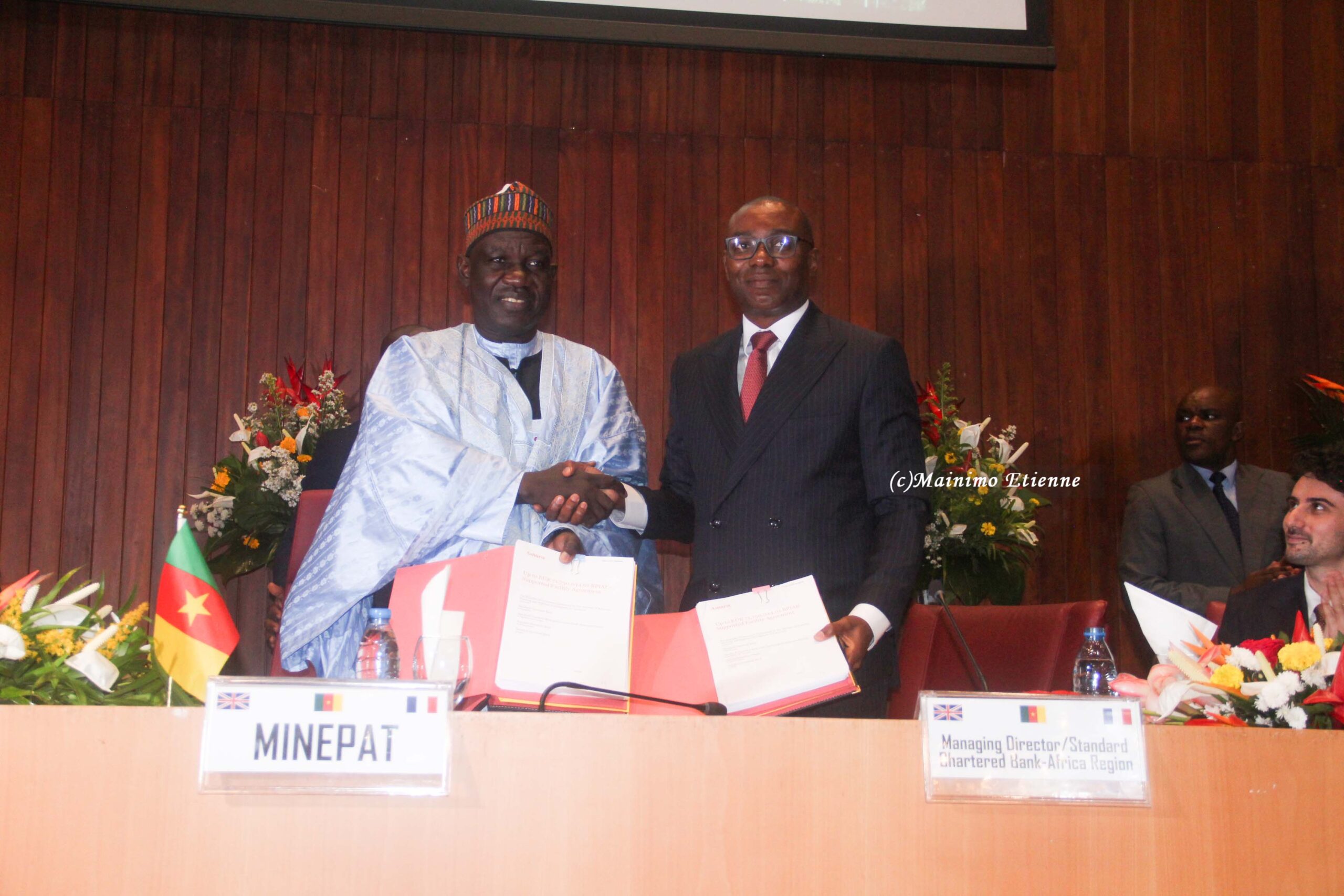
Cameroon, Belgium & Italy Signed Financial Agreement To Reconfigure Yaounde Drinking Water Supply System

By Etienne Mainimo Mengnjo The governments of Cameroon, Belgium, and Italy have entered into a financial agreement and market contracts…

Society

NGO, 1Billion Rising, Stress Prevention, Listening As keys To Recovery From Youth Addiction

By Desmond Mbua The non-governmental organization 1 Billion Rising in Cameroon has launched a strong appeal to confront addiction with…

“Being An MC Is Not Just Speaking Into A Microphone” – Blaise Wirdin Suiven

Wirdin Blaise Suiven, widely known as Capital D.V.U, The Microphone Engineer, has stated that being a Master of Ceremony (MC) encompasses much more than just speaking into a microphone; it’s about creating a vibrant atmosphere where people feel connected, engaged, and inspired. In an exclusive interview with The Post, Capital D.V.U shared his journey and insights on the essential qualities that make an effective MC. He stressed that cultivating the habit of listening is paramount, as it allows one to read the room, gauge the crowd’s energy, and respond with empathy. By understanding the audience’s needs and emotions, he indicated that an MC can elevate the event experience, turning moments into memorable connections. Read the full excerpt to discover more about his philosophy and approach to the art of being an MC.

Wirdin Blaise Suiven, aka Capital D.V.U (Photo Credit: Mainimo Etienne)

Full except:

The Post: What inspired you to become a Master of Ceremony, and how did you get started in this role?

Capital D.V.U: Growing up in our village, I witnessed firsthand how the community grappled with worries about basic needs like water and electricity. Yet, there was something magical that happened when we gathered together. Music filled the air, stories were shared, and hope blossomed as we discussed plans for a brighter tomorrow. It struck me that the microphone could serve as a bridge—linking fear to hope, uniting donors with dreams.

I began my journey by volunteering to MC small school events, church gatherings, and fundraisers for various community projects. Each opportunity was a chance to learn. I studied the art of pacing a room, developed the ability to read the audience, and practiced weaving humor and purpose into every moment. The more I immersed myself in this role, the clearer it became that a true MC is not merely a voice on stage but a conductor of energy and collaboration, a facilitator of a shared vision.


What are some of the key skills you believe are essential for someone to be an effective MC?

That’s a great question! There are several essential skills that every effective MC should possess. First and foremost is impeccable language and clarity. This includes precise diction and varied cadence, as well as the ability to tailor your voice to the room. Following that is powerful body language—eye contact, confident posture, and purposeful movements that can amplify your message significantly.

Improvisation and quick thinking are also crucial. Events rarely go exactly as planned, and being able to adapt on the fly is essential when unexpected situations arise. Audience reading is another vital skill; sensing the mood, pacing jokes appropriately, and knowing when to energize or calm the room can make or break an event.

Collaboration is key as well. An MC must work seamlessly with hosts, sponsors, performers, and technicians to create a cohesive experience. Furthermore, humor—when used with tact—can uplift the event. Light, relatable, and respectful humor can create connection rather than alienation. Finally, preparation discipline is paramount. Familiarity with names, timelines, and key moments sets the stage for an outstanding performance.


Tell me about a time when an event didn’t go as planned. How did you handle the unexpected challenge?

Absolutely. I recall a wedding where the couple arrived late, and there was no artist available to keep the energy alive in the hall. In that moment, staying calm was my priority. I engaged the audience with a warm welcome and provided light commentary to bridge the time gap. Drawing on my memory of the schedule, I restructured the program, transforming the delay into an opportunity for connection. I initiated a spontaneous crowd sing-along to maintain the momentum and keep spirits high.

The key to navigating such hiccups is presence. Acknowledge the situation, improvise a safe and engaging substitute, and maintain the energy without letting the audience feel the stress. My skills in singing and comedy certainly helped, but I always emphasize that thorough event planning is essential to minimize such mishaps.


How do you prepare for an event, and what steps do you take to ensure everything runs smoothly?

Preparation is everything in this line of work. First, I start by understanding the goals of the event—what do we want to achieve? Is it raising funds, increasing awareness, or simply celebrating a milestone? Next, I map out the flow of the event, outlining the timing, my lines as the MC, transitions, and cue points for each act.

Pre-briefing the team is also a crucial step. Aligning with hosts, performers, technicians, and volunteers on their roles and any contingency plans helps everyone feel prepared. Personalizing the room is important too; learning a few audience-facing details—like names or groups—allows me to weave those elements into my delivery naturally.

I also prepare for contingencies by having backup plans in place. This includes alternative lines, pauses, and quick resolutions for any technical or talent gaps. Rehearsing the sequence is vital; practicing timing and testing microphones and cues ensures that I am ready. Above all, I stay adaptable, maintaining a calm demeanor and having a few go-to improv bits ready, all while keeping the event’s purpose front and center.


In your experience, what are some common challenges you face as an MC, and how do you overcome them?

Common challenges definitely arise. Technical glitches, for instance, require immediate adaptation. When a microphone malfunctions or a presentation fails, I fill the gap with engaging commentary or a warm anecdote while technicians work to resolve the issue.

Difficult audience moments can also arise, requiring me to steer the narrative back to a positive note. Using inclusive language and a unifying call-to-action often helps to refocus the crowd. Time pressure is another challenge; when the clock is ticking, I prune content to essentials, maintain pace, and utilize precise transitions to keep everything flowing smoothly.

Additionally, managing sponsor or stakeholder tensions demands careful handling. I focus on delivering updates with gratitude, acknowledging contributions, and redirecting attention to our shared goals. Finally, language or cultural nuances require sensitivity; I ensure that my jokes and references are respectful and inclusive, always aiming to keep the tone uplifting.


What advice would you give to someone who is considering becoming a Master of Ceremony?

My foremost advice is to practice relentlessly. Rehearse speeches, refine your mic technique, and develop your stage presence. Study the great MCs, but remember to tailor your style to fit your community and the specific purpose of your events. Cultivating the habit of listening is also vital—read the room, understand the crowd, and respond with empathy and energy.

Start small; take on smaller events to sharpen your timing and transitions before scaling up to larger gatherings. Most importantly, keep your mission in sight. Every word you speak should move the room toward a shared goal, whether that’s raising funds, celebrating progress, or igniting hope within a community.

In essence, being a Master of Ceremony is about more than just speaking; it’s about creating an environment where people feel connected and inspired.


AfDB’s SEFA Secures Nearly €50 Million for Just Energy Transition and Mission 300

By Etienne Mainimo Mengnjo

The African Development Bank Group’s Sustainable Energy Fund for Africa (SEFA) has secured nearly €50 million in new investment commitments to enhance the rollout of Mission 300 and accelerate climate action across Africa’s power sector.

(From left to right). Roberto Amerise, Director of General Affairs, Financial Programs and International Cooperation at the Italian Ministry of the Environment and Energy Security; Terje Pilskog, CEO of Scatec; Natascha Beinker, representative of the German Federal Ministry for Economic Cooperation and Development and Head of the Climate Policy Division; and Daniel Schroth, Director for Renewable Energy and Energy Efficiency at the African Development Bank Group (Source: AfDB) 

The commitments, announced during a COP30 side event at the Africa Pavilion on November 14, were made by the governments of Germany and Italy.

Germany pledged €14 million to support SEFA’s universal energy access goal and an additional €30 million for SEFA’s green hydrogen program, stress the strategic importance of this sector for Africa’s decarbonization and industrial development. Italy also announced a contribution of €5 million to the fund.

Dr. Katharina Stasch, Director-General for Climate Policy at the Federal Ministry for Economic Cooperation and Development (BMZ), stated, “We see the Africa-owned and Africa-led African Development Bank as an excellent partner in unlocking the potential of a green hydrogen economy for African countries.”

“By working together, we can create a ‘win-win’: partner countries benefit from new energy resources, industrial development, technology transfer, and new jobs, while Europe diversifies its future energy imports. Through our partnership with the African Development Bank and SEFA, we hope to create positive tipping points for the market ramp-up of green hydrogen.”

Roberto Amerise, Director for General Affairs, Financial Programmes, and International Cooperation at Italy’s Ministry of the Environment and Energy Security (MASE), underscored Italy’s commitment to Africa as a priority in national energy and climate policies. He stressed the importance of encouraging private investment to accelerate the continent’s energy transition and sustainable development. Amerise announced an additional €5 million contribution to the SEFA Special Fund for 2025.

“These resources reaffirm our collective commitment to advancing SEFA’s strategic objectives and accelerating the implementation of renewable energy and energy access projects in Africa that drive sustainable development,” he said.

Dr. Kevin Kariuki, Vice-President for Power, Energy, Climate Change, and Green Growth at AfDB, remarked that the commitments from Germany and Italy reaffirm the urgent need for a unified approach to Africa’s energy transition, resilience, and security. “These commitments will provide momentum for Mission 300 goals and strengthen SEFA’s role in Africa’s universal energy access journey,” he said.

The event, moderated by Dr. Daniel Schroth, the Bank’s Director for Renewable Energy and Energy Efficiency, also highlighted the ongoing support from partners like Norway. Hans Olav Ibrekk, Special Envoy for Climate, reiterated Norway’s commitment to mobilizing private sector investments for Mission 300.

A central theme was the crucial role of blended finance in de-risking investments and attracting commercial capital to achieve Mission 300 goals. Attendees learned about projects such as the landmark Obelisk facility in Egypt—a 1 GW solar PV and 200 MWh battery energy storage system co-financed by AfDB and SEFA, presented by Terje Pilskog, CEO of Scatec.

The discussions featured the work of BURN, a successful African clean cooking company and SEFA grant recipient. Caroline Amollo, BURN’s Director of Corporate Affairs, showcased how innovative models are effectively driving affordability and widespread adoption in the sector.

Speakers stressed the importance of predictable and attractive regulatory frameworks to attract private capital for an equitable energy transition, focusing on bankable, scalable, and human-centered projects, especially in clean cooking.

They also stressed the need to leverage declining renewable energy costs through efficient development funding deployment. The event reinforced a collective commitment to integrating energy transition cooperation within broader climate diplomacy, showing that with concerted effort, the goals of Mission 300 and the broader climate ambitions articulated at COP30 are attainable.


Master Power Technologies Becomes First African Data Centre Builder To Achieve European Certification

By Etienne Mainimo Mengnjo

Master Power Technologies (MPT), a leading African provider of critical power and data center infrastructure, has become the first company on the continent to be officially certified as an endorser of the European Code of Conduct for Energy Efficiency in Data Centres.

Left to Right: Rory Reid, HOD Data Centers, Master Power Technologies; Bernard Lecanu, BL International Consultant and the ex chairman of the European Commission; Menno Parsons, CEO, Master Power Technologies (Source: Master Power Technologies)

This achievement positions MPT at the forefront of sustainable data center design in Africa. It affirms the company’s alignment with the highest international standards for energy efficiency and responsible power use.

The certification, awarded by the European Commission’s Joint Research Centre (JRC), recognizes companies that design and support data centers in accordance with rigorous best practices for energy management. MPT now joins a group of global leaders, including Microsoft, that have earned this endorsement.

“This is a proud moment for Africa,” said Menno Parsons, founder and CEO of MPT. “We have always believed that African engineering can meet and exceed global benchmarks. Now, with this certification, we can confidently assure our clients that their data centers are being built to the same standards as the best in Europe: efficient, sustainable and future-ready.”

The European Code of Conduct was launched in 2008 in response to growing concerns over data center energy consumption. It is widely considered the gold standard for energy-efficient design and operation across the European Union. Prior to MPT’s announcement, no African engineering firm had achieved certification under this framework.

Bernard Lecanu, managing director at BL International Consultant and one of the code’s original architects, welcomed MPT’s certification.

“When we began this initiative, we knew that the data center industry would need to evolve rapidly to meet environmental and energy challenges,” Lecanu said. “MPT’s achievement is not only a first for Africa, it is also a signal that the continent is ready to lead in sustainable digital infrastructure.”

For MPT’s clients, the certification provides immediate and tangible benefits, assuring them that their facilities are designed for optimal energy performance. This reduces operational costs and environmental impact while enhancing credibility with global partners, particularly those aligning with the EU’s Taxonomy Regulation and sustainability directives.

Beyond commercial advantage, MPT’s endorsement has broader implications for the African data center industry. As the continent experiences exponential digital growth, the need for resilient and efficient infrastructure is critical.

MPT’s leadership is setting a precedent and laying the groundwork for a future African Code of Conduct, a project the company is helping to pioneer with support from European institutions.

“We are not only building data centers, we are also helping to build a sustainable digital future for Africa,” Parsons said. “This certification proves that African engineering can meet the most demanding global standards… It also opens the door for deeper collaboration with European partners and policymakers, ensuring that Africa is not just catching up, but actively shaping the future of data center innovation.”

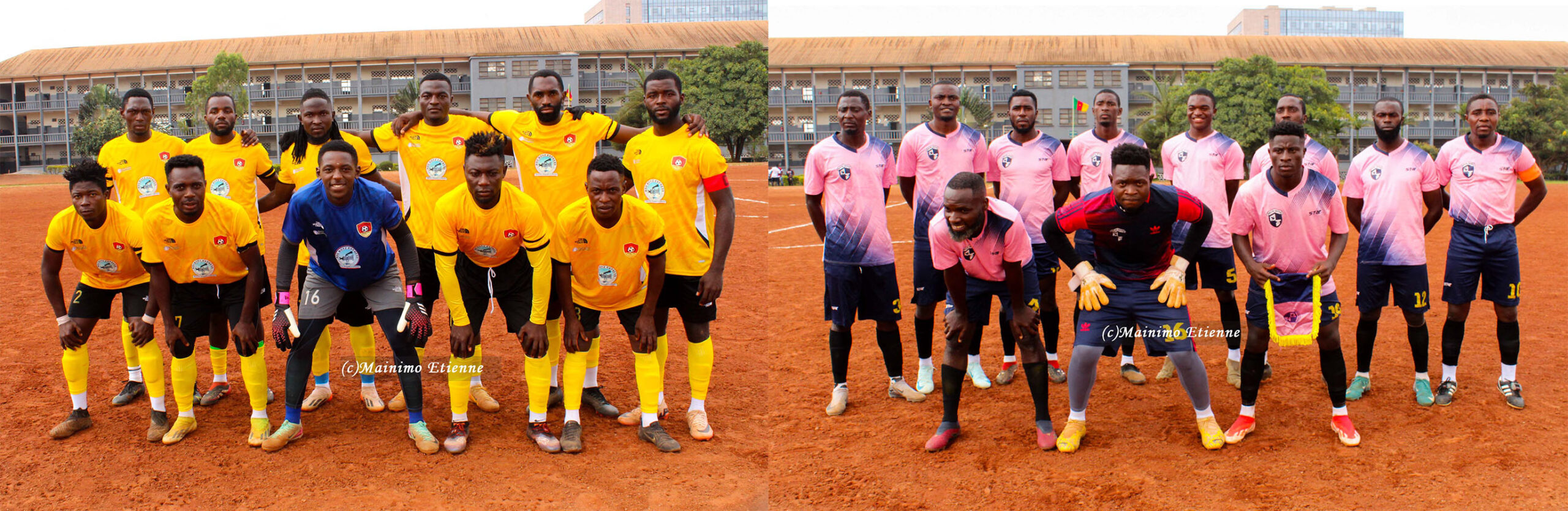
Fans Gear Up For BSFC Semi-Final Derby As Melim, Chitah Battle For Final Spot

By Etienne Mainimo Mengnjo

The 13th edition of the Bui Sports Fans Competition, BSFC 2025 tournament is set to enter its most crucial stage this Sunday, November 23rd, when two familiar and fiercely competitive foes, Melim United and Chitah FC, clash in a high-stakes semi-final to determine who earns the right to play in the finals.

This semi-final match is more than just a game; it’s a chance for redemption and glory. The winner will face Dzekwa Rangers, who have already guaranteed their place in the championship match.

For both Melim United and Chitah FC, this pivotal contest offers an opportunity to showcase their skills on a grand stage in front of an enthusiastic crowd that has accompanied them right from the first playing day.

Adding significant tension to the upcoming game is the historical rivalry. This will be the third time the two Bui Division powerhouses have met at this year’s edition of the 2025 edition.

Chitah FC (Photo Credit: Mainimo Etienne)

More strikingly, their last two serious confrontations both ended in frustrating draws, making this Sunday’s match the long-awaited tie-breaker that both clubs—and their passionate fanbases—have been craving for years.

Chitah FC has demonstrated impressive form throughout the tournament. Finishing second in the group stage, they racked up an impressive record of five draws and one win in six matches.

Their scoring ability was slightly stronger than that of their rivals, netting a total of nine goals while allowing seven, resulting in a goal differential of plus two.

Melim United FC (Photo Credit: Mainimo Etienne)

With a core of skillful players and a solid defensive line, Chitah FC approaches this semi-final with confidence and determination.

On the other side of the pitch, Melim United comes off a mixed performance in the group stage, finishing third. Their record includes one win, three draws, and two losses, leaving them with seven points.

Although they managed to score five goals, their defense wasn’t as robust, conceding six times. Despite these challenges, Melim United’s fighting spirit and potential for innovation make them a formidable opponent. Their goal will be to turn the tide against Chitah FC and secure a spot in the championship.

The high-stakes match will take place at the Lycée Général Leclerc Stadium in Yaoundé, a venue known for its vibrant atmosphere and passionate football fans.

Melim United and Chitah FC during the return leg match in the first round (Photo Credit: Mainimo Etienne)

The stadium is expected to be filled with supporters from both sides, eager to witness the showdown between these two rivals.

The roar of the crowd will undoubtedly add to the adrenaline and intensity of the match

With both teams well-matched, football pundits anticipate a closely contested battle where every play counts. The margin for error is razor-thin, and it is likely that a single mistake or a moment of brilliance could tip the scales in favor of one team.

Tactical nuances, player fitness, and mental fortitude will play critical roles in determining the outcome.

Melim United and Chitah FC during the return leg match in the first round (Photo Credit: Mainimo Etienne)

As the countdown to the match begins, anticipation builds. Fans eagerly await to see which team will break the cycle of draws and claim the right to compete for the BSFC 2025 championship finals against Dzekwa Rangers.

This semi-final clash promises to be a thrilling chapter in the ongoing saga of the BSFC tournament, filled with drama, skill, and unforgettable moments.

Google, AfCFTA Launch Free Digital Training For African SMEs

By Etienne Mainimo Mengnjo

Google and the African Continental Free Trade Area (AfCFTA) Secretariat on Friday launched a free training programme aimed at equipping thousands of small and medium-sized enterprises (SMEs) across the continent with artificial intelligence and digital skills to boost intra-African trade.

Gori Yahaya, CEO of UpSkill Universe (Source: UpSkill Universe)

The “AfCFTA Digital Inclusion & Entrepreneurship Programme”, powered by the Google Hustle Academy, targets entrepreneurs in 19 AfCFTA member states, including Nigeria, Kenya, South Africa, Ghana and Egypt. The training is set to benefit over 7,500 SMEs.

“The programme aligns with the transformative goal of the AfCFTA, particularly the Protocol on Digital Trade and the Protocol on Women and Youth in Trade,” said Wamkele Mene, Secretary-General of the AfCFTA Secretariat.

“It is a demonstration of our commitment to fostering digital inclusion and empowering MSMEs to trade under the AfCFTA using digital technologies,” he added.

Charles Murito, Google’s Regional Director for Government Affairs and Public Policy in sub-Saharan Africa, described technology as “a powerful equalizer”.

“By focusing on critical areas like AI, e-commerce and cross-border trade, we’re helping to build a more connected and prosperous digital ecosystem across the continent,” Murito said.

Small businesses generate nearly 80 percent of jobs in Africa, according to the partners. The curriculum, delivered in English, French, Arabic and Portuguese, comprises three modules: Cross-Border Digital Trade, Cloud for Small Businesses, and AI for Productivity.

The Cross-Border Digital Trade module, co-developed with the AfCFTA Secretariat, teaches entrepreneurs how to identify new markets, adapt products and manage cross-border payments and logistics.

Participants will also receive hands-on training in Google Workspace and Google Cloud tools, as well as practical applications of AI tools such as Google Gemini for automation, marketing and customer data analysis.

The programme will be delivered by UpSkill Universe and run in 25 cohorts from November 2025 to June 2026.

It builds on the Google Hustle Academy, which has supported more than 18,000 African SMEs since 2022.

Eligible businesses must have been operating for at least six months and be based in one of the participating countries, which also include Cameroon, Senegal, Togo, Côte d’Ivoire, Rwanda, Mauritius, Ethiopia, Tanzania, Namibia, Zambia, Angola, Mozambique, Tunisia and Morocco.

Applications are now open. Interested SMEs can find more information and apply by visiting: https://apo-opa.co/47MJNY8

Dzekwa Rangers Edge Melim United, Qualify For First-Ever BSFC Final

By Etienne Mainimo Mengnjo

Dzekwa Rangers has qualified for its first-ever finals of the Bui Sport Fans Competition (BSFC). The landmark result came during the sixth day of play in the 13th edition of the BSFC, which saw intense action Nov. 16 in Yaounde.

Dzekwa Rangers FC (Photo Credit: Mainimo Etienne)

Dzekwa Rangers defeated Melim United 2-1 in a nail-biting encounter to advance to the final match of the 2025 edition. The atmosphere was charged, with both sides treating the match like a final, creating numerous scoring opportunities that failed to materialize in the opening period.

At the 30-minute mark, Dzekwa missed a sitter, narrowly failing to open the scoring. Melim United immediately countered and took the initiative, only to miss a golden chance of its own, leaving the first half scoreless.

The breakthrough came quickly after the restart. Dzekwa capitalized on its chances, and within four minutes of the second-half kickoff, the team found the net twice. Both goals came from rapid counterattacks, exploiting costly defensive errors by Melim United.

Dzekwa Rangers and Melim United in a battle for qualification (Photo Credit: Mainimo Etienne)

Knowing the high stakes, Melim fought desperately to reduce the deficit, pressing Dzekwa’s defense relentlessly. However, a determined Dzekwa back line and goalkeeper consistently foiled their attacks.

Melim finally found a lifeline just a few minutes before the end of the game when they were awarded a penalty kick, which they converted to make the score 2-1.

As Melim pushed aggressively for the equalizer, the referee’s final whistle sounded, confirming Dzekwa’s historic victory and its first available ticket to the BSFC finals. The team’s successful run has been described as one of the major surprises of the tournament.


Chitah FC Dominates Nso Youths

In the other decisive match of the day, Chitah FC defeated Nso Youths FC 3-1, ensuring its place in the next round. Chitah only needed a draw to advance, while Nso Youths required a victory to stay alive in the tournament.

Chitah FC (Photo Credit: Mainimo Etienne)

Chitah FC played with purpose, breaking the deadlock in the 9th minute with a well-taken goal. Their persistent pressure paid off again in the 27th minute, securing a comfortable 2-0 lead going into the halftime break.

Despite Nso Youths gathering steam after the intermission, Chitah controlled the flow and increased its lead in the 55th minute. The score remained 3-0 until regular time elapsed. In extra minutes, Nso Youths managed a late consolation goal, with the final score settling at 3-1.

Chitah FC and Nso Youths fighting for qualification (Photo Credit: Mainimo Etienne)

Following the sixth day of play, Dzekwa Rangers lead the classification table with 10 points. Chitah FC sits in second place with 8 points, and Melim United occupies third with 7 points. Nso Youths finishes last with 5 points and is officially eliminated from the competition.

Dzekwa Rangers’ first-place finish earns it a direct spot in the finals. Second-place Chitah FC will now face third-place Melim United in a crucial semifinals match. The winner of that semifinal will join Dzekwa to compete for the 2025 BSFC championship title.

Millions In School Supplies Donated By Frederic Arsène Youbi To Benefit GBPS Mbalmayo

By Etienne Mainimo Mengnjo

Frederic Arsène Youbi Si Nziko, a former pupil known as “Youbi,” has made a significant contribution to his alma mater, the Government Bilingual Primary School (GBPS) Mbalmayo, by donating school supplies valued at several million CFA francs.

Dorote Ngo Yomkil, Representative of the Donor

The donation ceremony, held recently, was presided over by Thérèse Mani, the Subdivision Inspector of Basic Education for Mbalmayo. Dorote Ngo Yomkil, representing Youbi, presented the gifts and shared the donor’s heartfelt sentiments.

Conveying Youbi’s message, Ngo Yomkil stated: “This gesture is far more than a simple act of giving. It is a heartfelt expression of gratitude. Gratitude for the values, the knowledge, and the spirit of openness that this school instilled in me from my earliest years.”

Read the full Message of Frederic Arsène Youbi Si Nziko to the administration of GBPS Mbalmayo, presented by Dorote Ngo Yomkil.

The Divisional Officer of Mbalmayo,

The Mayor of the Town of Mbalmayo,

The sub divisional Inspector of Basic Education,

Distinguished Guests, Ladies and Gentlemen,

It is with deep emotion and profound gratitude that I stand before you today, to make this humble donation to Government Bilingual Primary School of Mbalmayo.

It is the very institution where my educational journey began, between 1993 and 1996. Within these walls, I learned to write my first words and to read my first lines. At that time, this was the only English-speaking school in the whole of Mbalmayo; a place that offered opportunity, hope, and a vision of the world beyond.

This gesture is far more than a simple act of giving. It is a heartfelt expression of gratitude. Gratitude for the values, the knowledge, and the spirit of openness that this school instilled in me from my earliest years.

I would like to extend my most sincere thanks to Mr. Christopher Beatty, whose invaluable support has made this initiative possible; to Hôtel Relais Saint André; and to my elder brother, Mr. Fotso Robert, for his exemplary coordination and tireless dedication throughout this process.

Through their commitment and generosity, this project has been brought to life in the best possible conditions.

May this donation serve not only as a symbol of appreciation, but also as a message of encouragement to the teachers, the pupils, and the entire community; to continue pursuing excellence with the same passion and perseverance that have characterized this school for so many years.

Thank you.

By Frédéric Arsène Youbi Si Nziko

Read by Ms. Ngo Yomkil Doroté (Representative of the Donor)

Frederic Arsène Youbi Donates School Equipment To Mbalmayo Primary School

By Etienne Mainimo Mengnjo

Frederic Arsène Youbi Si Nziko, a former pupil known by his nickname “Youbi,” has donated several million CFA francs worth of school supplies to his alma mater, Government Bilingual Primary School (GBPS) Mbalmayo in the Center Region of Cameroon.

Officials and pupils after the donation ceremony

Youbi, who attended the primary school from 1993 to 1996, presented the gift at a ceremony that drew a large crowd of pupils, teachers, local residents and administrative authorities.

Thérèse Mani, the Subdivision Inspector of Basic Education for Mbalmayo, presided over the event and expressed heartfelt appreciation to the donor.

“We want to thank the donor, who was once a pupil of this school — the first bilingual school in Mbalmayo,” Mani said. “He has returned to his roots to say thank you to the teachers and to the state for the education he received here. This gesture is truly appreciated.”

Mani also appealed to Youbi to extend his generosity. “Today, Mbalmayo has many other schools — in Bileng, Angkor, and Ouyak,” she added. “I call on him and other elites to also think of those schools.”

Group picture of teachers alongside the gifts

“It is a call, which I wanted to make to the donor, who thinks about Mbalmayo,” Mani said, “Like Oliver Twist, as we say thank you, we ask again.”

Speaking on Youbi’s behalf, Dorote Ngo Yomkil noted that the donation is more than a simple gift; it is a testament to the school’s influence.

“This gesture is far more than a simple act of giving,” she said while reading a statement from Youbi. “It is a heartfelt expression of gratitude for the values, the knowledge, and the spirit of openness that this school instilled in me from my earliest years.”

Youbi expressed hope that the donation would serve as a message of encouragement to teachers, pupils, and the entire community to continue pursuing excellence.

Cross Section of gifts donated by Frederic Arsène Youbi Si Nziko to GBPS Mbalmayo

Youbi also extended his most sincere thanks to three key contributors: Christopher Beatty, whose invaluable support made this initiative possible; Hôtel Relais Saint André; and his elder brother, Fotso Robert, for his exemplary coordination and tireless dedication throughout this process.

Their collective commitment and generosity, he noted, ensured the project was brought to life under the best possible conditions.

On his part, Felix Gami Kamga, the Head Teacher of Government Bilingual Primary School Group 1, Mbalmayo, called the day a “memorable one.”

“Today is a wonderful day for our school. This is truly a dream come true,” Kamga said. “We have long hoped for gestures like this, and we invite other elites and ex-pupils to follow Youbi’s example.”

He noted that the donation came at a crucial time, as teachers have been working under challenging conditions, and that the supplies would greatly enhance the teaching and learning process.

Pupils posed for a family picture with the gifts

The school, founded in 1979, was the first English-speaking institution in the Nyong and So’o Division. It has since expanded to include Group 2 and two nursery schools, now serving hundreds of children.

Youbi’s contribution is seen as a strong example of how members of the Cameroonian diaspora can meaningfully contribute to local development through education.

GBPS Mbalmayo getting ready to receiving the gift

Cameroon, UN Strategizes Toward A New 2027-2031 Development Framework

By Etienne Mainimo Mengnjo

The government of Cameroon and the United Nations System are working to design the next U.N. Cooperation Framework for Sustainable Development in Cameroon from 2027–2031. This is the goal of a four-day workshop under way in Yaounde.

Participants during the opening ceremony  (Photo Credit: Mainimo Etienne)

The workshop was officially opened by Alamine Ousmane Mey, Minister of Economy, Planning and Regional Development (MINEPAT), and Issa Sanogo, Resident Coordinator of the U.N. System in Cameroon among others.

During the opening ceremony, Ousmane Mey praised the U.N. System in Cameroon for its commitment. Citing the common country analysis report, he said the next cooperation framework cannot be a simple continuation. Rather, it must be a “constructive break with the past.”

“It must be a bold response to the legitimate aspiration of our people, the demands of our time and the commitments we have made nationally, regionally and internationally,” Ousmane Mey said.

The minister added that, above all, the next framework must align with the broad outlines of Paul Biya’s new social project as defined in his inauguration speech on Nov. 6.

Alamine Ousmane Mey, Minister of of Economy, Planning and Regional Development (MINEPAT) speaking during the opening ceremony (Photo Credit: Mainimo Etienne)

“This new cycle of cooperation must meet the requirements of simplification, agility and integration,” he said. “Its focus must be on tangible results. The lessons learned from the final evaluation of the 2022–2026 cooperation framework plan must be taken into full account. The significant progress made must be complemented by consistency, coordination, efficiency and sustainability.”

Ousmane Mey also noted that the innovations proposed by U.N. reforms must be taken seriously. To him, these innovations place data, foresight, digital technology, innovation and behavioral science at the forefront of U.N. efforts.

“We will also focus on the reform of the United Nations system, on the principles of access to results and on the U.N.’s overarching principles,” he said. “In this spirit, we will define the strategic priorities around the four pillars identified, namely human capital and social inclusion; economic transformation and decent employment; climate resilience and clean energy; and governance, peace and social cohesion.”

Issa Sanogo, Resident Coordinator of the UN Systems in Cameroon speaking during the opening ceremony (Photo Credit: Mainimo Etienne)

Issa Sanogo said the Framework Plan of Cooperation between Cameroon and the U.N. System serves to realize the national development priorities of the country. This plan is consistent with Cameroon’s National Development Strategy, the SND30.

Concerning the workshop, the U.N. Resident Coordinator said the current focus is to work on identified priorities to ensure they contribute to accelerating development in Cameroon.

He said these priorities revolve around three areas: human capital, which should be more inclusive to ensure people are truly benefiting from the effort being made; economic transformation, focused on energy and food systems while caring for nature; and governance.

“The third area of priority will focus on governance, governance that is inclusive, a governance that brings social cohesion and peace, because we cannot aim for economic transformation without having such an environment,” Sanogo said.

Officials and participants posed for a family picture after the opening day (Photo Credit: Mainimo Etienne)

He added that the workshop will enable participants to focus on how the key elements of those three priority areas can align with Cameroon’s national priorities and achieve the impact the U.N. System aims for.

Participants agreed that the framework must reflect the aspirations of the people, respond to structural vulnerabilities and seize opportunities for acceleration. They emphasized that it must be based on proven data, reflect national appropriation, reinforced coherence of public policies and co-responsibility for the results.

The last Cooperation Framework for Sustainable Development in Cameroon ended Oct. 30, 2026.

Plan International Equips Educators To Combat Flood Risks In Far North

By Louisa Kinyuy

Sectoral staff and teachers in the Mayo-Danay division of Cameroon’s Far North region have been trained on various strategies to combat flooding in their area.

Flood in Mayo Danay

This initiative is part of a comprehensive Disaster Risk Management (DRM) and education support project initiated by Plan International, with critical emergency funding from IRISH AID. A critical effort to secure the lives and educational future of children in Cameroon’s flood-battered Far North region.

Sixty participants in total, made of teachers and sectoral staff from the hard-hit Kai Kai and Maga localities, were the focus of the two day intensive training program that took place from November 8 to 10, 2025 in Maga.

The training had as overall goal to strengthen their capacity in terms of prevention, preparation, and response to protect school communities, which are frequently devastated by floods, resulting in loss of life and chronic educational disruption.

The training made use of highly interactive methodology combining theoretical presentations, focused group work and practical simulations using local case files to achieve set objectives.

This marks a significant step toward securing both the lives and educational future of children in the flood-affected region, by creating a cadre of informed and prepared educational professionals.

Alongside the capacity building workshop for staff and teachers, was that of the core weakness hindering response to the severe humanitarian crisis characterizing the Far North region due to low community resilience, stemming from factors like insecurity, limited basic services, high poverty, and recurrent climate crises (drought, floods, food insecurity).

The cause is attributed to the lack of rapid and efficient local Disaster Risk Management (DRM), where preparation and coordination roles are fragmented and unclear. To directly tackle the situation, Plan International launched a three month “Education support project for children affected by flooding in the far north region of Cameroon”

With key local structures (SCAP-RU and CCPR) a community risk map for schools was developed, integrated flood contingency created, evacuation, and response plans drawn. The activity’s objective were specific; flood-risk areas were mapped out, a tested community evacuation plan designed, coordinated response plan with early warning mechanisms elaborated, and skills of the SCAP-RU and CCPR committees strengthened. This was achieved using participatory methods.

Plan International’s “Education Support Project For Children Affected By Flooding In The Far North Region Of Cameroon” represents a crucial shift from reactive disaster response to proactive risk reduction and preparedness.

By empowering educators and community committees, and by creating locally adapted and tested DRM tools, the initiative, supported by IRISH AID, is building the foundations for a more resilient future where the lives and education of children are better protected from the relentless threat of recurrent floods. The successful implementation of these plans promises a significant and measurable step towards securing stability and educational continuity in this highly vulnerable part of Cameroon.