By Etienne Mainimo Mengnjo
The world of shopping and business just took a massive leap into the future. On Saturday, March 28, 2026, 66 nations within the World Trade Organization (WTO) reached a historic deal to create the first-ever global rules for digital trade.
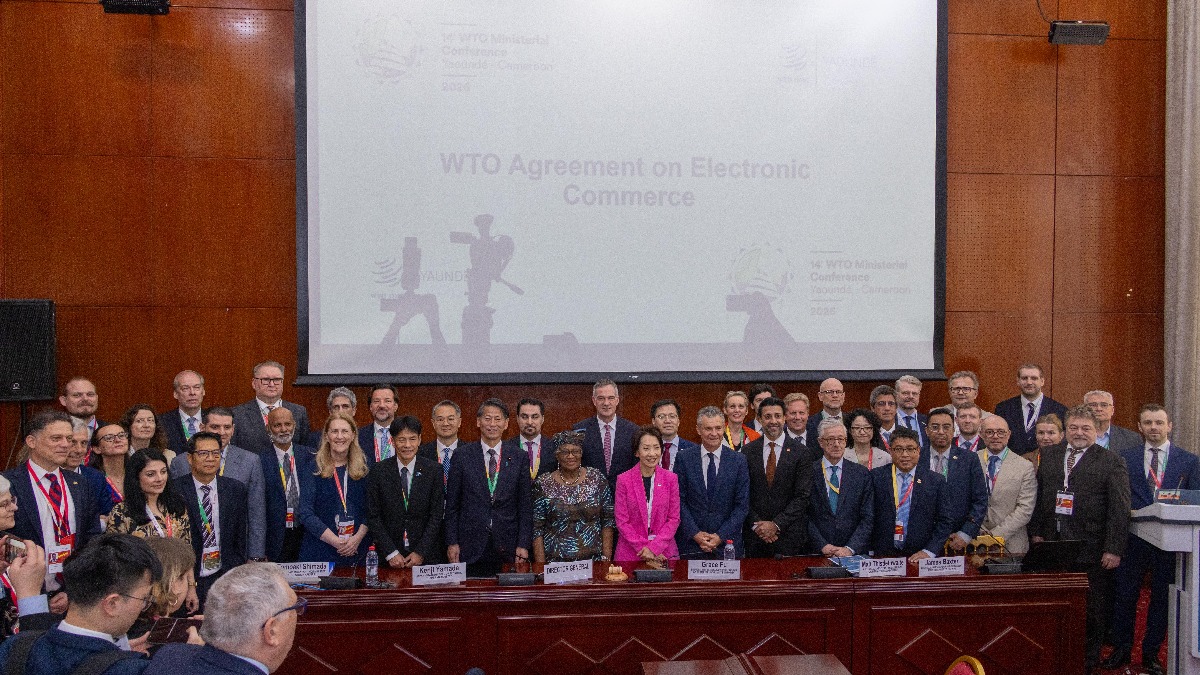
The announcement, made during the 14th WTO Ministerial Conference (MC14) on March 28. This marks a huge shift toward making online business easier and more predictable for everyone. These countries together handle about 70 percent of all trade on Earth, making this a giant step toward a modern global marketplace.
This agreement arrives at a moment when the world truly needs it. Right now, digital transactions make up over 60 percent of the entire world’s economy. Even though we do so much business online, there hasn’t been a single set of international rules to follow.
This has created a messy mix of different regulations that often makes things more expensive for shoppers and harder for small businesses to grow. Research shows that without these rules, about $159 billion in trade value was being wasted every single year. Experts now believe that if every nation eventually joins in, the global economy could grow by a massive $8.7 trillion by the year 2040.
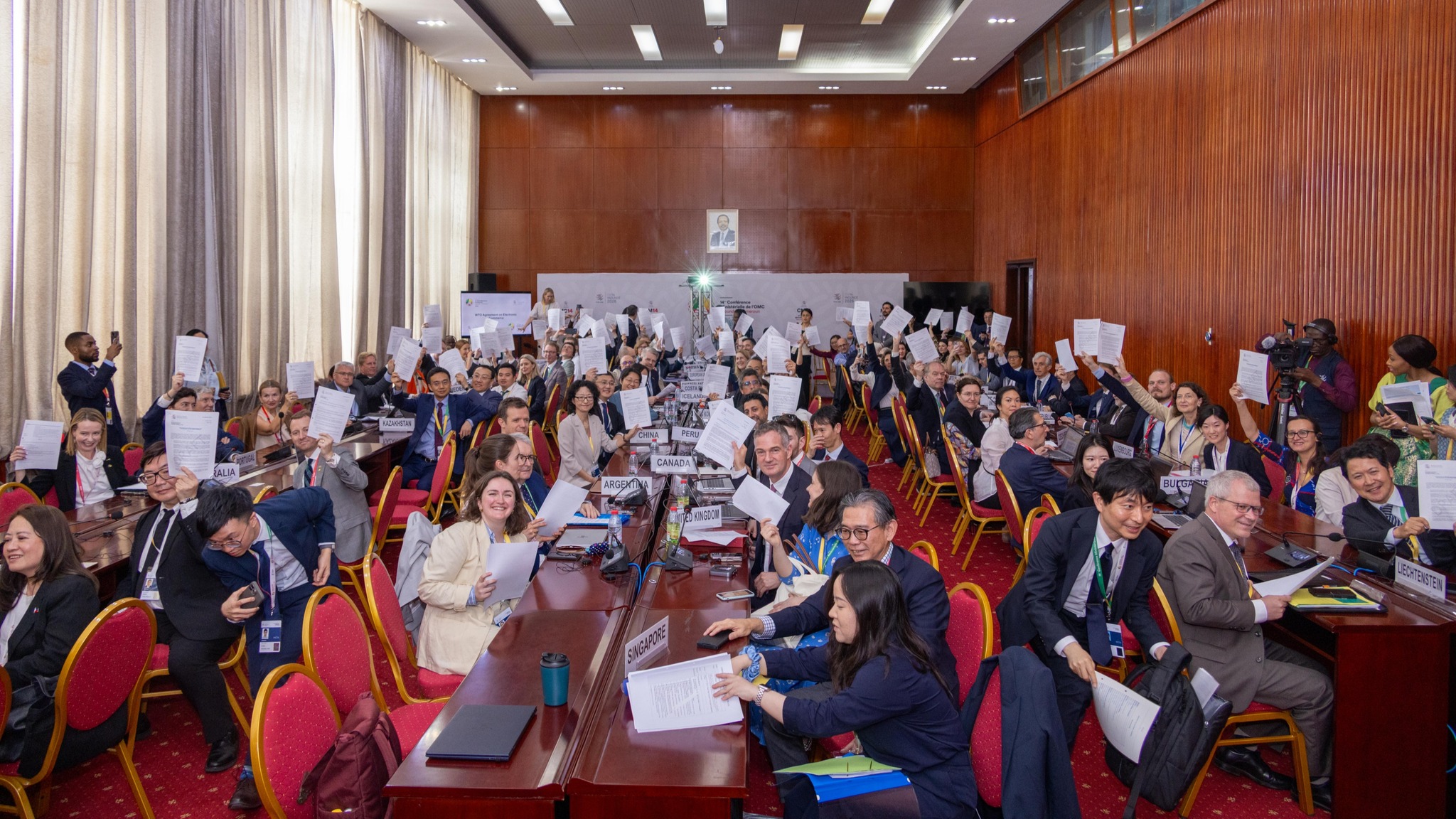
WTO Director-General Ngozi Okonjo-Iweala praised the progress as a sign that global trade is finally changing for the better. She noted that “Digital trade is an exciting frontier for driving economic growth and job creation.” She also explained that “By moving forward with the E-Commerce Agreement, participating economies are helping to establish a shared regulatory framework that can lower costs and unlock new opportunities.”
One of the most important parts of this deal is making sure everyone is included. Leaders want to ensure that small family businesses can compete just as easily as giant corporations. To help out, the agreement gives smaller or developing countries more time to adjust and offers them technical help to update their systems.
Allan P. Gepty, Undersecretary for the Philippines, shared his optimism for his country. He said, “For developing members like the Philippines, the E-Commerce Agreement provides a valuable framework to support MSMEs’ participation in global trade by enhancing trust and improving digital connectivity.”
Other leaders from across the globe shared this excitement. Mod K Ceesay, The Gambia’s Minister of Trade, called the deal a forward-looking step for development, and Manuel Tovar Rivera of Costa Rica said it helps bridge the technology gap in his region.
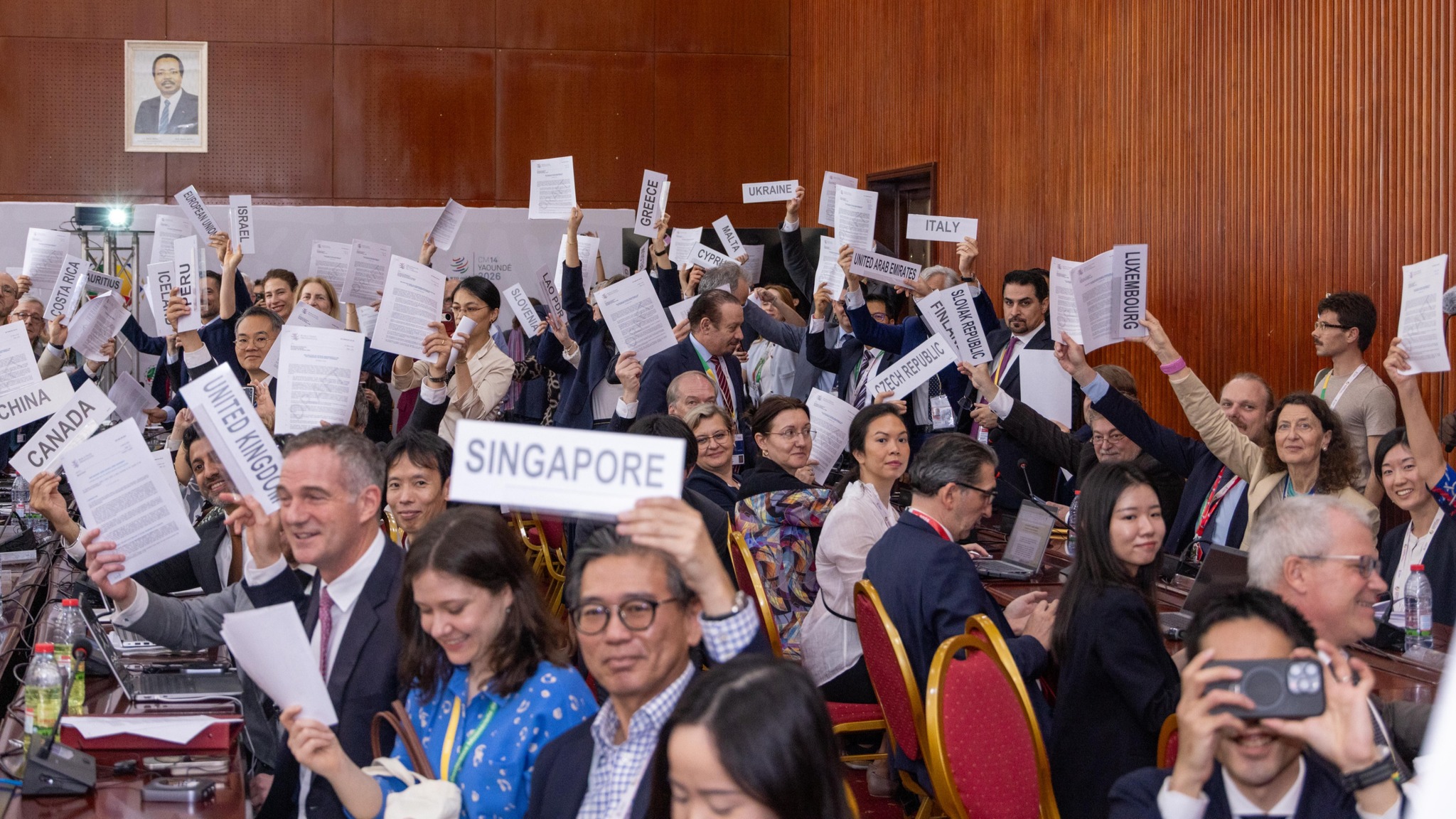
The entire effort was led by a group of countries including Australia, Japan, and Singapore. Matt Thistlethwaite, Australia’s Assistant Minister for Foreign Affairs and Trade, expressed his pride in the project. He stated, “Australia is proud to lead delivery of the first set of digital trade rules with global reach. The arrangements we are announcing today will deliver tangible benefits for our businesses and consumers.”
Even though the deal is reached, there is still some paperwork to do. Each of the 66 countries must now follow their own legal processes at home to make it official. The rules will start working once 45 of those members finish their paperwork. The hope is that these rules will eventually become a permanent part of international law.
The group involved is diverse and powerful, including the European Union, China, the United Kingdom, and Canada. Maros Sefcovic, EU Commissioner for Trade and Economic Security called it a vital step toward a “trusted digital trading environment,” while China’s Minister of Commerce, Wang Wentao, said the deal will promote “more inclusive and sustainable digital growth.”
As the world economy becomes increasingly inseparable from the internet, the WTO’s latest milestone suggests that international diplomacy is finally catching up to the speed of fiber-optic cables and digital storefronts.