By Etienne Mainimo Mengnjo
Cameroonians on the streets of Yaoundé have expressed sharply divided opinions following the National Assembly’s adoption of a bill to create the post of vice president and amend key provisions of the Constitution. Speaking shortly after the bill was adopted on April 4, many residents criticizing the move as illegitimate while others see it as a necessary step for leadership continuity.
City dwellers said they were puzzled by the government’s priorities at a time when the country is grappling with severe economic hardship. Instead of focusing on job creation, improving access to water and electricity, and providing essential social services, lawmakers chose to push through a constitutional change that many view as unnecessary and self-serving.
They argued that granting the president the power to appoint a vice president — who could potentially become interim president — undermines Cameroon’s claimed progress toward democracy and raises serious concerns about the concentration of power.
“I am completely disappointed with the members of Parliament for adopting such a bill and I can confirm that our Parliament is ‘handclappers’,” one resident said. “Can’t they for once bring change by making sure that they do the right thing? They should ask themselves what history holds for them because the bill just adopted makes no sense to me.”
In a phone conversation, annother resident added: “At this particular point in time, the post of Vice President is not important because Cameroonians are suffering and need the government to take them out of this hardship. They should be thinking about providing jobs and making the environment conducive for entrepreneurship.”
Gladys, a trader, questioned the priorities of lawmakers. “How can MPs be thinking of adopting such a bill when Cameroonians have been pushed to the wall with the high cost of living, making things very difficult for all?” she said. “Because they are not feeling the effect doesn’t mean that everything is fine. By the way, they are even illegitimate in our eyes. We can always do things differently.”
Margaret was particularly critical of the rushed process. “Come to think of it that an amendment of such a magnitude is tabled and in less than 48 hours, the bill is adopted,” she said. “This is not serious. This government should be serious and stop taking people for fools. They had calculated everything and this just misleads us. I am sure that the person to be appointed is already waiting for that decree.”
However, Patrick, a taxi driver, supported the move, saying it would prevent a leadership vacuum. “The move by MPs in adopting such a bill will help to make sure that there is no vacancy at the helm of the state,” he said. “If the president is not available, the vice president will just continue with the functions. I think this bill adoption is a step in the right direction.”
Meanwhile after the bill’s adoption, Parliamentary reactions remained split along party lines. Hon. Koupit Adamou (CDU) condemned the legislation as the worst in the country’s history regarding its fundamental law.
“We are deeply saddened by this Congress. It is unacceptable to modify our Constitution to grant the Head of State the power to do whatever he wants, however he wants,” Hon. Koupit Adamou stated.
Hon. Joshua Osih (SDF) explained that his party chose to boycott the session after failing to reach a compromise during the committee stage. “We fought an uphill battle in the special committee to bring reason to this amendment and we lost,” Hon. Osih said. “We decided to boycott the plenary because we cannot participate in a session that reduces the democratic rights of the Cameroonian people. Section 5(2) of our Constitution is clear: the President of the Republic is elected by the entire nation.”
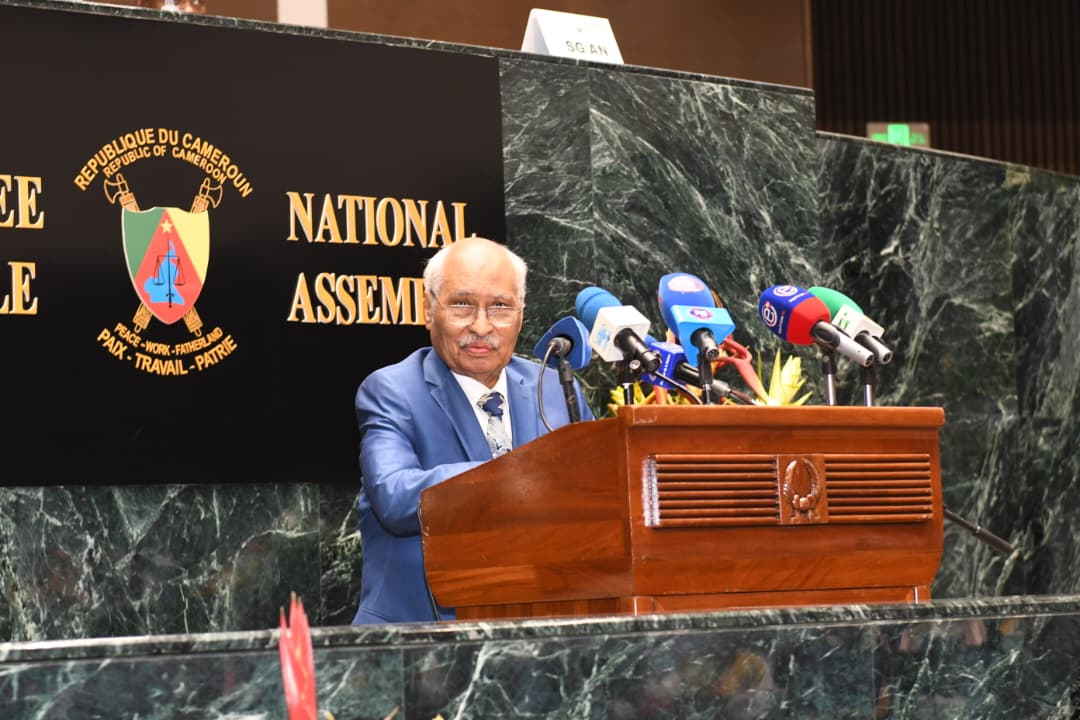
Conversely, Senator Nfon Mukete IV Ekoko (CPDM) defended the bill’s merits, arguing that the President requires a designated successor to ensure continuity. “The President needs an assistant for situations where he cannot attend international conferences,” the Senator noted. “Furthermore, he makes promises to the population upon his election and if he cannot finish his mandate for any reason, it makes sense to have someone in place to fulfill those commitments.”
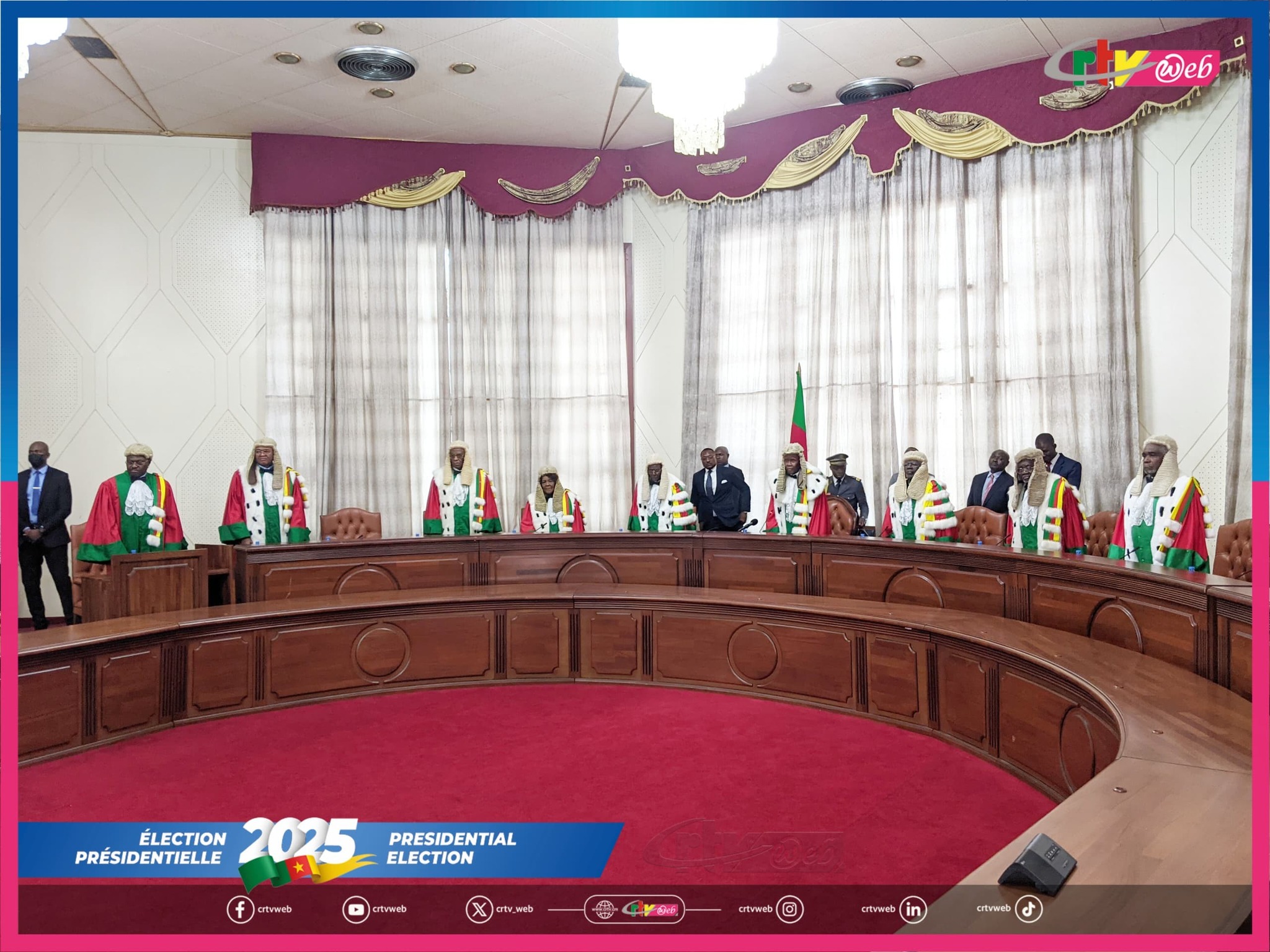
On April 2, President Paul Biya convened Parliament in a joint session, tabling a bill to amend and supplement the Constitution of June 2, 1972, as revised by Law No. 96/06 of Jan. 18, 1996, and Law No. 2008/001 of April 14, 2008. The text was expected to be forwarded to the head of state for promulgation.
After two days of deliberations, lawmakers adopted the bill. Once promulgated into law, the President will appoint the Vice President.