By Etienne Mainimo Mengnjo
The Sacred Heart Ex-Students’ Association (SHESA) has officially launched an ambitious Trust Fund aimed at strengthening its institutional sustainability, empowering alumni and consolidating a united, self-sustaining global network. The initiative headlined the association’s 2026 Annual General Meeting (AGM), held in Yaoundé from November 13 to 15, alongside landmark constitutional reforms and the adoption of a new strategic vision.
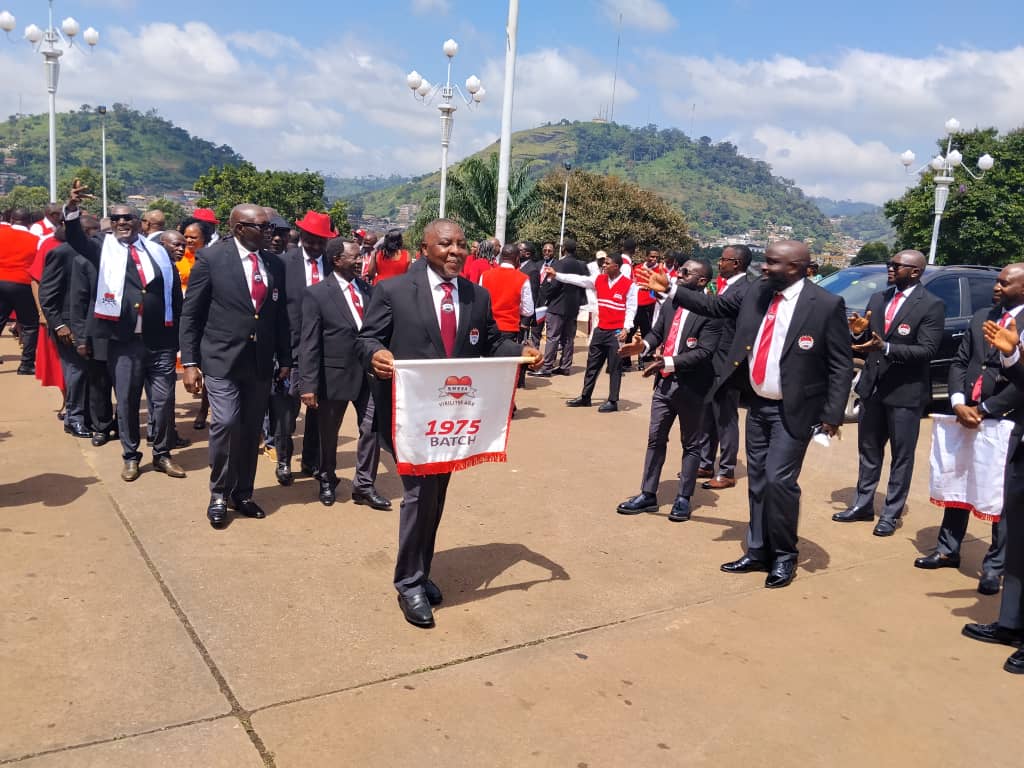
Convened under the theme, “Unleashing the Potential of SHESA: Consolidating a Strong, United and Sustainable Alumni and Professional Network for the Advancement of SHESANs and Nation Building,” the three-day gathering brought together alumni from across Cameroon and the diaspora for fraternity, institutional reflection and renewed commitment to their alma mater, Sacred Heart College (SAHECO), Mankon.
Speaking to the media, SHESA President General, Barrister Clifford Niba Mishe Akonteh, unveiled an ambitious 10-year financial target for the newly established Trust Fund.
“We are hoping that in the next 10 years, we will have over FCFA 1 billion to drive nation-building and social creation,” Barrister Akonteh said. “We are going beyond being just an alumni association so we can contribute not only to our alma mater, but to prosperity and economic empowerment across our country.”
The Trust Fund, coordinated by H.E. Paul Tasong, Minister Delegate in charge of Planning at the Ministry of the Economy, Planning and Regional Development (MINEPAT), is conceived as a sustainable financing mechanism to support SHESA’s institutional development, SAHECO projects, social impact initiatives and broader nation-building efforts.
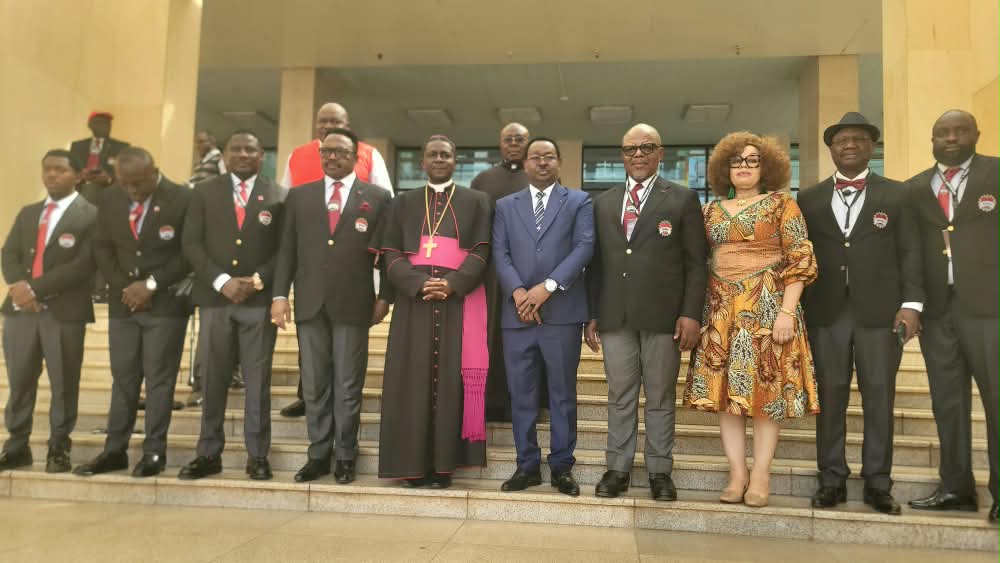
Reflecting on his executive bureau’s first eight months in office, Barrister Akonteh highlighted significant structural reforms designed to modernise, professionalise and institutionalise the association. A major governance milestone was recorded during the AGM, with the majority of delegates present voting in favour of the proposed constitutional amendments and strategic resolutions.
Among the landmark decisions was the adoption of the SHESA Strategic Plan 2026–2030, formal integration of alumni batches, establishment of a SHESA Global Governing Council and creation of an independent Strategic Planning Committee. The reforms also strengthen financial oversight, accountability and institutional coordination while clarifying membership rights, leadership tenure, electoral procedures and organisational responsibilities.
Other important provisions include the establishment of the SHESA Independent Electoral Commission (SIEC), adoption of digital financial management systems and strengthened professional networking through SHESA Connect. The amended constitution also provides for a three-year renewable-once tenure for the President General, three-year registration dues exemption for qualifying SAHECO Advanced Level graduates and lifetime membership dues exemption for qualifying retired members aged above 70 with at least 50 years of bona fide membership.
A cornerstone of SHESA’s professionalisation drive is the establishment of specialised professional clusters, including SHESA Legal, SHESA Medical, SHESA Safety and Security, SHESA Government and SHESA Engineers. These networks are expected to facilitate mentorship, professional collaboration and career development, particularly for younger graduates seeking guidance and integration into established professional circles.
To bridge geographical distances and strengthen global connectivity, the association has also introduced SHESA Connect, a dedicated digital networking platform described by its leadership as a LinkedIn-style ecosystem where members can connect, exchange opportunities and transact business. These initiatives have reportedly contributed to renewed membership interest, bringing younger SHESANs into closer interaction with veteran alumni and creating a dynamic blend of experience, wisdom and youthful energy.
Yet, despite its ambitious institutional and financial agenda, SHESA’s leadership insists that fraternity remains the association’s most enduring asset.
“The strongest asset you can give to an alumni organisation is not buildings, and it is not money; it is brotherhood—a confraternity where you are your brother’s keeper,” Barrister Akonteh remarked.
He emphasised the importance of returning to SAHECO to inspire current students to sing, remember and give back, describing the enduring connection between alumni and their alma mater as essential to sustaining the association under one shared vision.
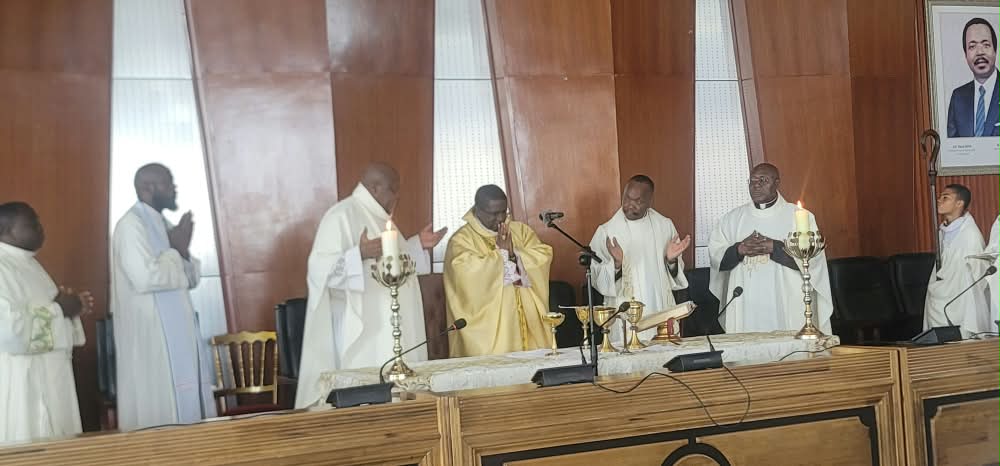
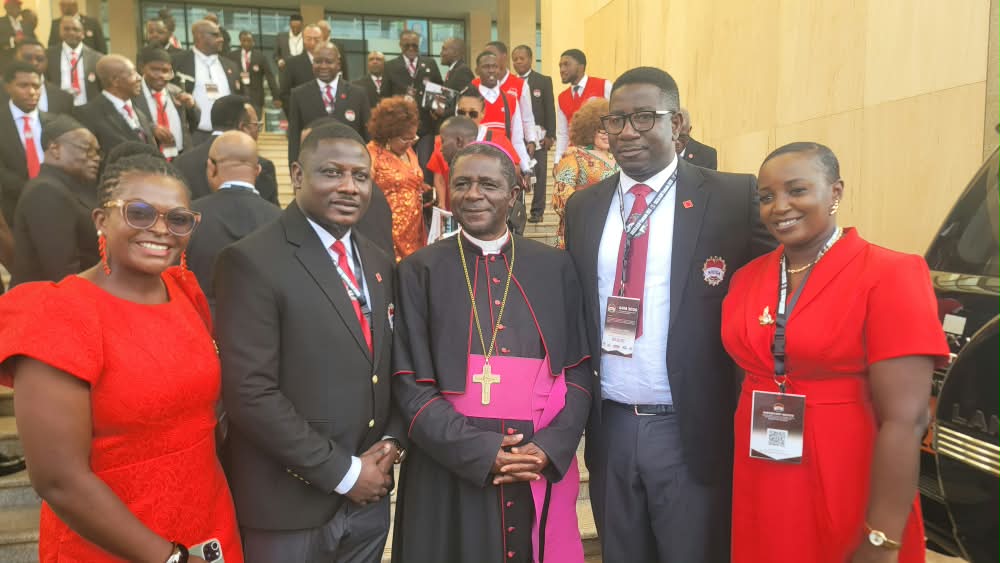
This call for fraternity and mutual responsibility was echoed by His Grace Archbishop Andrew Nkea Fuanya, Archbishop of Bamenda, who presided over the opening Holy Mass. Drawing from the day’s liturgical readings on brotherhood, the prelate urged SHESANs to allow the values of Sacred Heart College to permeate every sector of society.
“They are the salt of the earth; they are the light of the world. This is an occasion for all of them to bond together as brothers from the same college to support one another,” Archbishop Nkea said.
Reflecting on the school’s location in Mankon, the Archbishop praised the local community for protecting the institution through difficult periods.
“Mankon, where the school was founded, is a very peaceful village. It stands as a symbol of the resilience of the people of the Northwest Region—that no matter our difficulties, we cannot give up on life,” he added.
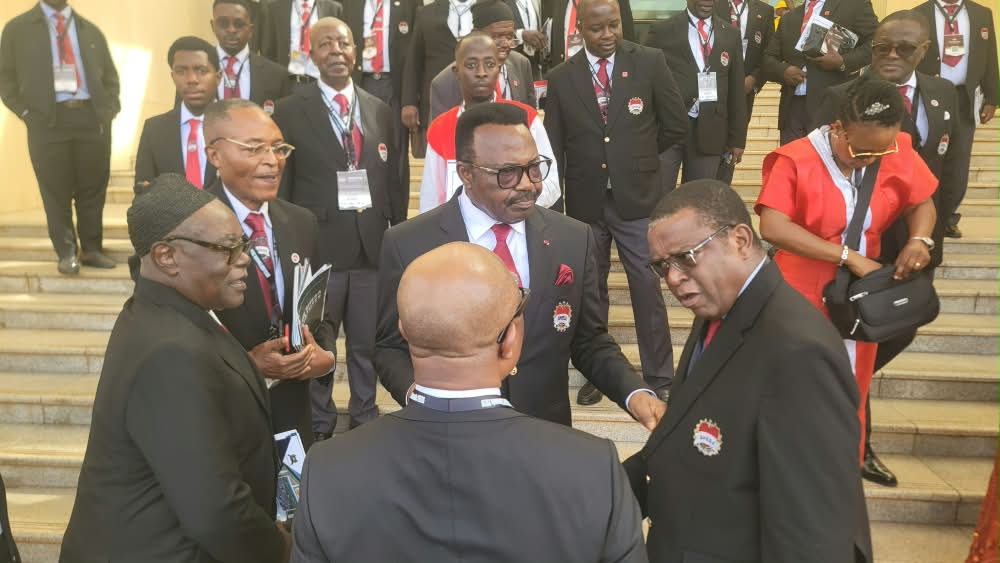
The high-level gathering also attracted distinguished government and institutional personalities, including Rose Mbah-Acha Fomundam, Minister Delegate at the Presidency in charge of the Supreme State Audit Office; H.E. Felix Mbayu, Minister Delegate to the Minister of External Relations in charge of Relations with the Commonwealth; Dr Asheri Kilo, Secretary of State to the Minister of Basic Education; and Prof. Fru Angwafo III, President of the North West Regional Assembly, among other dignitaries.
The programme featured sporting activities, batch reunions, Holy Mass, a ceremonial march past, an official opening ceremony, a keynote address by H.E. Felix Mbayu, the AGM deliberations, awards and a gala evening. The reunion concluded on Sunday, November 15, with a Thanksgiving Mass at St. Joseph Anglophone Parish, Mvog-Ada, Yaoundé.
Members expressed strong optimism about the association’s renewed direction and the financial autonomy promised by the Trust Fund. Boma Donatus noted that SHESA was entering a period of institutional renewal and moving towards greater heights.
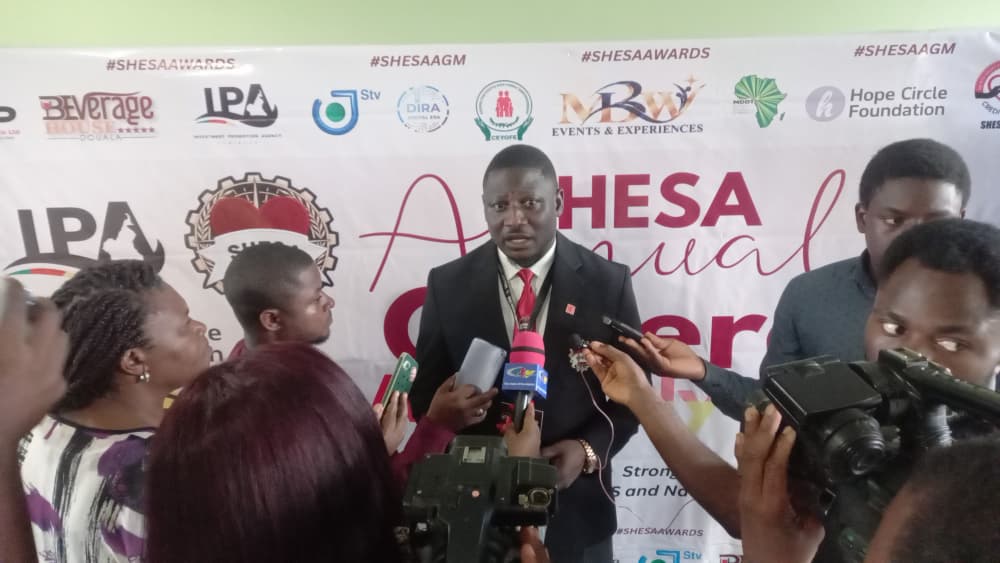
“We believe this Trust Fund will enable us to generate revenue, making the association self-sufficient so it no longer has to rely solely on membership dues to finance its operations,” Donatus explained.
For Prof. Fru Angwafo III, the gathering demonstrated the global reach and enduring vitality of the Sacred Heart spirit.
“It is the culmination of our fraternity celebrated here today. SHESA is alive every day, everywhere—across all continents and in countries around the world,” he said.
H.E. Paul Tasong also expressed confidence in the association’s ability to harness the collective potential of its members for meaningful contributions to national development, underscoring the strategic significance of alumni solidarity and institutional collaboration.
Supported by members and partners, including St Mary’s International College Tiko, the Investment Promotion Agency (API), STV, Vista Print Co. Ltd, Beverage House Douala and Dira, the 2026 AGM marks a defining chapter in SHESA’s institutional evolution.
With its new Trust Fund, strategic plan, strengthened governance structures, digital networking platform and professional clusters, the association is repositioning itself as a globally connected alumni institution committed to fraternity, professional empowerment, sustainable development and giving back to its alma mater.
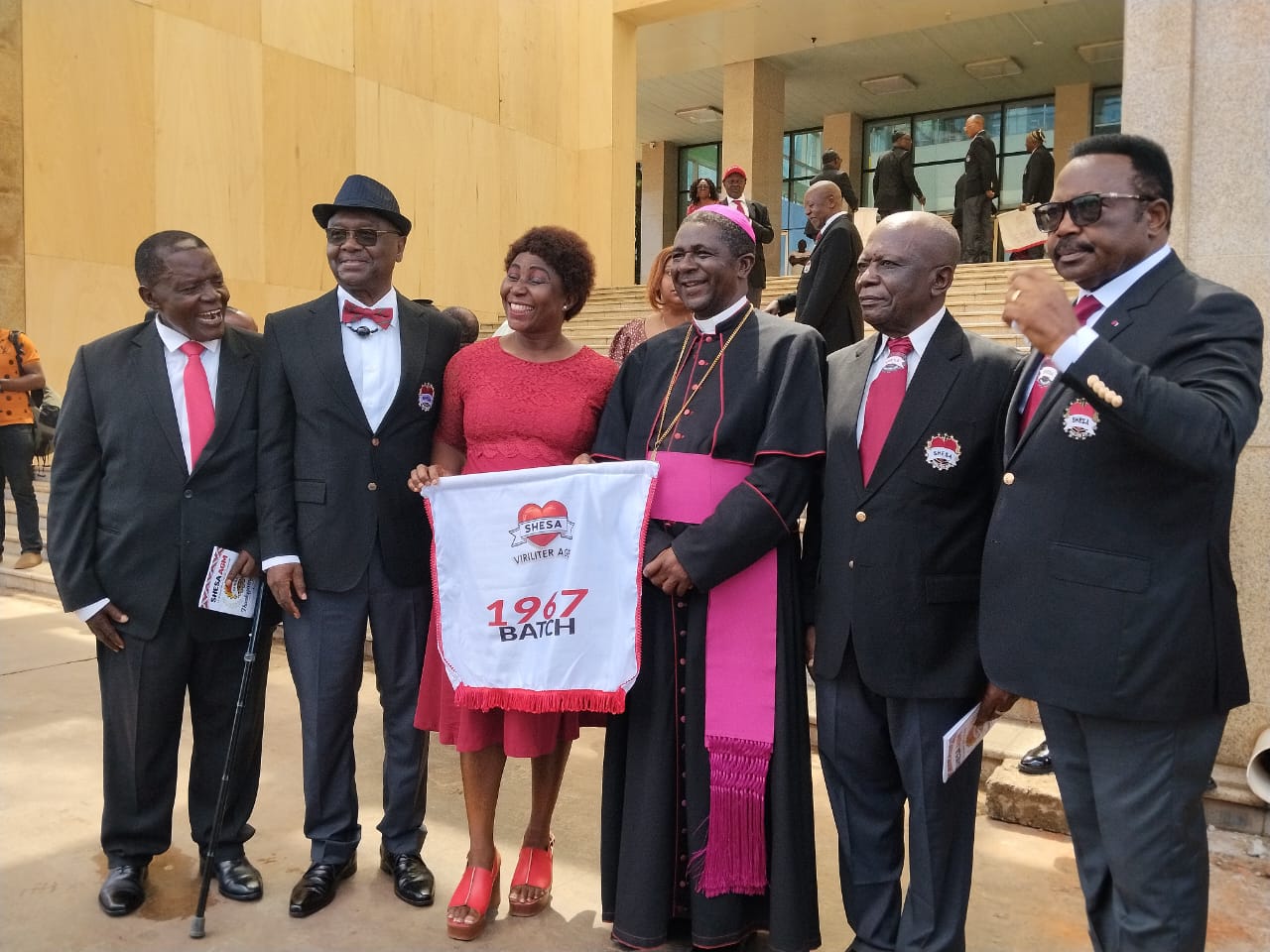
Founded in 1962 in Mankon by Bishop Julius Peters and opened by Father Tom Mulligan, Sacred Heart College, Bamenda, has built an extensive alumni community comprising approximately 700 members nationally, including about 500 bona fide registered members in Cameroon. Beyond its domestic presence, SHESA maintains active chapters in the United States, Canada and Dubai, while new country chapters are being established in The Gambia, Côte d’Ivoire and Nigeria, among others.