By Etienne Mainimo Mengnjo
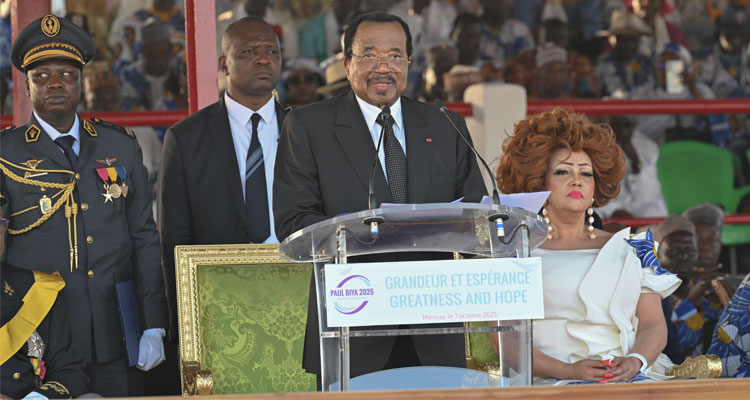
The long, speculative wait for the return of Cameroon’s head of state has finally come to an end. President Paul Biya, who departed the nation on Sunday, June 7 for what official communications initially described as a “brief private stay” in Europe, landed back in the capital on Thursday, August 20.
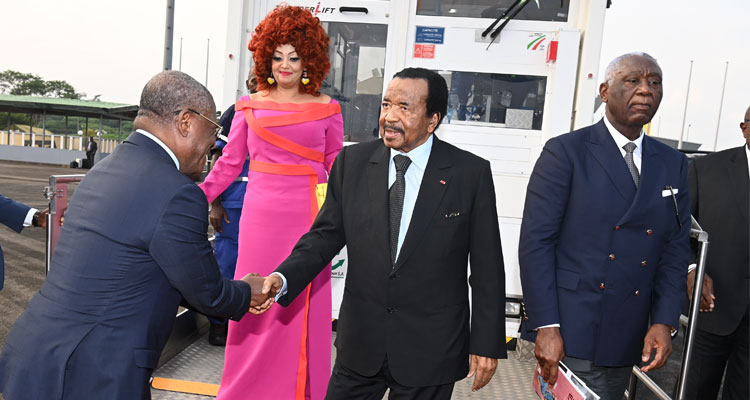
Accompanied by First Lady Chantal Biya, the 73-day absence marks the longest period President Biya has spent out of the country since he assumed office.
Despite the lack of official details surrounding the extended trip—which quickly evolved in the public eye from a brief getaway to a prolonged stay abroad—huge crowds lined the streets of Yaoundé.
Devoted militants of the ruling Cameroon People’s Democratic Movement (CPDM) party and curious city dwellers alike gathered along the presidential route, eager to personally confirm that the leader had indeed returned.
Unlike typical presidential arrivals that feature extensive television coverage and clear views of the president, visual access during this return remained minimal.
Those waiting outside the airport and along the transit corridors were only able to glimpse the president’s hand waving briefly through a slightly lowered window of the presidential vehicle.
Official photographs with close advisors were released shortly following the event, though many citizens expressed a desire for a more direct public appearance.
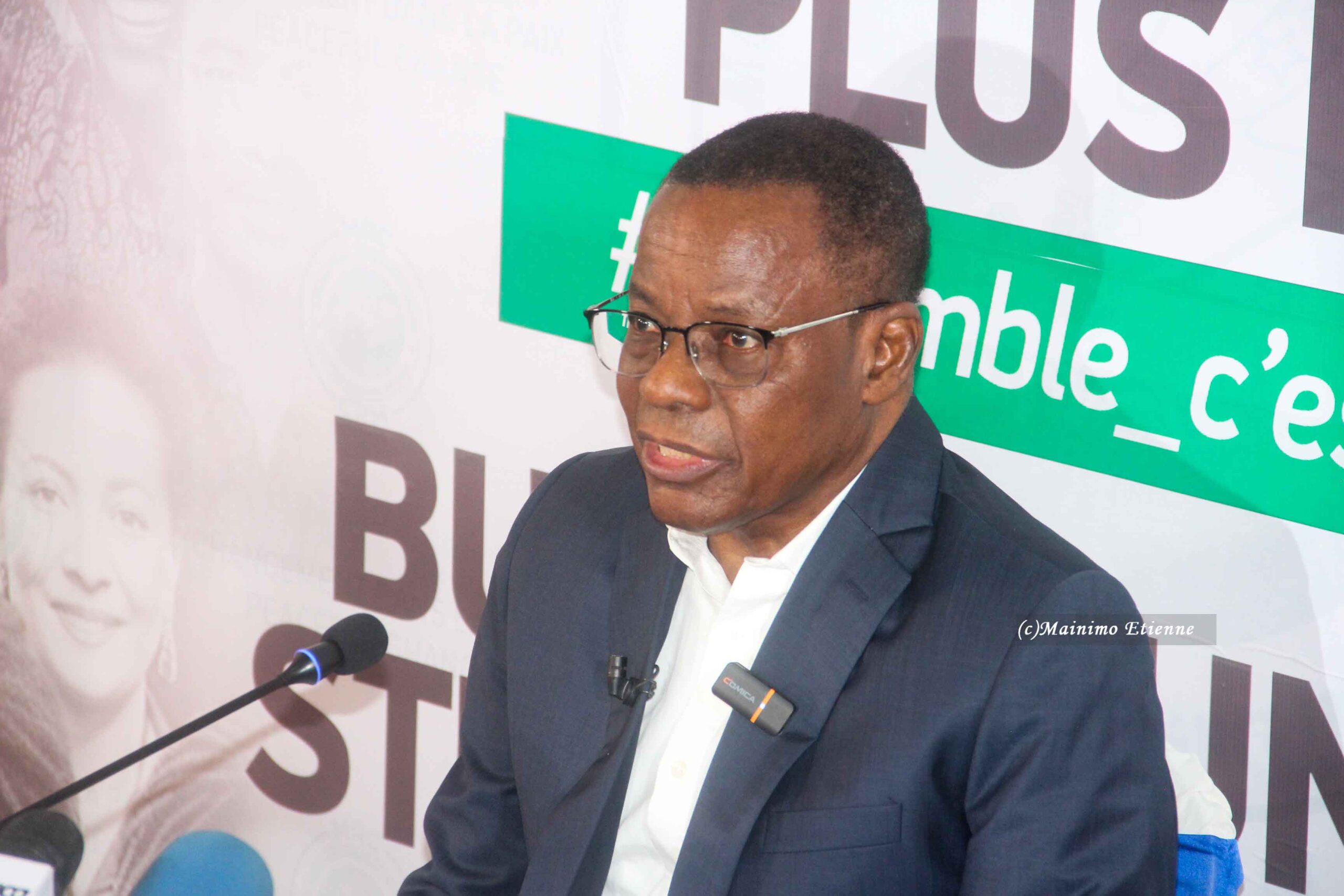
The prolonged absence generated intense debate across the political spectrum, with critics calling on authorities to formally assess a vacancy at the helm of state, while defenders insisted the President remained in good health and would return at the appropriate hour.
“I am very happy that our president is back and in good health, we thank God for bringing our president back and we continue to pray for him,” remarked Silas, a resident following the coverage on television.
Rymond, a local bike rider, shared a similar sentiment regarding the return. “We are very happy to know that our darling president is back. So many things had been said about him not being in the country and finally, he is back in good health. Mr. President, welcome back.”
Other citizens noted the prolonged lack of public addresses during the president’s time abroad and voiced a need for direct dialogue.
“The president has been out for long and we are happy that he is back but we haven’t heard from him for a long time,” stated Mildred. “He is our president and he is supposed to talk to us. We haven’t heard from him. Mr. President, talk to us.”
The absence prompted significant discussion regarding state leadership during the period abroad. While critics and opposition figures raised questions about the status of the presidency, government defenders maintained that state functions remained stable and that the head of state would return at an appropriate time.