By Etienne Mainimo Mengnjo
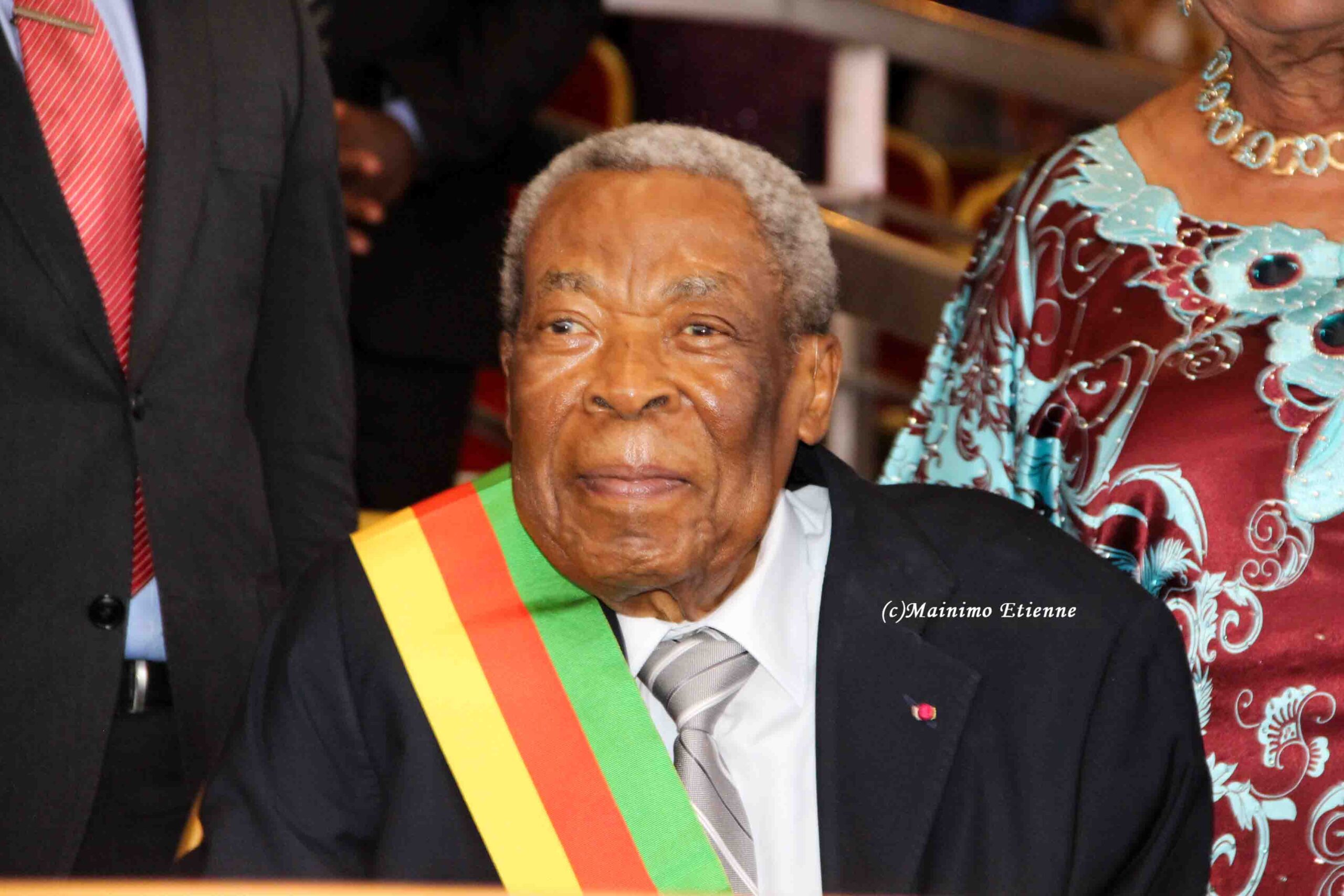
Senator Marcel Niat Njifenji, 91, the first president of Cameroon’s Senate has died. His death was announced on April 11 in a hospital in Yaounde just weeks after he was officially relieved of his duties as the President of the Upper House of Parliament
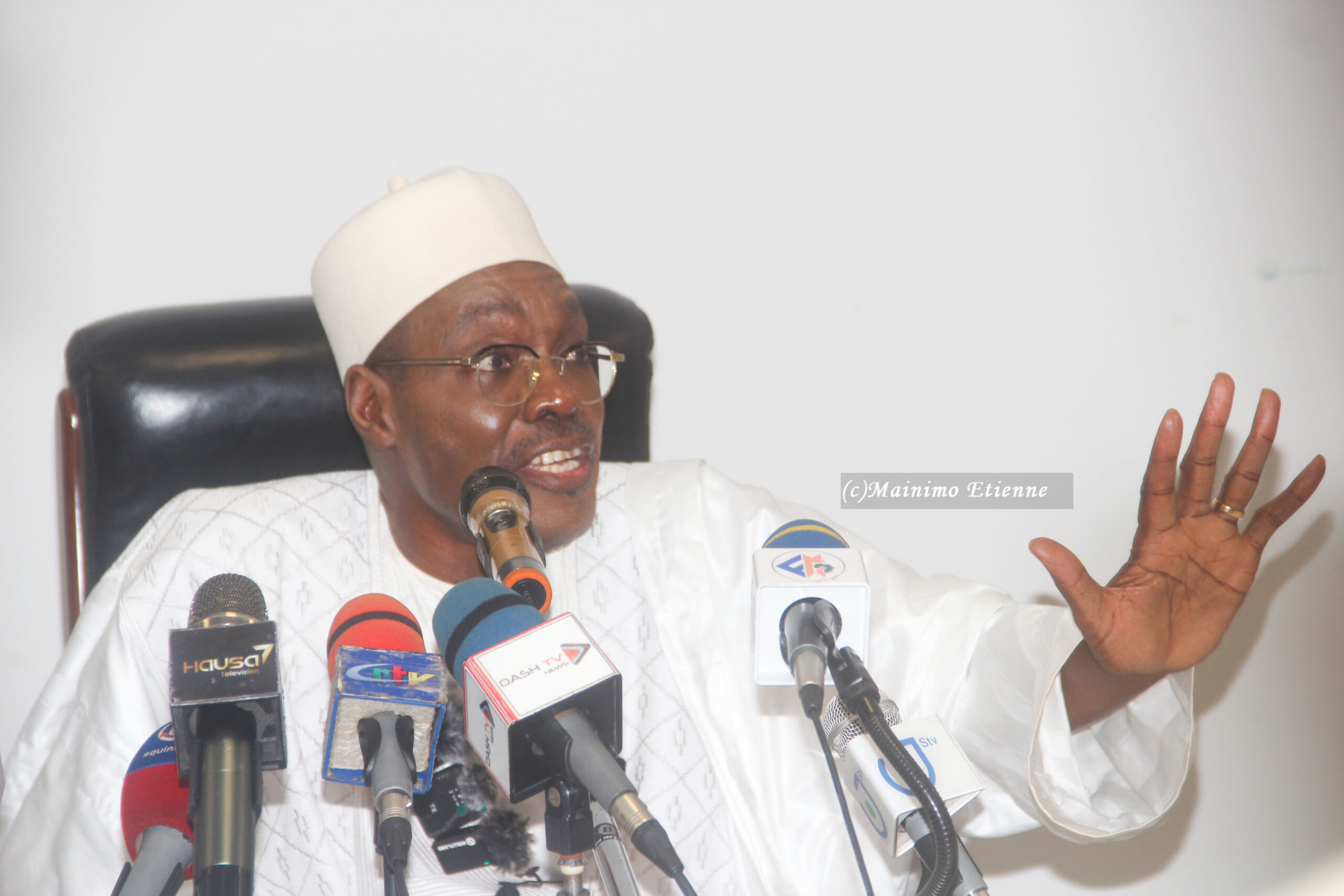
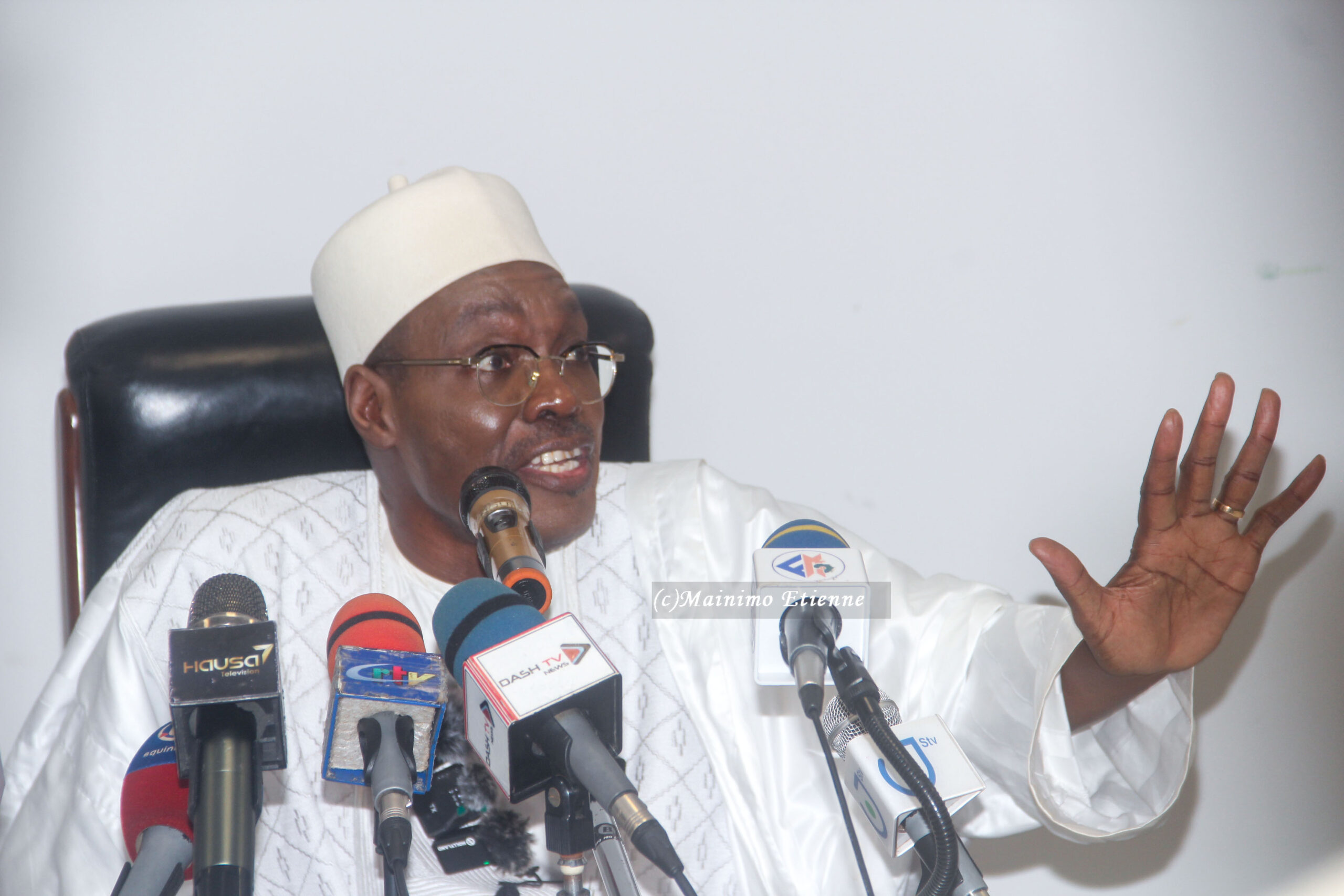
Senate President Aboubakary Abdoulaye, the Lamido of Rey Bouba who succeeded Mr. Njifenji on March 17, 2026, issued a formal statement confirming the death.
“It is with deep regret that I announce the passing of Marcel Niat Njifenji, former President of the Senate, this Saturday, April 11, 2026, in Yaoundé,” read the announcement from Mr. Abdoulaye’s office. “On behalf of the members of the Bureau, the staff of the Senate, and on my own behalf, I extend my sincere condolences to the biological family and the entire political family, and assure them of my compassion in this painful trial.”
Born in 1934 in Bangangté, in the West Region, Senator Njifenji was a product of France’s prestigious École Supérieure d’Électricité (Supélec), graduating in 1960—the same year French Cameroon gained independence. Returning home as an engineer of roads and bridges, he was immediately thrust into the task of nation-building.
While his later career was political, his foundational legacy is physical. For nearly three decades, including a long tenure as Director-General of the National Electricity Company (SONEL), Senator Njifenji was the state’s primary energy fixer.
He oversaw the expansion of the Edéa power complex and drove the construction of the Song Loulou hydroelectric dam, projects that provided the kilowatts for Cameroon’s aluminum smelting industry
Colleagues spoke of his “obsession with redundancy,” insisting infrastructure handle double the projected load. That engineering foresight proved vital during the rapid urbanization of the 1990s.
Senator Njifenji’s transition to full-time politics came during the turbulent early 1990s. He served as Minister of Planning and Territorial Administration before being appointed Deputy Prime Minister in charge of Mines, Water, and Energy. But it was the creation of the Senate in 2013 that defined his final act. Appointed as a senator by President Paul Biya, he was elected the chamber’s first president at the age of 79.
For thirteen years, until his health visibly declined, Senator Njifenji served as the “silent guarantor” of state continuity—managing the house not with flamboyant rhetoric, but with the steady, administrative hand of the engineer he never stopped being .
In his home region of Ndé, he was also a patriarch and long-time mayor of Bangangté, known for funding local schools and clinics. Burial arrangements are expected to be announced by the Senate in the coming days