By Etienne Mainimo Mengnjo
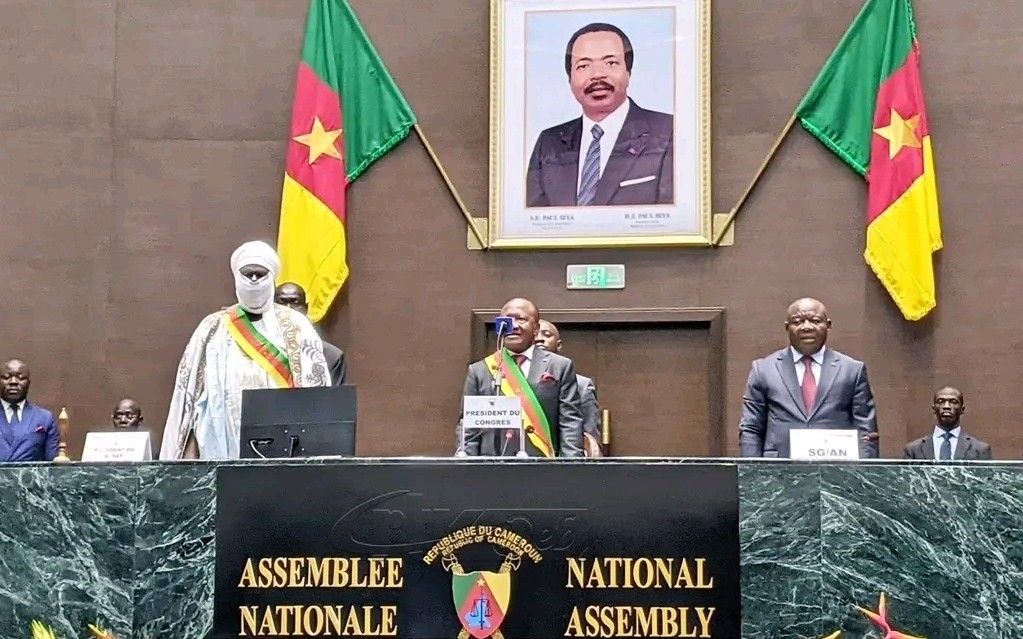
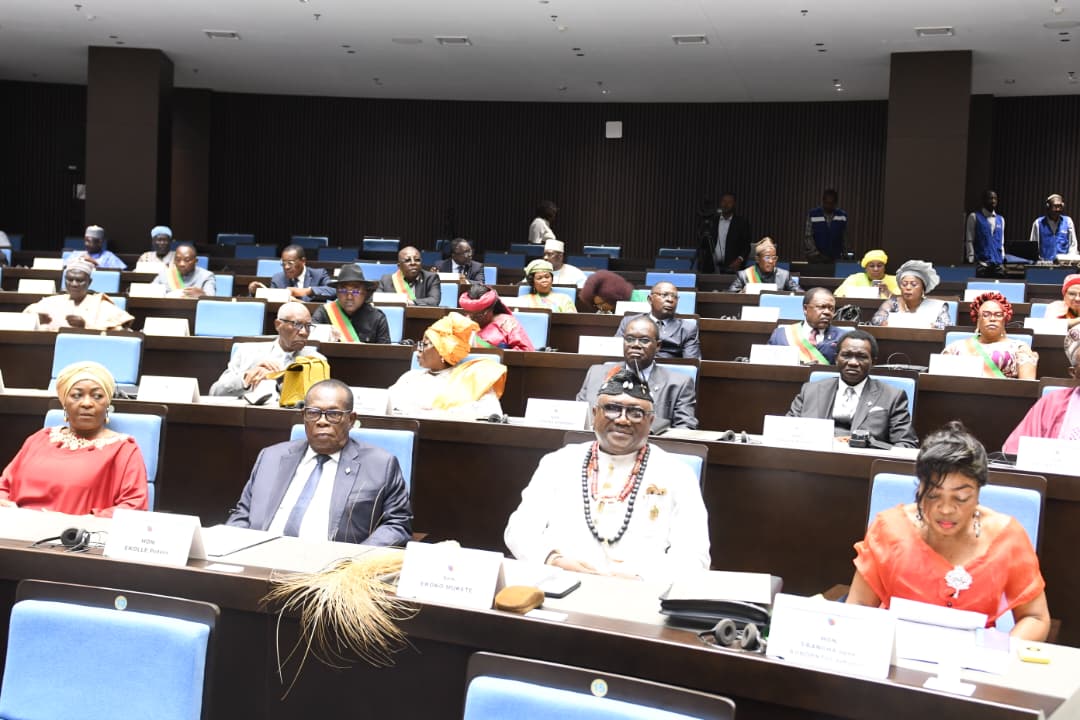
After more than five decades, Members of Parliament have restored the post of Vice President in Cameroon despite constitutional debates. A bill to create the post of Vice President and amend key provisions of the Constitution to adapt the country’s institutions was adopted during the 6th Congress of Parliament on April 4 in Yaoundé after it was tabled on April 2.
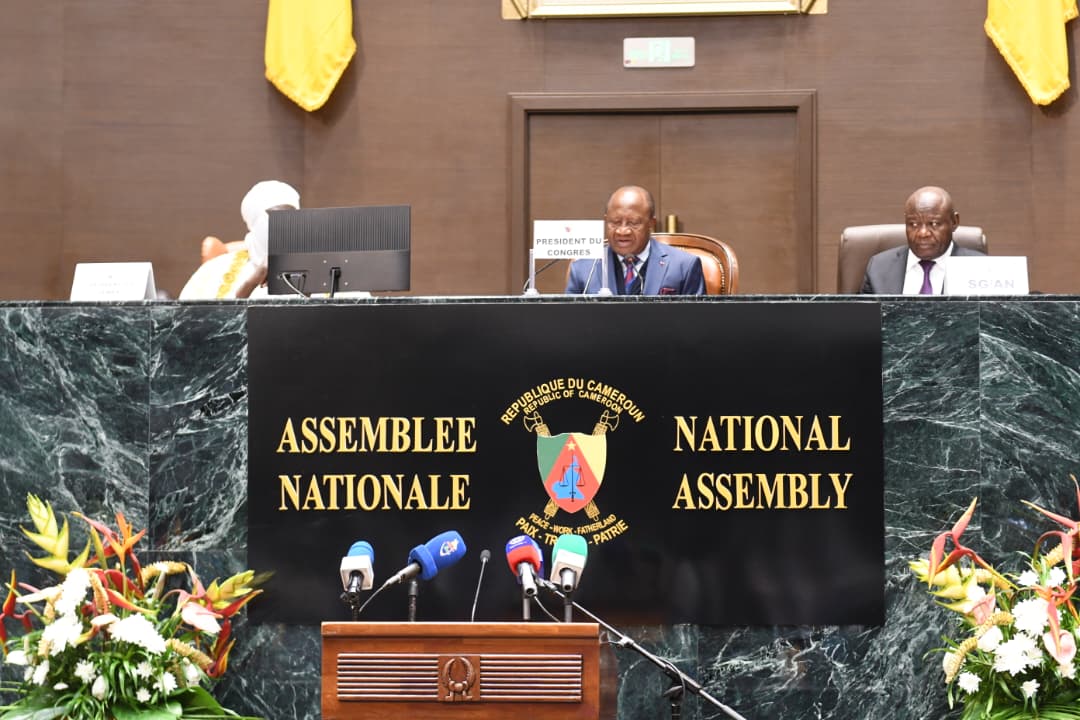
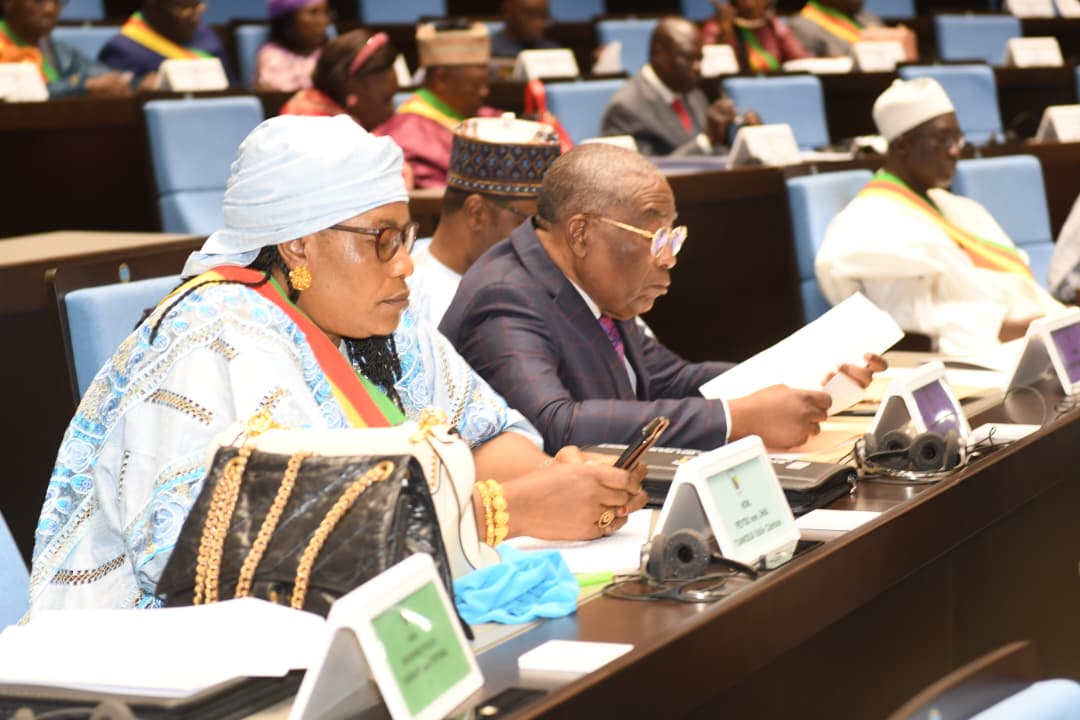
The bill was passed by a majority of MPs, with 200 votes in favor, 18 against and four annulled. Before the vote, MPs took to the rostrum to either support or oppose the proposal. While some MPs backed the measure, others — including members of the ruling Cameroon Peoples Democratic Movement (CPDM) — called for the bill’s rejection and withdrawal for further examination.
Opposition MPs described the bill as a calculated attempt to deny Cameroonians fundamental rights, arguing that an elected official cannot delegate governing power to an unelected person. “The bill should be rejected because it gives the executive branch powers to control the legislature. We can’t give power to someone to appoint a Vice President as if he or she is appointing someone in his office,” one MP said.
Other parliamentarians argued the bill would only gain credibility if it included measures to ensure balance between the country’s two linguistic regions, proposing that when the President is a Francophone the Vice President should be an Anglophone and vice versa. Some also proposed that the Vice President should be elected on the same ticket as the President, with both serving five-year terms renewable once.
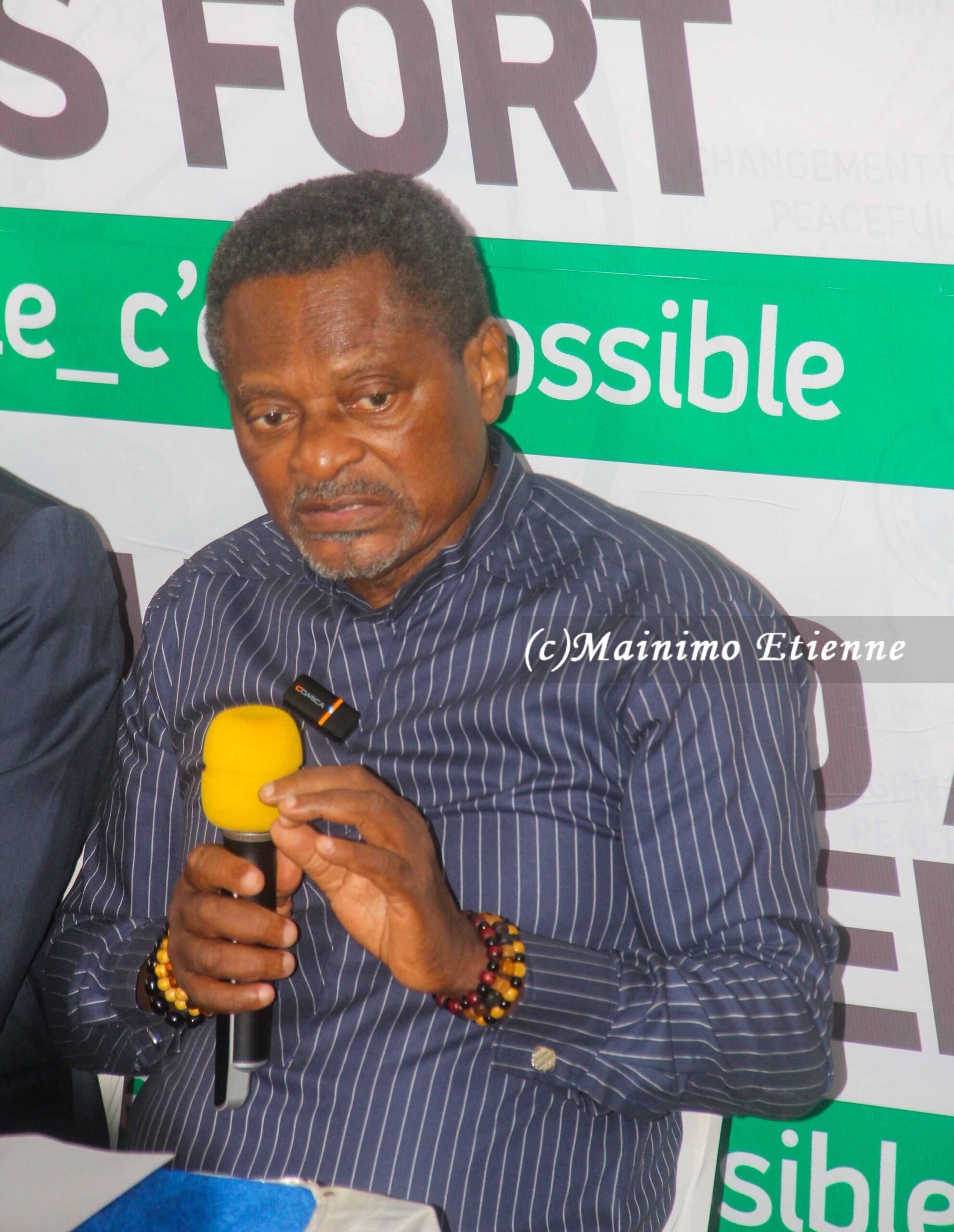
Senator René Ze Nguele, one of the CPDM’s longest-serving members of the Senate, called for the constitutional amendments to be withdrawn, rewritten and scrutinized before any vote. According to Senator Ze Nguele, President Paul Biya should explain why he needs a Vice President and, more importantly, what the office would actually do. He insisted the role must be clearly defined and not be a blank cheque of power.
“To the Senator, the Vice President must not be selected or removed at the president’s pleasure,” he added, warning that unchecked control is not governance but a blueprint for institutional collapse. “The manipulation of institutions has destroyed many African countries,” he said.
Defending the bill, Laurent Esso, Minister of State, Minister of Justice and Keeper of the Seals, acknowledged the concerns raised by MPs and said they could be addressed by another bill or law. He dismissed claims that the Head of State intended to modify the entire Constitution, noting that the President is a guarantor of integrity and national unity and must consider the principle of regional balance.
Emphasizing that the immediate issue concerns the office of the Vice President, Minister Esso said the Head of State’s responsibility is functional: it enables the functioning of the state at the highest level.
After the adoption of Bill No. 2094/PJL/P to amend and supplement the Constitution of June 2, 1972, as amended by Law No. 96/06 of January 18, 1996 and Law No. 2008/001 of April 14, 2008, the text will be forwarded to the Head of State.
Under Article 31 of the Constitution, the President promulgates laws adopted by Parliament within fifteen days of their transmission, provided no request for a second reading is made and the Constitutional Council is not seized.
If the President fails to act within that period, the President of the National Assembly may substitute for the President after formally noting the failure to act; publication is then carried out in both official languages of the Republic.
The office of Vice President was first established with the formation of the Federal Republic of Cameroon on October 1, 1961, following the reunification plebiscite in Southern Cameroons in February 1961 and the Foumban Conference.
The 1961 Federal Constitution created the post to balance power between Francophone East Cameroon and Anglophone West Cameroon; the Vice President was typically an Anglophone. John Ngu Foncha, Prime Minister of West Cameroon, was the first to hold the post from 1961 to 1970 under President Ahmadou Ahidjo, and Salomon Tandeng Muna served from 1970 to 1972.
The position was abolished in 1972 after a constitutional referendum on May 20 that replaced the federal system with a unitary state, centralizing power under President Ahidjo and eliminating the Vice Presidency. Since the 2000s there have been occasional discussions and proposals to reintroduce the post.