By Brian Mboh
The Organization of Islamic Cooperation, through its Committee on Scientific and Technological Cooperation (COMSTECH), led by Cameroonian-born Samira Ramatou, has outlined strategic technological innovations to enhance the mining sector in Cameroon and Africa.
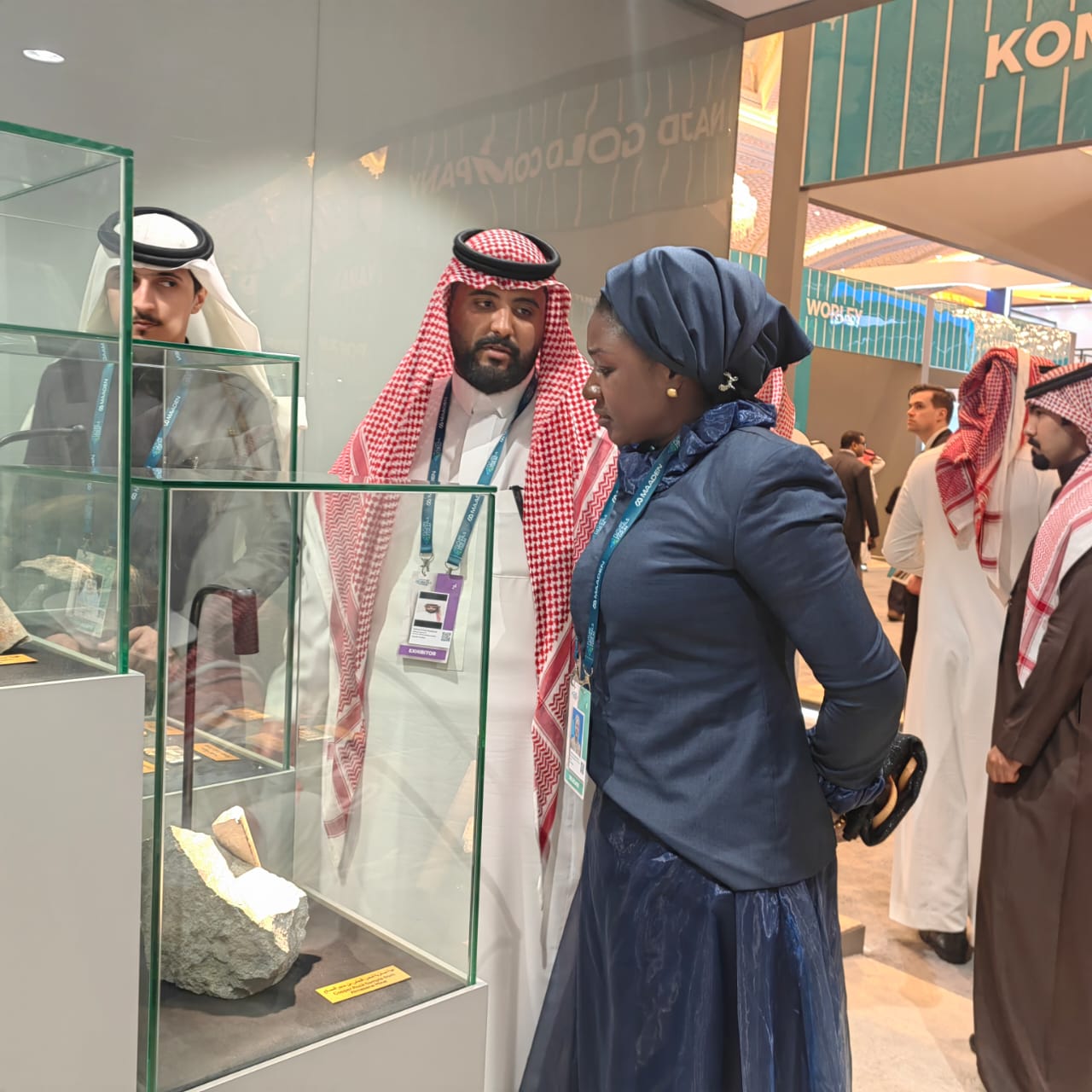
Samira Ramatou outlined the strategic technological innovations during the Future Mineral Forum (FMF) that took place in Riyadh, Saudi Arabia, from Jan. 13 to 15, which attracted 18,000 participants from 170 nations.
During a panel discussion, Ramatou emphasized the importance of digital transformation in Cameroon’s mining sector. As COMSTECH’s representative at the FMF, she highlighted key areas relevant to the country.
There is an opportunity to create programs similar to micro-certifications and specialized diplomas for young Africans in mining while collaborating with local universities to teach exploration techniques, data mining, and AI applicable to minerals.
Ramatou spoke about promoting sustainable extraction technologies, digital traceability, and recycling. She stressed the need to raise awareness of international best practices and compliance with environmental standards, as well as the importance of training young African talent in advanced mining technologies such as AI, automation, and digitalization.
The discussion also included the need for local recruitment in mining regions and on-site training in partnership with local businesses and communities. Developing training programs co-financed by international companies and institutions, as well as fostering university collaborations to integrate programs similar to MineralX into African curricula, were deemed crucial.
Ramatou advocated for enhancing opportunities in strategic minerals for the African economy. She emphasized integrating sustainability and social responsibility into curricula and training while promoting sustainability and recycling to meet international standards.
The recommendations made by Ramatou for Cameroon included establishing a national sustainable mining training program inspired by the FMF 2026 model, creating a talent pipeline from universities and technical colleges to specialized mining and recycling trades, and developing partnerships with international institutions for advanced training and applied research.
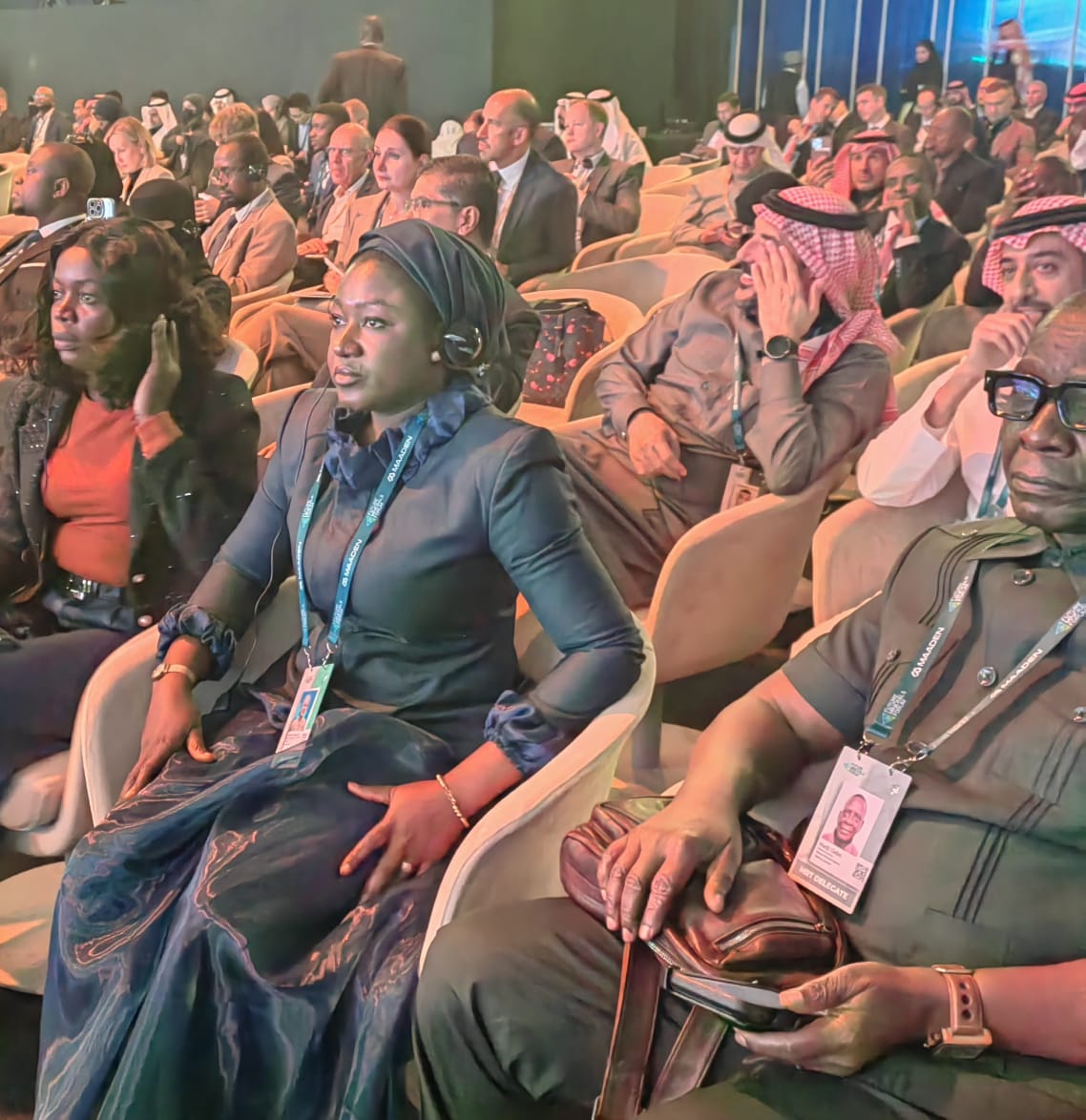
She also called for implementing transparency and traceability standards for the critical minerals market in Cameroon and raising awareness among local communities and young talent about the opportunities in the sustainable mining sector, along with offering micro-certifications and specialized diplomas in exploration, AI, automation, and recycling.
This edition of the Future Minerals Forum brought together voices shaping the global minerals agenda, addressing policy, industry leadership, technology, and investment.
Key highlights included perspectives from Saudi Arabia’s leadership, such as the Minister of Industry and Mineral Resources and the Vice Minister for Mining Affairs, who discussed global mineral demand and the sector’s future direction.
Updates were also provided from strategic national partners emphasizing their roles in enabling mining, industrial growth, and sustainable development.
The forum covered the Ministerial Roundtable, offering a forward-looking view on the world’s only government-led minerals platform, and featured executive insights from global mining and energy leaders on innovation, AI, electrification, and operational excellence.
Industry spotlights on exploration, processing, infrastructure, logistics, and technology reflected the full minerals value chain.
Additionally, a preview of the FMF Barometer showcased its role as a landmark reference for the global minerals industry. Reflections on FMF 2026’s theme, “Dawn of a Global Cause,” highlighted how collaboration, capital, and technology are redefining progress. The event featured 250 speakers, including 70 ministers, with discussions conducted in panel formats.