By Desmond Mbua
The non-governmental organization 1 Billion Rising in Cameroon has launched a strong appeal to confront addiction with empathy rather than judgment-dominated discussions. They made their appeal on Sunday, February 15, during a roundtable on mental health and recovery. The event was held at the courtyard of the National Olympic and Sports Committee, CNOSC, in the Nkoleton neighborhood in Yaounde.
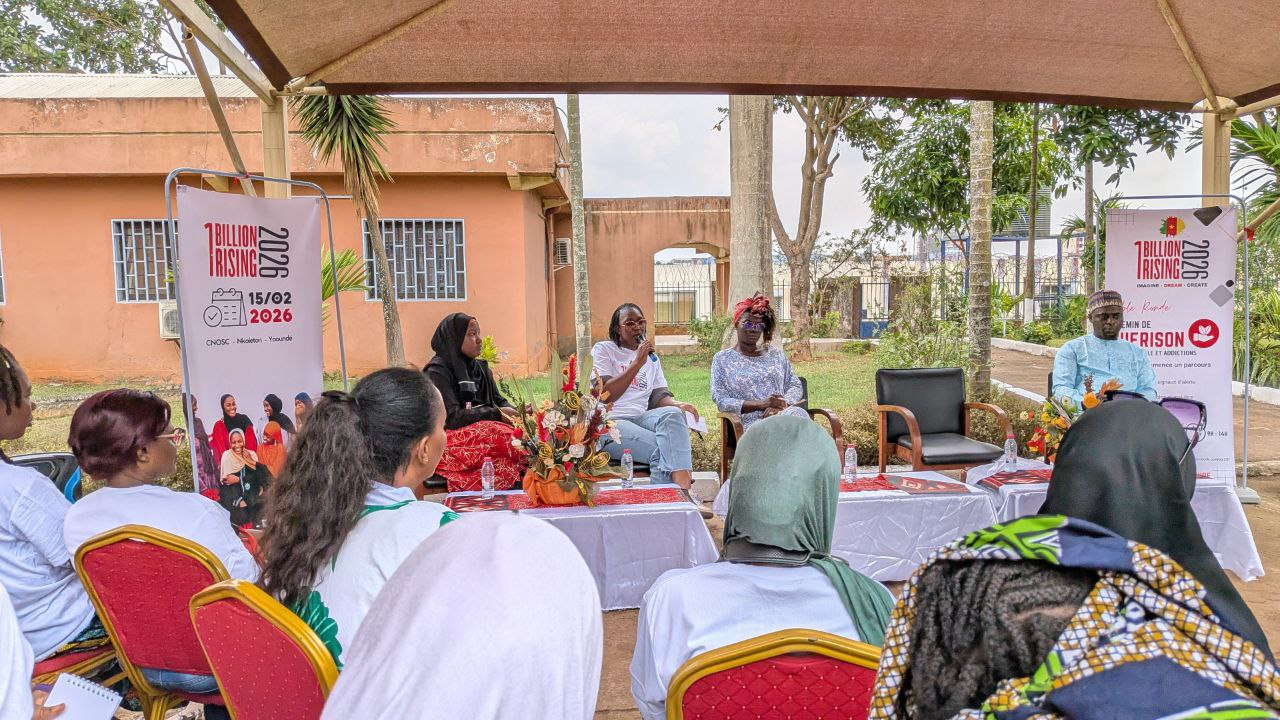
Held under the theme “Healing Journey,” the dialogue brought together clinicians, educators, and volunteers to sensitize the public on addiction, promote mental health awareness, and provide practical pathways toward recovery through a holistic approach.
Participants took part in panel discussions featuring experts such as psychologists, nutritionists, and sports coaches. They also engaged in art therapy workshops, which encouraged creative expression as a means of emotional healing. Additionally, yoga and stretching sessions provided relaxation and stress relief, while team-building games strengthened interpersonal connections and promoted a sense of unity
Prevention and early intervention are crucial to healing
Addressing the participants during the ceremony, experts called on parents and schools to act early rather than deny warning signs.
“It is not because we found cannabis in a child’s room that he is already addicted. Prevention is meeting a professional to evaluate the level of consumption,” psychologist Ramlat Salma said.
She urged families to seek help from doctors, psychiatrists, or clinical psychologists and warned that recovery is a long process: “It is not something done in one year. Sometimes it takes many years; there is accompaniment for them to completely let go.”
Participants were encouraged to create spaces of listening, strengthen community support networks, and continue speaking openly about addiction and mental health.
As the session closed, one consensus emerged clearly: addressing addiction demands compassion, sustained engagement, and the courage to break the silence.
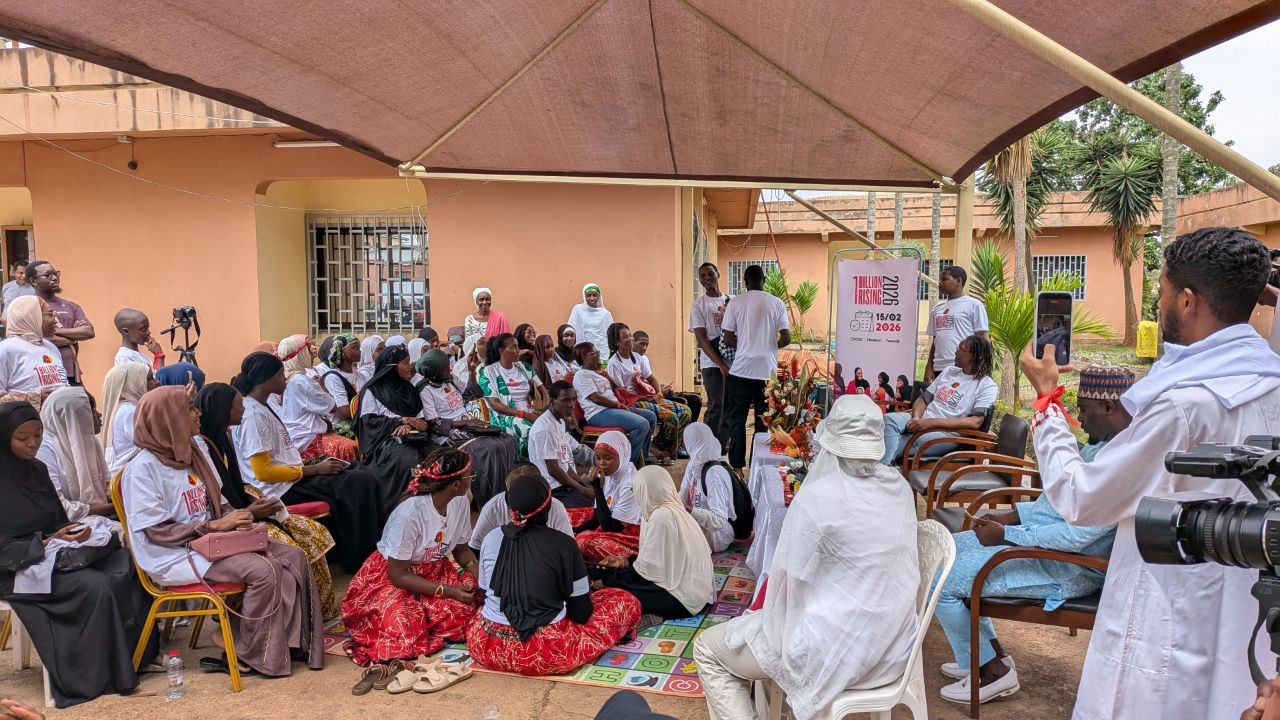
Moving beyond talk to concrete action
For many young participants, the session was a wake-up call. Salma Rakyatou, a secondary school student attending as both participant and volunteer, said the focus on addiction challenged her initial assumptions. “At the beginning, for me, it was an experience that did not interest me much, but the theme of today was addictions. It was really fascinating,” she said.
Through a sketch exploring addiction from both student and parental perspectives, participants examined the flaws, the causes, the consequences, the manifestations, and how we can effectively remedy them.
She emphasized the need to go beyond awareness campaigns: “We can’t spend our time talking about sensitization; it’s time to move on to action. The path is long. Do not always say that the path is easy to heal. The path of healing not only deserves motivation but also concentration. Salma spoke further.
Healing through body, mind, and community
Yoga teacher and choreographer Moada Yakana underscored the role of wellness practices in rebuilding self-worth. “Responsibility and awareness that as a human being, I am a treasure. I don’t want to waste or destroy myself; this is what dance and yoga can bring,” he said.
Yakana stressed patience and non-judgment when accompanying people struggling with addiction: “A lot of listening and little judgment, telling them that it’s not over, it’s just the beginning and everything can still be done.”