By Etienne Mainimo Mengnjo
Several government Ministers are presenting their funding requests for the 2026 fiscal year budget to the Lower House Finance and Budget Committee, as outlined in the framework provided by Prime Minister Chief Dr. Joseph Dion Ngute.
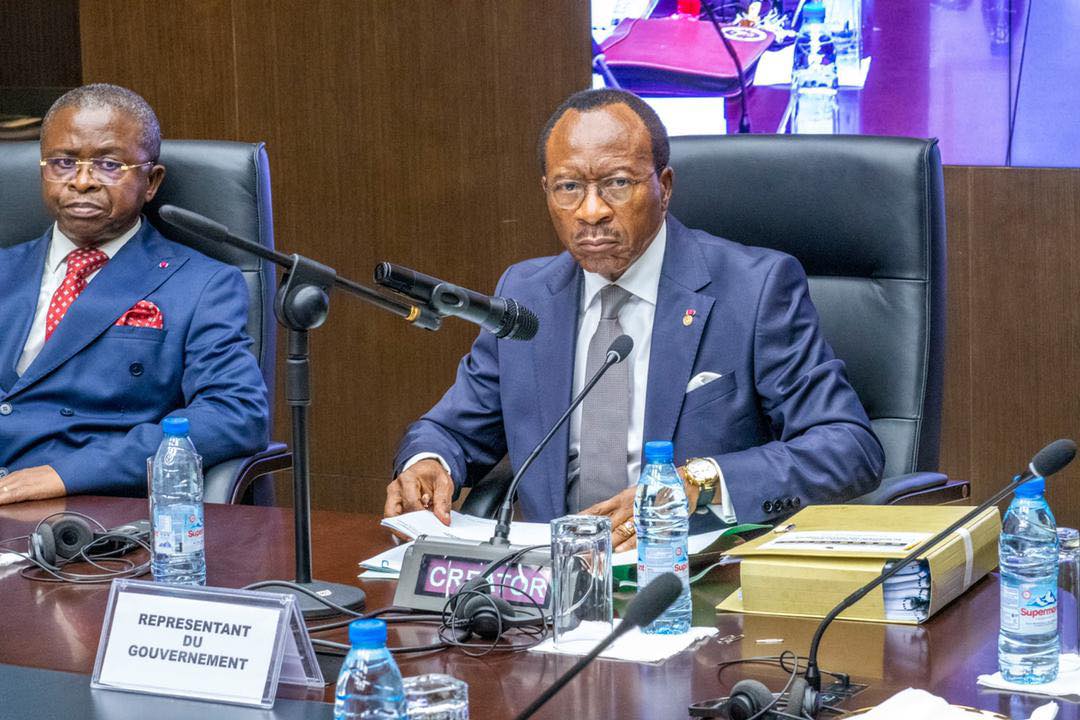
Prime Minister Dion Ngute presented government’s Economic, Financial, Social and Cultural Programme to Parliament on Nov. 26. He announced the state budget for 2026 is projected to balance at FCFA 8,816.4 billion in both revenue and expenditure.
Going by the PM, this figure represents a substantial increase from the FCFA7,735.9 billion budget in 2025, reflecting an absolute increase of FCFA 1,080.5 billion or a 14 percent rise. The Prime Minister stated that of the total, FCFA 8,683.9 billion is dedicated to the general budget and FCFA 32.5 billion is allocated to Special Appropriation Accounts.
The official document presented by Ngute forecasts domestic revenue at FCFA 5,887 billion, which is FCFA 452 billion more than in 2025. This revenue is primarily sourced from tax and customs duties, expected to reach FCFA 4,889.5 billion.
Oil and gas revenue is projected at FCFA 523.7 billion, with non-tax revenue estimated at FCFA 400 billion and grants at FCFA 73.8 billion. Public expenditure, excluding debt principal, is set at FCFA 6,210.5 billion, a 10 percent increase.
This spending is broken down into FCFA 1,625.4 billion for personnel expenses, FCFA 1,206 billion for goods and services, FCFA 820.3 billion for transfers and subsidies, FCFA 532.5 billion for debt interest, and FCFA 2,026.3 billion for investment expenditure. Investment expenditure accounts for 22.8 percent of the total budget, slightly lower than the previous year.
The draft budget law anticipates an overall deficit of FCFA 631 billion, significantly higher than the FCFA 309.9 billion recorded in 2025. The total financing requirement for 2026 amounts to FCFA 3,104.2 billion, compared to FCFA 2,326.5 billion in 2025.
This higher requirement results from adding the amortization of domestic and external debt, estimated at FCFA 1,870.6 billion, arrears payments of FCFA 498.8 billion, and VAT credit refunds estimated at FCFA 84 billion.
To cover this need, the government plans to mobilize funds through several sources: disbursements from project loans are expected to reach FCFA 826.7 billion issuances of public securities FCFA 400 billion, and bank financing FCFA 589.7 billion. Budgetary support is expected to reach FCFA 120 billion, exceptional financing FCFA 167.8 billion, while a volume of FCFA 1,000 billion of external borrowing is included in the financing scheme.
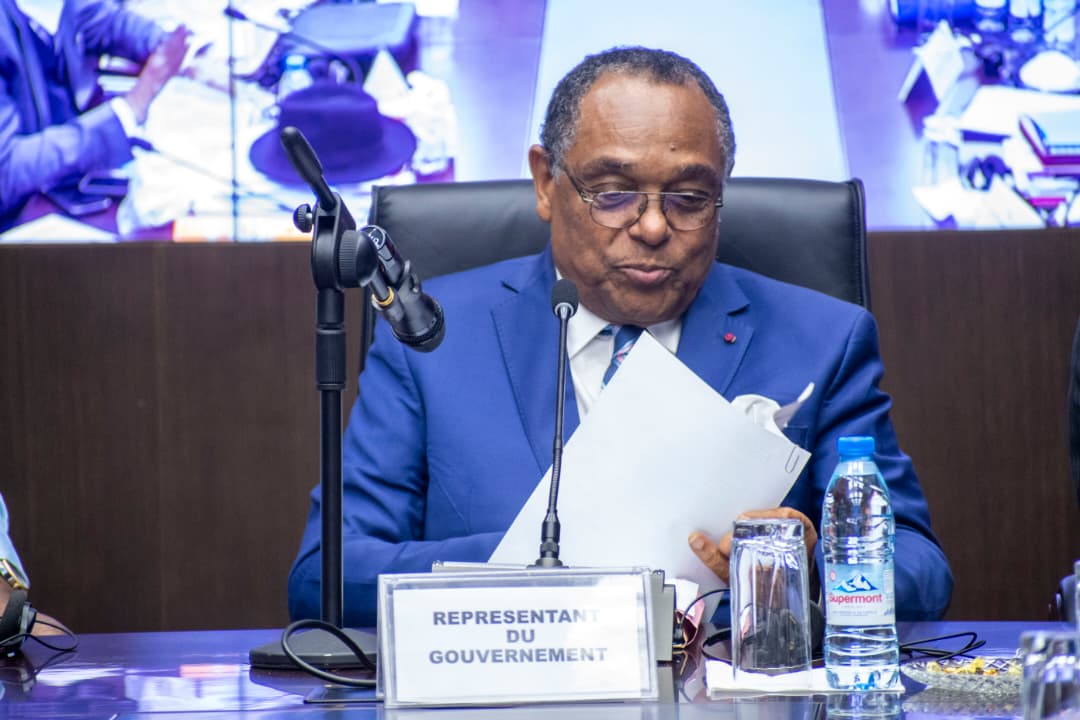
The committee heard presentations from several ministers outlining their departmental plans for the coming year. Minister of Livestock, Fisheries and Animal Industries Dr. Taiga defended an allocation of FCFA 56.5 billion, stressing accelerating the Agropastoral and Fisheries Import Substitution Plan (PIISAH), with a focus on the rapidly profitable fish sector.
Of this amount, FCFA 12.5 billion is earmarked for PIISAH activities, including 6.5 billion FCFA to support actors in the fish value chain through the SME Bank. Dr. Taiga also announced that the ministry would complete work on the draft law on livestock farming and finalize the National Development Plan for the Dairy Sector.
Development works on 15,280 hectares of hydroagricultural land in Adamawa will be launched to boost fodder and milk production, accompanied by 1.26 billion FCFA in support to dairy stakeholders and a FCFA 2 billion- transfer to SODEPA.
The Ministry plans to complete the Bamenda industrial slaughterhouse, advance similar projects in Douala and Yaoundé, intensify vaccination campaigns, and expand aquaculture and capture fisheries through new infrastructure, equipment and support to producers.
Minister of Small and Medium-sized Enterprises, Social Economy, and Handicrafts Achille Bassilekin III sought approval for his ministry’s allocations worth over FCFA 15 billion for the fiscal year, stating the budget lay emphasis on promoting youth and women entrepreneurship, as well as strengthening the craft and social economy sectors in Cameroon.
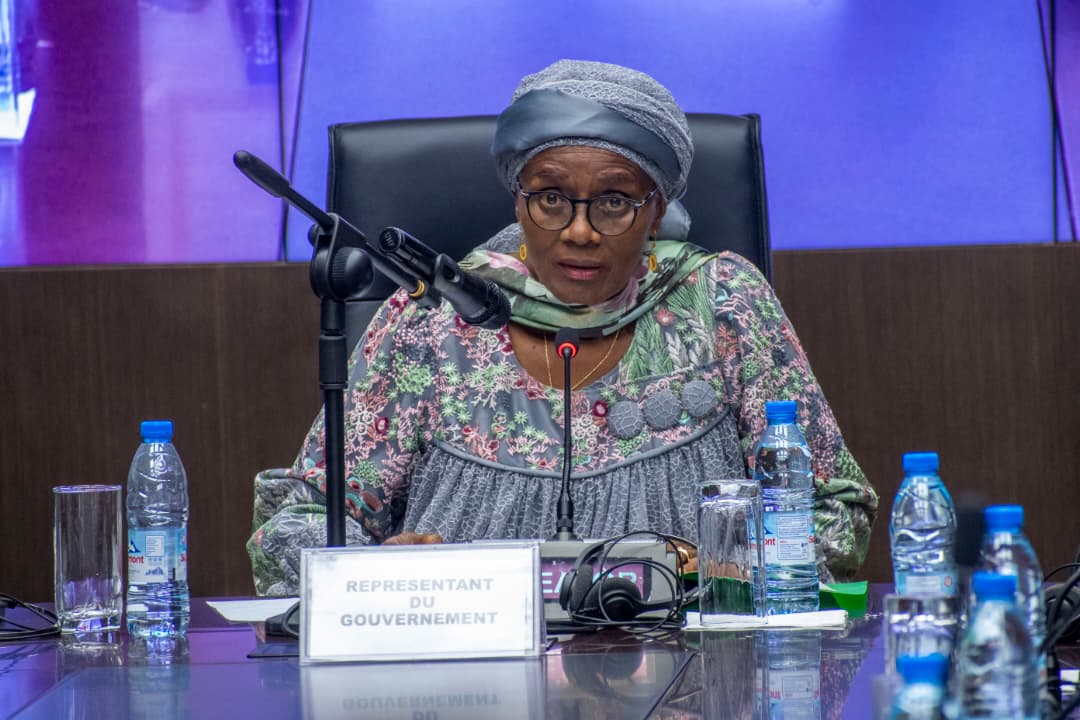
Minister of Secondary Education Prof. Nalova Lyonga stated her ministry’s budget increase is mainly due to the government’s commitment to paying the debt owed to teachers. She also announced plans to introduce artificial intelligence–powered software to modernize teaching and improve administrative efficiency, while stressing that ensuring safe and secure schools remains a core priority.
Minister of Public Service and Administrative Reform Joseph Le proposed a budget of FCFA 19.875 billion, outlining his ministry’s priorities and key reforms planned for the year ahead.
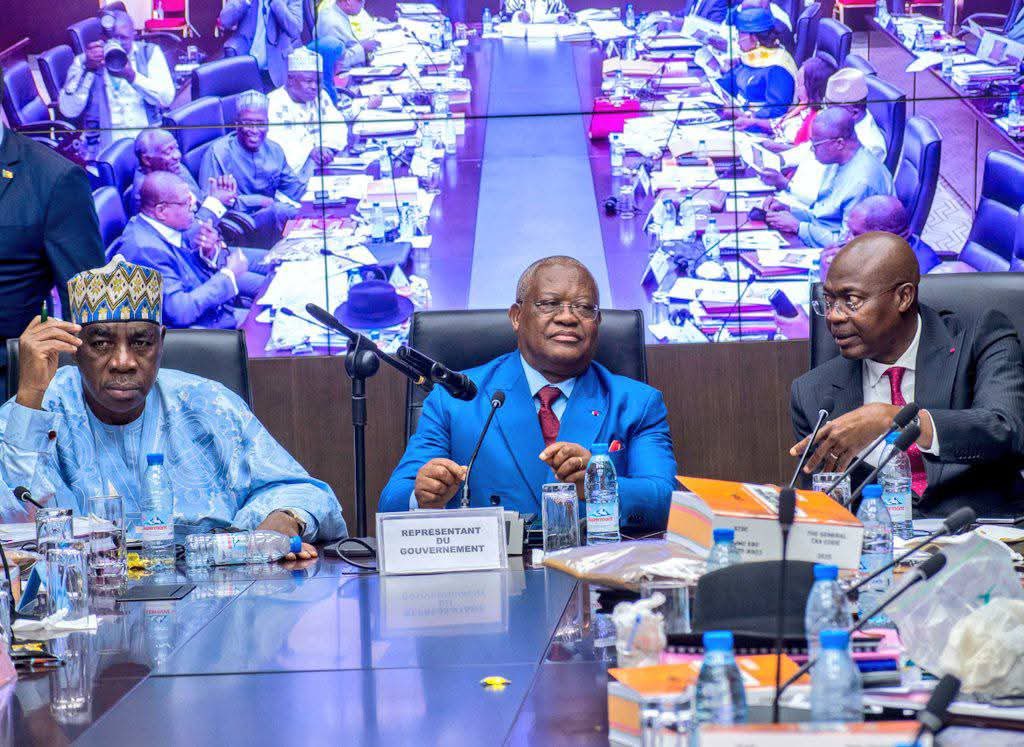
The macroeconomic outlook supporting this budget projects national growth of 4.3 percent in 2026, driven by the non-oil sector, while inflation is expected to fall to 3 percent, after reaching 3.2 percent in 2025.
The government states this budget aims to reconcile the consolidation of public finances, adherence to the CEMAC convergence pact, and the implementation of the priorities of the 2030 National Development Strategy. The text also introduces several budgetary innovations, including the elimination of common chapters, the full application of the revised budget nomenclature, and the splitting of the Conflict-Affected Regions Reconstruction Fund.
A key element is the creation of a special fund of FCFA 50 billion dedicated to women’s economic empowerment and the promotion of youth employment, in line with commitments made by Paul Biya.