By Etienne Mainimo Mengnjo
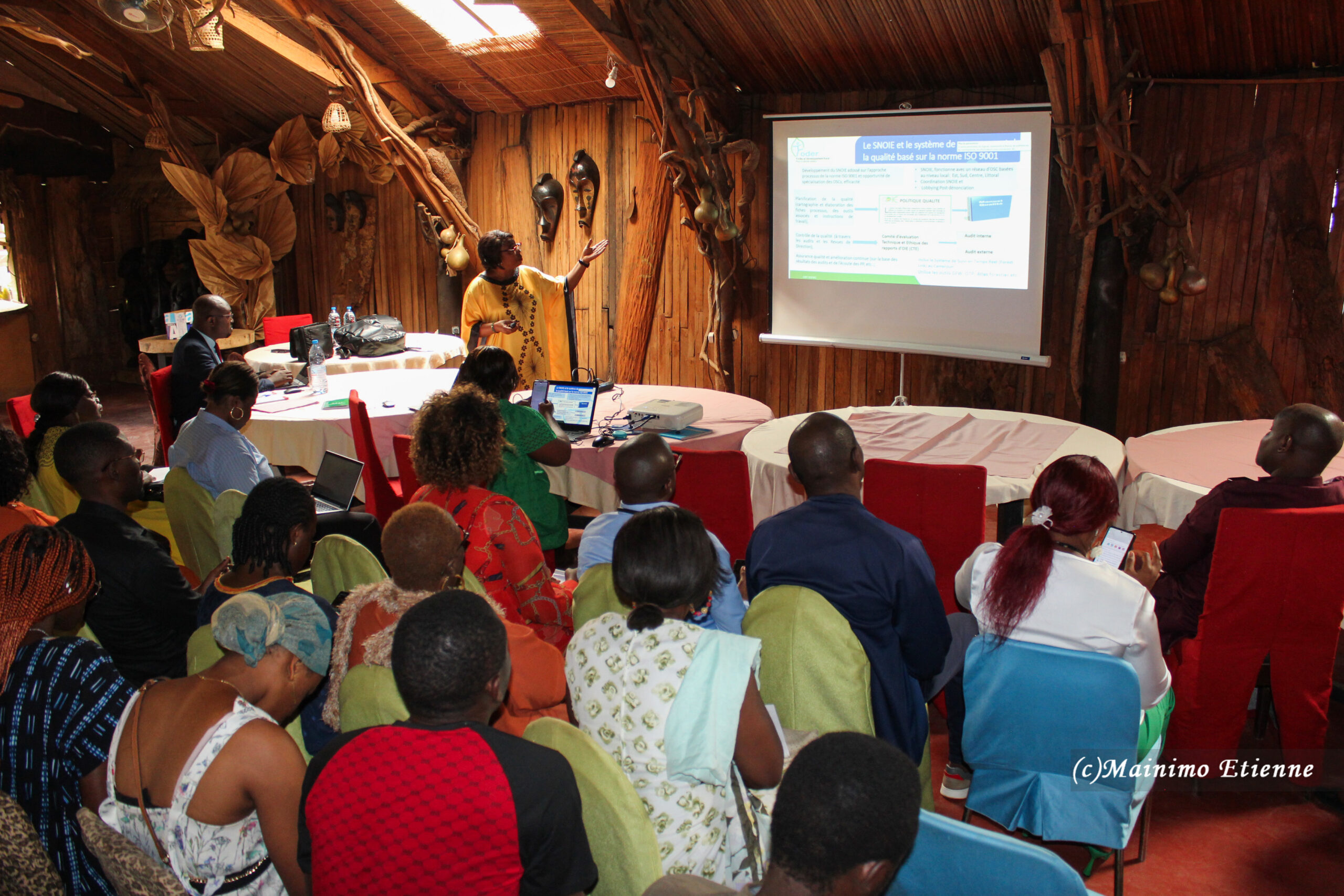
The government of Cameroon and the United Nations System are working to design the next U.N. Cooperation Framework for Sustainable Development in Cameroon from 2027–2031. This is the goal of a four-day workshop under way in Yaounde.

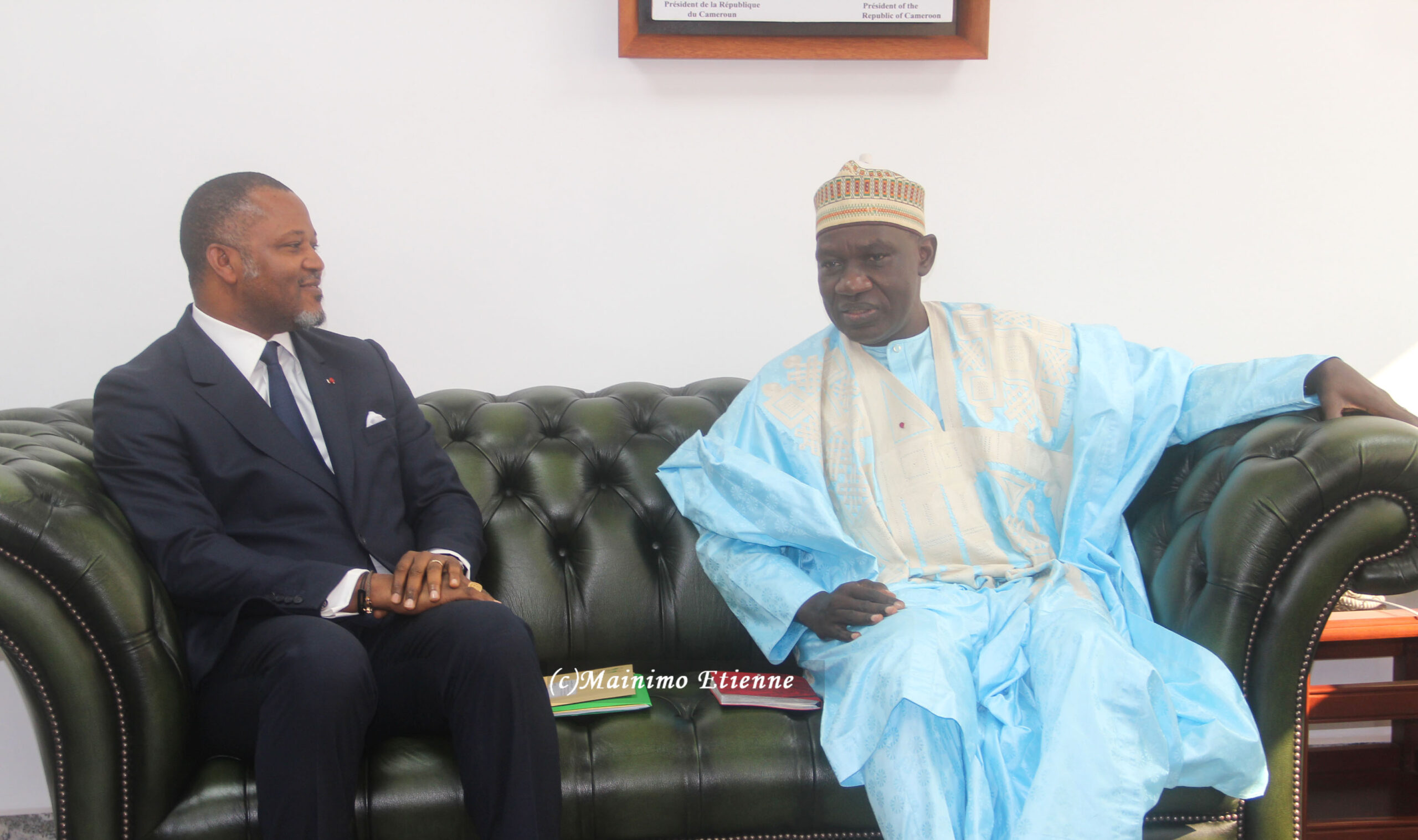
The workshop was officially opened by Alamine Ousmane Mey, Minister of Economy, Planning and Regional Development (MINEPAT), and Issa Sanogo, Resident Coordinator of the U.N. System in Cameroon among others.
During the opening ceremony, Ousmane Mey praised the U.N. System in Cameroon for its commitment. Citing the common country analysis report, he said the next cooperation framework cannot be a simple continuation. Rather, it must be a “constructive break with the past.”
“It must be a bold response to the legitimate aspiration of our people, the demands of our time and the commitments we have made nationally, regionally and internationally,” Ousmane Mey said.
The minister added that, above all, the next framework must align with the broad outlines of Paul Biya’s new social project as defined in his inauguration speech on Nov. 6.
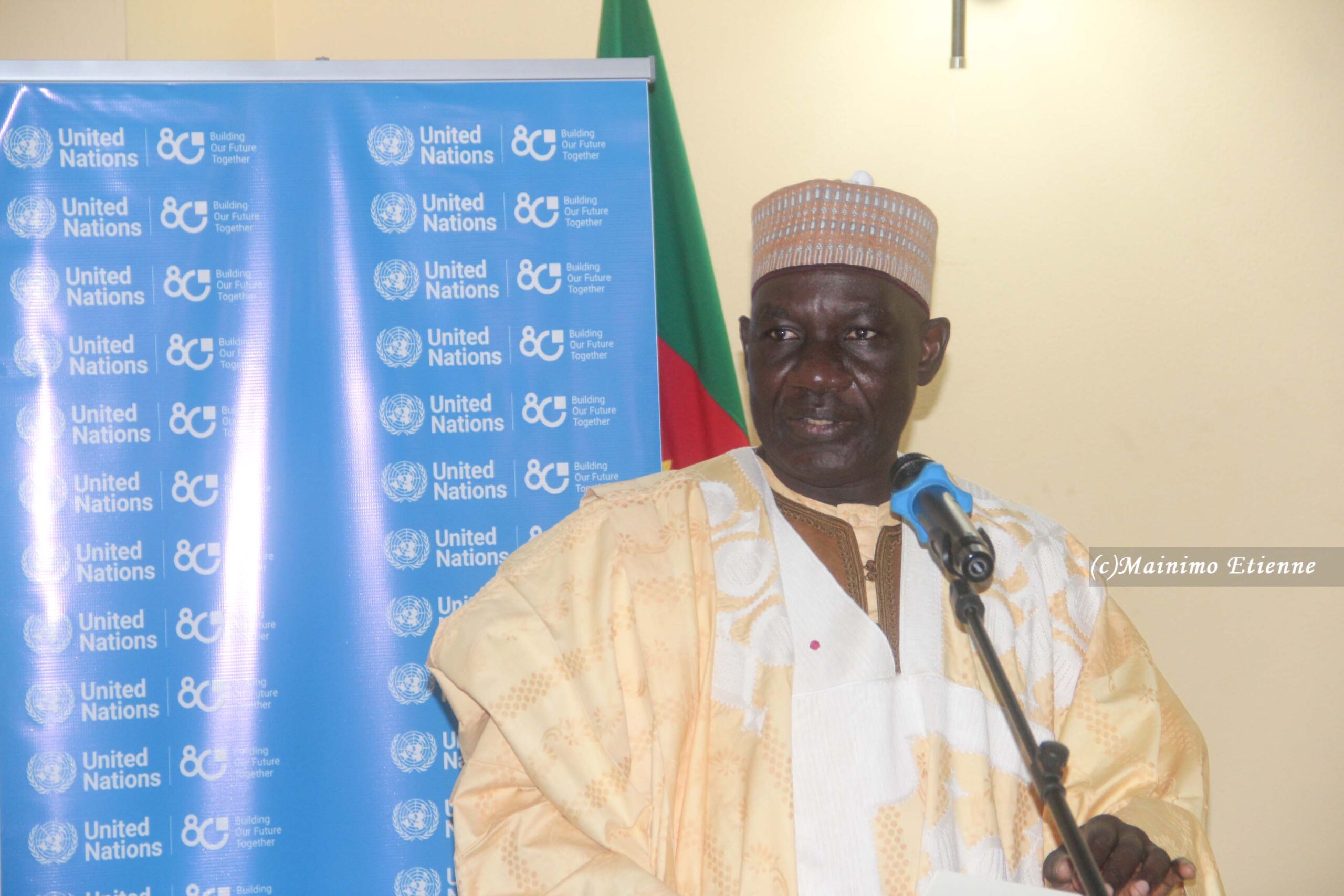
“This new cycle of cooperation must meet the requirements of simplification, agility and integration,” he said. “Its focus must be on tangible results. The lessons learned from the final evaluation of the 2022–2026 cooperation framework plan must be taken into full account. The significant progress made must be complemented by consistency, coordination, efficiency and sustainability.”
Ousmane Mey also noted that the innovations proposed by U.N. reforms must be taken seriously. To him, these innovations place data, foresight, digital technology, innovation and behavioral science at the forefront of U.N. efforts.
“We will also focus on the reform of the United Nations system, on the principles of access to results and on the U.N.’s overarching principles,” he said. “In this spirit, we will define the strategic priorities around the four pillars identified, namely human capital and social inclusion; economic transformation and decent employment; climate resilience and clean energy; and governance, peace and social cohesion.”
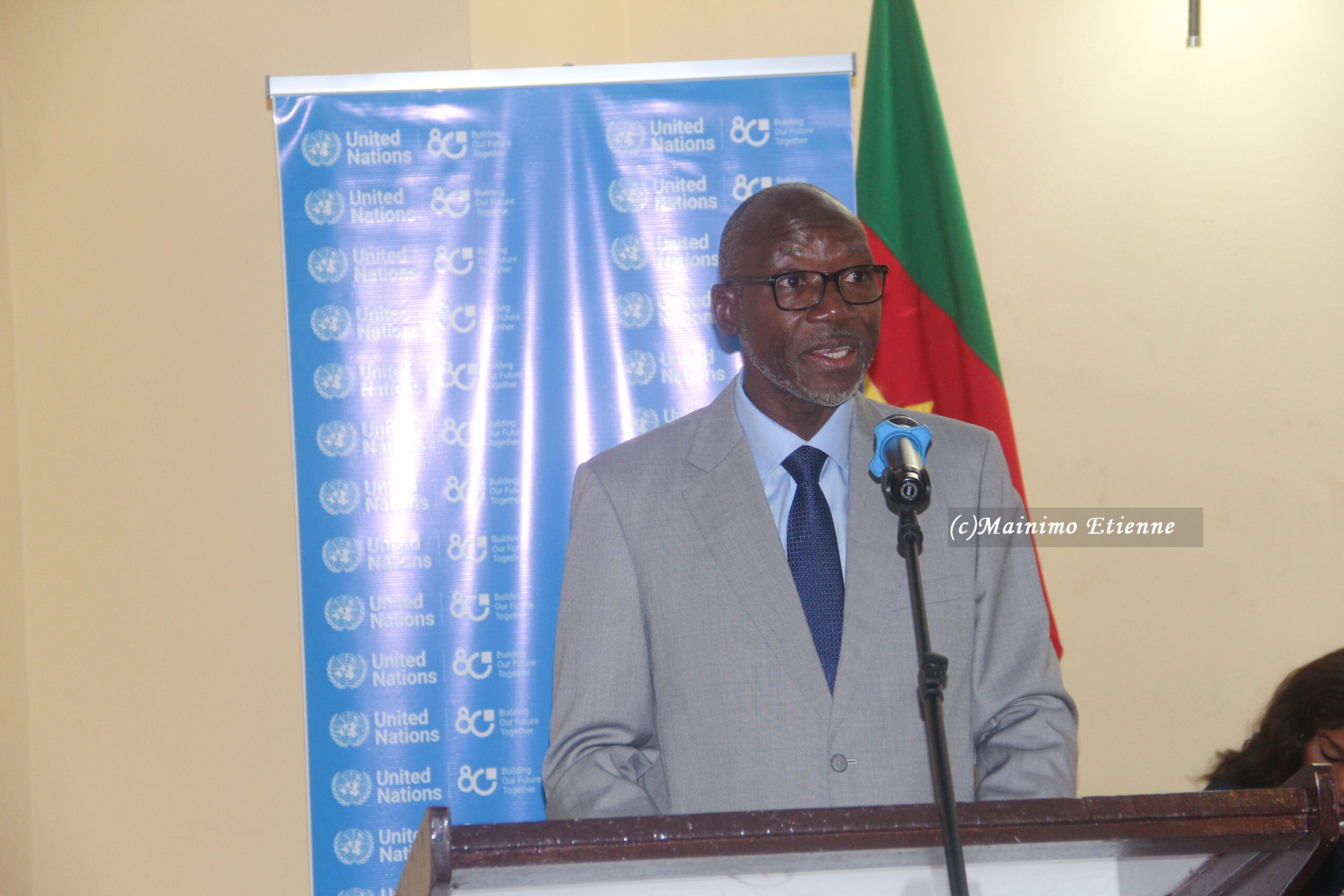
Issa Sanogo said the Framework Plan of Cooperation between Cameroon and the U.N. System serves to realize the national development priorities of the country. This plan is consistent with Cameroon’s National Development Strategy, the SND30.
Concerning the workshop, the U.N. Resident Coordinator said the current focus is to work on identified priorities to ensure they contribute to accelerating development in Cameroon.
He said these priorities revolve around three areas: human capital, which should be more inclusive to ensure people are truly benefiting from the effort being made; economic transformation, focused on energy and food systems while caring for nature; and governance.
“The third area of priority will focus on governance, governance that is inclusive, a governance that brings social cohesion and peace, because we cannot aim for economic transformation without having such an environment,” Sanogo said.
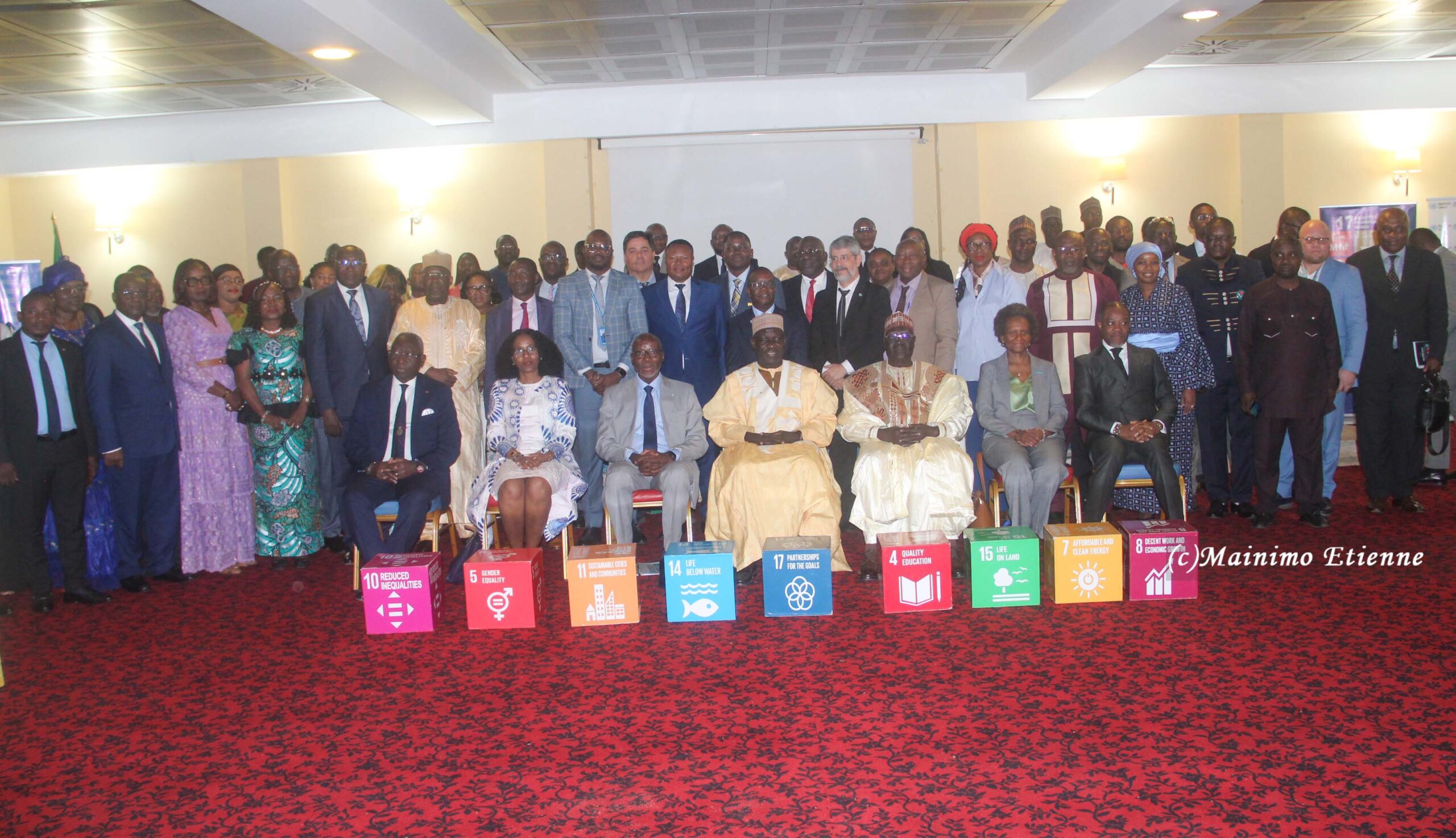
He added that the workshop will enable participants to focus on how the key elements of those three priority areas can align with Cameroon’s national priorities and achieve the impact the U.N. System aims for.
Participants agreed that the framework must reflect the aspirations of the people, respond to structural vulnerabilities and seize opportunities for acceleration. They emphasized that it must be based on proven data, reflect national appropriation, reinforced coherence of public policies and co-responsibility for the results.
The last Cooperation Framework for Sustainable Development in Cameroon ended Oct. 30, 2026.