By Etienne Mainimo Mengnjo
The death of a prominent Cameroonian opposition figure Ekane Anicent Georges, who died in military detention in December last year, has been officially attributed to natural causes, according to a recent press release from the Ministry of Defence.
The findings made public in a press release assert a “complete absence of traumatic injuries” and point to “serious underlying medical conditions” as the cause of death for the 74-year-old political leader, who died in military detention in December 1, 2025.
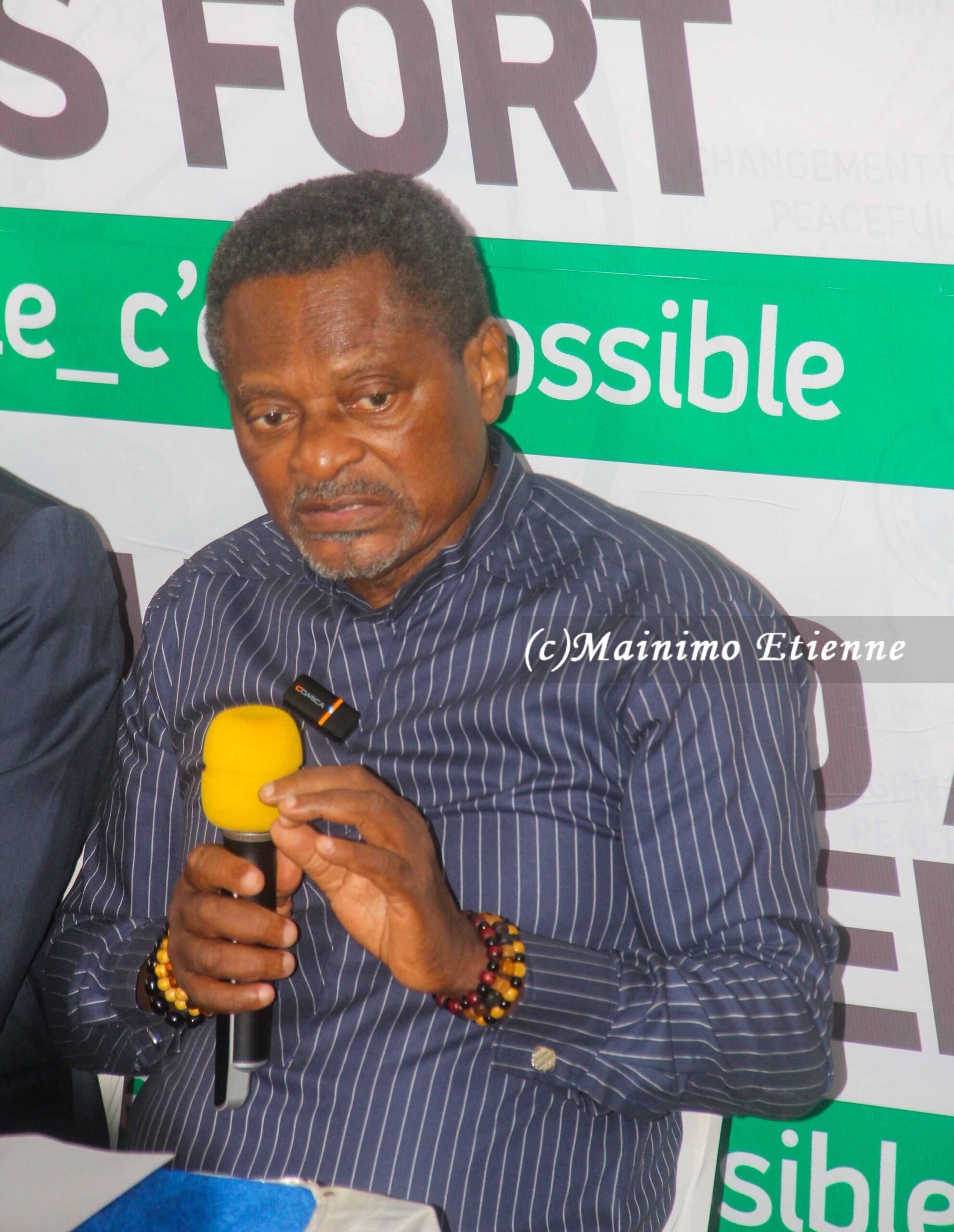
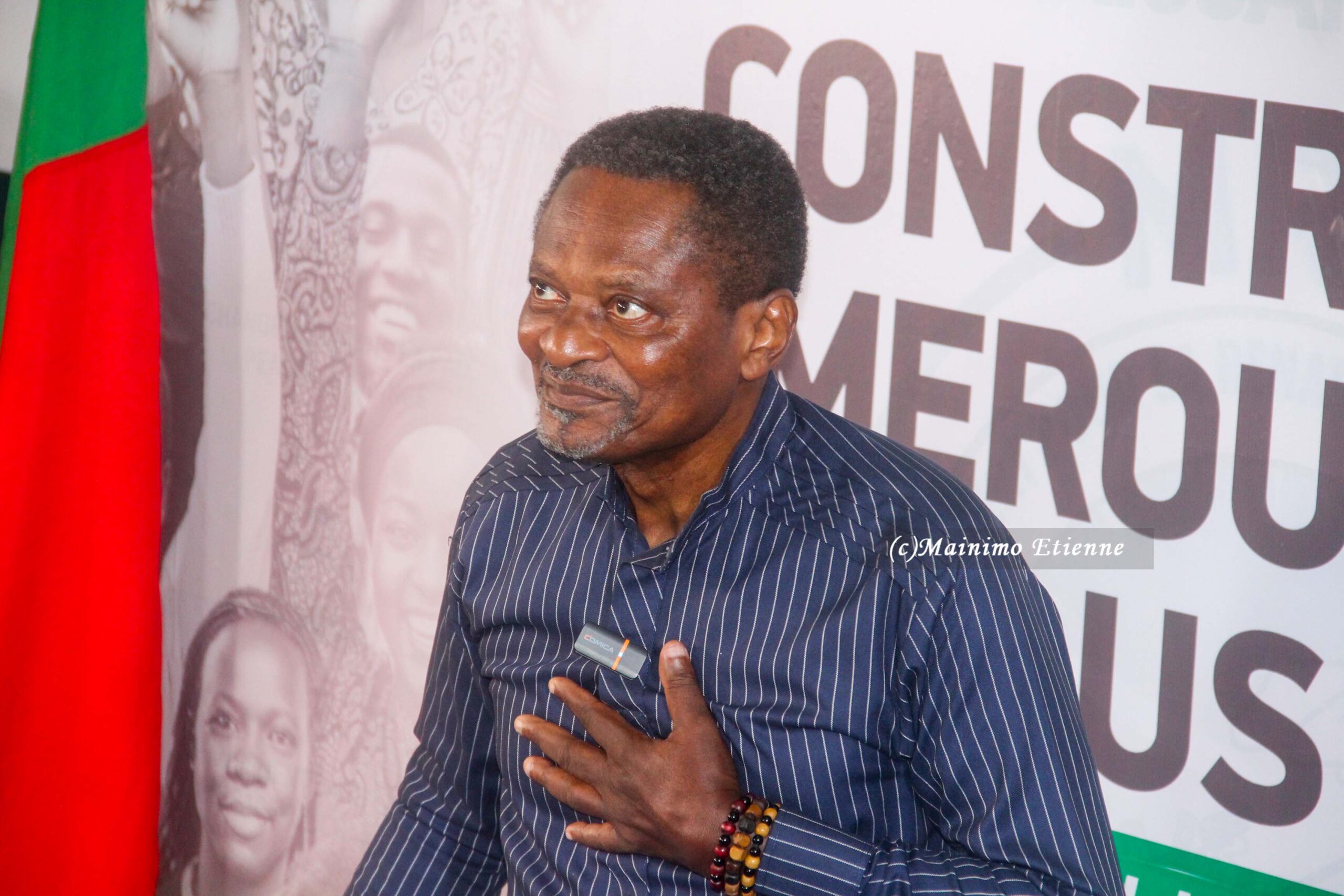
Ekane, President of the African Movement for the New Independence and Democracy (MANIDEM) and a pivotal figure in the Union for Change coalition in the last Presidential Elections, died at the Military Center of the National Gendarmarie in Yaounde.
His passing came nearly two months after his arrest in Douala in late October, an event many observers say was part of a broader series of detentions targeting opposition members following the disputed 2025 presidential election.
The Ministry of Defence’s statement, disseminated by its communication division, outlined that a panel of medical experts, including a professor and two doctors, conducted the post-mortem examination.
Their report aimed to definitively address the swirling rumors and public speculation of foul play that have intensified since Ekane’s death. The official declaration emphasizes that Ekane, described as a patient with a “delicate medical history,” succumbed to pre-existing health issues rather than any external violence.
Despite the government’s efforts to close the chapter on the controversy, the official narrative has been met with considerable skepticism. Family members had previously voiced serious concerns about Ekane’s health during his incarceration, including allegations that a vital respiratory device was confiscated – claims consistently refuted by authorities. The protracted delay in releasing the autopsy results, nearly three months after his death, further fueled public distrust and calls for transparency.
For 85 days, Ekane’s body remained under a judicial seal at the Yaounde Central Hospital mortuary. This measure was in place to facilitate comprehensive investigative procedures, including the crucial autopsy.
However, the legal impasse was finally resolved on Feb. 23, when the State Counsel issued an order for the removal of the seal, permitting the transfer of Ekane’s remains to his family. This decision cleared the way for his family to undertake the necessary funeral arrangements, bringing a degree of closure to a prolonged and emotionally charged period.
It is worth noting that the detention and subsequent death of Ekane triggered profound reactions across Cameroon’s political and civil society spectrum. Rene Emmanuel Sadi, the Minister of Communication and Government Spokesperson, offered a remarkably candid personal perspective on the events.
In an interview, Sadi expressed deep personal sorrow, referring to Ekane as a “friend” and suggesting that the decision to arrest and detain the MANIDEM leader might have been made without the full consensus or consultation of all relevant state actors.
He was quoted as saying, “There are some decisions which are taken by people who think that it is… for the interest of the country. Sometimes they do not consult those who can have a different position.” Sadi added, “I think we should regret what happened. If I was there, I would not have allowed that. It’s my own point of view.”
Leading legal figures and human rights advocates have also voiced their strong disapproval. Akere Muna described Ekane’s death as “a wound upon a wound,” criticizing the authorities for failing to release a gravely ill individual.
Human rights lawyer Alice Nkom condemned the death as a “criminal national disgrace,” accusing the state of denying him essential medical support. Christopher Fomunyoh of the National Democratic Institute highlighted the international community’s dismay, particularly given that Ekane was detained for challenging election results widely believed by many Cameroonians to be questionable.
Ekane, a steadfast veteran of the 1990s democratic movement, dedicated his life to championing multiparty politics and challenging authoritarian governance. Colleagues and friends remember his unwavering resolve, even in his final weeks, despite battling a debilitating illness.
According to also aid, an erroneous report of his death three weeks before his actual demise had already prompted urgent pleas for his release, pleas that ultimately went unheeded by the state.
The Ministry of Defence maintains that a formal investigation into the circumstances surrounding Ekane’s death is ongoing. However, for his devoted supporters, the political opposition, and civil society organizations, his death transcends a mere personal tragedy; it has become a powerful symbol and a rallying cry for enhanced accountability and transparency within Cameroon’s political framework.
The poignant sentiment, “They extinguished the man, but his fight will outlive all of us,” widely circulated across social media platforms, encapsulates the collective grief and the persistent demand for justice among those who mourn his passing.
As Cameroon navigates this period of heightened political sensitivity and public scrutiny, the trajectory forward – whether it leads to genuine inquiry, robust accountability, meaningful reform, or a continuation of official silence – remains uncertain. The enduring legacy of Ekane Anicent Georges, even in death, continues to resonate as a potent emblem in the nation’s ongoing struggle for democratic principles and justice.