By Etienne Mainimo Mengnjo
Cameroon is reeling from the death of Anicet Ekane, 74-year-old leader of the African Movement for New Independence and Democracy (MANIDEM) party, who died early Monday, December 1 while in detention in Yaounde.
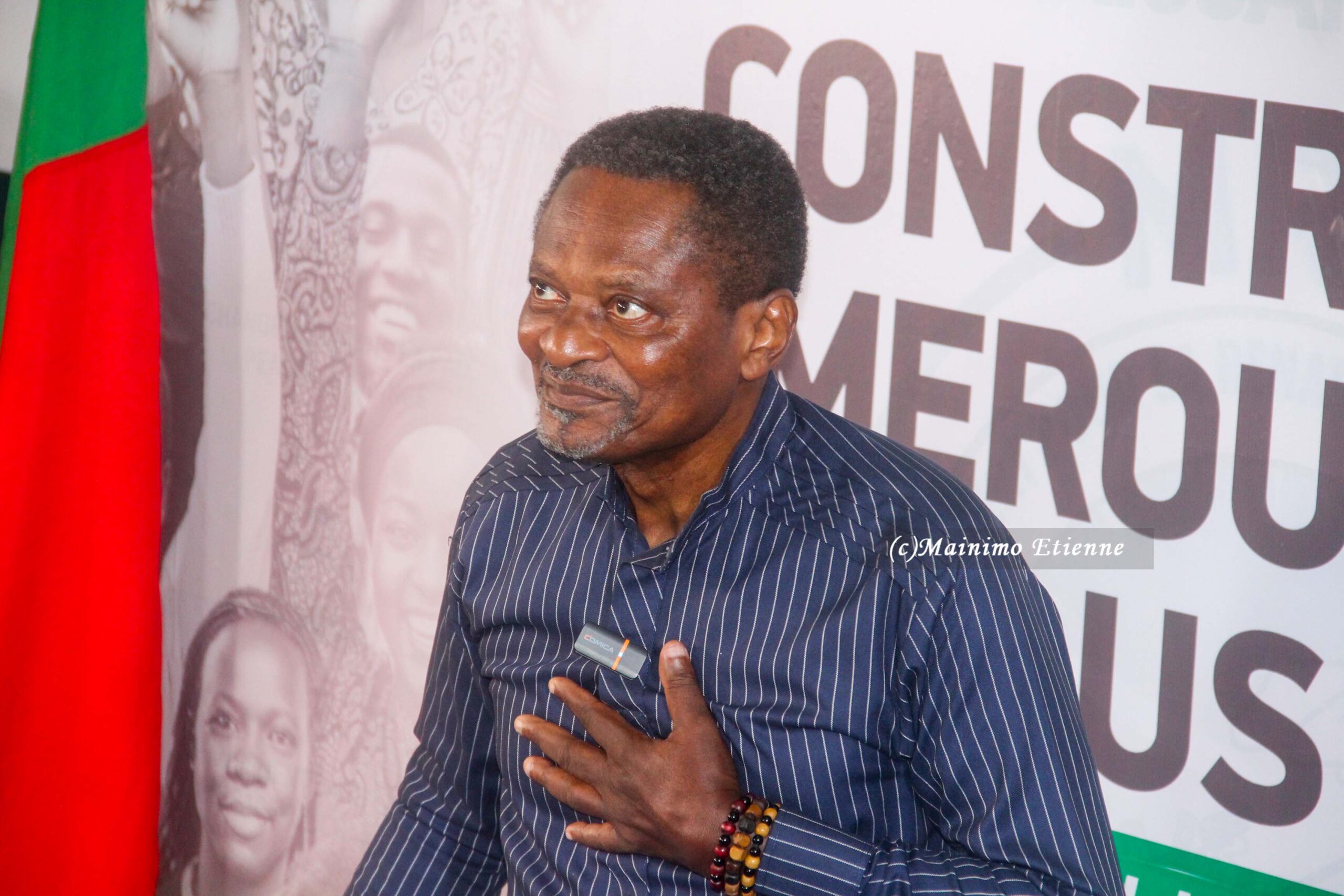
His passing, just five weeks after his arrest in the wake of disputed Presidential Elections, has ignited fierce accusations of state-sponsored neglect and prompted widespread demands for an impartial investigation.
Ekane, a lifelong critic of President Paul Biya’s 43-year rule, was taken from his Douala home on October 24 by plainclothes officers. Authorities accused him of inciting rebellion and hostility toward the state—charges his supporters dismiss as politically motivated.
Known to suffer from serious heart and respiratory problems, Ekane is said to have reportedly begged for his medication and inhaler in the days before his death. Family members and lawyers say repeated appeals to allow his personal doctor or to transfer him to a civilian hospital were ignored.
The government insists Ekane received proper medical attention at a military Medical Center of the National Gendarmerie facility in Yaoundé and died of natural causes linked to long-standing “chronic illnesses”.
A statement from the Ministry of Defense expressed regret and announced that an internal inquiry has been launched, with President Biya reportedly ordering a full review. Yet few in the opposition or civil society believe an investigation conducted by the same institutions that held him will deliver the truth.
MANIDEM has gone further, openly accusing the authorities of deliberate murder through medical neglect. “They knew he was gravely ill. They refused him care. This was execution by another name,” a senior party official declared outside their Yaoundé headquarters, where distraught supporters gathered in tears on Monday.
The case has swiftly garnered international condemnation. Cameroonians on the streets of Yaoundé have characterized Ekane’s death as a government-orchestrated plan to silence opposition in the country.
“We are not surprised by what is happening because the regime that stole our elections is capable of anything to maintain power. Even if they haven’t done anything, all fingers are pointing at them. Why were they arresting him?” said a street vendor.
Another resident voiced concerns, stating, “The government must be accountable. The Territorial Administration arrested him, and now the Defense Ministry is attempting to justify the incident by revealing his medical conditions. How can they initiate investigations when they were the ones holding him? Does that mean they don’t trust their own doctors? Many questions remain unanswered.”
The European Union delegation in Cameroon called the death “deeply troubling” and renewed demands for the release of dozens of activists and politicians rounded up after the October 12 election.
Germany and Britain issued similar statements, insisting on a transparent probe. Human Rights Watch described the circumstances as “highly suspicious” and urged the involvement of independent medical experts.
On their path, Ekane’s relatives is said to have hired a prominent French criminal attorney who is pushing for an autopsy to be performed outside Cameroon, fearing that any examination conducted locally could be manipulated. A collective of Cameroonian human rights lawyers has echoed that demand.
A veteran of the 1990s struggle to end one-party rule, Ekane remained a thorn in the government’s side for decades. Though he had endorsed Prof. Maurice Kmato for the 2025 Presidential Elections, but his preferred candidate was disqualified.
His death has become a rallying cry for a fragmented opposition still contesting Paul Biya’s declared victory in an election marred by low turnout, allegations of fraud, and deadly post-vote repression.
As grief transforms into anger on the streets of the country, many fear that Ekane’s fate is not an isolated tragedy but a warning of the lengths to which authorities will go to silence dissent in a nation sinking deeper into political crisis. Whether the promised investigation will bring clarity or merely exacerbate mistrust remains a significant cause for concern.