By Etienne Mainimo Mengnjo
South Africa’s historic turn as the first African host of the G20 Summit culminated on Nov. 23, 2025, with the adoption of the Leaders’ Declaration. Hailed by President H.E. Ramaphosa as a “victory for diplomacy” that placed Africa and the Global South at the G20’s heart, the summit’s legacy is now being scrutinized for what was left out: a robust response to the continent’s deepening debt emergency.
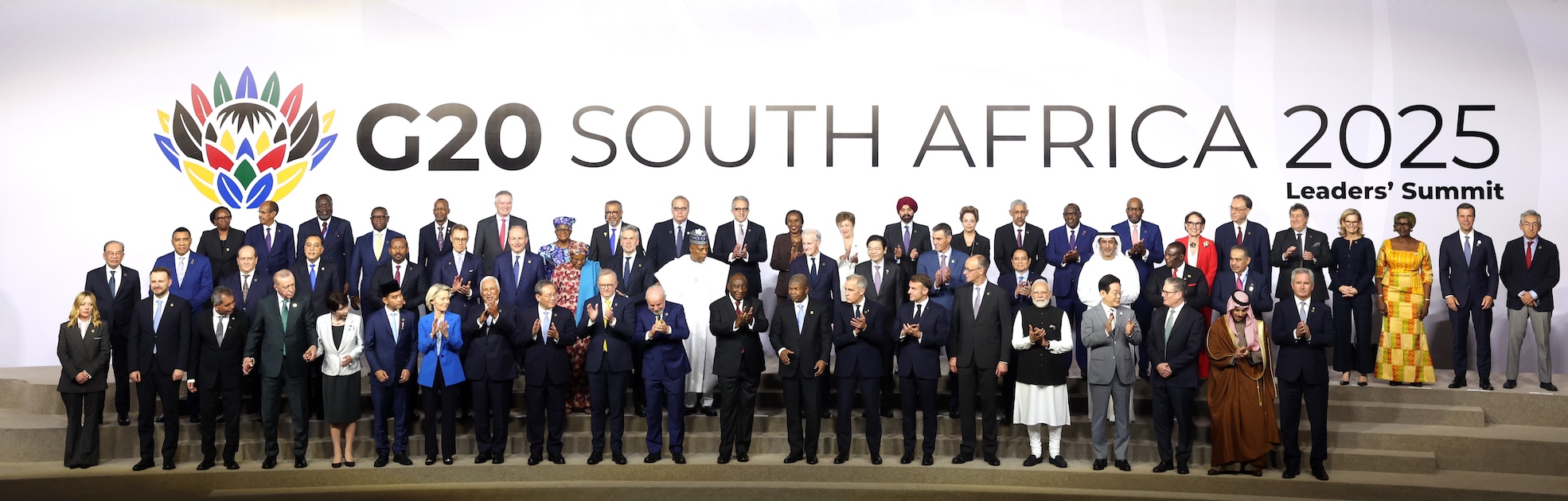
Despite the summit being a diplomatic landmark, critics argue the final declaration prioritized diplomatic consensus over meaningful action on Africa’s debt and development crisis.
While the South African presidency came at a difficult time for multilateralism, there has been little tangible progress throughout the year to alleviate the severe debt burdens facing many African nations.
The crisis, described by observers as having the “scale of an emergency,” was significantly watered down in the final text.
This outcome suggests a failure by the South African presidency to advance critical reforms to the global financial architecture and to effectively champion progressive proposals put forth by African nations.
A key point of disappointment is the omission of texts from the Common African Position (CAP) on debt, outlined in the Lomé Declaration. The CAP called for a unified, rules-based multilateral debt workout mechanism under the United Nations, emphasizing debt transparency and accountability, and measures to stem illicit financial flows out of the continent.
Furthermore, the G20 Declaration failed to commit to the Sevilla Commitment (Compromiso de Sevilla)—specifically Section 50(f) of the FfD4 outcome—which mirrored the CAP’s spirit by calling for intergovernmental negotiations at the UN on a sovereign debt workout mechanism.
These omissions, critics contend, amount to an “unfair disinclination” to address the structural drivers of Africa’s indebtedness. By framing the problem as merely a technical insolvency and liquidity crisis, the declaration promotes a “recipe that pushes countries down the path of recurrent debt cycles that ultimately fuel the interests of the global North.”
The G20 Declaration missed a critical opportunity to offer more ambitious debt restructuring mechanisms, particularly as an estimated 44 percent of Africa’s external debt stock is held by private creditors, according to UNCTAD. This significant private-sector involvement has made timely and orderly debt resolution exceedingly difficult.
The G20’s existing Common Framework for debt restructuring has been widely criticized for failing to deliver swift and effective relief for countries like Zambia and Ethiopia. Instead of fundamentally reforming the mechanism, the declaration only preserved its status quo, calling for its “strengthening” despite its obvious failings and the prioritization of private sector profits over the sustainability of African governments.
Riska Koopman, International Public and Private Finance Officer at AFRODAD, commented: “South Africa’s G20 Presidency and the Leaders’ declaration water down this attempt by African governments to be willful actors in reforming the global financial architecture to their benefit… The debt challenges facing African governments seep into every fibre of everyday life on the continent and can’t be separated from the urgency of global financial architecture reform.”
Adding to the summit’s complex outcome, post-event tensions between the United States and South Africa have intensified. The U.S. did not participate in this year’s G20 and has since reportedly uninvited South Africa from its 2026 Summit in Florida. The U.S. exit from multiple multilateral processes poses an increasing risk to the G20’s stability and threatens progress on global financial reforms.
In light of the G20’s inability to adequately address the needs of the Global South, AFRODAD and other organizations are now reaffirming the need to move decision-making to more democratic spaces like the UN. They continue to advocate for the establishment of a United Nations Framework Convention on Sovereign Debt—a legally binding mechanism rooted in fairness and equity to provide urgent multilateral solutions.